
全媒体传播体系

Search documents
主流媒体系统性变革的实践图景与深化策略
Bei Jing Ri Bao Ke Hu Duan· 2026-02-11 06:35
Core Insights - The article focuses on the strategic transition of mainstream media from media convergence to systemic transformation, emphasizing the need for a deep restructuring based on intelligent backgrounds [1][2] - It outlines the "leading momentum" strategy for deepening transformation, which includes establishing proactive leadership thinking, building a modern governance system, creating a new mainstream discourse, promoting intelligent governance evolution, and exploring diversified revenue models [1][2] Group 1: Transformation Practices - Mainstream media has moved beyond simple integration to deep systemic transformation, breaking traditional operational constraints and constructing a modernized communication landscape [3] - The transformation involves cognitive reconstruction in ideology, organizational synergy, content value narrative upgrades, technological intelligent driving, and ecological platform symbiosis [3][4] Group 2: Ideological Innovation - The shift from media convergence to systemic reconstruction is characterized by placing media development within the broader context of national governance modernization [4] - The People's Daily upgraded its "Central Kitchen" to a "Smart Hub" in 2023, integrating content creation, distribution, user feedback, and data management into a unified operation [4][5] Group 3: Organizational Optimization - Traditional hierarchical structures are being reformed into collaborative frameworks to enhance content innovation and dissemination effectiveness [6][7] - The establishment of collaborative committees and agile teams, as exemplified by the Wenzhou Media Center, demonstrates the shift towards a more integrated operational model [7][8] Group 4: Content Evolution - Mainstream media is transitioning from mere information reporting to meaningful value narratives, emphasizing emotional resonance and cross-cultural empathy [9][10] - AI technologies are increasingly integrated into content production, enhancing creativity and efficiency, as seen in various innovative projects [9][10] Group 5: Technological Advancement - Technology has evolved from a supportive role to a core driver of transformation, with AI and advanced algorithms reshaping the entire media production and distribution process [11][12] - The integration of AI with virtual reality is revolutionizing content production, enabling seamless blending of virtual and real elements [11][12] Group 6: Ecological Co-creation - Mainstream media is moving towards a platform symbiosis model, integrating with government, culture, and commerce to enhance its role in social governance [13][14] - Collaborative projects, such as the "My Changsha" app, illustrate how media can provide public services while enhancing governance efficiency [13][14] Group 7: Strategies for Deepening Transformation - The "Fifteen Five" plan emphasizes a comprehensive upgrade in ideology, mechanisms, content, technology, and operations to support the development of a full media communication system [15][16] - The establishment of a modern governance system is crucial for ensuring effective organizational support for transformation [18][19] Group 8: Content and Discourse Development - The creation of a new mainstream discourse system is essential for adapting to the evolving social landscape and enhancing the media's role in guiding public opinion [21][22] - Emotional connection and practical application of the discourse system are vital for fostering public engagement and trust [22][23] Group 9: Sustainable Business Models - Mainstream media is exploring diversified revenue models to address structural challenges, moving beyond reliance on subsidies and advertising [26][27] - The integration of media with technology and data services is seen as a pathway to enhance operational sustainability and value creation [26][27] Group 10: Overall Outlook - The systemic transformation of mainstream media is not merely an extension of previous efforts but a comprehensive shift towards a sustainable and proactive media ecosystem [28]
从“分头独唱”到“多声部合唱”,国际传播的新策略与新实践
Xin Lang Cai Jing· 2026-01-10 04:04
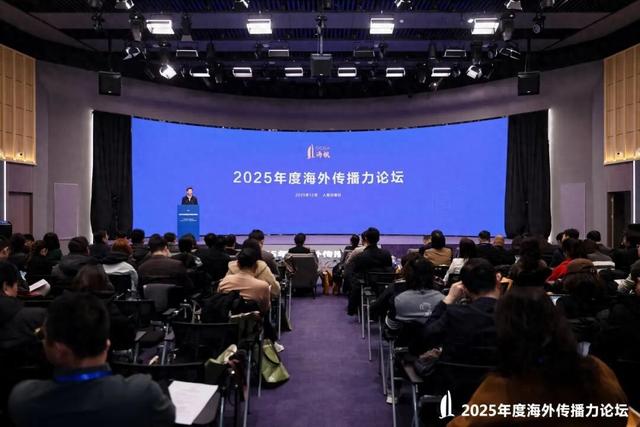
Core Viewpoint - The 2025 Overseas Communication Power Forum highlighted the strategic opportunities for enhancing China's international communication capabilities through systematic reforms and the integration of media technology [1][3]. Group 1: Systematic Reform and International Communication - The forum discussed the need for a systematic transformation in international communication, as outlined in the "14th Five-Year Plan," which emphasizes improving the international communication system and enhancing cultural exchanges [1]. - Key topics included the construction of a comprehensive media communication system and the organic integration of international communication capabilities [1][3]. Group 2: Media Innovation and Cultural Responsibility - The theme "New Expressions of Traditional Culture, New Strategies for International Communication" reflects the cultural responsibility of mainstream media to enhance China's global influence [3]. - Mainstream media, including the People's Daily, is actively innovating to present a credible and appealing image of China to the world [3]. Group 3: Multi-Channel and Collaborative Communication - The forum emphasized the importance of a multi-channel, collaborative approach to international communication, moving from isolated efforts to a more coordinated strategy involving various stakeholders [5]. - The "Silk Road Scroll" communication cloud platform was launched, achieving over 400 million exposures for related content, significantly enhancing the breadth and depth of the "Belt and Road" initiative's promotion [5]. Group 4: Local and National Image Building - The integration of local and national narratives is crucial for constructing a cohesive international image, with local representations becoming increasingly significant in global perceptions [5][9]. - Experts advocated for a shift from fragmented communication to a harmonious multi-voice approach, leveraging local IPs to support national image building [9]. Group 5: Technological Integration and Sustainable Communication - The role of technology, particularly artificial intelligence, is transforming how Chinese enterprises engage internationally, focusing on delivering sustainable capabilities rather than just products [7]. - The forum initiated a collection of outstanding overseas communication cases to showcase innovative practices by Chinese institutions [7]. Group 6: Enhancing Narrative and Content Construction - The need for a robust narrative and content construction strategy was highlighted, emphasizing the importance of integrating internal and external communication efforts [10][12]. - The forum underscored the necessity for mainstream media to strengthen their capabilities in international communication, including content, channels, and technical development [12].

互联网视域下的主流媒体系统性变革
Xin Hua Ri Bao· 2026-01-06 11:45
Core Viewpoint - The article emphasizes the transformative impact of the internet on mainstream media, necessitating a systemic overhaul rather than mere tactical adjustments [1][2]. Group 1: Decentralization and Restructuring - The internet has fundamentally reshaped the logic of information dissemination and social connections, leading to a decentralization of communication power that undermines traditional hierarchical structures [2][3]. - Mainstream media must adapt to a decentralized, real-time interactive environment to remain relevant, moving away from isolated operations to a more integrated approach [2][3]. Group 2: Digital Transformation and User Engagement - The shift from agenda-setting to user-driven, data-informed content distribution requires mainstream media to digitize their production processes and understand user data to effectively reach audiences [3][4]. - The new media landscape demands that mainstream media evolve from mere information providers to active participants in governance and community engagement, enhancing their connection with the public [5][6]. Group 3: Opportunities in the Internet Era - The internet presents unprecedented opportunities for mainstream media to break traditional boundaries and achieve precise audience targeting through data analytics and user profiling [4][5]. - By leveraging internet capabilities, mainstream media can enhance their perception of public opinion and proactively guide discourse, transitioning from reactive to proactive roles in crisis situations [4][5]. Group 4: Strategic Pathways for Transformation - A shift from short-term content subsidies to long-term investments in media infrastructure is essential for sustainable growth in the digital age [6][7]. - Collaboration and shared technological resources can help local media focus on content creation and user engagement while minimizing operational costs [7][8]. Group 5: Governance and Local Engagement - Mainstream media should actively participate in local governance and community services, utilizing their credibility to become integral players in local development and smart city initiatives [8][9]. - The evaluation metrics for media performance should evolve to include diverse indicators of quality and engagement, moving beyond mere traffic metrics to assess long-term value creation [8][9].
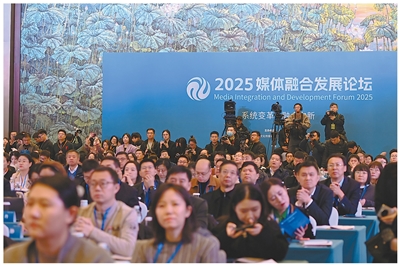
在系统性变革中展现新作为、实现新突破 ——二〇二五媒体融合发展论坛发言摘编
Ren Min Ri Bao· 2025-11-26 22:29
Group 1 - The core viewpoint emphasizes the importance of media integration and innovation in enhancing communication and service delivery within various regions [1][2][4][5][6][7][8][10][12][15] - The establishment of comprehensive media systems, such as the "1+4+N" model in Suzhou, showcases the effectiveness of multi-platform engagement and audience reach [2][3] - The focus on content innovation and user engagement is critical, with various regions adopting strategies to enhance local culture and tourism through media [4][7][8][10] Group 2 - The integration of technology and media is highlighted as a means to improve operational efficiency and audience interaction, with initiatives like the "central kitchen" model in place [12][13] - The development of unique cultural narratives and local stories is essential for effective communication, as seen in the case of Shaoyang and Kuqa [6][7] - The shift towards a service-oriented media approach is evident, with various regions exploring new business models and revenue streams to sustain media operations [8][10][15]
在系统性变革中展现新作为、实现新突破
Ren Min Ri Bao· 2025-11-26 22:21
Group 1 - The core viewpoint emphasizes the construction of a three-dimensional integrated communication system, focusing on building strong independent platforms and enhancing content innovation [2][3] - The media integration approach in Gansu Province combines news, government, services, and business functions, creating a comprehensive media matrix that includes various platforms [2] - Jiangsu Province's media center achieved a total online dissemination volume of 14.06 billion, with significant engagement on social media platforms, showcasing the effectiveness of their "1+4+N" media system [4] Group 2 - The focus on content innovation and brand awareness is highlighted, with a shift from traditional text output to video storytelling, resulting in increased online engagement [2][4] - The integration of cultural industries with economic development is emphasized, with a multi-faceted industry layout that includes media operations, technical services, and cultural creativity [4][5] - The establishment of a "full-channel, precise" communication ecosystem is crucial for grassroots media to break through challenges, emphasizing the importance of content and innovation [6] Group 3 - The exploration of media integration paths in Kuqa City focuses on promoting cultural soft power and enhancing local tourism through collaborative media efforts [11] - The development of a "content + service + industry" strategy is essential for cultivating new media production capabilities, emphasizing user-centered approaches [12][13] - The transformation of media roles into urban resource operators is highlighted, with a focus on enhancing commercial capabilities and expanding into new business areas [18]
全省优秀新闻工作者座谈会召开
Shan Xi Ri Bao· 2025-11-07 00:42
Group 1 - The meeting highlighted the achievements of the news industry in Shaanxi province, emphasizing the role of journalists in documenting the economic and social development of the region [1] - The provincial propaganda minister, Sun Daguang, called for a focus on high-quality development and modernization in Shaanxi, urging journalists to tell compelling stories about China, Shaanxi, and the Silk Road [1] - There is a strong emphasis on innovation and reform within mainstream media, aiming to enhance the influence and credibility of news dissemination [1] Group 2 - The meeting also reported on the 35th China Journalism Awards and the 12th "Good Journalists Tell Good Stories" event, showcasing the recognition of outstanding journalists [2] - Three award-winning representatives shared their experiences, and three journalists presented their stories during the "Good Journalists Tell Good Stories" segment [2]
中国民航报社出版社宣教中心召开2025年年中工作会议
Zhong Guo Min Hang Wang· 2025-07-30 06:47
Core Insights - The meeting emphasized the need for the Civil Aviation Publishing Center to adapt to the increasingly complex and uncertain environment facing traditional media, focusing on consolidating mainstream ideology and optimizing media production and dissemination mechanisms [1][2] Group 1: Achievements and Progress - In the first half of the year, the Civil Aviation Publishing Center made significant progress under the leadership of the Civil Aviation Administration, achieving breakthroughs in news reporting and book publishing, thereby providing spiritual motivation for the high-quality development of civil aviation [1] - The center has focused on its core business, actively transforming its thinking and innovating its business model, which has broadened its development path [1] Group 2: Future Directions and Goals - For the second half of the year, the center aims to implement the national civil aviation mid-year work meeting's spirit, focusing on talent utilization to improve quality and efficiency, reduce losses, and increase profits [2] - The center is encouraged to enhance political awareness and teamwork to ensure the effective implementation of various tasks, while also fostering innovation and establishing new working models to improve work efficiency [2]