
全渠道零售

Search documents
天虹股份(002419) - 2026年3月25日投资者关系活动记录表
2026-03-25 09:50
Group 1: Strategic Direction - The company aims to become an "AI-driven digital technology company," focusing on deep digitalization and intelligent upgrades in retail, with no plans to enter the military industry [2] - The strategic focus includes two main directions: enhancing industry digitalization and accelerating digital industrialization, particularly through the "Lingzhi Bailing Bird AI model" and the "Xiao Huo Er" intelligent labor platform [2][3] Group 2: Core Operating Strategies for 2026 - The core operating strategy for 2026 is based on "three focuses and three cost reductions," targeting breakthrough growth opportunities and optimizing cost structures [3] - Specific initiatives include upgrading the supermarket model (sp@ce3.0), creating benchmark shopping centers, and applying AI in the core value chain of products and services [3] Group 3: Competitive Advantages and Initiatives - The company's competitive edge lies in its comprehensive digital capabilities powered by its proprietary AI model, enabling a fully integrated online and offline retail system [3] - Key initiatives include transforming shopping centers into experiential and digital hubs, enhancing online business through "instant retail + membership value," and optimizing the supply chain with a focus on fresh and ready-to-eat products [3] Group 4: Store Optimization and Financial Outlook - In 2026, the company plans to open one new shopping center and evaluate existing stores for potential closures based on market conditions [4] - The company emphasizes a stable cash dividend policy and is considering share buybacks based on market and operational conditions [4] Group 5: Investor Relations and Market Perception - The company is committed to enhancing its value and investor returns, with a focus on effective communication and market recognition of its value [4] - The stock price has been affected by various factors, including macroeconomic conditions and company fundamentals, and the company encourages rational investment [4]

宝胜国际(03813):2025年业绩承压,线上全渠道占比持续提升
Guoxin Securities· 2026-03-16 12:38
Investment Rating - The investment rating for the company is "Outperform the Market" [6][4][43] Core Insights - The company is facing revenue and profit pressure in 2025, with a projected revenue of 17.132 billion HKD, down 7.2% year-on-year, primarily due to fluctuations in offline foot traffic [1][4] - The gross margin decreased by 0.7 percentage points to 33.5%, influenced by deeper discounts and increased e-commerce-related expenses [1] - The company is focusing on enhancing its online channel capabilities, with online sales contributing over 30% of total revenue, and a significant increase in sales through platforms like Douyin [2][4] Summary by Sections Financial Performance - In 2025, the company reported a net profit of 211 million HKD, a decline of 57% year-on-year, attributed to increased discounts and e-commerce costs [1][4] - The inventory turnover days were 160 days, with a 2.9% decrease in inventory from the previous quarter [1] - The company maintained a stable dividend payout of 0.027 HKD per share, with a payout ratio of 60% [1] Sales and Channel Strategy - Offline same-store sales declined by 10-20% due to poor foot traffic, leading to a net reduction of 138 direct stores [2] - The online channel saw significant growth, with Douyin sales increasing over 70% year-on-year, and membership numbers rising by 7% to 65.8 million [2] Future Outlook - For 2026, the company expects a stabilization in sales and an improvement in gross margins due to operational adjustments and better price control [3] - The company plans to enhance its retail strategy and optimize its online operations, particularly through live streaming and integrating micro-stores [3] - The upcoming 2026 Winter Olympics is anticipated to boost consumer demand, supporting the company's recovery [4][43]
宝胜国际发盈警 预期2025年股东应占溢利约2.11亿元 同比减少约57.1%
Zhi Tong Cai Jing· 2026-02-27 09:03
Core Viewpoint - The company expects a decline in revenue and profit for the fiscal year ending December 31, 2025, primarily due to operational de-leveraging and a challenging market environment in mainland China [1] Group 1: Financial Performance - The company anticipates revenue of approximately RMB 17.132 billion and a profit attributable to shareholders of about RMB 211 million for the fiscal year 2025, representing a decrease of approximately 7.2% and 57.1% compared to the fiscal year 2024, respectively [1] - The decline in profit is mainly attributed to operational de-leveraging, exacerbated by low consumer confidence and high inventory levels in the mainland market [1] Group 2: Market Conditions - The retail environment is characterized by severe price competition due to high inventory levels and weak consumer traffic, leading to a median same-store sales decline of 10% to 20% [1] - The performance of franchise channels has been significantly impacted by weak traffic in lower-tier cities [1] Group 3: Strategic Initiatives - The company is focusing on enhancing its omnichannel capabilities and has adopted a highly agile decision-making model to strengthen its online presence, which has shown steady sales momentum, partially offsetting the weak performance of retail stores [1] - Despite ongoing efforts to manage inventory prudently, optimize inventory age structure, strengthen digital capabilities, and control expenses, the pressure from discounts and declining sales volume has significantly affected profitability [1] Group 4: Future Outlook - Given the uncertain economic environment, the company is implementing a rigorous channel planning and inventory management strategy to maintain a robust financial position [2] - The company conducted several share buyback transactions in January 2026, reflecting confidence in its long-term development prospects and intrinsic value amid a volatile market [2]
Walmart(WMT) - 2026 Q4 - Earnings Call Transcript
2026-02-19 14:02
Financial Data and Key Metrics Changes - Revenue increased by 4.9% in constant currency, with e-commerce growth at 24% and adjusted operating income growing at 10.5% [5][15] - For the full year, top-line growth was approximately 5% in constant currency, adding $35 billion in revenue, with sales exceeding $700 billion for the first time [15][24] - Adjusted operating income grew 5.4%, despite a 300 basis point headwind from increased claims expenses and tariffs [15][24] Business Line Data and Key Metrics Changes - Walmart U.S. comp sales increased by 4.6%, with e-commerce sales growing 27% [15][16] - International segment operating income increased by over 26%, reflecting improved e-commerce economics [16] - Advertising businesses globally increased by 37%, with Walmart Connect in the U.S. up 41% [17][35] Market Data and Key Metrics Changes - E-commerce in China grew by 28%, representing over 50% of the sales mix in that market [16] - Sam's Club U.S. doubled their growth in club-fulfilled delivery sales [16] - The majority of share gains came from households earning more than $100,000, while those earning below $50,000 are managing spending paycheck to paycheck [6][7] Company Strategy and Development Direction - The company is focused on an omnichannel model, emphasizing inventory management and automation to enhance delivery speed [5][9] - Investments in technology and AI are aimed at improving customer solutions and reducing friction in the shopping experience [9][10] - The strategy includes capital allocation based on return on investment, with a focus on maintaining a strong value proposition for customers [8][24] Management's Comments on Operating Environment and Future Outlook - Management expressed confidence in the business model's ability to deliver strong growth and profits despite dynamic operating conditions [14][24] - The outlook for full-year constant currency sales growth is expected to be between 3.5% and 4.5%, with operating income growth between 6% and 8% [23][24] - Management noted the importance of flexibility in guidance due to potential economic uncertainties [40][41] Other Important Information - The company authorized a $30 billion share repurchase program, the largest to date, reflecting confidence in cash flow generation [24] - Capital expenditure levels for FY 2027 are expected to be approximately 3.5% of sales, with a focus on supply chain automation and store remodels [24][25] Q&A Session Questions and Answers Question: On agentic commerce and its impact on customer traffic and advertising - Management highlighted that agentic commerce is part of the omnichannel strategy, enhancing customer intent understanding and driving higher average order values [29][31] Question: How to factor unknown costs into the outlook - Management emphasized a balanced approach to guidance, maintaining flexibility while being constructive on the economy [40][41] Question: Expectations for inflation and disinflation - Management noted that inflation was trending slightly above 1%, with expectations for continued pressures from drug pricing legislation [44][46] Question: Outlook for gross margin and inventory management - Management discussed improvements in inventory management through automation and technology, expecting continued benefits in gross profit [48][52] Question: Progression of Marketplace growth and tax stimulus impact - Management indicated ongoing investment in Marketplace growth, with expectations for increased tax refunds impacting consumer spending [58][60]

联名小红书、上新“玛薯店” 30岁的沃尔玛中国奔赴一场兴趣零售的革命
Mei Ri Jing Ji Xin Wen· 2026-01-23 13:42
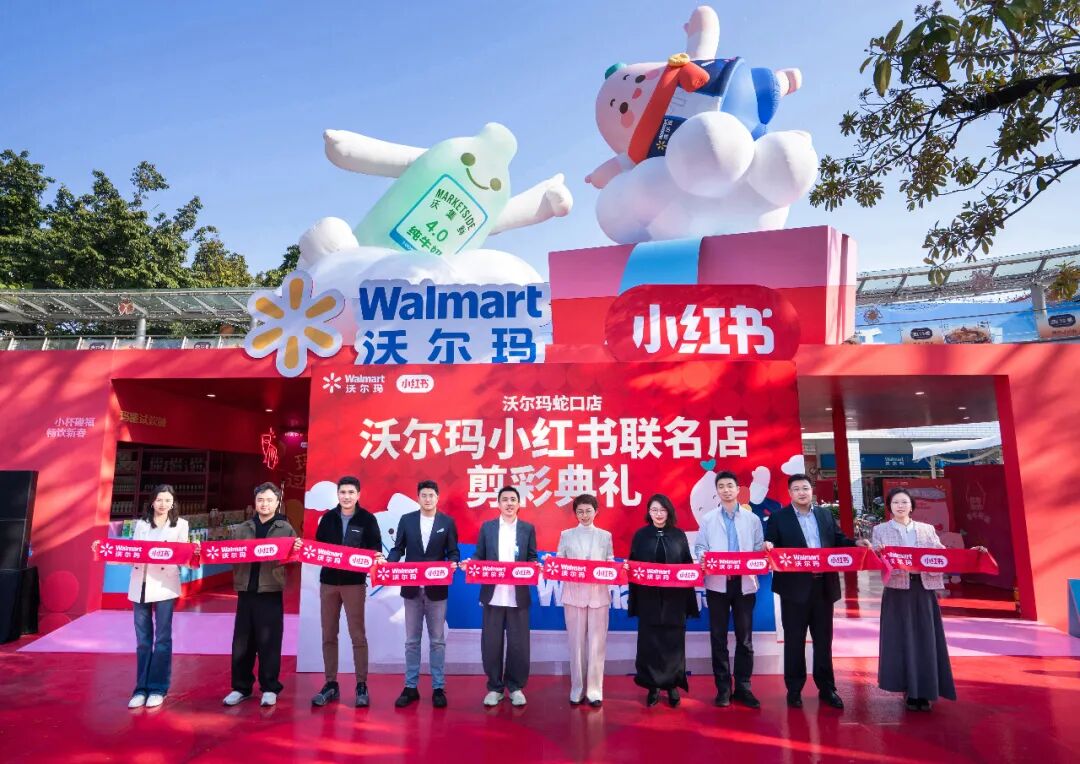
Core Insights - Walmart and Xiaohongshu have launched their first innovative retail experience space, "Mashu Store," in Shenzhen, showcasing their collaborative product line "Wojixian × Xiaohongshu | Treasure New Products" [1][3] Product Restructuring - The collaboration features a range of visually appealing products, including strawberry series, cilantro yogurt, and large beer packs, emphasizing simple ingredients and global sourcing [4] - The products align with Walmart's "Wojixian" brand philosophy, ensuring quality through a robust global supply chain and strict quality control [4][7] - Xiaohongshu contributes by providing insights into consumer trends, ensuring that the collaborative products resonate with current consumer interests [7] Scene Revolution - The "Mashu Store" redefines retail space by creating eight interest islands that focus on customer interests, enhancing the shopping experience through immersive layouts and creative interactions [8][24] - This approach shifts the focus from merely selling products to providing an engaging shopping experience that emphasizes emotional connections and cultural significance [8][24] Strategic Transformation - The Shenzhen store's renovation marks Walmart's transition from a traditional hypermarket to a modern omnichannel retailer, emphasizing customer needs and sustainable competitive advantages [24][27] - Walmart has established a clear omnichannel structure, integrating community stores, large stores, and online platforms to meet diverse customer shopping needs [24][27] - The company's commitment to customer-centric strategies has led to positive feedback, increased foot traffic, and sustained sales growth [24][27]

宜家越开越小
经济观察报· 2026-01-09 14:51
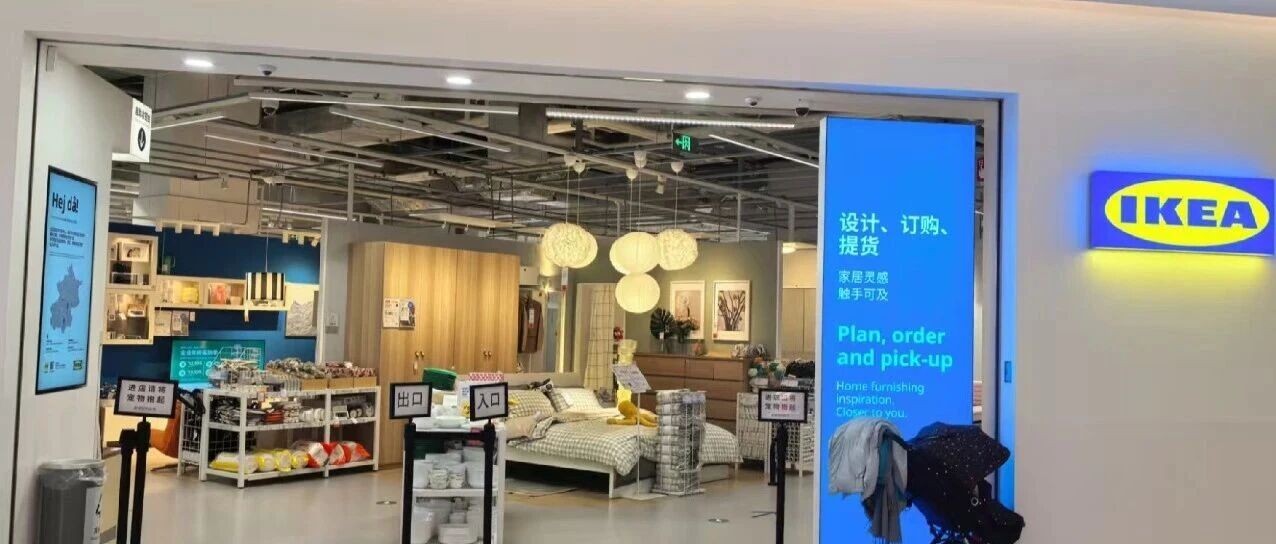
Core Viewpoint - IKEA China is undergoing a significant structural transformation, shifting from large stores to smaller formats, emphasizing efficiency over personalized shopping experiences, and balancing online and offline channels [1][4]. Store Layout Changes - IKEA China announced the closure of seven large stores in cities like Shanghai and Guangzhou by February 2026, marking the largest scale of store closures to date [3][6]. - The new store strategy will focus on smaller stores, with plans to open over ten small-format stores in key markets like Beijing and Shenzhen within the next two years [7][8]. Small Store Concept - The design ordering center in Beijing, a small store model, is approximately 400 square meters, contrasting with traditional stores that typically exceed 30,000 square meters [9][12]. - This small store format includes a home solution exhibition area, a snack and beverage section, and a full-home design center, providing a more compact and focused shopping experience [9][10]. Online and Omnichannel Strategy - IKEA is enhancing its online presence, having entered the JD.com platform in August 2025, following its earlier launch on Tmall [17]. - The company reported that online channel visits reached 370 million in the 2024 fiscal year, with over 70% being active consumer visits [17]. Pricing Strategy - IKEA has initiated a significant price reduction strategy, starting in 2023, affecting over 300 products, with plans to invest 160 million RMB to introduce more than 150 lower-priced products in the Chinese market [18]. - Over the past two fiscal years, IKEA has invested more than 673 million RMB in pricing strategies, resulting in over 500 lower-priced products [18]. Market Context and Performance - The retail environment in China is undergoing unprecedented changes, with a reported 15.9% decline in real estate investment and a 2.95% drop in sales for major home furnishing markets in 2025 [20]. - IKEA's sales growth has slowed significantly, with a drop from 120.7 billion RMB to 111.5 billion RMB in the 2024 fiscal year [20][21]. Consumer Preferences - There is a growing consumer preference for high-cost performance and personalized products, with a demand for seamless shopping experiences that integrate online and offline channels [21][22]. - The shift in consumer behavior reflects a broader trend towards quality, rationality, and individualization in the home furnishing market [21].
宜家越开越小
Jing Ji Guan Cha Wang· 2026-01-09 13:18
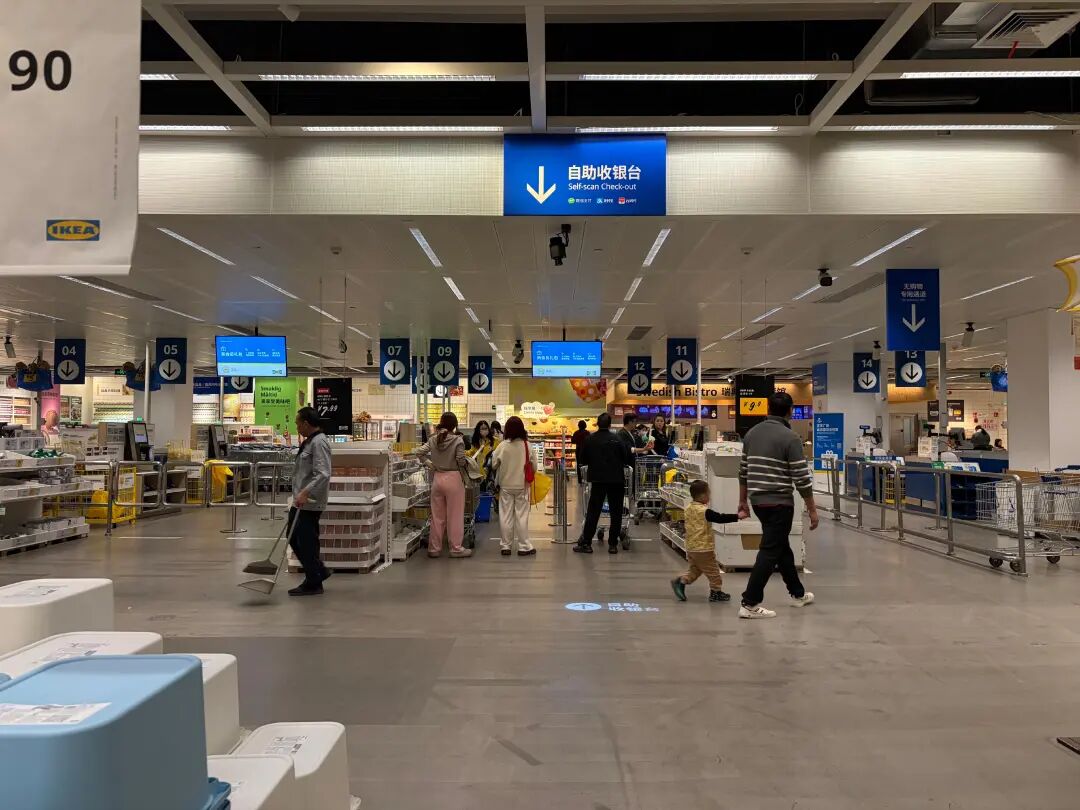
Core Viewpoint - IKEA China is undergoing a significant transformation by closing seven large stores and shifting focus towards smaller store formats and enhanced online presence, aiming for a more efficient and consumer-centric approach [1][2][12]. Group 1: Store Closures and New Formats - IKEA China announced the closure of seven large stores in cities including Shanghai, Guangzhou, and Tianjin, marking the largest scale of closures to date [1][3]. - The closed stores include locations in Shanghai, Guangzhou, Tianjin, Nantong, Xuzhou, Ningbo, and Harbin, with some cities losing their only IKEA store [3]. - The company plans to open over ten small stores in Beijing and Shenzhen within the next two years, starting with new locations in Dongguan and Tongzhou [4][5]. Group 2: Shift in Business Strategy - The strategy is described as a shift from large-scale expansion to precise cultivation, focusing on smaller, community-oriented stores and enhancing online capabilities [5][12]. - IKEA's design order centers, which are smaller than traditional stores, are part of this new approach, providing a more personalized shopping experience [5][6]. - The company aims to improve efficiency and resource allocation by closing underperforming stores and investing in more consumer-friendly channels [3][12]. Group 3: Market Context and Performance - The retail environment in China is undergoing significant changes, with a reported decline in real estate investment and consumer spending impacting the home goods sector [12][13]. - IKEA's sales growth has slowed, with a drop from 120.7 billion yuan to 111.5 billion yuan in the last fiscal year, reflecting broader trends in the retail industry [12][13]. - The company has recognized a shift in consumer preferences towards high-quality, personalized products, necessitating a reevaluation of its market strategy [12][14]. Group 4: Online and Pricing Strategies - IKEA has expanded its online presence by entering platforms like JD.com, following its earlier launch on Tmall, indicating a commitment to digital growth [10]. - The company has initiated a pricing strategy that includes lowering prices on over 300 products and investing 1.6 billion yuan to introduce more affordable options [11][12]. - This pricing strategy aims to meet the growing consumer demand for high-value, personalized products while enhancing the overall shopping experience [11][12].
宜家“关闭7家中国线下店”:并非无法经营,而是主动转型
3 6 Ke· 2026-01-09 02:49
Core Viewpoint - IKEA China announced the closure of seven offline stores starting February 2, 2026, as part of a proactive transformation strategy aimed at building resilience and future growth in response to declining customer traffic and increased competition in the home retail market [1][5]. Group 1: Store Closures and Customer Traffic - IKEA China will stop operating seven stores, including locations in Shanghai and Guangzhou, as part of its strategic adjustments [1]. - Customers have reported a significant decline in foot traffic, with one employee noting a drop of over 50% compared to peak periods since 2020 [4]. - The Guangzhou Panyu store temporarily suspended operations on January 7, 2023, due to channel layout adjustments, indicating a sudden shift in operational strategy [2]. Group 2: Sales Performance and Market Challenges - For the fiscal year 2025, IKEA's sales are projected to be €39 billion, a decrease of 1.6% from the previous year, highlighting a challenging retail environment [5]. - The Chinese furniture industry is also facing difficulties, with a reported 9.1% decline in revenue for major enterprises from January to November 2025 [5][7]. - The competitive landscape has intensified, with local brands offering lower-priced alternatives that challenge IKEA's market position [7]. Group 3: Strategic Shift to Omnichannel Retail - IKEA China is transitioning to an omnichannel retail model, maintaining 34 offline customer touchpoints and enhancing its online presence [8]. - The company plans to open over ten small-format stores in key markets like Beijing and Shenzhen within the next two years, aiming to better connect with consumers [8][9]. - IKEA is also deepening partnerships with platforms like JD.com to launch instant retail services in seven cities, catering to consumer demand for convenience [8][9].
宜家回应“关闭7家中国线下店”:并非无法经营,而是主动转型
经济观察报· 2026-01-08 11:45
Core Viewpoint - IKEA China is undergoing a proactive transformation to enhance long-term resilience and future growth, which includes the closure of seven offline stores starting February 2, 2026, but does not imply that these stores cannot continue operating [1][2]. Group 1: Store Adjustments and Consumer Behavior - IKEA China announced the closure of seven stores, including locations in Shanghai and Guangzhou, as part of its strategic adjustments [2]. - Consumers have reported a noticeable decline in foot traffic at IKEA stores, with one employee stating that customer numbers have decreased by over 50% compared to peak times [5]. - A shopper noted that the store's business has been average, with fewer customers on weekdays and slightly busier weekends, indicating a shift in shopping habits [4]. Group 2: Sales Performance and Market Challenges - For the fiscal year 2025, IKEA's retail sales are projected to be €39 billion, a decrease of 1.6% from the previous year, despite a 1.3% increase in store visitors and a 4.6% increase in online visitors [10]. - In China, IKEA reported a 4% growth in both online and offline visitor numbers, with online sales increasing by 2% [10]. - The overall furniture industry in China is facing challenges, with a reported 9.1% decline in revenue for major enterprises and a 22.7% drop in total profits for the first 11 months of 2025 [10]. Group 3: Competitive Landscape - The furniture market is becoming increasingly competitive, with local brands offering similar products at lower prices, making it difficult for IKEA to maintain its market position [11]. - A furniture industry insider highlighted that IKEA's prices, when including logistics and installation, are approximately 40% to 50% higher than local brands, which affects its competitiveness [11]. Group 4: Strategic Shift to Omnichannel Retail - IKEA China is transitioning to an omnichannel retail model, maintaining 34 offline customer touchpoints and enhancing its online presence through digital channels and partnerships [14][15]. - The company plans to open over ten small-format stores in key markets like Beijing and Shenzhen within the next two years, aiming to provide a more community-focused shopping experience [14]. - IKEA is also enhancing its logistics and operational efficiency through automation and digital technology, aiming to create a meaningful price-performance ratio by localizing products inspired by Chinese culture [15].

宜家回应“关闭7家中国线下店 ” :并非无法经营,而是主动转型
Jing Ji Guan Cha Wang· 2026-01-08 10:39
Core Insights - IKEA China announced the closure of seven physical stores starting February 2, 2026, as part of a strategic shift towards resilience and future growth [1][8] - The company reported a significant decline in customer traffic, with some stores experiencing over a 50% drop compared to peak periods [2][3] - Despite the challenges, IKEA's online sales and visitor numbers have shown growth, indicating a shift in consumer purchasing behavior [5][8] Company Adjustments - IKEA China is transitioning to a multi-channel retail model, emphasizing the importance of both large and small stores, as well as online platforms [8][9] - The company plans to open over ten small stores in key markets like Beijing and Shenzhen within the next two years, alongside enhancing its online presence [8][9] - IKEA aims to improve logistics and operational efficiency through automation and digital technology [9] Market Conditions - The overall furniture industry in China is facing challenges, with a reported 9.1% decline in revenue for major enterprises in 2025 [6] - Increased competition from local brands has led to a significant price reduction in furniture, making it difficult for IKEA to maintain its market position [7] - The furniture market is becoming increasingly saturated, with a noted 11.38% decrease in market area for building materials and home furnishings [6]