全球南方国家合作

Search documents
国际政要学者声援委内瑞拉
Xin Lang Cai Jing· 2026-01-10 03:00
Core Viewpoint - Multiple international leaders and scholars have condemned the U.S. military actions against Venezuela, highlighting violations of international law and the detrimental impact on regional stability and development [1]. Group 1: International Reactions - Cuban Foreign Minister Rodriguez criticized U.S. President Trump's rhetoric on military force, likening it to the darkest times of war and plunder [1]. - Jeffrey Sachs, a professor at Columbia University, stated that U.S. sanctions and military threats against Venezuela violate the UN Charter and undermine global order [1]. - Eduardo Ziri-Apanco from Mexico's Metropolitan Autonomous University argued that U.S. sanctions have failed to promote development in Latin America, while military actions worsen the economic situation [1]. Group 2: Alternative Approaches - Ziri-Apanco emphasized that China's cooperation with Venezuela in energy and infrastructure has expanded development opportunities, contrasting with U.S. policies [1]. - Konstantinos Grivas, a professor at the Greek Military Academy, warned that U.S. military actions violate international law and could accelerate the fragmentation of international order, urging Latin American countries to unite against U.S. hegemony [1].
海合会国家积极拥抱“一带一路”(环球热点)
Ren Min Ri Bao Hai Wai Ban· 2025-11-18 23:05
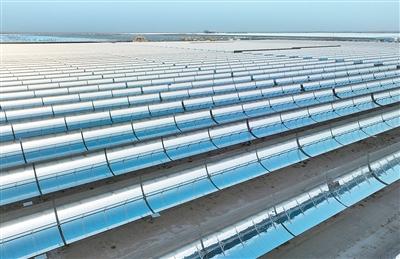
Core Insights - The trade volume between six Gulf countries (UAE, Saudi Arabia, Qatar, Kuwait, Oman, and Bahrain) and China is projected to reach $257 billion in 2024, surpassing the combined trade with the US, UK, and Eurozone, which is estimated at $256 billion. By 2028, this trade volume is expected to grow to $375 billion [4][5][6]. Group 1: Trade and Economic Cooperation - The cooperation between China and Gulf countries has expanded from a focus on energy to include technology, infrastructure, green energy, and aerospace [5][6]. - The implementation of visa-free policies for Gulf countries has facilitated increased personnel exchanges and multi-sector cooperation [5][6]. - The trade volume between China and Gulf countries continues to grow, becoming a significant pillar of cooperation [6][7]. Group 2: Areas of Collaboration - Energy cooperation has shown significant results, with advancements in clean energy technologies such as hydrogen, storage, wind, and solar power [6][7]. - Investment cooperation is on the rise, with Gulf countries increasing their investments in China, showcasing the resilience and potential of their partnership [6][7]. - Innovation cooperation is leading the way in emerging fields like artificial intelligence, 5G, and big data, establishing benchmark cases for multi-sector collaboration [6][7]. Group 3: Strategic Initiatives - All six Gulf countries have signed cooperation documents for the Belt and Road Initiative, with numerous projects underway, such as the Mohammed bin Rashid Al Maktoum Solar Park in the UAE, which has created nearly 50,000 jobs [8][9]. - The mutual benefits of the Belt and Road Initiative are highlighted by the complementary strengths of Gulf countries and China, aiming for economic development and strategic alignment [9][10]. - The cooperation framework has evolved to include multi-level mechanisms such as summits and ministerial meetings, enhancing stability and efficiency in collaboration [7][10]. Group 4: Cultural and Human Exchange - Cultural exchanges are deepening, with initiatives like the establishment of Confucius Institutes in Saudi Arabia and cultural centers in Kuwait, fostering mutual understanding [6][7]. - The cooperation between China and Gulf countries serves as a model for collaboration among countries with different political systems, providing valuable experience for global South cooperation [12][13].

上合组织是全球南方团结合作的重要平台
Ren Min Ri Bao· 2025-08-27 02:54
Group 1 - The Shanghai Cooperation Organization (SCO) emphasizes a cooperative model based on principles of consensus, respect for sovereignty, non-interference in internal affairs, and equality among member states, allowing for dialogue and cooperation to achieve development [2] - The upcoming 2025 SCO summit in Tianjin is expected to be the largest since the organization's inception, with Uzbekistan's constructive cooperation being a key factor in the organization's stability and development [2] - The SCO is becoming an important platform for global South countries to enhance strategic autonomy and achieve sustainable development, with the "SCO+" model providing opportunities for more developing countries through collaborative efforts in green economy, digitalization, technology, and education [2] Group 2 - China, as a significant member of the SCO, promotes equality, mutual respect, and win-win cooperation, actively implementing various concepts and initiatives within the SCO framework since assuming the rotating presidency for 2024-2025 [3] - China has successfully hosted events such as the SCO National Green Development Forum and the 42nd Meeting of the Council of Regional Anti-Terrorism Structures, and has established a logistics system connecting China and Uzbekistan, enhancing regional logistics and creating jobs [3] - The China-SCO local economic and trade cooperation demonstration zone has been initiated, and joint research in artificial intelligence and ecology has been established between Chinese universities and those in Kazakhstan and Uzbekistan, creating a sustainable intellectual platform [3] Group 3 - Uzbekistan continues to promote connectivity, sustainable development, youth exchange, and joint research within the SCO framework, with rapid growth in trade with China, which is Uzbekistan's largest trading partner and a key source of investment [4] - The China-Kyrgyzstan-Uzbekistan railway project is progressing steadily, expected to significantly enhance logistics connectivity among SCO countries and strengthen regional economic integration [4] - The implementation of cross-regional cooperation, trade expansion, and infrastructure and technology projects is solidifying the cooperative foundation of the SCO and injecting strong momentum for sustainable development [4] Group 4 - The former Secretary-General of the SCO highlights the organization's ability to maintain stability despite geopolitical tensions and expand cooperation into new areas such as digital transformation, green development, and innovation [5] - Future development of the SCO should focus on regional economic integration, trade facilitation, digitalization, and cooperation in green energy and climate initiatives, as well as the implementation of artificial intelligence and cybersecurity projects [5] - The SCO is expected to continue enhancing its global influence and contribute more solutions for international cooperation through these initiatives [5]
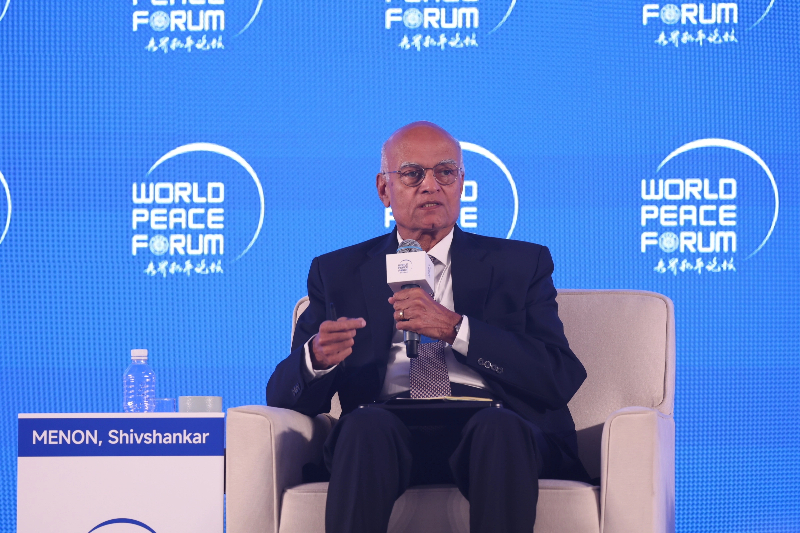
印度学者:全球南方应加强团结协作 共同应对全球治理挑战
人民网-国际频道 原创稿· 2025-07-05 08:11
Core Viewpoint - The Thirteenth World Peace Forum emphasizes the importance of cooperation among Global South countries to address global challenges and promote peace and development [1][3]. Group 1: Global South Cooperation - Former Indian National Security Advisor Shivshankar Menon highlighted that the Global South shares a common voice for peace and development, urging these nations to seize historical opportunities for enhanced collaboration [3]. - Menon noted that many Global South countries have experienced colonialism and imperialism, which fosters a shared desire for peace and development, providing a basis for unity among these nations [3]. - The economic contribution of Global South countries has become significant, accounting for over 40% of the global economy and contributing 80% to world economic growth, positioning them as key players in maintaining international peace and promoting global development [3]. Group 2: Global Governance and Multilateral Cooperation - Menon emphasized the critical role of Global South countries in shaping regional order and promoting multilateral cooperation, particularly in the context of their increasing importance in the world economy [3]. - He called for Global South nations to adjust their roles and strengthen collaboration to further diversify the global economy, seizing the current historical moment [3]. - The Thirteenth World Peace Forum, which aims to enhance international security dialogue and mutual understanding, featured over 1,200 participants from 86 countries, indicating a broad commitment to these discussions [4].
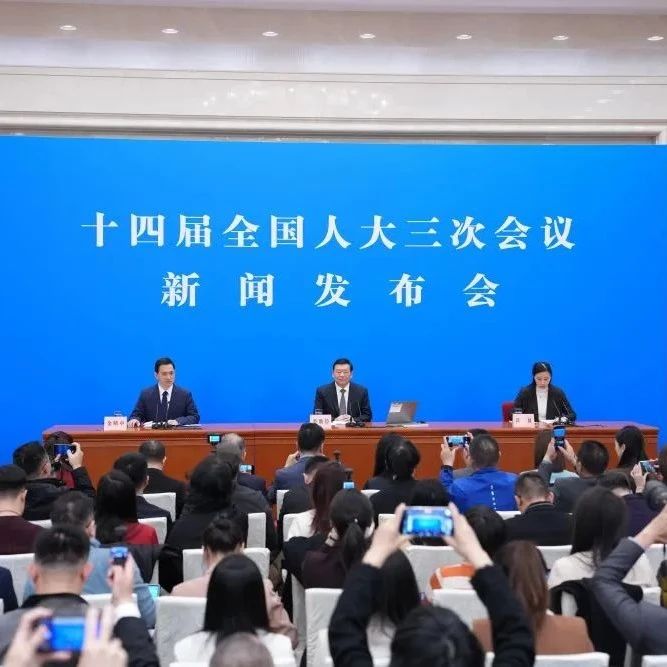
谈DeepSeek、民营经济、立法工作……这场新闻发布会,干货满满!
券商中国· 2025-03-04 07:42
Group 1: National People's Congress (NPC) Meeting - The 14th NPC's third session will last for 7 days, starting on March 5 and concluding on March 11, with a total of 7 agenda items including the review of the government work report [2] - The NPC aims to enhance the People's Congress system to support the modernization of China, focusing on legislative and supervisory roles, and maintaining close ties with the public [3] Group 2: Legislative Achievements - Since the last NPC session, 39 legal proposals were reviewed, with 24 passed, including 6 new laws and 14 amendments, reflecting progress in the legislative work [4] - Legislative outcomes are aimed at accelerating new productive forces, ensuring citizens' aspirations for a better life, and supporting high-level openness [4] Group 3: Economic Outlook - The Chinese economy showed a significant recovery with a GDP surpassing 130 trillion yuan, achieving a 5% growth, despite facing external challenges and domestic demand issues [10] - The government remains confident in the long-term positive trend of the economy, emphasizing its resilience and potential [10] Group 4: Private Economy Development - The draft Private Economy Promotion Law is under review, aiming to ensure equal legal protection for all forms of ownership and promote healthy development of the private sector [6] Group 5: International Relations - The essence of China-U.S. economic relations is mutual benefit, with trade volume increasing over 200 times since diplomatic relations were established [7] - China emphasizes the importance of stable and healthy China-Europe relations, highlighting mutual benefits and cooperation in various fields [11] Group 6: Defense Budget - China's defense budget has maintained a single-digit growth for nine consecutive years, with the defense expenditure as a percentage of GDP remaining below 1.5%, lower than the global average [14] Group 7: Regional Development - The Guangdong-Hong Kong-Macao Greater Bay Area has seen significant economic growth, with a total economic output exceeding 14 trillion yuan, and improved connectivity among the three regions [16] Group 8: Global South Cooperation - China has been a participant and leader in South-South cooperation, contributing significantly to global economic growth, and aims to strengthen legislative exchanges with other developing countries [17]