全球能源格局变化

Search documents
莫迪还没表态,普京不管他了,俄罗斯石油骨折价,全仓发给老朋友
Sou Hu Cai Jing· 2026-02-13 04:46
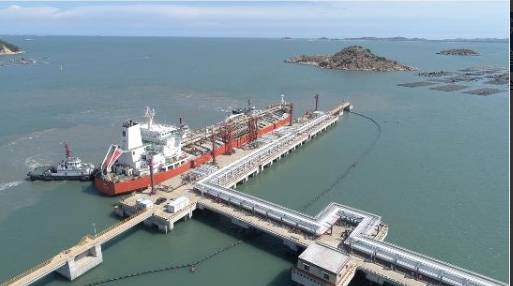
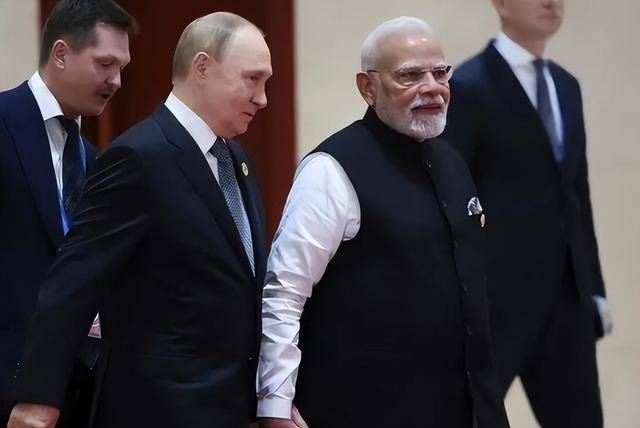
2026年初,全球能源市场的宁静被特朗普的一条推特打破了。这条看似简单的社交媒体信息,实则是一场胜利宣言,最终引发了令人意想不到的连锁反应, 彻底打乱了印度原本精心计算的能源策略,也让中俄的能源合作意外地愈加紧密。 事情的经过其实并不复杂。特朗普为了拉拢印度,孤立俄罗斯,采取了极限施压策略。他宣布通过关税作为手段,逼迫莫迪政府切断与俄罗斯的石油供应。 特朗普在推特上高调宣称历史性胜利,表示莫迪已经承诺放弃进口俄罗斯石油,作为交换,美国将原本计划加征的50%关税降至18%。这显然是典型的特朗 普式交易——先用重击打击,再给出一颗甜枣,希望能达成自己的目的。 然而,特朗普未曾预料到的是,他的极限施压不仅未能让俄罗斯屈服,反而让印度陷入了困境。普京没有给莫迪留下任何余地,既然印度的态度含糊不清, 俄罗斯便直接断供,拒绝继续提供石油,毫不拖泥带水。 在2025年,印度可是俄罗斯石油的大客户。那时,印度每天进口俄罗斯约200万桶原油,享受着俄罗斯石油的低价优惠,每年节省约40亿美元。这对于长期 面临财政赤字的印度来说,无疑是一笔巨大的节约。然而,特朗普并不允许印度在两者之间左右逢源,要么选择购买美国石油并签署5000亿 ...

俄原油遭遇“国际冷板凳”!中企紧急停购,陆上输油能否救场?
Sou Hu Cai Jing· 2025-10-27 05:11
Core Viewpoint - The recent sanctions imposed by the US and EU on major Russian oil companies have significantly impacted the global oil market, leading to a shift in oil trade dynamics between Russia and China, with a notable reliance on land pipelines for oil supply [1][4]. Group 1: Impact of Sanctions - The US and EU have intensified sanctions against Russia, specifically targeting major oil companies, which has caused a dramatic shift in the global oil market [1]. - The sanctions have led to a halt in oil purchases from Russian maritime channels by several large state-owned enterprises in China, increasing pressure on Russia's oil exports to China [1][4]. - Russian oil companies affected by the sanctions account for nearly half of Russia's total oil exports, limiting their trade activities and impacting the global supply chain [1]. Group 2: Trade Dynamics - Prior to the sanctions, Chinese state-owned enterprises were purchasing over 400,000 barrels of Russian maritime oil daily, representing about 40% of Russia's maritime oil exports to China [1]. - Despite the sanctions, Russia remained China's largest oil supplier in September, providing 8.287 million tons of oil, a month-on-month increase of 4.3%, indicating the resilience of land pipeline trade [1][4]. - The land pipeline has become a crucial element in maintaining oil trade between China and Russia, unaffected by the recent sanctions [1][4]. Group 3: Broader Market Reactions - The sanctions have triggered a chain reaction in the global oil market, with significant price increases observed in Shanghai and New York oil futures, as well as in Middle Eastern and West African oil prices [3]. - Market analysts believe that despite the price increases, the overall global oil market is experiencing an oversupply, which may limit sustained price hikes [3][4]. Group 4: Future Cooperation - China's Ministry of Foreign Affairs has reaffirmed that energy cooperation with Russia is legitimate and opposes unilateral sanctions lacking international legal basis, setting a positive tone for future collaboration [4]. - The changes in oil trade due to sanctions reflect a broader shift in the global energy landscape, with land pipelines and long-term cooperation agreements providing stability for both countries [4][6].
从工业巨人到技术“被卡”,俄罗斯连燃气轮机都搞不好,要从伊朗进口,工业自信何在?
Sou Hu Cai Jing· 2025-10-03 06:01
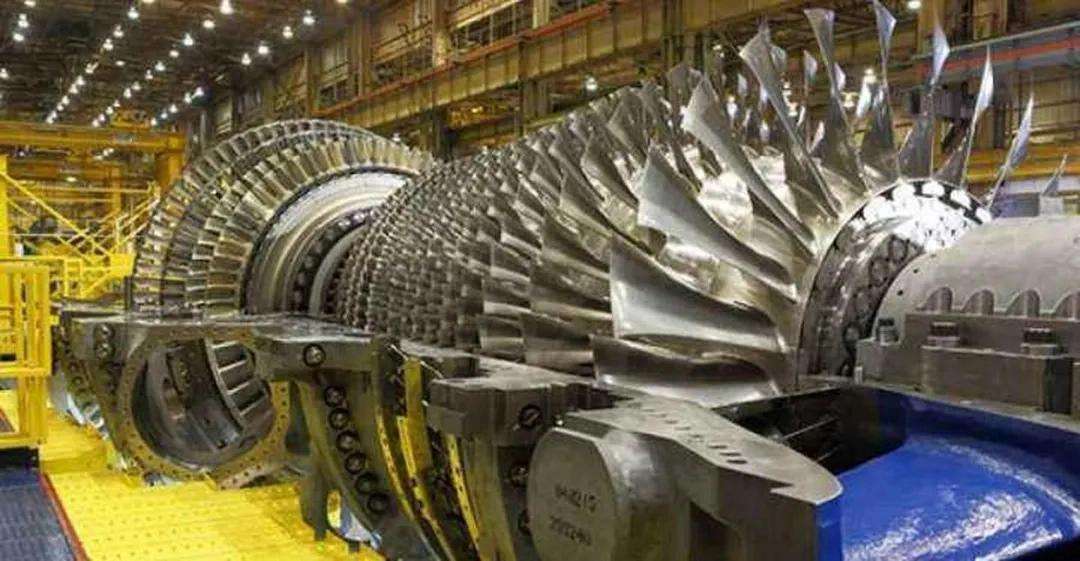
Core Insights - Iran's announcement to export MGT-75 gas turbines to Russia highlights the industrial crisis faced by Russia and the complex geopolitical situation [1][3] - The historical context reveals that Russia was once a leader in gas turbine technology but has faced significant setbacks since the dissolution of the Soviet Union [1] - The ongoing Ukraine conflict and subsequent Western sanctions have severely impacted Russia's gas turbine production capabilities, leading to reliance on foreign technology [3][5] Group 1: Russia's Industrial Challenges - Russia's dependency on Siemens and General Electric for gas turbine technology has been disrupted by sanctions, resulting in significant project delays and financial losses [3] - The lack of components has halted military projects, showcasing the extent of Russia's industrial stagnation [3][5] - The collaboration with Iran, while providing short-term relief, reflects a deeper issue of technological inadequacy within Russia's industrial framework [5][7] Group 2: Iran's Role and Limitations - Iran's MGT-75 gas turbine, despite claims of full domestic production, still relies on imported core components, indicating limitations in its technological capabilities [5] - Previous plans for Iran to export 40 turbines to Russia were thwarted by technical challenges and sanctions, highlighting the ongoing struggle in meeting large-scale demands [5] - The partnership between Iran and Russia is characterized as a temporary solution rather than a sustainable technological alliance [5][7] Group 3: China's Emerging Influence - China's GT-25000 gas turbine has evolved from Soviet designs into a leading global product, marking a significant advancement in its energy technology sector [5][7] - Russia's recent procurement of 20 GT-25000 turbines from China signifies a shift in technological reliance and acknowledges China's role as a key partner [5][7] - The rise of China in the gas turbine market is reshaping the global energy landscape, indicating a move towards a more diversified technological ecosystem [7]
谁还敢炸?北溪管道爆炸3年后,中俄终于签下大单!
Sou Hu Cai Jing· 2025-10-01 14:38
Core Insights - The signing of the "Power of Siberia 2" gas pipeline agreement between China and Russia is a significant development in the context of the energy landscape, especially following the unresolved mystery of the Nord Stream pipeline explosion three years ago [1][7][9] Group 1: Importance of Nord Stream Pipeline - The Nord Stream pipeline was crucial for Europe's energy supply, capable of delivering 55 billion cubic meters of gas annually, which accounted for half of Germany's gas consumption [1] - The planned Nord Stream 2, with a similar capacity, would have further transformed Europe's energy dynamics [1] Group 2: Impact of the Nord Stream Explosion - The explosion on September 26, 2022, resulted in a methane leak exceeding 500,000 tons, equivalent to the annual emissions of 11 million cars, marking it as one of the most severe greenhouse gas incidents in history [3][5] - The incident led to a dramatic surge in European gas prices, reaching ten times the levels of 2021, causing numerous energy companies to collapse and prompting a shift in manufacturing out of Europe [5] Group 3: Russia's Strategic Shift - In response to the unreliability of the European market, Russia is pivoting its energy exports towards Asia, with expectations that gas exports through the "Power of Siberia" pipeline will increase by nearly 50% by 2024 [6] - Russia's share of gas exports to Asia is projected to rise from 10% in 2022 to nearly 30% by 2024, alongside significant energy cooperation agreements with countries like Iran and Saudi Arabia [6] Group 4: China’s Energy Needs - The "Power of Siberia 2" pipeline is expected to deliver 50 billion cubic meters of gas annually to China, compensating for the market share lost from the Nord Stream incident [7] - China's natural gas imports are forecasted to reach 130 million tons by 2024, nearly tripling from 2015 levels, highlighting its rapid consumption growth [7] Group 5: Strategic Implications - The agreement between China and Russia signifies a deepening strategic partnership, with projected energy trade volumes reaching $320 billion by 2024 and potentially exceeding $400 billion in subsequent years [9] - The developments underscore the notion that energy issues are not merely economic but also pivotal in the context of geopolitical power dynamics, with both nations aiming to secure their energy futures independently of Western influence [9][10]
特朗普罕见后悔,美商务部长开出和解条件,印度最多硬气两个月?
Sou Hu Cai Jing· 2025-09-07 15:22
Group 1 - The core issue revolves around the U.S. imposing a 50% tariff on Indian imports of Russian oil, which has significantly increased since the Ukraine conflict, leading to tensions between the U.S. and India [3][6] - Trump's initial post suggested regret over losing India to China and Russia, indicating a shift in U.S. foreign policy perception [2][9] - The U.S. continues to apply pressure on India, with expectations that India will eventually negotiate and concede to U.S. demands, despite India's firm stance on maintaining its energy needs and trade partnerships [4][6] Group 2 - The geopolitical landscape is shifting, with India strengthening ties with Russia for energy security, which poses a challenge to U.S. influence in the region [6][7] - The ongoing trade dispute highlights the complexities of major power dynamics, as India seeks to balance its relationships with both the U.S. and Russia [9][10] - The potential for a tighter alliance between China, Russia, and India could emerge if the U.S. continues its hardline approach, which may have broader implications for global trade [10]
美没想到,连老天都在帮中方,中企官宣的新项目,成压垮美最后一根稻草
Sou Hu Cai Jing· 2025-08-23 10:50
Group 1 - The article discusses the ongoing energy conflict between the US and China, highlighting China's strategic moves to counter US tariffs aimed at limiting Sino-Russian oil trade [1] - China's "Red Star" gas field has emerged as a significant development in shale gas, with a production capacity of 165 billion cubic meters, marking a breakthrough in deep shale gas exploration [2][4] - The successful development of the "Red Star" gas field is attributed to advanced technologies, including millimeter-scale seismic imaging, ultra-deep horizontal drilling, and innovative fracturing fluids, which have tripled the output per well [4][6] Group 2 - China has significantly increased its imports of Russian oil, with daily imports rising from 40,000 barrels to 75,000 barrels, facilitated by the East Siberia-Pacific Ocean pipeline and maritime routes [8] - The shift to using the Chinese yuan for 87% of oil transactions has reduced exchange losses for Russian banks and strengthened Sino-Russian energy cooperation [8][9] - The US shale oil industry is facing severe challenges, with a projected 70% drop in crude oil exports to China by mid-2025, leading to potential bankruptcies among shale oil companies [10] Group 3 - The US's unilateral sanctions have led to discontent among allies, with countries like Germany and France refusing to comply, and India continuing to purchase Russian oil despite high tariffs [11] - China holds a dominant position in global rare earth processing, controlling 90% of the capacity, and has reduced military rare earth export quotas by 30% in response to US sanctions [12] - China is enhancing its energy security through initiatives like converting 120 million tons of coal into aviation fuel and maintaining strategic oil reserves sufficient for 90 days of national consumption [12]
俄罗斯石油转向:印度退缩,中国加码
Sou Hu Cai Jing· 2025-08-09 19:37
Group 1 - India, once a major buyer of Russian oil, is now reducing its purchases due to its reliance on the US market and diminishing discounts from Russia [1][2] - The discount on Russian oil for India has decreased from $14-16 per barrel at the onset of the Russia-Ukraine conflict to $2.5-4 per barrel, significantly impacting profit margins for Indian refineries [1] - Western price cap policies on Russian oil have forced India to seek alternative sources of oil supply [1] Group 2 - For China, the situation presents a favorable opportunity as the average price of Russian oil imports in the first half of 2025 is projected to be $10 lower per barrel than international market prices [2] - The energy cooperation between China and Russia is evolving beyond simple transactions, with increasing use of the yuan in energy trade, which undermines the dominance of the US dollar [2] - Russia is adjusting transportation routes to ensure stable oil supply to China, and both countries are exploring pilot projects for digital currency payments, enhancing future energy cooperation [2]