全球能源治理体系

Search documents
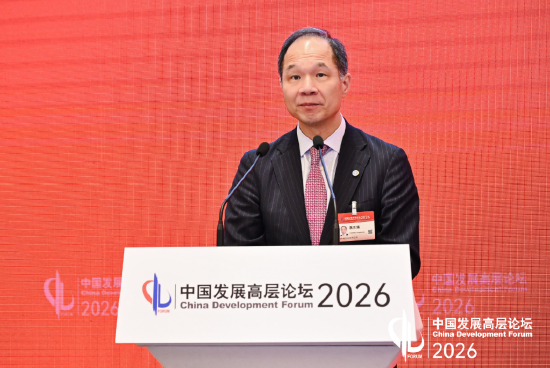
中电控股蒋东强:因地制宜推动可再生能源发展是跨国绿色合作的关键路径
Xin Lang Cai Jing· 2026-03-23 06:29
Core Viewpoint - The China Development Forum 2026 emphasizes high-quality development and co-creation opportunities, with a focus on renewable energy and international cooperation in the energy sector [1][4]. Group 1: Nuclear Energy and Renewable Development - Nuclear energy is highlighted as a stable zero-carbon power source, crucial for national security, energy security, and achieving carbon reduction goals [3][6]. - Promoting renewable energy development tailored to local conditions is identified as a key path for multinational green cooperation [3][6]. Group 2: International Cooperation Suggestions - The first suggestion is to deepen "Belt and Road" green energy cooperation to expand international collaboration. The initiative provides a broad platform for energy companies, with a focus on Southeast Asia for clean energy cooperation [3][6]. - The second suggestion involves leveraging Hong Kong's advantages as a "super connector" and "super value creator" to establish an international green finance and innovation hub, utilizing its legal and financial systems to enhance project management and attract competitive resources from the mainland [3][6]. Group 3: Open and Collaborative Approach - The third suggestion emphasizes the importance of mutual benefit and open collaboration, advocating for a fair, inclusive, and resilient global energy governance system to achieve common security and sustainable development in the face of geopolitical uncertainties [4][7].


不止抢总统!委内瑞拉被美军控制后,全球石油秩序再遭冲击
Sou Hu Cai Jing· 2026-01-13 04:40
Core Insights - The U.S. military's sudden attack on Venezuela in January 2026 aims to seize control of the country's vast oil reserves, which are the largest in the world, representing 17% of global oil reserves [1][6]. - Despite the geopolitical conflict, oil prices have not surged as expected due to a global oversupply and market expectations of increased production from Venezuela [15][17]. Group 1: U.S. Interests in Venezuelan Oil - The U.S. has long coveted Venezuela's oil resources due to their complementarity with U.S. light crude production, as Venezuela primarily produces heavy crude, which is more versatile for refining [8][10]. - Venezuela's proven oil reserves are approximately 303 billion barrels, significantly surpassing the U.S. reserves of 81 billion barrels, making control over Venezuela's oil a strategic advantage for the U.S. [6][11]. Group 2: Oil Price Dynamics - Historically, geopolitical conflicts in major oil-producing countries lead to price spikes; however, the current market context shows an oversupply, with Brent crude prices hovering around $60 per barrel [15][17]. - The expectation of increased Venezuelan oil production, once stability is restored, contributes to a bearish outlook on oil prices, with predictions of a further decline of about $10 per barrel in 2026 [18][20]. Group 3: Changes in Global Oil Order - The U.S. control over Venezuela could reshape global oil trade flows, with a potential shift in export focus towards the U.S. refining industry, impacting Asian and European countries reliant on Venezuelan heavy crude [24][26]. - The geopolitical landscape may lead to a more fragmented energy supply chain, where countries prioritize energy security over cost efficiency, complicating global energy trade [26][31]. Group 4: Implications for Energy Governance - The U.S. aims to weaken OPEC's influence by controlling Venezuelan oil production, thereby enhancing its own leverage in global energy markets [28][30]. - This situation serves as a warning for countries to diversify their energy sources and invest in clean energy technologies to mitigate reliance on fossil fuels [31].

构建全方位合作新格局 擘画能源治理新图景 ——习近平主席贺信为全球能源市场注入更多确定性
Zhong Guo Dian Li Bao· 2025-11-26 06:02
Core Points - Xi Jinping's congratulatory letter emphasizes the positive role of China-Russia energy cooperation in promoting economic and social development, enhancing the well-being of both nations, and providing important guidance for practical cooperation between enterprises [1][2] - The letter aims to establish a new comprehensive energy cooperation framework between China and Russia, injecting more certainty into the global energy market [1][2] Group 1: Energy Cooperation - The China-Russia Energy Business Forum, initiated by the two heads of state, has received significant attention and guidance from both leaders [2] - The deepening of energy cooperation between China and Russia not only benefits both countries but also provides critical stability and certainty to the global energy market [2][3] - A multi-level communication mechanism has been established to facilitate discussions on various energy cooperation topics, laying a solid foundation for collaboration in oil, gas, nuclear energy, and renewable energy [2][3] Group 2: Global Energy Governance - Xi Jinping's letter points to the need for a fair, just, and balanced global energy governance system, with China as an active advocate and practitioner [3] - The letter reinforces the commitment of the electricity sector to green development, highlighting China's role in providing clean energy products and services to over 200 countries and regions [3] - The establishment of a self-controlled trading and pricing platform is suggested to enhance the credibility of energy trade between China and Russia, offering diverse and inclusive pathways for global energy cooperation [3][4]
媒体报道︱习近平主席贺信为全球能源市场注入更多确定性
国家能源局· 2025-11-26 00:40
Core Viewpoint - The congratulatory letter from President Xi Jinping to the 7th China-Russia Energy Business Forum emphasizes the importance of China-Russia energy cooperation in promoting economic and social development, providing guidance for practical cooperation, and injecting certainty into the global energy market [3][4]. Group 1: China-Russia Energy Cooperation - The letter highlights the early start and solid foundation of China-Russia energy cooperation, which serves as a model for mutual benefit [4]. - Both countries have established a comprehensive, multi-level, and normalized communication mechanism to support energy cooperation across various sectors, including oil, gas, nuclear energy, and renewable energy [4]. - The deepening of energy cooperation is expected to benefit not only China and Russia but also contribute to global energy market stability and security [3][4]. Group 2: Global Energy Governance - Xi Jinping's letter calls for the establishment of a fair, just, and balanced global energy governance system, positioning China as an active advocate and practitioner [5][6]. - The letter encourages the enhancement of global energy supply chain resilience through international cooperation and joint scientific research [4][5]. - The emphasis on building a more equitable global energy governance framework aims to create a reliable trading and pricing platform, enhancing the credibility of energy trade between China and Russia [5][6]. Group 3: Renewable Energy and Emission Reduction - China has developed the world's largest and fastest-growing renewable energy system, significantly contributing to global carbon emission reductions, with wind and solar exports helping to cut emissions by approximately 2.65 billion tons in the past year [5]. - The commitment to green development in the electricity sector is reinforced by Xi's call for stability in global energy security and low-carbon transition [5].

习近平主席贺信为全球能源市场注入更多确定性
Xin Hua She· 2025-11-25 23:59
Group 1 - The core message of President Xi Jinping's congratulatory letter emphasizes the importance of Sino-Russian energy cooperation in promoting economic and social development for both countries, providing guidance for practical cooperation, and injecting more certainty into the global energy market [1][2][4] - The establishment of a comprehensive and multi-layered communication mechanism between China and Russia has laid a solid foundation for cooperation in various fields such as oil and gas, nuclear energy, and renewable energy [2][3] - China's leadership in renewable energy, being the fastest-growing and largest system globally, positions it as a key player in stabilizing the global energy market amidst ongoing changes [2][3] Group 2 - The letter highlights the need for a fair, just, and balanced global energy governance system, with China actively advocating and practicing this approach [3][4] - The collaboration between China and Russia is seen as a model of mutually beneficial cooperation, with both countries committed to enhancing energy security and governance [2][4] - The emphasis on building a more equitable global energy pricing system aims to provide a reliable reference for energy trade and cooperation among nations [3]
构建全方位合作新格局 擘画能源治理新图景——习近平主席贺信为全球能源市场注入更多确定性
Xin Hua She· 2025-11-25 15:41
Group 1 - The core message of President Xi Jinping's congratulatory letter emphasizes the importance of Sino-Russian energy cooperation in promoting economic and social development, providing guidance for practical cooperation between enterprises, and injecting more certainty into the global energy market [1][2][4] - The Sino-Russian Energy Business Forum, initiated by the two heads of state, has received significant attention and guidance from them, highlighting the importance of bilateral energy cooperation [1][2] - The deepening of Sino-Russian energy cooperation is seen as beneficial not only for both countries but also for stabilizing the turbulent global energy market and enhancing global energy governance [2][3] Group 2 - China has established the world's largest and fastest-growing renewable energy system, and it is one of the countries with the fastest reduction in energy consumption intensity [2] - The establishment of a fair, just, and balanced global energy governance system is a key focus, with China actively advocating and practicing this principle [3][4] - The letter underscores the need for a more equitable global energy governance system, which aligns with the consensus for cooperation between China and Russia [3]
构建全方位合作新格局 擘画能源治理新图景
Xin Hua She· 2025-11-25 15:31
Core Insights - The congratulatory letter from President Xi Jinping to the 7th China-Russia Energy Business Forum emphasizes the importance of Sino-Russian energy cooperation in promoting economic and social development, providing guidance for practical cooperation between enterprises, and injecting more certainty into the global energy market [1][2]. Group 1: Sino-Russian Energy Cooperation - The letter highlights the positive role of Sino-Russian energy cooperation in enhancing the welfare of both nations and the global community, indicating a commitment to a comprehensive energy partnership [1][2]. - The forum, initiated by the two heads of state, has received continuous attention and guidance from them, reflecting the high-level support for bilateral energy cooperation [1][2]. Group 2: Global Energy Governance - The letter calls for the establishment of a fair, just, and balanced global energy governance system, with China positioned as an active advocate and practitioner [3][4]. - The emphasis on stability in global energy security and green low-carbon transition aligns with the commitment of the electricity sector to sustainable development [3]. Group 3: Future Directions - The Chinese government aims to deepen practical energy cooperation with key countries, including Russia, to ensure energy security under open conditions and promote a more equitable global energy governance system [4]. - The collaboration between China and Russia is expected to enhance the resilience of the global energy supply chain and contribute to the stability of the global energy market [2][3].
习近平向第七届中俄能源商务论坛致贺信
中国能源报· 2025-11-25 06:05
Core Points - The seventh China-Russia Energy Business Forum was held in Beijing on November 25, with President Xi Jinping sending a congratulatory letter emphasizing the early start and solid foundation of China-Russia energy cooperation, which serves as a model for mutual benefit and has positively impacted the economic and social development of both countries [1] - Xi highlighted China's willingness to work with Russia to strengthen their comprehensive energy partnership, maintain stability in the global energy supply chain, and promote a fair and balanced global energy governance system, contributing to global energy security and green low-carbon transition [1] - Russian President Vladimir Putin also sent a congratulatory letter to the forum on the same day, indicating the importance of the event in fostering bilateral energy relations [1]

习近平向第七届中俄能源商务论坛致贺信
国家能源局· 2025-11-25 03:03
Core Viewpoint - The seventh China-Russia Energy Business Forum highlighted the strong foundation and early start of energy cooperation between China and Russia, emphasizing its role in mutual economic and social development [2][3]. Group 1: Energy Cooperation - The energy cooperation between China and Russia is presented as a model of mutual benefit, contributing positively to the development of both nations and the well-being of their peoples [2]. - China expresses willingness to work with Russia to strengthen their comprehensive energy partnership, ensuring stability in the global energy supply chain [2]. - The forum aims to promote a fair and balanced global energy governance system, enhancing global energy security and supporting green and low-carbon transitions [2].

媒体报道丨以能源视角看全球治理“中国担当”
国家能源局· 2025-09-05 07:05
Core Viewpoint - The article emphasizes China's commitment to global energy cooperation and sustainable development, highlighting the establishment of new energy cooperation platforms and projects aimed at enhancing energy security and promoting renewable energy across the Shanghai Cooperation Organization (SCO) member states [4][6][10]. Group 1: Global Governance Initiatives - President Xi Jinping proposed a global governance initiative at the SCO meeting, focusing on sovereignty, international law, multilateralism, and sustainable development [4]. - The initiative aims to address the challenges posed by unilateralism and protectionism, reinforcing China's role as a responsible developing nation in global energy transition [4][6]. Group 2: Energy Cooperation Platforms - China announced the establishment of three cooperation platforms focusing on energy, green industry, and digital economy within the SCO framework [6]. - Over the next five years, China plans to implement new projects for "10 million kilowatts of solar" and "10 million kilowatts of wind" energy, enhancing international collaboration [6][7]. Group 3: Renewable Energy Achievements - By the end of 2024, China's renewable energy installed capacity is projected to reach 1.889 billion kilowatts, accounting for 56.4% of its total power generation capacity and approximately 41% of the global total [6]. - In the past decade, China's wind and solar installed capacity has increased nearly 12 times, with average costs for wind and solar power generation decreasing by over 60% and 80%, respectively [6][7]. Group 4: Project Implementation and Impact - Since July 2024, Chinese enterprises have signed over 160 projects in the SCO countries related to electricity and renewable energy, with significant investments in oil, gas, and coal projects [7]. - Notable projects include the Tamaksy Hydropower Station in Nepal and the Akmolinsk Wind Farm in Kazakhstan, which have significantly improved local energy supply and sustainability [10][11]. Group 5: Future Cooperation and Development - The article highlights the potential for further cooperation in renewable energy among SCO member states, leveraging their rich natural resources and China's advanced technology [13]. - The SCO's commitment to sustainable energy development aligns with the UN's 2030 Agenda, emphasizing the need for collaborative projects and technological innovation in the energy sector [15][16].