石油美元霸权

Search documents
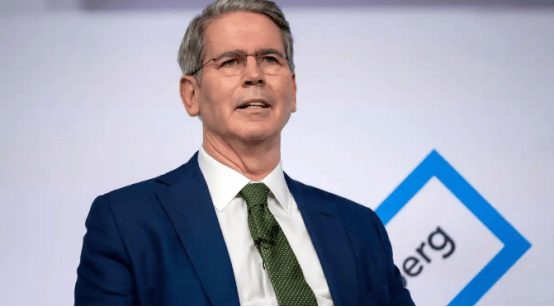
达利欧警告:美国若在霍尔木兹海峡遭遇失利,其帝国霸权或将终结
财富FORTUNE· 2026-03-23 13:04
Core Viewpoint - Ray Dalio warns that the conflict between the US, Israel, and Iran will escalate into a decisive confrontation over the Strait of Hormuz, which will have implications beyond oil price fluctuations and could determine the future of the US-led global order [1][2]. Summary by Sections Control of the Strait of Hormuz - Dalio emphasizes that approximately one-fifth of the world's oil supply passes through the Strait of Hormuz, making control over this passage critical [1]. - He draws a parallel between a potential US defeat in this region and the humiliation faced by the UK during the 1956 Suez Crisis, marking a significant shift in global power dynamics [1][2]. Financial Implications - Dalio highlights that the US, as a hegemonic power with a global reserve currency, is currently in a state of "fiscal overreach." Losing control over the Strait could lead to a collapse of confidence among allies and creditors, a decline in the reserve currency status, and a potential sell-off of debt assets [2][3]. Diplomatic Stalemate - The situation in the Strait remains uncertain, with ongoing blockades and limited passage for vessels. The US administration has faced criticism for not securing military support from allies to ensure safe passage [2][3]. - Dalio notes that any diplomatic agreements to end the conflict are unlikely to be effective, as the motivations of the parties involved are asymmetrical, with Iran viewing the conflict as existential while the US sees it primarily in terms of oil prices and political implications [3][4]. Potential Outcomes - The US is attempting to rally allies for a multinational escort operation to secure the Strait, but responses have been lukewarm. Success in this endeavor could bolster confidence in US leadership, while failure could lead to significant repercussions for US hegemony, including disruptions in trade and capital markets [4][5]. - Dalio concludes that both sides recognize that the ultimate confrontation is yet to come, indicating a prolonged period of tension and uncertainty [5].

美伊冲突激化!金价怎么走?|国际
清华金融评论· 2026-03-04 10:22
Core Viewpoint - The article discusses the recent fluctuations in gold prices due to escalating geopolitical tensions in the Middle East, particularly following military actions involving the U.S. and Iran. Initially, gold was seen as a safe-haven asset, leading to a price surge, but concerns about prolonged disruptions in the Strait of Hormuz and potential inflationary pressures have caused a subsequent decline in prices. The long-term outlook for gold remains bullish despite short-term volatility [1][4][6]. Group 1: Recent Geopolitical Events - On February 28, the U.S. and Israel launched a preemptive military strike against Iran, which led to retaliatory actions from Iran, further escalating tensions in the region [2]. - The Strait of Hormuz, a critical route for oil exports, was declared off-limits to shipping by Iran, affecting approximately 20% of global oil transportation [2]. Group 2: Factors Influencing Gold Price Fluctuations - Following the military conflict, gold prices initially surged to a peak of $5,419 per ounce on March 2, driven by heightened risk aversion. However, by March 3, prices fell to around $5,260 due to market concerns about prolonged disruptions and inflationary impacts, which could delay U.S. interest rate cuts [4]. - The volatility in gold prices was also attributed to liquidity squeezes and technical corrections, as stock market declines prompted institutional selling of gold to cover margin calls [4]. - The nomination of hawkish candidates to the Federal Reserve has raised concerns about potential interest rate hikes, further pressuring gold prices as the dollar strengthened [5]. Group 3: Future Outlook for Gold Prices - In the short term (3-6 months), gold prices are expected to remain volatile, with support levels identified at $4,800 and $5,260-$5,300. A potential escalation of U.S.-Iran conflict could push prices above $5,600 [7]. - In the medium to long term (over 1 year), gold is anticipated to maintain a strong position due to ongoing monetary easing, a trend towards de-dollarization, and persistent geopolitical risks, with forecasts suggesting prices could reach $6,000 per ounce by 2026 [7]. - Key variables to monitor include developments in the Strait of Hormuz, central bank gold purchasing data, and changes in Federal Reserve interest rate expectations [8].

最后一步熄火了,美国油企拒绝去委内瑞拉,特朗普大失所望
Sou Hu Cai Jing· 2026-01-18 09:55
Group 1 - The U.S. government's plan to control Venezuela's oil resources has faced significant setbacks, with military actions failing to secure the necessary corporate investment [1][3] - Major oil companies, including ExxonMobil and Chevron, have expressed reluctance to invest in Venezuela due to concerns over the legal and business environment, despite the U.S. government's assurances [3][5] - Venezuela's oil production has drastically declined from a peak of 3.5 million barrels per day to under 1 million, representing only 1% of global oil supply, complicating the feasibility of the proposed $100 billion investment [5][7] Group 2 - The U.S. strategy aims to weaken OPEC+ influence and consolidate the dominance of the petrodollar, but it conflates geopolitical force with commercial viability, neglecting corporate investment return and risk concerns [7][9] - The U.S. Energy Secretary acknowledged that restoring Venezuela's oil production to 3 million barrels per day could take 8 to 12 years, contrasting sharply with the administration's optimistic projections [9][11] - The approach of bypassing the Venezuelan government for direct dealings with U.S. authorities has drawn criticism and highlighted the high uncertainty of the investment environment [9][11]
特朗普:美国进入紧急状态,美元石油再绑定?对伊开战板上钉钉?
Sou Hu Cai Jing· 2026-01-13 05:41
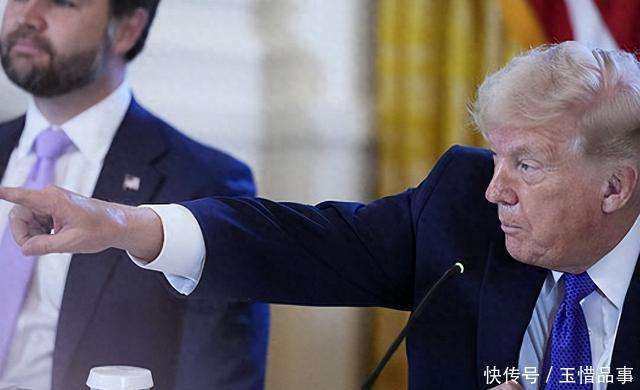
Group 1 - The core objective of the Trump administration's actions is to protect U.S. oil revenues from Venezuela and to establish a legal justification for resource acquisition, particularly in Greenland, which is rich in rare earth and oil resources [3][4] - The announcement of a national emergency by the Trump administration is aimed at safeguarding U.S. financial interests in Venezuela and facilitating further resource extraction [3][4] - The geopolitical landscape is shifting as countries like China are moving towards using the yuan for oil transactions, reducing reliance on the dollar, which poses a challenge to U.S. dollar hegemony [4][5] Group 2 - NATO is becoming increasingly concerned about the situation in Greenland, indicating a potential internal conflict among Western nations regarding U.S. ambitions [5] - The U.S. is facing significant fiscal challenges, including a large deficit and rising interest payments, which threaten its ability to maintain dollar dominance [5][9] - The Trump administration is considering military action against Iran, which has also moved away from dollar-denominated oil transactions, highlighting the urgency of restoring U.S. influence in the region [7][9] Group 3 - Israel is expected to play a crucial role in the potential conflict between the U.S. and Iran, as tensions escalate in the Middle East [9] - The overarching goal of these actions is to implement the "Mar-a-Lago Plan," which aims to re-establish the dollar's dominance in global trade, referred to as Bretton Woods 3.0 in financial circles [9]

不止抢总统!委内瑞拉被美军控制后,全球石油秩序再遭冲击
Sou Hu Cai Jing· 2026-01-13 04:40
Core Insights - The U.S. military's sudden attack on Venezuela in January 2026 aims to seize control of the country's vast oil reserves, which are the largest in the world, representing 17% of global oil reserves [1][6]. - Despite the geopolitical conflict, oil prices have not surged as expected due to a global oversupply and market expectations of increased production from Venezuela [15][17]. Group 1: U.S. Interests in Venezuelan Oil - The U.S. has long coveted Venezuela's oil resources due to their complementarity with U.S. light crude production, as Venezuela primarily produces heavy crude, which is more versatile for refining [8][10]. - Venezuela's proven oil reserves are approximately 303 billion barrels, significantly surpassing the U.S. reserves of 81 billion barrels, making control over Venezuela's oil a strategic advantage for the U.S. [6][11]. Group 2: Oil Price Dynamics - Historically, geopolitical conflicts in major oil-producing countries lead to price spikes; however, the current market context shows an oversupply, with Brent crude prices hovering around $60 per barrel [15][17]. - The expectation of increased Venezuelan oil production, once stability is restored, contributes to a bearish outlook on oil prices, with predictions of a further decline of about $10 per barrel in 2026 [18][20]. Group 3: Changes in Global Oil Order - The U.S. control over Venezuela could reshape global oil trade flows, with a potential shift in export focus towards the U.S. refining industry, impacting Asian and European countries reliant on Venezuelan heavy crude [24][26]. - The geopolitical landscape may lead to a more fragmented energy supply chain, where countries prioritize energy security over cost efficiency, complicating global energy trade [26][31]. Group 4: Implications for Energy Governance - The U.S. aims to weaken OPEC's influence by controlling Venezuelan oil production, thereby enhancing its own leverage in global energy markets [28][30]. - This situation serves as a warning for countries to diversify their energy sources and invest in clean energy technologies to mitigate reliance on fossil fuels [31].

特朗普抢5000万桶原油,想逼中国买单,可中国连一桶都不肯买了
Sou Hu Cai Jing· 2026-01-13 02:07
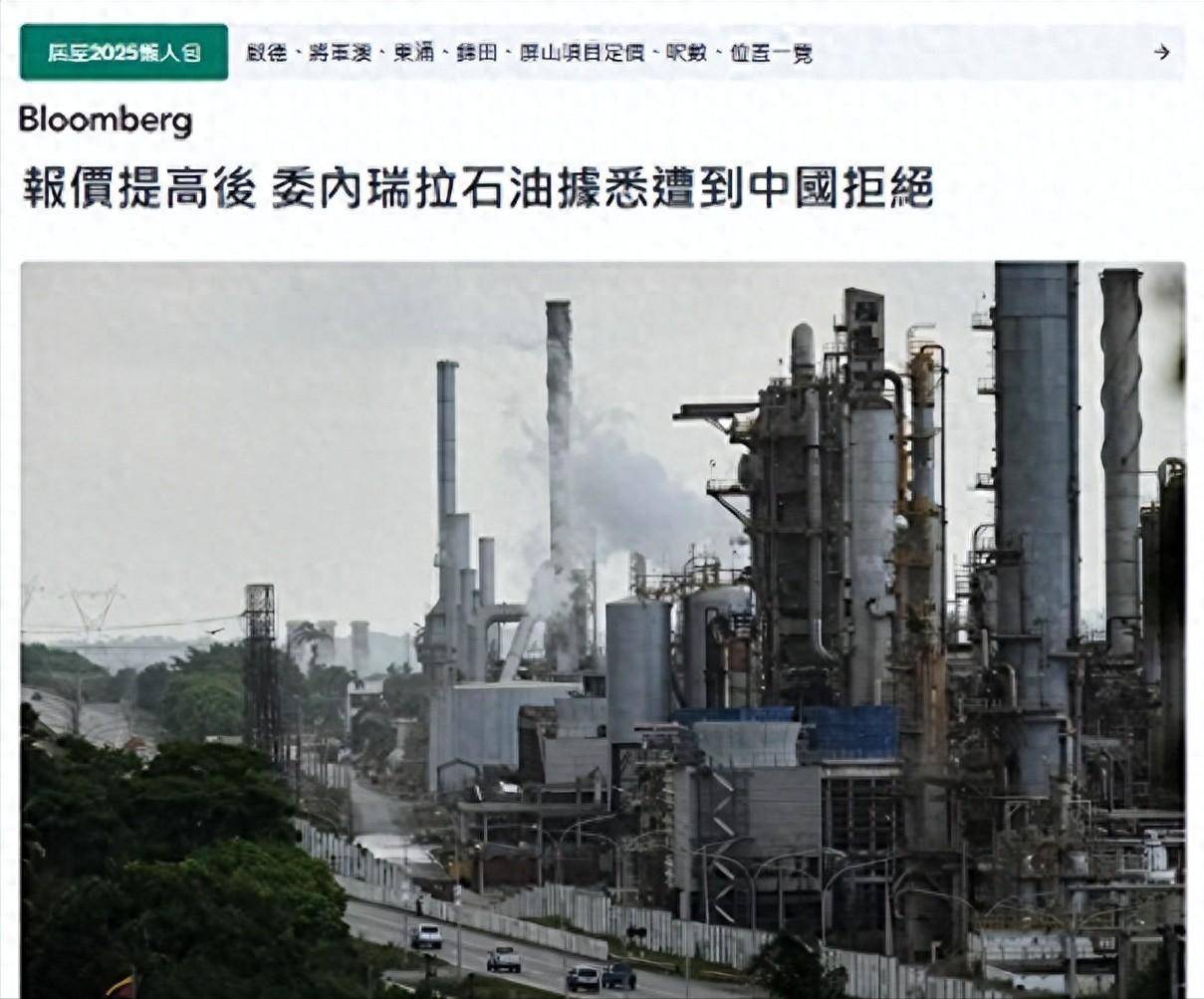
Core Viewpoint - The article discusses the failed attempt by the Trump administration to sell seized Venezuelan oil to China, highlighting China's strategic refusal based on market logic and its strong energy security. Group 1: U.S. Actions and Expectations - The Trump administration aimed to control Venezuelan oil resources, announcing possession of 50 million barrels to sell to China, the world's largest oil importer [1][4] - The U.S. believed that China's dependency on Venezuelan oil would force Chinese refiners to accept U.S. pricing rules [4] Group 2: China's Response - Chinese buyers canceled all orders for the seized oil, rejecting the U.S. offer entirely [7] - The price increase from $15 to $13 per barrel due to U.S. intervention was a critical factor in China's decision to refuse the oil [10] - China's refusal was based on a well-considered strategy, as they had ample oil reserves, with 82 million barrels waiting to be unloaded near Malaysia [12] Group 3: Energy Security and Strategy - By the end of 2025, China's strategic and commercial oil reserves are projected to reach 1.2 to 1.3 billion barrels, significantly exceeding the International Energy Agency's recommended safety line [16] - The establishment of a legal framework for strategic oil reserves and the construction of new storage facilities indicate China's long-term energy security strategy [17] - China's diversified oil import network includes major suppliers like Saudi Arabia, Iran, and Russia, making Venezuelan oil less critical [17][19] Group 4: Market Dynamics and Implications - The refusal to purchase Venezuelan oil reflects a shift in market dynamics, where buyers have the power to choose suppliers, undermining U.S. threats [19] - The decision to reject the oil may lead to short-term challenges for Chinese refineries but is seen as a necessary step towards upgrading and diversifying supply sources [21] - China's energy transition, with a significant increase in electric vehicle sales, indicates a structural decrease in oil dependency [23] Group 5: U.S. Consequences - The U.S. strategy backfired, leading to operational challenges in Venezuela, including a 25% reduction in oil production due to logistical issues [27] - The inability to sell the seized oil has become a symbol of the failure of U.S. geopolitical maneuvers, highlighting the limitations of using oil as a political tool [27][30] - China's strong stance against unilateral sanctions and bullying tactics reflects a broader shift in global power dynamics [28][30]
最新!突袭委内瑞拉后,特朗普放话:美国将控制全球55%的石油?
Sou Hu Cai Jing· 2026-01-11 05:47
Group 1 - Trump's statement about the U.S. controlling 55% of global oil is linked to recent military actions in Venezuela, where the U.S. aims to dominate oil resource development [3] - Current OPEC data shows that Venezuela holds 19% of the world's proven oil reserves, while the U.S. only holds 3%, making Trump's claim of 55% unrealistic [3] - The combined oil production of the U.S. and Venezuela is projected to be less than 15% of global production in 2025, further questioning the feasibility of Trump's assertion [3] Group 2 - The U.S. is interested in Venezuela's oil reserves due to its significant proven reserves, and aims to control these resources through military intervention [5] - The U.S. seeks to weaken OPEC+ by disrupting its influence on global oil prices through control of Venezuelan oil [5] - The U.S. aims to reinforce the dominance of the petrodollar by linking Venezuelan oil exports to the U.S. dollar amidst a global trend of de-dollarization [5] Group 3 - The global oil supply chain may become polarized, with the U.S. potentially linking oil distribution to compliance with its policies, affecting many countries' energy strategies [7] - A low oil price cycle may be on the horizon due to increased production from the U.S. and Middle Eastern countries, alongside a slowdown in global oil demand [7] - The assertion of U.S. energy control reflects a broader strategy to reshape global energy order, raising concerns about geopolitical stability and energy security for importing nations [9]
委内瑞拉石油出口遇阻,全球油价真的会涨吗?
Sou Hu Cai Jing· 2026-01-04 16:39
Core Viewpoint - The U.S. military's intervention in Venezuela marks a significant shift in the country's political landscape, with the potential for U.S. companies to take control of Venezuela's energy sector [1] Group 1: U.S. Intervention and Energy Control - The U.S. has openly stated its intention to allow American companies to take over Venezuela's energy sector following the military intervention [1] - Venezuela possesses the largest proven oil reserves globally, with 304 billion barrels, accounting for 17% of the world's total, surpassing Saudi Arabia [1] - The military action is perceived as a more aggressive approach to U.S. sanctions, aimed at facilitating American corporate access to Venezuelan resources [1] Group 2: Oil Market Dynamics - Despite the disruption in Venezuelan oil exports, analysts believe that the global oil supply and demand balance will remain stable in the short term, with Brent crude oil prices expected to rise only by $1 to $2 [3] - Venezuela primarily produces heavy crude oil, which requires specialized refining capabilities, limiting its impact on the global market [3] - If a new U.S.-backed regime emerges in Venezuela, American oil companies are likely to prioritize purchasing Venezuelan oil, potentially revitalizing U.S. refining operations [3] Group 3: Global Energy Implications - The U.S. intervention could lead to significant shifts in global oil trade flows, particularly affecting countries like India that previously relied on Venezuelan oil [5] - The potential for Venezuela's oil production to return to 3 million barrels per day could exacerbate global oil oversupply, potentially keeping prices low [7] - The U.S. military action undermines international law and sovereignty, which may provoke a backlash from other oil-producing nations and lead to a reevaluation of energy security strategies worldwide [9][11] Group 4: Future Energy Governance - The aggressive U.S. approach may prompt countries to diversify their energy supply chains and seek more reliable trading partners [9] - The situation presents both challenges and opportunities for global energy governance, emphasizing the need for multilateral cooperation and diversified supply chains [9][11] - The U.S. strategy of using energy as a political tool may ultimately destabilize markets and provoke resistance from other nations [11]
美国“闪击”委内瑞拉,全球能源格局或“变天”
中国能源报· 2026-01-04 08:11
Core Viewpoint - The U.S. attack on Venezuela is a significant geopolitical event in the energy sector, potentially leading to major changes in the global oil market structure in the long term [1]. Group 1: Geopolitical Impact - The U.S. airstrike on Venezuela aims to seize its vast oil and mineral resources, with President Trump stating that U.S. companies will lead the future operations of these resources [1]. - Despite the geopolitical turmoil, the international oil market reacted calmly, with Brent crude prices hovering around $60 per barrel, indicating a complex balance between short-term disruptions and long-term supply potential [1][4]. Group 2: Venezuela's Oil Industry - Venezuela possesses over 300 billion barrels of oil reserves, accounting for 17% of the global total, but its production has plummeted to less than 1 million barrels per day due to mismanagement, lack of investment, and international sanctions [3]. - The U.S. military action and subsequent oil embargo have further crippled Venezuela's already weakened oil industry, leading to a near-total halt in exports [3][4]. Group 3: Market Dynamics - The current global oil market is experiencing oversupply and weak demand, which has limited the immediate impact of Venezuela's production loss on global supply [4]. - Analysts predict that if conditions normalize, Venezuela's oil exports could potentially surge to 3 million barrels per day, driven by U.S. investments in the energy sector [4][7]. Group 4: Future Energy Landscape - The geopolitical event is expected to elevate the priority of energy security, pushing countries to diversify their energy supply chains and increase strategic reserves [6][9]. - The U.S. aims to reshape the global energy pricing and governance system, potentially diminishing the influence of OPEC+ and reinforcing the dominance of the U.S. dollar in oil transactions [9]. Group 5: Implications for China - China's imports from Venezuela are relatively limited, and the current resource supply in Asia is adequate, allowing for flexibility in sourcing alternatives [10]. - The evolving geopolitical landscape necessitates robust risk management and supply chain resilience strategies for countries navigating the new energy game [10].

特朗普拿不到访华邀请?中美谈判再出意外,贝森特放出威胁,不准中国买俄伊石油
Sou Hu Cai Jing· 2025-07-28 05:40
Core Viewpoint - The U.S. Treasury Secretary's threat to include China's oil purchases from Russia and Iran in upcoming trade negotiations has escalated tensions, raising questions about the future of U.S.-China relations and the potential impact on global trade dynamics [1][2]. Group 1: U.S.-China Trade Negotiations - The upcoming U.S.-China trade talks in Stockholm are critical, with the U.S. facing significant data indicating a dramatic drop in China's oil purchases, which could affect the negotiations [1]. - The U.S. Treasury Secretary's warning of imposing 100% secondary tariffs on countries purchasing Russian oil highlights the U.S.'s reliance on financial dominance as a negotiating tool [2]. - The negotiations are seen as a pivotal moment for the Trump administration, with key issues such as rare earth export controls and overall tariff levels expected to be central to discussions [2][3]. Group 2: Global Implications - The outcome of the negotiations could influence other countries' willingness to engage with the U.S., potentially leading to a shift in global trade agreements [3]. - If the U.S. concedes in negotiations, it may empower other nations to negotiate more assertively, while a Chinese compromise could lead to a wave of similar agreements that favor the U.S. [3]. Group 3: Energy Market Dynamics - China's response to U.S. tariffs by increasing its energy imports from Russia and Iran signifies a strategic shift in energy procurement, challenging U.S. sanctions [2][6]. - The U.S. Treasury Secretary's focus on energy procurement as a bargaining chip may backfire, as China's reduced imports of U.S. energy could harm American energy companies [8]. - China's position as the world's largest crude oil buyer gives it leverage in the energy market, allowing it to resist U.S. sanctions and assert its national interests [6][8].