全球金融体系结构性调整

Search documents
全球金融市场48小时内少见巨震:黄金单日暴跌近20%,白银闪崩35%,韩国股市直接熔断,特朗普急找中国谈石油
Sou Hu Cai Jing· 2026-02-03 16:53
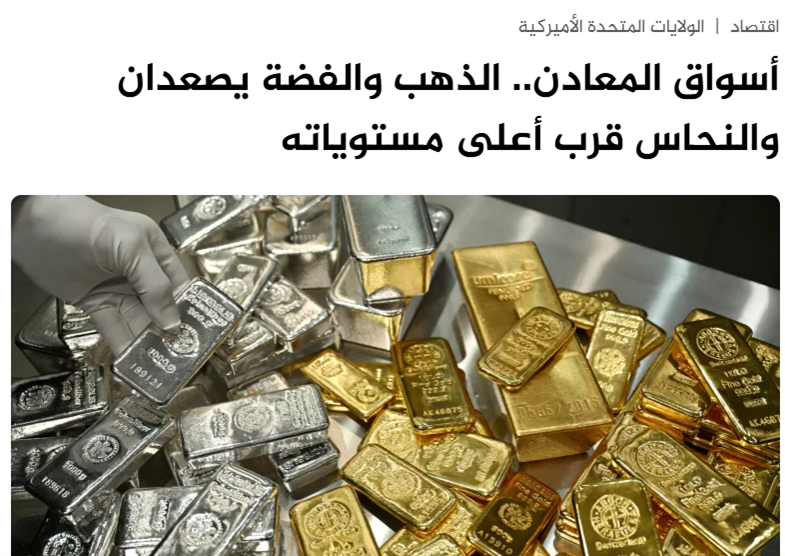
Core Viewpoint - The global financial market experienced unprecedented volatility within 48 hours, leading to significant declines in precious metals and stock indices, triggering panic across various asset classes [1][3]. Group 1: Market Reactions - Gold prices fell by 12.92% in a single day, dropping below $4500 per ounce, while silver experienced a historic crash with a 35.89% decline, marking the most extreme market conditions in 40 years [1] - The Korean Composite Stock Price Index plummeted over 5%, activating a trading halt, which reflected a broader panic in the Asian financial markets [1] - Over 270,000 trading accounts were liquidated globally, with the precious metals market losing nearly $10 trillion in wealth within two days [3] Group 2: Economic Context - Prior to the market turmoil, there was a period of apparent harmony in international relations, with Western leaders visiting China, indicating a thaw in geopolitical tensions [3] - The calm was disrupted by hawkish statements from new Federal Reserve officials, leading to a rapid shift in market expectations regarding monetary policy [3] - The U.S. dollar index rebounded quickly as funds moved from high-risk assets to cash, seeking safety amid the turmoil [3] Group 3: U.S. Government and Federal Reserve Issues - The U.S. government faced multiple shutdowns, raising serious concerns about fiscal stability and the ability to maintain basic operations [4] - Federal Reserve Chairman Jerome Powell is under criminal investigation by the U.S. Department of Justice for alleged false statements regarding budget overruns, interpreted as a political struggle affecting Fed independence [4] - The nomination of Kevin Walsh, seen as a hawkish figure, to lead the Federal Reserve has intensified market concerns about future monetary policy directions [5] Group 4: Structural Vulnerabilities - The Korean stock market's crash highlighted structural weaknesses, particularly its reliance on a few industries like semiconductors and high foreign ownership, which were exacerbated by tightening global liquidity [7] - Algorithmic trading exacerbated the market decline through automatic stop-loss executions, creating a vicious cycle of selling [7] - The correlation between gold and cryptocurrencies reached 90%, indicating a significant interdependence among asset classes during liquidity crises [7] Group 5: Global Financial Dynamics - Trump's urgent outreach to China regarding Venezuelan oil transactions was interpreted as a signal of desperation amid the financial crisis, revealing U.S. dependency on energy supplies [9] - The global monetary policy landscape is diverging, with the European Central Bank nearing the end of its rate-cutting cycle, while Japan and the UK are cautiously adjusting their policies, adding complexity to cross-border capital flows [9] - The U.S. banking system's reserves have fallen below $3 trillion, approaching critical levels, amid a perfect storm of rising debt issuance and government shutdowns, leading to a liquidity crunch [10]

韩股大跌触发熔断机制
Sou Hu Cai Jing· 2026-02-03 06:54
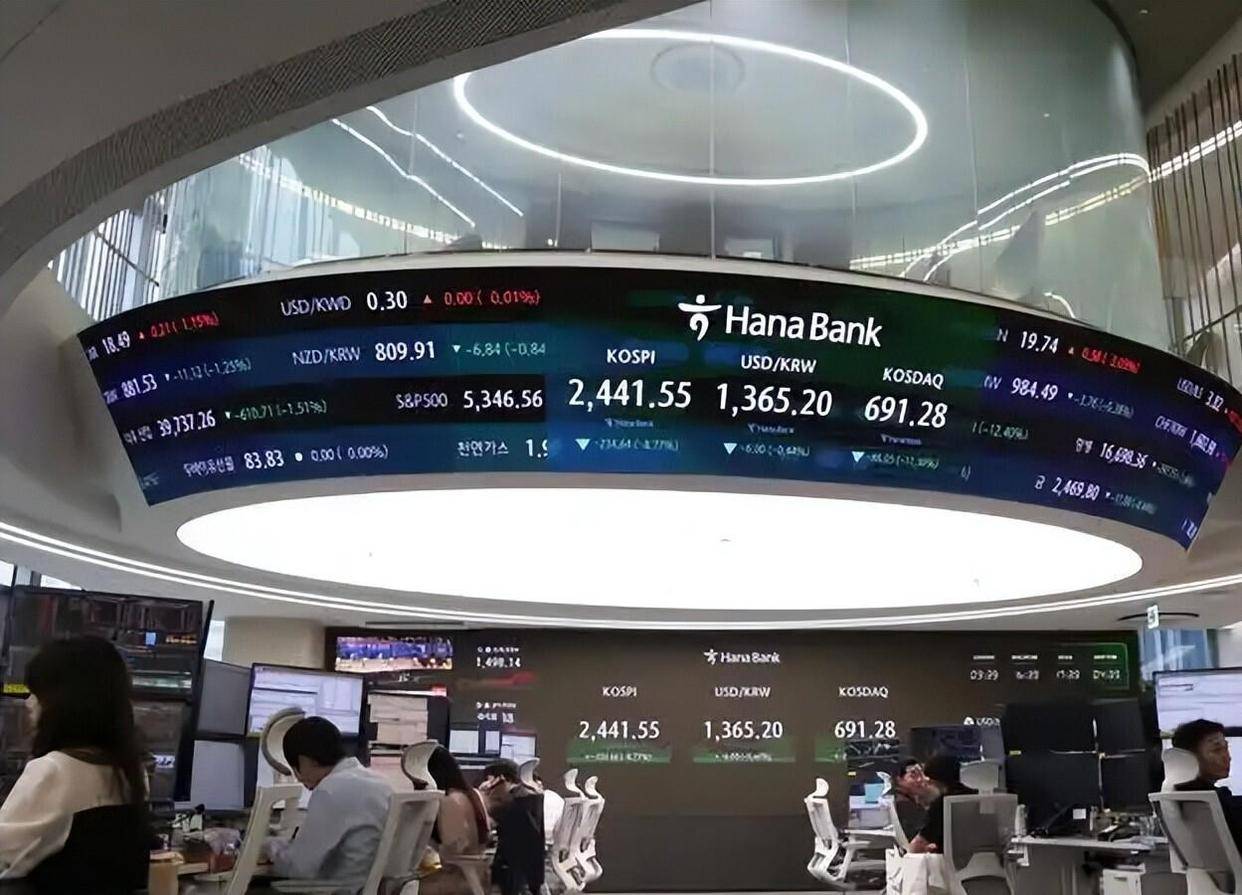
Core Viewpoint - The South Korean stock market experienced a significant drop, with the KOSPI index falling over 5%, triggering a trading halt for 5 minutes due to the impact of changing U.S. Federal Reserve policies [1] Group 1: Market Reaction - The immediate cause of the market's reaction was the nomination of Kevin Warsh as the next Federal Reserve Chairman, which is interpreted as a shift towards a hawkish policy stance [1] - Following the nomination, the U.S. dollar index rebounded sharply, leading to a stronger dollar [1] Group 2: Structural Vulnerabilities - South Korea's stock market is characterized by structural weaknesses, including a high dependency on foreign capital and a concentration in a few industries, particularly semiconductors [1] - The market's valuation is perceived to have bubble risks, making it particularly sensitive to negative news [1] Group 3: Global Financial Context - The stock market's volatility is not isolated but reflects a broader structural adjustment in the global financial system in response to the Federal Reserve's policy changes [1] - The core issue revolves around the market's reassessment of the independence and direction of Federal Reserve policies [1]
黄金期货再涨3%,突破4450美元关口
Huan Qiu Wang· 2026-01-06 01:23
Group 1 - The core viewpoint of the articles highlights a significant increase in international precious metal futures, with COMEX gold futures rising by 3.00% to $4459.70 per ounce and COMEX silver futures increasing by 7.74% to $76.51 per ounce, driven by geopolitical tensions and a reassessment of asset safety and financial sovereignty by multiple countries [1][4] - Analysts suggest that the current low interest rate environment is favorable for non-yielding assets like gold, particularly during periods of geopolitical or economic uncertainty, as investors evaluate the broader impacts of recent geopolitical tensions [4] - The expectation of at least two interest rate cuts by the Federal Reserve this year is influencing market sentiment, with projections indicating a substantial rise in gold prices by 64% in 2025, marking the best annual performance since 1979, attributed to declining interest rates, increased demand for safe-haven assets, and inflows into equity trading funds [1]