
全谷物食品

Search documents
吃、赏、玩同频共振占据“C位” 农业新吃法、新玩法助力产业走出“微笑曲线”
Yang Shi Wang· 2025-10-27 06:44
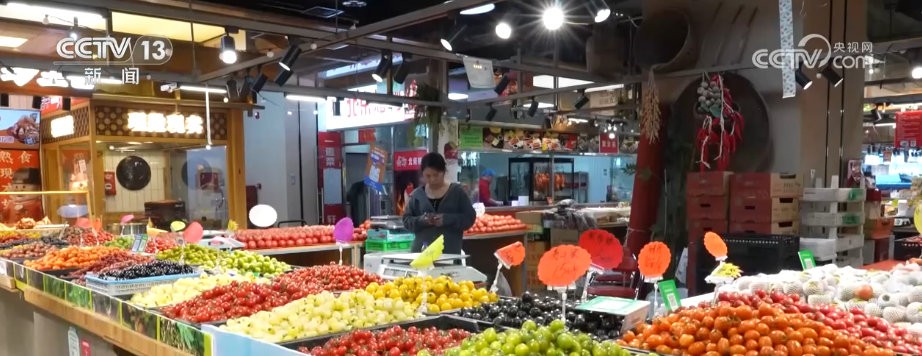
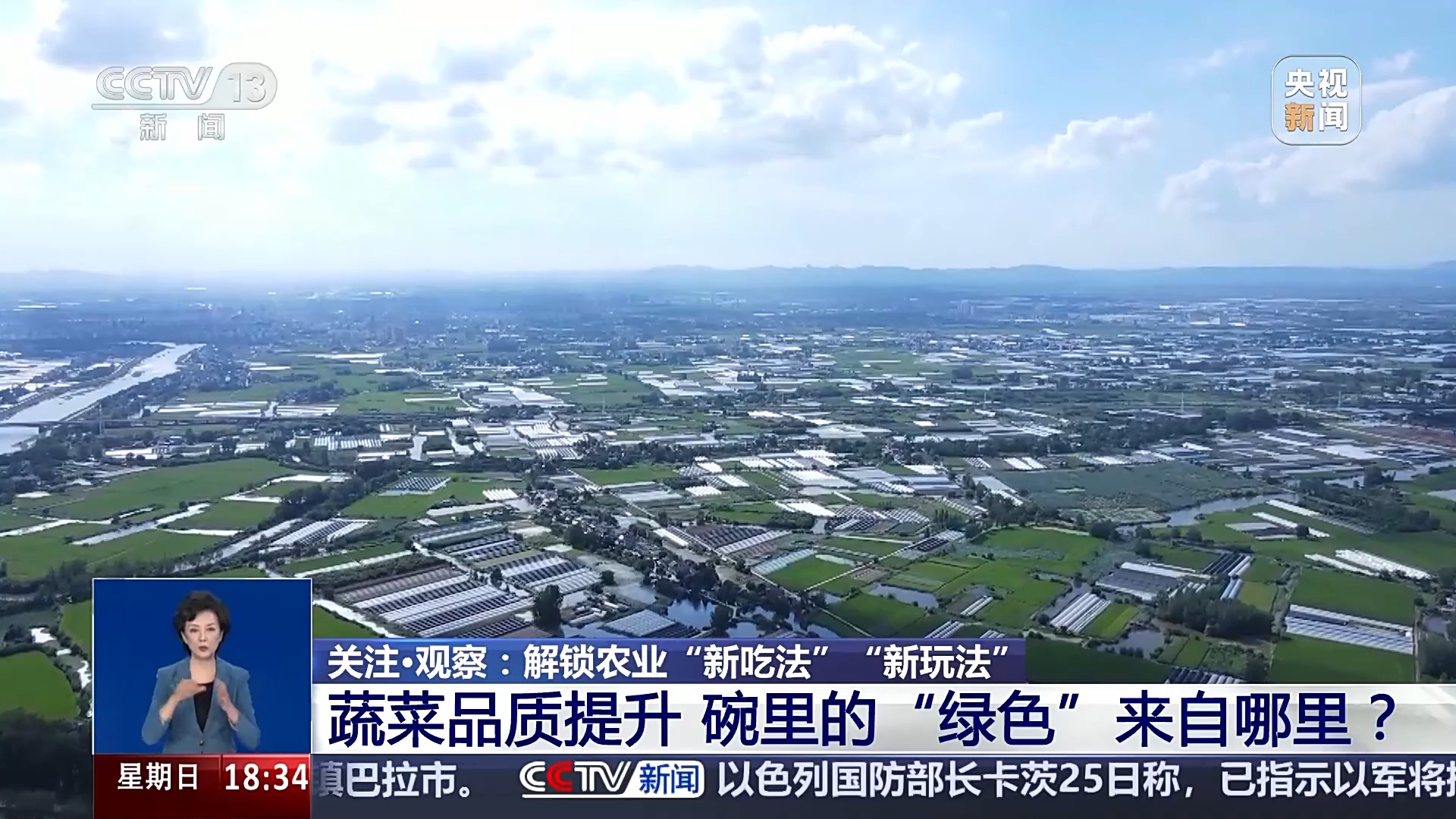
Group 1 - The core demand of consumers has shifted from merely "eating enough" and "eating well" to "eating healthily" [1] - There is a growing emphasis on the quality and freshness of vegetables, with organic labels and traceability codes becoming standard on packaging [2] - The agricultural sector is responding to the new consumer demands for fresh and healthy food by implementing advanced technologies and practices in production [3][5] Group 2 - The Ministry of Agriculture and Rural Affairs reported that during the 14th Five-Year Plan period, 36,000 new certifications for green, organic, and geographical indication products were issued, providing over 200 million tons of quality agricultural products annually [7] - Qinghai's Ulan County is a significant quinoa breeding base, benefiting from ideal natural conditions for quinoa cultivation, with over 1,000 varieties being developed [9] - The continuous breakthroughs in breeding new varieties support the development of new products in the quinoa industry, with projections indicating an annual output value exceeding 530 million yuan [11] Group 3 - The focus on whole grain foods is increasing, with research and development in quinoa, oats, and barley being prioritized to enhance nutritional health [13][15] - The agricultural processing industry is evolving, with innovations such as freeze-dried porridge and various soybean products being introduced to the market [17][19] - The diversification of food supply systems is being accelerated, with a shift towards plant-based proteins and other alternative sources to meet consumer health needs [19] Group 4 - The integration of agriculture and tourism is transforming rural areas into attractive destinations, enhancing the experience of agricultural activities [20][22] - Local initiatives, such as the production of persimmons in Zhejiang and the development of a lodging industry around lotus cultivation in Jiangsu, are driving tourism and local economies [24][25] - The Ministry of Agriculture has established 240 key leisure agriculture counties, projecting nearly 900 billion yuan in revenue from leisure agriculture and rural tourism by 2024 [31]

从实验室、生产线到千里沃野 解锁农业“新吃法”“新玩法”
Yang Shi Xin Wen Ke Hu Duan· 2025-10-27 00:21
Core Insights - The demand for "healthy eating" is rising among consumers, shifting from merely "sufficient" and "good" food to a focus on "nutritional balance" and quality [1][3] - The agricultural sector is responding to these new consumer demands by enhancing the quality and freshness of vegetables through technology and innovative practices [3][5] Vegetable Quality Improvement - Consumers are increasingly pursuing high-quality vegetables, with organic labels and traceability codes becoming standard on packaging [1] - In Anhui's He County, farmers are utilizing smart devices to monitor soil and light conditions, implementing preservation technologies to enhance vegetable freshness and adjust harvest timing [3] Growth of Green and Organic Products - Anhui's He County has significantly increased its supply of green and organic products, with a total of 132 certified products as of now [5] - The Ministry of Agriculture and Rural Affairs reported that during the 14th Five-Year Plan, 36,000 new green and organic products were certified, providing over 200 million tons of quality agricultural products annually [7] Whole Grain Food Development - Quinoa is gaining popularity as a key whole grain, with significant harvests in Qinghai's Ulan County, which is a major breeding base for quinoa [8][9] - The average yield of quinoa in Shanxi's Jingle County is expected to exceed 300 kg per mu, with the entire quinoa industry projected to generate over 530 million yuan in annual output value [9] Agricultural Processing Upgrades - The agricultural processing sector is evolving, with innovations such as freeze-dried porridge and various soybean products being developed [11][12] - Heilongjiang's Wudalianchi is a key soybean production area, hosting 20 processing enterprises that leverage the region's high-quality soybean resources [12] Rural Tourism and Agricultural Integration - Rural areas are transforming into experiential destinations, blending agricultural activities with tourism, as seen in Zhejiang and Jiangsu [16][18] - The Ministry of Agriculture has established 240 key leisure agriculture counties, with the leisure agriculture sector generating nearly 900 billion yuan in revenue last year [18]
走近生产线,一起解锁农业“新吃法”“新玩法”
Yang Shi Wang· 2025-10-26 19:13
Group 1: Consumer Demand and Agricultural Innovation - The demand for "fresh and healthy" food is rising, leading to higher quality expectations for vegetables and agricultural products [2][3] - In Anhui, farmers are utilizing smart devices to monitor conditions in greenhouses, enhancing the freshness and quality of vegetables [2] - The number of certified green, organic, and geographical indication products in Anhui has reached 132, reflecting a significant increase in supply [2] Group 2: Whole Grain Food Development - Quinoa is emerging as a key player in the whole grain market, with significant production in Qinghai, where ideal growing conditions exist [3] - The average yield of quinoa in Shanxi is expected to exceed 300 jin per mu, contributing to a projected annual output value of over 530 million yuan for the quinoa industry [3] - The development of other whole grains like oats and barley is also progressing, promoting better nutritional health for consumers [3] Group 3: Agricultural Processing Upgrades - The agricultural processing sector is evolving, showcasing innovative products such as freeze-dried porridge and various soybean products [4] - Heilongjiang's soybean industry benefits from its geographical advantages, with a concentration of 20 processing enterprises [4] - The diversification of food supply systems is being accelerated through continuous innovation in processing technologies [4] Group 4: Rural Tourism and Agricultural Experience - Rural areas are transforming into experiential "playgrounds," integrating agricultural activities with tourism [5][6] - In Zhejiang, the local tourism has attracted over 80,000 visitors, generating significant economic benefits through agricultural experiences [5] - The Ministry of Agriculture and Rural Affairs has established 240 key leisure agriculture counties, with leisure agriculture revenue nearing 900 billion yuan last year [6]
全谷物食品“出圈”面临三重门
Ke Ji Ri Bao· 2025-10-16 00:20
Core Viewpoint - The article discusses the rising trend of whole grain foods in China, driven by health awareness and government initiatives, but highlights the challenges in consumer acceptance and product quality [2][4][11]. Group 1: Industry Trends - Whole grain foods, such as whole wheat mooncakes and brown rice, are gaining popularity as consumers become more health-conscious [2][3]. - The National Whole Grain Action Plan (2024-2035) aims to promote whole grain consumption, yet the current consumption rate in China remains below 1%, compared to 20%-35% in developed countries [2][4]. Group 2: Consumer Behavior - Consumers are increasingly interested in whole grain products, but face confusion due to complex ingredient labeling and a lack of clear standards [3][4]. - The average daily intake of dietary fiber in China is only one-third of the recommended amount, indicating a need for increased whole grain consumption [4][11]. Group 3: Product Development Challenges - Whole grain products often have a rough texture and limited variety, which conflicts with traditional preferences for refined grains [4][5]. - The absence of mandatory standards for whole grain labeling leads to inconsistencies in product quality and consumer trust [4][5]. Group 4: Technological Innovations - Companies are developing new processing technologies to improve the taste and shelf life of whole grain products, such as enzyme treatment and micro-pulverization [7][8]. - Innovations in preservation techniques are extending the shelf life of whole grain foods, addressing storage challenges [8][10]. Group 5: Industry Structure and Standards - The whole grain industry in China is still in its infancy, characterized by small-scale enterprises and low market concentration [11][12]. - The National Whole Grain Action Plan emphasizes the need for a complete industrial chain and encourages the establishment of collaborative innovation platforms [12][13]. Group 6: Policy Recommendations - Experts suggest that government-led initiatives should focus on creating a robust standard system for whole grain products to enhance market recognition and consumer confidence [12][13]. - Local governments are already implementing policies to improve whole grain product standards and traceability, which could serve as models for national initiatives [13].