
全麦面包

Search documents
你吃的全麦面包可能不是“全麦”的|“315”特别策划
经济观察报· 2026-03-15 06:37
Core Viewpoint - The article highlights the lack of industry standards for the definition of "whole wheat bread," leading to significant variations in whole wheat flour content among products marketed as such, which can mislead consumers seeking healthier options [2][6]. Group 1: Current Market Situation - Whole wheat bread is popular among health-conscious consumers, but many products labeled as "whole wheat" contain varying amounts of whole wheat flour, ranging from less than 20% to nearly 50% [2]. - Complaints regarding "whole wheat bread" on consumer platforms indicate issues with ingredient transparency, with some products containing primarily wheat flour instead of whole wheat flour [2][5]. - A survey of various stores revealed that many "whole wheat" products list wheat flour as the primary ingredient, raising questions about their authenticity [4][5]. Group 2: Standards and Regulations - There are currently no mandatory national standards in China for whole wheat bread, leading to inconsistencies in product labeling and composition [9]. - Industry standards suggest that whole wheat flour should constitute at least 27% of the product, but these are not enforced [9]. - Internationally, definitions of whole grain products vary, with the FDA requiring over 51% whole grain content for labeling as whole grain bread, while other countries have different thresholds [10]. Group 3: Production Challenges - The production of 100% whole wheat bread is technically challenging due to fermentation difficulties and higher costs associated with whole wheat flour, which can be 33% more expensive than regular flour [12]. - Consumer preferences for taste and texture often lead manufacturers to reduce whole wheat content to improve palatability, which can mislead consumers about the health benefits of the product [13]. Group 4: Proposed Solutions - Industry professionals suggest implementing a naming system to clarify the content of whole wheat products, similar to regulations in the dairy industry, to help consumers make informed choices [14].


清洁标签、全麦、低 GI 混战:千亿市场的常温包装面包的未来在哪?
东京烘焙职业人· 2026-03-03 08:32
Core Insights - The article discusses the transformation of the Chinese packaged bread market, highlighting the shift from long-shelf-life to short-shelf-life products, driven by changing consumer preferences towards health and freshness [4][7][12]. Market Overview - The overall market size for bread in China is projected to exceed 200 billion yuan by 2025, with packaged bread accounting for 45% of the market share, expected to surpass 900 billion yuan [6]. - Short-shelf-life bread is becoming dominant, expected to account for over 60% of the packaged bread market by 2025, while long-shelf-life bread remains significant in niche markets [7]. Consumer Trends - There is a notable shift in consumer preferences towards health-oriented products, with sales of whole grain, low GI, and clean label breads expected to reach 38.4% of the market by 2025 [9][11]. - 68% of consumers are willing to pay a premium of over 20% for bread with health claims, indicating a strong market for health-focused products [11]. Historical Development - The evolution of the packaged bread market can be divided into three phases: 1. Long-shelf-life dominance, characterized by brands like Dali Garden and Panpan, focusing on convenience and affordability [12]. 2. The rise of short-shelf-life products, led by brands like Taoli, emphasizing freshness and quality [15]. 3. A current focus on health, with a diverse range of products competing in the market [18]. Sales Channels - Supermarkets remain the largest sales channel for packaged bread, but their market share is declining, while convenience stores are experiencing rapid growth [7]. - Online sales, including e-commerce, account for 10.1% of the market, with health-oriented products driving growth [7]. Product and Marketing Changes - The product landscape is shifting from sweet breads to health-oriented options, with a significant increase in the availability of whole grain and functional breads [33]. - Marketing strategies are evolving from price-based narratives to health value propositions, focusing on ingredient transparency and nutritional benefits [35]. Challenges and Opportunities - The industry faces challenges from the increasing prevalence of freshly baked bread, price wars, and the rapid evolution of consumer demands [39][42]. - However, the industrialized nature of packaged bread offers efficiency advantages that freshly baked products cannot match, particularly in terms of distribution and cost [47]. - The health trend presents opportunities for brands that can innovate and meet consumer demands for cleaner, healthier products [50][51]. Technological Innovations - Advances in technology are reshaping the competitive landscape, with new methods for preserving freshness and improving ingredient quality [54][56]. - The focus on clean labels and health-oriented formulations is becoming a standard requirement for market entry, driven by regulatory changes and consumer expectations [34].

这些常见食物竟是“防癌密码”!一日三餐这样吃能防癌→
Xin Lang Cai Jing· 2026-02-04 15:22
Group 1 - The core message emphasizes that proper nutrition is a crucial aspect of cancer prevention and treatment, highlighting the importance of a balanced diet rich in vegetables, fruits, whole grains, and proteins [1][5][6] - Vegetables are identified as the "main force" against cancer, with recommendations to consume over 300 grams daily, focusing on deep green and red/purple varieties for their antioxidant properties [1][5] - Fruits serve as a source of vitamins, particularly citrus fruits for vitamin C, with a suggested intake of 200 to 350 grams of fresh fruit daily, avoiding fruit juices [3] Group 2 - Whole grains like brown rice and oats are recommended for their dietary fiber content, with a daily intake of 50 to 150 grams, and legumes are noted for their positive effects on hormone-related cancers [5][6] - The article warns against excessive consumption of seven types of foods that increase cancer risk, including high-sugar foods, processed meats, and alcohol [6][8] - It highlights that high sugar intake can lead to metabolic diseases, which are significant risk factors for cancer, due to increased inflammation levels [6][8] Group 3 - Regular screening is emphasized as a key to early cancer detection, with specific recommendations for different types of cancer based on age and risk factors [7][9][10] - For lung cancer, annual low-dose CT scans are advised for individuals over 40 with a significant smoking history, while colorectal cancer screening should start at age 45 [9][10] - Other cancers, such as gastric and liver cancer, have specific screening guidelines based on risk factors like age, alcohol consumption, and pre-existing conditions [10]
一日三餐里藏着哪些“防癌密码” 怎么吃才更好
Yang Shi Xin Wen· 2026-02-03 02:38
Core Viewpoint - The article emphasizes the importance of nutrition in cancer prevention and management, highlighting specific dietary recommendations and foods to avoid to reduce cancer risk [1][3]. Group 1: Dietary Recommendations for Cancer Prevention - Vegetables are identified as the main "anti-cancer" foods, particularly deep green and red/purple varieties, which are rich in antioxidants [2]. - Daily vegetable intake should exceed 300 grams, with a focus on a variety of colors, ideally half being dark vegetables [2]. - Fruits are essential for vitamin supply, with a recommendation of 200-350 grams of fresh fruit daily, avoiding fruit juices [2]. - Whole grains like brown rice, oats, and whole wheat bread are recommended for their dietary fiber content, with a daily intake of 50-150 grams [2]. - Legumes are highlighted as a source of quality plant protein and beneficial for hormone-related cancers [2]. - A balanced diet should include a variety of food groups, including vegetables, fruits, grains, proteins, and healthy fats [2]. Group 2: Foods to Avoid - Seven categories of foods are identified that may increase cancer risk if consumed excessively, including processed meats, fried foods, improperly pickled foods, moldy foods, alcoholic beverages, very hot foods, and high-sugar foods [3]. - High sugar intake can lead to metabolic diseases, which are significant risk factors for cancer, due to the inflammatory processes they trigger [3]. Group 3: Dietary Guidelines for Cancer Patients - Cancer patients are advised not to blindly avoid foods but to focus on a balanced diet that supports recovery [4][5]. - High-inflammatory foods, such as refined sugars and overly processed carbohydrates, should be limited [5]. - A focus on high-quality proteins, healthy fats, and a variety of vegetables is crucial for cancer patients [5][6]. - Three core dietary combinations are recommended: sufficient quality protein at every meal, increased intake of fresh fruits and vegetables, and balanced meal proportions [6]. - Cooking methods should favor steaming, boiling, or stewing to ease digestion, and meals should be fresh and prepared in smaller portions if appetite is low [6]. Group 4: Cancer Screening Recommendations - Regular screening is emphasized as a key strategy for early cancer detection, with specific recommendations for different types of cancer based on age and risk factors [7][8][9][10].
一日三餐里藏着哪些“防癌密码”?
Yang Shi Wang· 2026-02-02 23:26
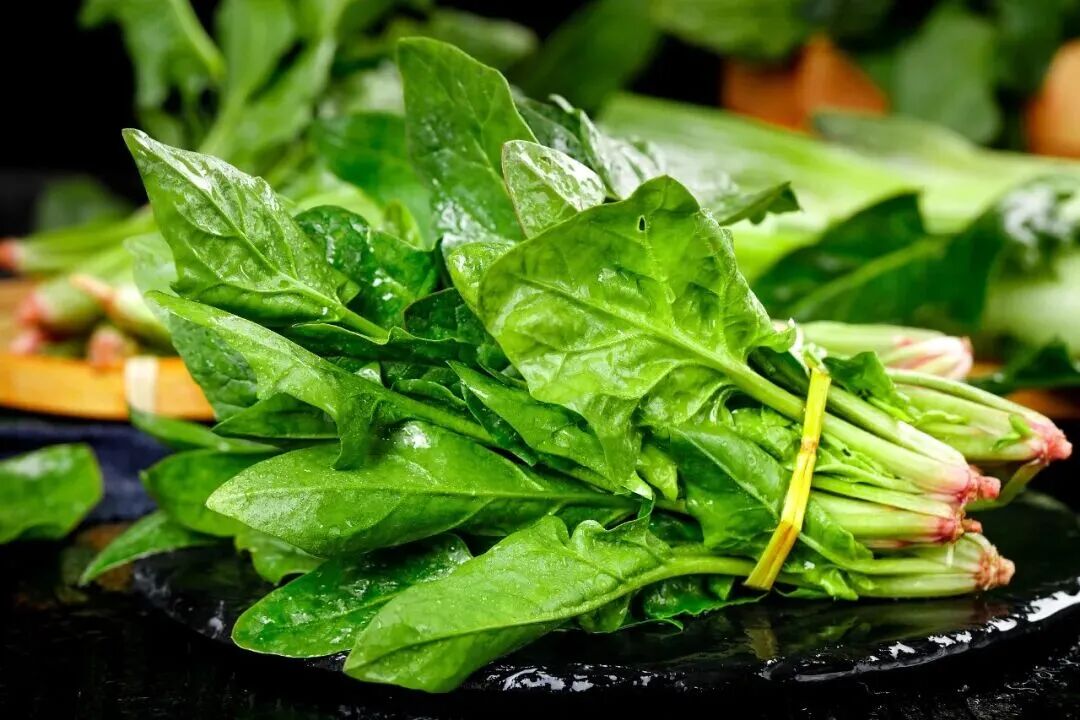
Group 1 - The core theme of World Cancer Day 2023 is "People-Centered, Together Against Cancer," emphasizing the importance of nutrition in cancer prevention and treatment [1] - Vegetables are highlighted as the main anti-cancer food, with deep green and red-purple varieties like spinach and purple cabbage being rich in natural antioxidants, recommended to consume over 300 grams daily, with a focus on variety and color [1] - Fruits are essential for vitamin supply, with citrus fruits boosting immunity and darker fruits like strawberries and blueberries having stronger antioxidant properties; a daily intake of 200-350 grams of fresh fruit is advised, avoiding fruit juices [1] Group 2 - Whole grains such as brown rice, oats, and whole wheat bread are rich in dietary fiber, recommended at 50-150 grams daily to aid digestive health [1] - Legumes are noted for being a high-quality plant protein source and beneficial against hormone-related cancers, suggesting a balanced diet that includes both refined and whole grains [1] - A balanced meal should include a variety of food groups such as vegetables, fruits, grains, meat, eggs, dairy, and healthy fats, promoting a comprehensive and nutritious diet [2]
科普|高压脑力劳动者如何科学饮食?如何建立“代谢灵活性”?
Xin Lang Cai Jing· 2026-01-24 14:28
Core Viewpoint - The article discusses the dietary management strategies for high-pressure cognitive workers, particularly emergency and critical care physicians, emphasizing the benefits of intermittent fasting over the traditional "small meals" approach to enhance metabolic flexibility and cognitive function [1][34]. Group 1: Dietary Strategies for High-Pressure Cognitive Workers - The traditional "small meals" approach is considered a metabolic trap for high-pressure cognitive workers due to the effects of chronic stress and insulin resistance [2]. - High cortisol levels in emergency and critical care physicians lead to insulin resistance, which can result in central obesity and systemic inflammation, contributing to professional burnout [2]. - Post-meal reactive hypoglycemia can impair cognitive functions, posing safety risks in critical decision-making scenarios [3]. - Frequent eating diverts blood flow from the brain to the digestive system, reducing cognitive performance during critical tasks [4]. Group 2: Benefits of Intermittent Fasting - Intermittent fasting (e.g., 16:8 or 14:10) shows greater adaptability in enhancing cognitive functions compared to the "small meals" approach [5]. - After 12-14 hours of fasting, the body shifts to using ketones as brain fuel, which enhances cognitive clarity and resilience under stress [6]. - Time-restricted eating helps recalibrate circadian rhythms, improving sleep quality for shift workers [8]. - Intermittent fasting activates autophagy and reduces chronic low-grade inflammation, which is crucial for clinicians exposed to high-stress environments [9]. Group 3: Functional Dietary Principles - High-pressure cognitive workers are advised to adopt time-restricted eating, specifically a 14:10 model, to align with their busy schedules [10]. - Maintaining stable blood sugar levels is essential, which involves eliminating refined carbohydrates and increasing quality fats and dietary fiber [11]. - Nutritional supplementation should focus on Omega-3 fatty acids, magnesium, and B vitamins to support cognitive function and mitigate stress [11]. Group 4: Practical Energy Management Plan - A structured energy management dietary schedule is proposed for emergency and critical care physicians, optimizing cortisol levels and preventing afternoon fatigue [12]. - The plan includes hydration upon waking, a balanced breakfast with high protein and quality fats, and strategic meal timing to maintain energy levels throughout the day [13][15][20]. - Specific recommendations for night shift workers include consuming low glycemic index carbohydrates before shifts and avoiding high-carb foods during late-night hours to prevent disruptions in circadian rhythms [30][32]. Group 5: Conclusion - The article concludes that adopting a flexible metabolic approach through scientific eating rhythms can help high-pressure cognitive workers maintain calmness, sharpness, and resilience in critical situations [34].
吃碗米线血糖就“失控”
Xin Lang Cai Jing· 2026-01-19 22:17
Core Insights - The article discusses how improper eating methods can lead to significant fluctuations in blood sugar levels, particularly after consuming foods like rice noodles. It emphasizes the importance of scientific dietary practices to maintain stable postprandial blood sugar levels [1]. Group 1: Dietary Recommendations - Reducing the amount of refined carbohydrates and increasing vegetable intake can help control blood sugar levels. For instance, halving the portion of rice noodles and adding more vegetables can significantly lower blood sugar peaks [2]. - Different types of foods have varying glycemic indices. High glycemic foods include refined carbohydrates and certain fruits, while low glycemic foods include whole grains, legumes, and most vegetables, which are ideal for blood sugar control [2][3]. - It is recommended to consume a balanced portion of complex carbohydrates, such as whole grain rice or bread, to avoid risks associated with low blood sugar and ensure adequate nutrition [3]. Group 2: Eating Order and Cooking Methods - The sequence of food consumption significantly impacts blood sugar levels. Eating in the order of soup, vegetables, protein, and then carbohydrates can minimize blood sugar and insulin fluctuations, with potential reductions in postprandial blood sugar peaks by 25% to 50% [4]. - Cooking methods also affect the glycemic response. Longer cooking times can increase the glycemic index of foods, making them raise blood sugar levels more quickly. For example, noodles cooked for 20 minutes have a higher glycemic index than those cooked for 10 minutes [5].
前列腺增生患者的饮食指南,哪些食物有益?
Xin Lang Cai Jing· 2026-01-14 17:36
Core Viewpoint - Benign prostatic hyperplasia (BPH) is a common health issue among middle-aged and older men, affecting quality of life and causing urinary difficulties. While diet cannot cure BPH, proper dietary adjustments can alleviate symptoms and improve overall health. Group 1: Vegetables - Vegetables rich in antioxidants, such as tomatoes, broccoli, and spinach, are ideal for BPH patients as they protect prostate cells from damage caused by free radicals [2] - Lycopene in tomatoes is particularly beneficial, reducing oxidative stress on prostate cells and potentially inhibiting the progression of BPH [2] - Cruciferous vegetables like broccoli and cauliflower are recommended for their compounds that may lower prostate cancer risk and support normal prostate function [2] Group 2: Fruits - Fruits provide essential vitamins C and E, fiber, and hydration, which are beneficial for overall health and prostate health [3] - Citrus fruits, strawberries, and blueberries are highlighted for their antioxidant properties and potential to alleviate BPH symptoms [3] - Dietary fiber from fruits aids in gut health and can help relieve constipation, which may exacerbate urinary difficulties [3] Group 3: Whole Grains - Whole grains are rich in dietary fiber, promoting gut health and easing urinary difficulties for BPH patients [4] - Foods like oats and brown rice are recommended for their ability to support bowel regularity and maintain a healthy weight [4] - Whole grains also provide essential trace elements like zinc and selenium, which are crucial for prostate health [4] Group 4: Nuts and Seeds - Nuts and seeds, such as walnuts and pumpkin seeds, are rich in zinc and selenium, vital for maintaining prostate health [5] - Zinc is abundant in the prostate and plays a role in normal function and anti-inflammatory responses [5] - Pumpkin seeds are particularly beneficial due to their plant sterols and zinc content, which can help alleviate BPH symptoms [5] Group 5: Quality Protein - While protein intake should be moderated, high-quality protein sources like lean meats, fish, and soy products are essential for providing necessary nutrients and promoting prostate cell repair [6] - Fatty fish, rich in omega-3 fatty acids, can reduce inflammation and support prostate health [6] - Soy products contain phytoestrogens that may help regulate hormone levels and alleviate BPH symptoms [6] Group 6: Hydration - Maintaining adequate hydration is crucial for BPH patients, as it supports normal metabolism and urine dilution [7] - However, excessive fluid intake, especially before bedtime, should be avoided to reduce nighttime urination [7] - A balanced diet with a variety of vegetables, fruits, whole grains, nuts, seeds, and quality proteins, along with a healthy lifestyle, can effectively prevent and alleviate BPH symptoms [7]
这些粗粮可能比米饭还“升糖”
Xin Lang Cai Jing· 2025-12-24 16:48
Core Insights - Many people consider consuming coarse grains as a healthy choice for controlling blood sugar, especially for those with high blood sugar or diabetes, but some coarse grains can actually cause blood sugar levels to rise more quickly than white rice or steamed buns [1] Group 1: High Glycemic Index Coarse Grains - Glutinous corn has a glycemic index (GI) of approximately 70-80, which is classified as high, leading to a faster increase in blood sugar levels compared to other grains [2] - Yellow millet porridge, particularly made from glutinous varieties, can raise blood sugar levels faster than white rice porridge, making it important for those with blood sugar issues to limit its consumption [2] - Baked sweet potatoes have a GI of 94, significantly higher than steamed ones (GI of 77), due to the conversion of some sucrose into faster-acting maltose during baking [2] Group 2: Factors Contributing to High Glycemic Response - The breeding of sweeter varieties of foods like sweet potatoes and pumpkins has resulted in higher sugar content and GI values compared to older varieties [3] - Overcooking grains increases the gelatinization of starch, leading to faster absorption in the intestines and a quicker rise in blood sugar [3] - Excessive processing, such as making mashed potatoes or grain pastes, removes dietary fiber that helps slow down sugar absorption, resulting in a doubled glycemic response [3] Group 3: Recommended Coarse Grains for Stable Blood Sugar - Whole grain cereals like oats, barley, and buckwheat have lower GI values compared to refined grains, aiding in better blood sugar control for diabetic patients [5] - Legumes such as red beans, green beans, and chickpeas have a milder GI, providing essential nutrients while avoiding excessive saturated fats and cholesterol [6] - Bran products, including oat bran and whole grain bread, are rich in dietary fiber, which helps slow digestion and sugar absorption, making them beneficial for diabetes management [7] - Germ foods like wheat germ and corn germ are nutrient-dense, containing vitamins, minerals, and healthy fats that support overall health, particularly for diabetic patients [7]
专家:每日记3件积极小事,助调情绪好入眠
Zhong Guo Xin Wen Wang· 2025-12-20 14:02
Group 1 - The core viewpoint emphasizes the importance of optimizing sleep in modern life, particularly during winter, due to lifestyle changes and environmental factors [1] - Key recommendations for improving sleep include maintaining bedroom temperature between 18-22°C, implementing a 30-minute transition period before sleep, and reducing exposure to strong light and electronic screens [1] - Dietary suggestions for winter evenings include avoiding spicy, greasy, and high-sugar foods, while recommending light and easily digestible meals [1] Group 2 - The article discusses the impact of reduced daylight and cold weather on emotional well-being, linking it to increased melatonin production and decreased serotonin levels [2] - Suggestions for improving mood include outdoor activities during daylight hours, regular exercise, and dietary adjustments to include foods rich in tryptophan and Omega-3 fatty acids [2] - The importance of social engagement and maintaining a positive mindset through activities like writing a gratitude journal is highlighted as a method to combat negative emotions [2]