出行即服务(MaaS)

Search documents
智能驾驶:即将全面爆发
泽平宏观· 2026-03-17 16:06
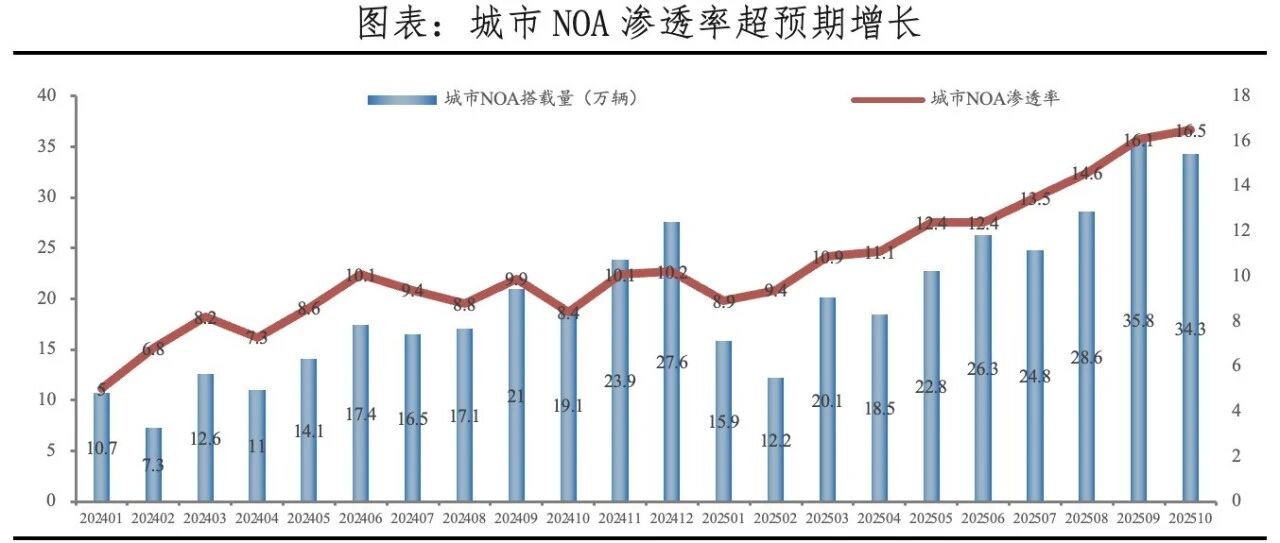
Core Viewpoint - The rapid commercialization of intelligent driving is surpassing expectations, with Tesla's production of directionless vehicles and the global operation of unmanned fleets marking a significant turning point in the industry [2][3]. Group 1: Intelligent Driving Explosion - The first directionless vehicle designed for Robotaxi by Tesla is set to begin mass production in April 2026, eliminating the steering wheel and pedals, fully controlled by AI [3][4]. - Tesla's Full Self-Driving (FSD) system is expected to receive full approval in China by 2026, which will significantly transform the domestic intelligent driving market [3][4]. - The scale of autonomous driving fleets in China is expanding, with companies like Baidu and Xiaopeng actively deploying unmanned vehicles in various cities and even internationally [4]. Group 2: Scientific Principles of Intelligent Driving - Autonomous driving hardware is surpassing human limits, with AI capable of perceiving distances over 200 meters and making decisions with a reaction time of 10-30 milliseconds, far exceeding human capabilities [5][7]. - The learning ability of autonomous driving systems allows for rapid sharing of experiences across vehicles, enabling exponential evolution in driving capabilities [7][8]. Group 3: Industry Trends - The industry is witnessing a rapid transition to L2+ level intelligent driving becoming a standard feature, with high-level driving assistance (NOA) becoming widely available [10][11]. - Many companies are bypassing L3 technology due to its ambiguous responsibility issues and are directly targeting L4 autonomous driving [13][14]. - The competition is intensifying as companies leverage large-scale data and advanced algorithms to establish competitive advantages in the intelligent driving space [15][18]. Group 4: Future Trends - The technological foundation of intelligent driving is being restructured with end-to-end models and world models, significantly reducing the complexity of programming [17]. - High-quality data loops are becoming critical, with companies that can process data faster gaining a competitive edge [18]. - The cost of hardware for intelligent driving is decreasing, leading to widespread adoption and making advanced driving features more accessible [19]. Group 5: Future Scenarios of Intelligent Driving - The business model will shift from selling cars to providing mobility as a service (MaaS), fundamentally changing consumer behavior and market dynamics [24][25]. - Urban planning will be transformed, reducing traffic congestion and parking needs as vehicles are algorithmically managed [26][27]. - Autonomous vehicles will become integral to energy management, acting as mobile energy sources that can charge during off-peak hours and supply energy back to the grid [28]. - The personal experience of commuting will be revolutionized, as vehicles become multifunctional spaces for entertainment and work [29][30].


技术向善,传递关怀,福祉车打通出行最后一公里
Hua Xia Shi Bao· 2026-01-23 08:16
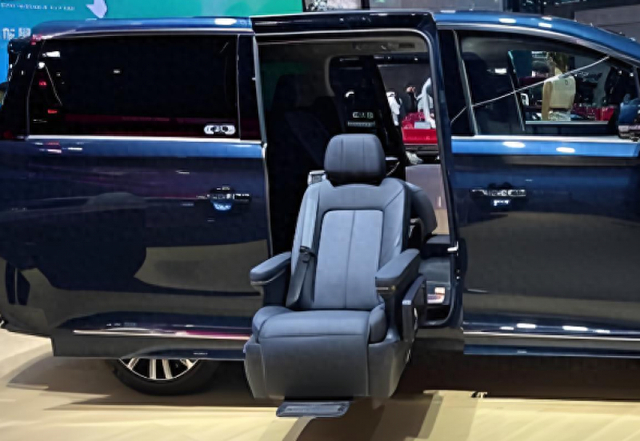
Core Viewpoint - The article highlights the growing demand for welfare vehicles in China, driven by the increasing number of elderly and disabled individuals facing mobility challenges, and emphasizes the need for improved solutions in this market [2][3]. Group 1: Market Demand and Current Situation - Over 320 million individuals aged 60 and above, along with those with mobility impairments, are facing significant travel difficulties in China [2]. - The current welfare vehicle market is characterized by a low penetration rate of 0.6 vehicles per 1,000 elderly individuals, with only about 1,000 units sold in 2023 and a total of 128,000 vehicles in use [3][4]. - In contrast, Japan has a much higher penetration rate of 27 vehicles per 1,000 elderly individuals, indicating a stark difference in market maturity [3]. Group 2: Challenges in the Welfare Vehicle Market - High costs and misaligned business logic are identified as core issues hindering market growth, with specialized modifications costing tens of thousands of yuan [4]. - The lack of awareness and inadequate public infrastructure for accessibility further complicate the situation, leading to a cycle where even if vehicles are available, they cannot be effectively utilized [5]. - The market is also plagued by a mix of legitimate and illegitimate modification services, raising safety concerns and user doubts [5]. Group 3: Policy and Industry Response - Recent policies, such as the implementation of the "Barrier-Free Environment Construction Law" in 2023, aim to enhance accessibility in public transport and encourage the development of welfare vehicles [5]. - Analysts suggest that a coordinated approach involving policy, standards, infrastructure, and business models is essential for transforming welfare vehicles from niche products to essential services for an aging society [5]. Group 4: Industry Innovations and Solutions - Major automotive manufacturers are beginning to produce welfare vehicles, with models like Great Wall's Wei brand and Toyota's Sienna welfare version entering the market, reflecting a shift in industry thinking [6]. - The introduction of professional modification services offers flexible options for consumers, with prices ranging from 20,000 to 60,000 yuan, providing alternatives to purchasing new welfare vehicles [6][7]. - New operational models, such as "Mobility as a Service" (MaaS), are emerging, allowing users to access welfare vehicles through rental and ride-hailing services, thus enhancing accessibility [8]. Group 5: Future Outlook - The integration of technology and human-centered design is crucial for addressing the needs of the elderly and disabled, with ongoing efforts to create a comprehensive service ecosystem [9]. - The successful development of the welfare vehicle market in China will depend on the collaboration of manufacturers, modification companies, and service providers to create a seamless user experience [9].
这家车企关停汽车共享及放缓补能业务,有何深意?
Zhong Guo Qi Che Bao Wang· 2025-12-17 02:25
Core Viewpoint - Renault is shutting down its Mobilize car-sharing business and slowing down the construction of fast-charging stations to redirect investments towards more profitable business segments [2][3][5] Business Segment Restructuring - Renault plans to reintegrate its energy and data businesses into the main group, discontinuing operations with limited profit prospects or those not aligned with the group's strategic focus [3] - The closure will affect approximately 80 positions outside the Mobilize automotive division, which currently employs around 450 people [3] - Mobilize was established in 2021 to explore new mobility solutions beyond traditional vehicle manufacturing and sales, covering car-sharing, EV charging services, and user data management [3][5] Shift to Profitability - Mobilize has not achieved profitability for three consecutive years, leading to the closure of the Zity car-sharing projects in Milan and Madrid, as well as the micro EV Duo project [5] - The company is reducing its charging station construction targets, planning to build 100 stations in France and over 100 in Italy by the end of 2026, significantly lower than the previous goal of 650 stations in Europe by 2028 [4][5] Industry Challenges - The car-sharing model faces fundamental challenges globally, including high costs, difficulty in achieving profitability, and poor user experience [5] - In Europe, the average daily cost of using a shared vehicle is 30%-50% higher than that of a private car, with utilization rates needing to exceed 60% for breakeven, while actual rates are only 25%-30% [5] - The automotive industry is experiencing supply chain fluctuations and increased pressure for electrification, with Renault's net profit down 18% year-on-year in the first three quarters [6] Market Reactions - Renault's withdrawal from the car-sharing sector signals a warning for the European market, highlighting the difficulties faced by the shared mobility model [7] - The industry is shifting towards a "light asset + regional deep cultivation" model, moving away from heavy asset ownership in car-sharing [7] - The charging station sector is expected to transition from rapid expansion to more precise site selection, focusing on high-traffic areas to improve utilization and profitability [8] Strategic Insights - Renault's attempts and subsequent abandonment of car-sharing and charging station businesses provide insights into the transformation of the automotive industry [9] - Companies must learn to prioritize strategic synergies and focus resources on innovative businesses with clear profit potential to achieve sustainable growth in a competitive market [9]

上海打造全国首个出行服务可信数据生态 MaaS平台赋能数据价值释放
Sou Hu Cai Jing· 2025-11-25 12:19
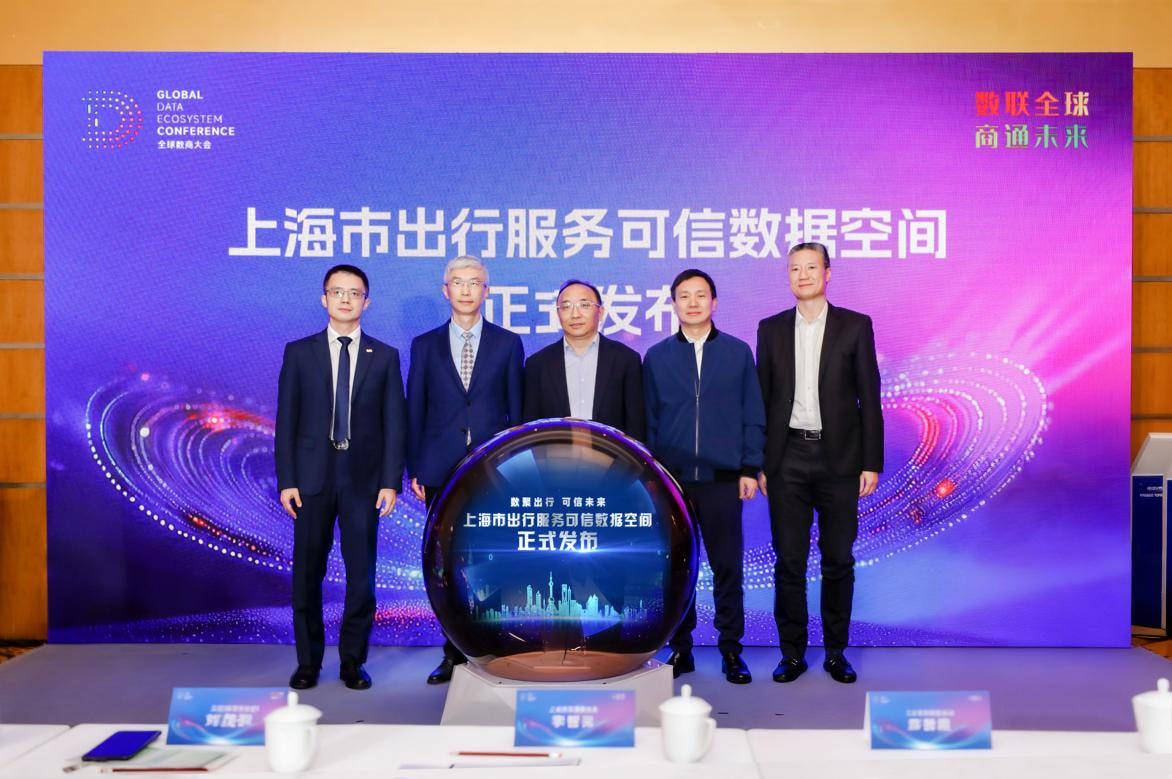
Core Viewpoint - The fifth Global Digital Business Conference opened in Shanghai, featuring a sub-forum focused on the theme "Data Aggregation for Trustworthy Future," where the Shanghai Travel Service Trustworthy Data Ecosystem was launched, marking a significant milestone in the development of smart transportation in China [1][3]. Group 1: Overview of the Trustworthy Data Ecosystem - The Shanghai Travel Service Trustworthy Data Ecosystem is the first industry data space in China focusing on transportation, created under the guidance of the Shanghai Municipal Data Bureau and the Municipal Transportation Commission [3][4]. - This ecosystem serves as a collaborative hub for data elements in the travel sector, providing comprehensive data services that cover the entire process of aggregation, sharing, circulation, and operation [3]. Group 2: Objectives and Benefits - The establishment of this ecosystem aligns with the national "Trustworthy Data Space Development Action Plan (2024-2028)" and aims to accelerate the digital transformation of the transportation industry, enhance public transport development, and modernize traffic governance in mega cities [3]. - The platform offers a one-stop service for various stakeholders, including capacity enterprises and data source companies, facilitating data application scenario exploration and product promotion [3][4]. Group 3: Technical Infrastructure and Data Integration - The ecosystem leverages a mature technical architecture and deep understanding of the transportation industry to provide efficient services, significantly reducing data sourcing and collaboration costs [3]. - It connects numerous authoritative institutions and leading enterprises across transportation operations, urban construction, and research, creating a collaborative ecosystem that spans the entire industry chain [4]. Group 4: Data Quality and Coverage - The MaaS platform has integrated comprehensive data from various transportation modes, including ground transport, rail, ride-hailing, long-distance passenger transport, and more, establishing a high-quality data set for the trustworthy data ecosystem [4]. - This data set is designed to be real-time, comprehensive, and supports the operational needs of the trustworthy data ecosystem, ensuring its effective functioning [4].
特斯拉Robotaxi:一场万亿级的产业重塑,你看懂了多少?
3 6 Ke· 2025-06-27 11:50
Core Insights - The excitement surrounding Tesla's Robotaxi has evolved into a more complex understanding of its real-world implications and challenges as the initial hype has cooled down [3][5]. Group 1: Disruptive Potential of Robotaxi - The concept of Mobility as a Service (MaaS) suggests that the value of cars will shift from horsepower and range to the service value they can generate daily, potentially transforming millions of Tesla owners' vehicles into a decentralized transportation network [5]. - Tesla's "pure vision" approach, relying solely on cameras and neural networks, contrasts with competitors like Waymo that use expensive lidar and high-definition maps, offering the potential for low marginal costs and rapid global scalability if successful [5]. - The average usage of a private car is less than 1.5 hours per day, while Robotaxi could increase this to 16 hours, redefining cars from consumer goods to production assets and altering valuation logic across the automotive industry and urban environments [5]. Group 2: Key Challenges for Decision Makers - Questions regarding the technological route of FSD V12's "end-to-end AI" remain, particularly its performance in extreme weather and ambiguous traffic scenarios, as current tests still require safety drivers and remote control [6][8]. - The business model poses challenges in balancing a self-operated fleet with private car participation, including liability, insurance, and maintenance complexities, especially in competition with established players like Waymo [8]. - The large-scale deployment of Robotaxi will challenge urban charging networks and data centers, necessitating a redesign of insurance pricing and claims processes for autonomous driving, while also impacting suppliers of chips and sensors [8]. Group 3: Internal Insights and Industry Perspective - The company emphasizes the importance of firsthand experience from industry insiders to navigate the uncertainties and opportunities presented by Robotaxi, advocating for direct engagement with experts in the field [9]. - By connecting with top professionals from leading companies, stakeholders can gain valuable insights into the challenges and breakthroughs encountered in real-world testing and commercialization [9]. - The company has access to over 30,000 industry experts, providing a robust network for informed decision-making and strategic planning in the evolving landscape of autonomous vehicles [9]. Conclusion - The introduction of Tesla's Robotaxi is expected to create significant long-term industry ripples, urging stakeholders to actively engage and leverage insights from top experts to seize emerging opportunities [29].