去银化

Search documents
光伏铜浆产业链更新
2026-04-01 09:59
Summary of Key Points from the Conference Call Industry Overview - The conference call focuses on the photovoltaic (PV) industry, specifically the transition from silver paste to copper paste in solar cell manufacturing, highlighting advancements in technology and market potential [1][2]. Core Insights and Arguments - **Reliability Issues Resolved**: The reliability issues associated with copper paste have been successfully addressed, leading to a significant reduction in silver content in silver-coated copper paste. This positions pure copper paste for large-scale application soon [1][2]. - **Market Potential**: The demand for copper powder is projected to be between 30-50 tons per gigawatt (GW) of solar capacity. With the current PV industry capacity at approximately 600 GW, the theoretical market demand for copper powder could reach 20,000 to 30,000 tons [1][3]. - **Key Players**: Longi plans to trial copper paste in its GW-level production lines in the first half of 2026, marking a significant step towards the de-silvering process in solar cells [1][4]. - **Impact on Supply Chain**: The shift to copper paste is expected to create substantial market elasticity and alter the supplier landscape, particularly if leading manufacturers can replace silver paste in their production lines [2][3]. Company-Specific Developments - **Bojin New Materials**: The company is the only global supplier capable of mass-producing 80nm nickel powder, which is in high demand due to increased power consumption in AI chips. Their production capacity has expanded from 3,000 tons to 4,800 tons, with full production expected by January 2026 [1][4][5]. - **Financial Projections**: Bojin's revenue is anticipated to grow from approximately 200 million yuan in 2025 to 600 million yuan in 2026, primarily driven by the AI nickel powder business, with additional contributions expected from the copper powder segment [1][5][6]. Additional Important Insights - **Technological Advancements**: The PVD method used by Bojin for producing metal powders is particularly suited for high-performance applications, which could significantly benefit from the anticipated growth in the copper powder market [3][4]. - **Future Growth**: The company expects to maintain a growth rate of over 30% in the AI sector, with ongoing demand for high-end products like the 80nm nickel powder. The introduction of a new 60nm nickel powder product is also in the certification phase, indicating continued technological leadership [6]. This summary encapsulates the key points discussed in the conference call, providing insights into the photovoltaic industry's transition to copper paste, the implications for market demand, and the strategic positioning of Bojin New Materials within this evolving landscape.

未知机构:广发机械专用设备跟踪半导体设备-20260224
未知机构· 2026-02-24 02:50
Summary of Conference Call Records Industry: Semiconductor Equipment - Hynix reported that all customer demands are currently unmet, with DRAM and NAND inventory remaining at approximately 4 weeks, and the HBM capacity for 2026 is fully sold out, indicating a continued favorable market for storage with prices expected to rise further [1][2] - Domestic large model advancements are highlighted by Byte's Seedance 2.0 and Zhipu's GLM5, showcasing progress in domestic AI models, while the usage experience during the Spring Festival emphasized the tightness of computing power [1][2] - Continued recommendations for semiconductor equipment include companies such as Huafeng Measurement and Control, Qiangyi Co., Changchuan Technology, Jingzhida, Jinhaitong, Xidian Co., Jingce Electronics, Weidao Nano, Maiwei Co., and Dier Laser [2] Industry: Photovoltaics - Space photovoltaic company T has initiated site selection for a solar factory in the U.S., and overseas negotiations for T/S have concluded, awaiting further clarification on orders [2] - The trend of silver reduction is being driven by leaders like LJ and JK, with other major players including TH, JA, TW, and ZT also outlining related plans, expecting continuous progress post-holiday [2] - Companies to watch in the space photovoltaic sector include Maiwei Co., Laplace, Liancheng CNC, Jiejia Weichuang, Aotwei, Jingsheng Mechanical, Gaoce Co., and Dier Laser; in the silver reduction sector, focus on Boqian New Materials, Juhe Materials, and Dike Co. [2] Industry: Nuclear Fusion - Helion achieved a significant breakthrough by reaching an ion temperature of 150 million degrees, a 50% increase from the previous 100 million degrees, and detected 14 MeV neutrons, confirming the occurrence of fusion reactions [3] - Domestic nuclear fusion projects are expected to launch in cities like Chengdu, Nanchang, and Hefei, with Shanghai Superconductor's IPO approaching [3] - Companies to monitor in the fusion sector include Yongding Co., Wangzi New Materials, Lianchuang Optoelectronics, Jingda Co., Huoan Intelligent, Guoli Electronics, Xuguang Electronics, and Guoguang Electric; in traditional fission reactors, focus on China Uranium Industry, Jiangsu Shentong, and Yingliu Co. [3]



2026年中国光伏用银行业产业链、发展背景、需求量、价格走势及发展展望:全球光伏领域白银需求量约6086吨,价格上涨将推动“去银化”节奏加速[图]
Chan Ye Xin Xi Wang· 2026-02-24 01:13
Core Viewpoint - Silver is a key material for photovoltaic (PV) cell metallization, primarily used to produce conductive silver paste, which is essential for collecting and exporting current in solar cells. The demand for silver in the PV industry is rapidly increasing, with projections indicating a significant rise in demand by 2024, despite a slight decline expected in 2025 due to the acceleration of "de-silverization" processes in the industry [1][8][12]. Group 1: Silver's Role in Photovoltaic Industry - Silver is crucial for the production of conductive silver paste used in PV cells, providing advantages such as chemical stability and compatibility with established manufacturing processes [3][5]. - The global demand for silver in the PV sector was 2,330 tons in 2019, accounting for 7.4% of total silver demand, and is expected to rise to 6,147 tons by 2024, representing 17.0% of total demand [8][9]. - China is the largest producer and installer of PV systems, with its silver demand in the PV sector projected to reach nearly 5,700 tons in 2024, making up over 92% of global demand [9]. Group 2: Price Trends and Market Dynamics - Since the fourth quarter of 2025, silver prices have surged, with the London spot price reaching a high of $95.41 per ounce by January 22, 2026, marking a 33% increase from December 2025 [10][11]. - The price increase is attributed to a supply-demand imbalance, heightened industrial demand, and increased market interest in silver as a safe-haven asset amid geopolitical risks [10][12]. - The rising silver prices are impacting the manufacturing costs of solar cells and components, leading to increased cost pressures for downstream companies [11]. Group 3: Future Outlook and De-silverization Trends - The trend of "de-silverization" is accelerating in the PV industry, with companies exploring alternative materials and technologies to reduce silver usage due to rising costs [12][13]. - The silver consumption per cell is expected to decrease significantly, with projections indicating a peak in silver demand for PV applications in 2024, followed by a slight decline in subsequent years due to technological advancements and slower growth in the PV sector [12][13].


银价起伏,为何“痛”在新能源?
中国能源报· 2026-02-15 06:33
Core Viewpoint - The demand for silver is increasing due to its essential properties in emerging industries such as photovoltaics, electric vehicles, and artificial intelligence, leading to a supply shortage and rising prices [1][3]. Group 1: Industrial Demand for Silver - In 2024, China's total silver consumption is projected to be 9,428 tons, with industrial demand accounting for 8,567 tons, highlighting the growing industrial metal attributes of silver [5]. - The World Silver Association predicts that global industrial demand for silver will continue to expand over the next five years, driven by core technology sectors [5]. - Silver is crucial in photovoltaic cells, with silver paste containing up to 90% silver, and the shift to more efficient N-type solar cells is expected to increase silver consumption by 40%-100% per watt compared to traditional P-type cells [5]. Group 2: Supply Challenges and Solutions - China's silver supply comes primarily from mining and recycling, with 2024 mining output expected to be 3,426 tons and recycling at 1,233 tons [8]. - Despite having significant silver reserves, the country faces challenges due to the predominance of low-grade ores and a lack of independent silver mines [8]. - To increase silver production, breakthroughs in deep exploration technology, refining processes, and the utilization of tailings are necessary [3][9]. Group 3: Recycling and Urban Mining - The recycling of silver is becoming increasingly important, with projections indicating that by 2025, global recycled silver production could exceed 18,000 tons, with China contributing over 35% [11]. - The concept of "urban mining" is highlighted, where everyday items like old mobile phones can yield significant amounts of silver, emphasizing the potential for recycling in securing the silver supply chain [11]. - The silver recovery process from photovoltaic waste is also noted as a key area for improving supply chain security, although challenges such as high loss rates and lack of standards remain [11].
20cm速递|新能源板块景气上行,创业板新能源ETF国泰(159387)涨超1.8%,近20日资金净流入超9亿元
Mei Ri Jing Ji Xin Wen· 2026-02-06 03:44
Group 1 - The core viewpoint is that the rising silver prices are intensifying cost reduction pressures in the photovoltaic industry, making "de-silvering" a pressing need for battery mass production [1] - Silver, as a key raw material for photovoltaic cell paste, has seen significant price increases that directly affect the manufacturing costs of solar cells [1] - N-type batteries (TOPCon, HJT, BC, etc.) have become the mainstream technology in the industry, with a substantial increase in silver consumption per watt compared to traditional P-type batteries [1] Group 2 - Laser technology is becoming the core support for the photovoltaic industry's transition to de-silvering due to its high precision and efficiency advantages [1] - Laser transfer technology can achieve a 30%-40% reduction in silver paste usage while also enhancing battery conversion efficiency, making it compatible with various high-efficiency battery routes [1] - The ChiNext New Energy ETF (159387) tracks the Innovation Energy Index (399266), which selects listed companies involved in clean energy, new energy vehicles, and energy storage technologies to reflect the overall performance of high-growth potential and technologically advanced companies in the new energy sector [1]

20cm速递|去银化推动光伏行业降本增效,创业板新能源ETF国泰(159387)午后涨超2%,近10日净流入超4.6亿元
Mei Ri Jing Ji Xin Wen· 2026-02-03 06:50
Group 1 - The core viewpoint of the article highlights the impact of rising silver prices on the photovoltaic industry, emphasizing the urgent need for "de-silvering" in battery production to reduce costs [1] - Silver, as a key raw material for photovoltaic cell paste, has seen significant price increases, directly affecting the manufacturing costs of solar cells, particularly N-type cells which have higher silver consumption per watt [1] - Laser technology is identified as a crucial support for the transition to de-silvering in the photovoltaic sector, with laser transfer technology capable of achieving a 30%-40% reduction in silver paste usage while enhancing cell conversion efficiency [1] Group 2 - The Guotai New Energy ETF (159387) has seen a rise of over 2% on February 3, with a net inflow exceeding 460 million yuan in the past 10 days, reflecting investor interest in the renewable energy sector [1] - The index tracked by the Guotai New Energy ETF focuses on innovative energy technologies and related industries, including solar energy, wind energy, and electric vehicles, aiming to represent the overall performance of the renewable energy field in terms of technological innovation and sustainable development [1]
光伏企业,如何不被白银绑架?
Huan Qiu Lao Hu Cai Jing· 2026-02-02 07:46
Core Viewpoint - The photovoltaic (PV) industry is facing significant challenges due to soaring silver prices, which have become a major external variable impacting the industry's cost structure and operational viability [1][5][20]. Group 1: Silver Price Impact - As of January 26, silver prices have surged to over 27,600 yuan per kilogram, leading to a dramatic increase in the cost of silver used in PV cells, which now accounts for 64% of the total cost of battery cells [2][5]. - The price of silver has increased from over 7,000 yuan to more than 27,000 yuan per kilogram over the past year, creating a critical situation for the PV industry [5][12]. - The rising costs of silver and other materials have resulted in a significant increase in the overall cost structure of PV components, with silver paste costs rising by 77% and aluminum frame costs increasing by 8% [8][10]. Group 2: Industry Response and Strategies - The PV industry must establish a flexible pricing mechanism linked to silver prices to mitigate the financial strain on midstream companies, ensuring that costs are shared across the supply chain [18][19]. - Companies are encouraged to adopt strategies similar to those in other industries facing raw material price volatility, such as vertical integration, long-term contracts, and material substitution [9][20]. - The industry should focus on technological advancements to reduce silver consumption, with short-term goals to lower silver usage in PV cells and long-term objectives to develop silver-free technologies [21][22][24]. Group 3: Collaborative Efforts - The China Photovoltaic Industry Association is urged to take a leading role in coordinating industry responses to the silver price crisis, including establishing a dynamic pricing platform and promoting collaborative purchasing strategies [26][17]. - A unified approach to pricing and cost-sharing across the entire PV supply chain is essential to prevent financial distress among midstream companies and ensure the industry's sustainability [20][25]. - The establishment of a silver price dynamic warning platform and the development of standards for silver consumption in PV products are recommended to enhance market stability and quality assurance [26].

银浆价格突然暴涨光伏企业承压,高盛研判:行业短期成本压力陡增
Zhi Tong Cai Jing· 2026-01-29 12:28
Core Viewpoint - The silver price surge is significantly impacting the production costs of the photovoltaic (PV) industry, leading to a restructured cost structure and increased pressure on profitability, with a consensus emerging around the need for silver alternatives in the industry [1]. Group 1: Price Dynamics - The price of silver paste has become the largest variable, with significant increases in January, leading to a rise in the unit production cost of battery cells and modules by 0.03 yuan per watt [2]. - The cost of silver now accounts for 20% of the total production cost of modules, a substantial increase from 7% in Q3 2025 and 11% in Q4 2025, making it the core cost component [2]. Group 2: Impact of Silver Price Surge - The rise in silver prices has redefined the cost structure of the PV industry, with silver paste now constituting over 20% of component costs, compared to less than 10% previously, leading to severe profit compression for companies [3]. - Major companies are expected to report significant losses in 2025, with Tongwei Co. projected to lose 9-10 billion yuan and Trina Solar expected to lose 6.5-7.5 billion yuan, resulting in an overall industry gross margin drop from 15% in 2024 to below 5% [3]. Group 3: Challenges in Price Transmission - Companies are attempting to raise prices in response to cost pressures, but face limitations due to market conditions, with only short-term relief available through export tax rebates [4]. - The market for PV components is characterized by oversupply, limiting the ability of companies to pass on costs to downstream project developers, which may lead to loss of market share if prices are raised individually [6]. Group 4: Technological Evolution and Industry Outlook - The surge in silver prices is accelerating technological innovation in the PV industry, with a focus on reducing silver dependency, which is expected to lead to a market reshuffle [7]. - By 2026, the PV industry is anticipated to operate under increased antitrust regulations and efforts to combat internal competition, with pricing closely following the cost reduction progress of leading companies [7]. Group 5: Investment Strategies - Investment focus is shifting towards companies with high efficiency and low costs, emphasizing the importance of capacity utilization rates and cost reduction progress in improving profitability [7]. - Specific investment directions include short-term solutions like silver-coated copper paste, mid-term solutions such as copper plating, and long-term exploration of pure copper paste [9].
白银暴涨,光伏流泪
Hua Er Jie Jian Wen· 2026-01-19 03:02
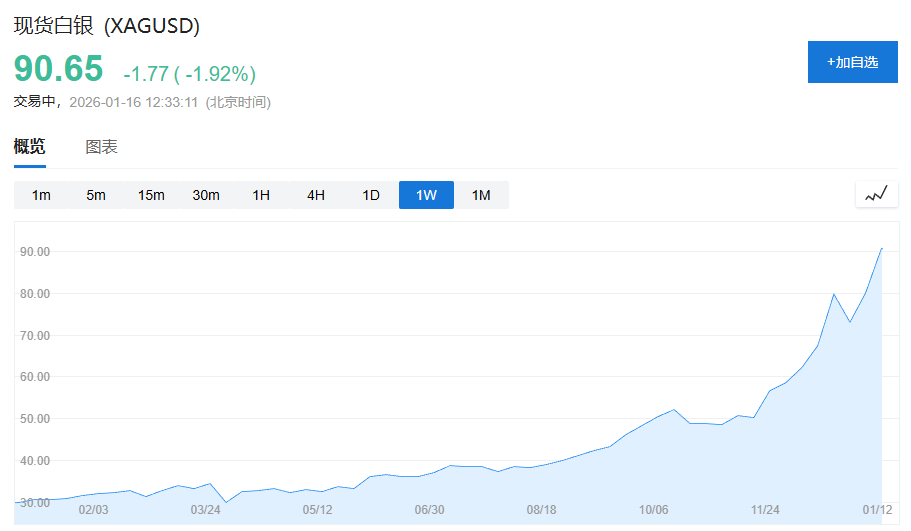
Core Insights - The cost of silver paste in photovoltaic (PV) modules has surged from 3.4% of total costs in 2023 to 29% currently, making it the largest cost component, surpassing silicon materials [1][3] - The rising silver prices have forced PV manufacturers to increase prices and accelerate plans to replace silver with cheaper materials like copper, with an expected 17% reduction in silver usage this year [1][7] Group 1: Cost Impact - A rise of 1000 yuan per kilogram in silver price increases the cost of solar cells by 0.01 yuan per watt, which is critical for the already thin profit margins in the PV industry [2] - The current silver consumption for TOPCon cells is approximately 10-13 mg/W, and if silver prices remain high, the cost from silver paste alone could reach 0.1-0.13 yuan per watt [3] Group 2: Price Adjustments - Chinese module manufacturers have raised prices by 1.4% to 3.8%, with mainstream 500W modules now priced around 400 yuan (approximately 57 USD) [3] - Leading companies like Longi Green Energy and Aiko Solar have recently increased their shipping prices, citing rising raw material costs [3] Group 3: Industry Challenges - Mid-tier companies are facing more severe challenges compared to leading firms, with some forced to halt production due to cash flow issues, financing difficulties, and inventory buildup [4][5] - A notable example includes a battery manufacturer in Hunan that ceased operations, stating there are currently no alternative solutions [6] Group 4: Supply and Demand Dynamics - The surge in silver prices is attributed to a supply-demand imbalance, with industrial demand, including solar energy, accounting for 65% of total silver demand [6] - The silver usage in the PV industry represents over 15% of global silver production, with a projected supply-demand gap of 5,000 tons by 2025 [6] Group 5: Material Substitution Efforts - Companies like Longi Green Energy are accelerating the replacement of silver with cheaper metals, with predictions that the PV industry could reduce silver usage by 17% this year [7] - Some technological routes have the potential to lower silver content to 25%, theoretically achieving a 90% reduction [7] Group 6: Risks of Substitution - The aggressive substitution strategy carries significant risks, as the stability of copper is inferior to silver, leading to potential long-term liabilities for manufacturers if panels fail before the warranty period [8] - Current substitution methods face challenges such as unstable printing of paste and suboptimal yield rates [8]





白银暴涨,光伏流泪
Hua Er Jie Jian Wen· 2026-01-16 04:59
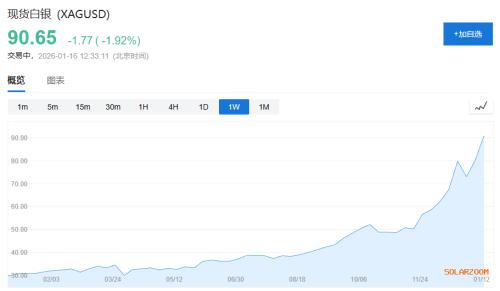
Core Viewpoint - The surge in silver prices, which has increased over 200% since early last year, poses significant challenges for the photovoltaic (PV) industry, leading to increased production costs and potential operational disruptions [1][2][5]. Group 1: Silver Price Impact on PV Industry - Silver paste has become the largest cost component in solar modules, rising from 3.4% of total costs in 2023 to 29% currently [2]. - The cost pressure from rising silver prices is forcing some PV companies to halt production or raise prices, with major manufacturers accelerating efforts to reduce silver usage [2][3]. - A 1000 yuan/kg increase in silver price raises the cost of solar cells by 0.01 yuan per watt, which can significantly impact the operational rates of factories in the low-margin PV sector [3]. Group 2: Company Responses and Market Dynamics - Leading companies like Longi Green Energy and Aiko Solar have raised their product prices due to rising raw material costs, with prices for mainstream 500W modules increasing to around 400 yuan (approximately 57 USD) [3]. - Mid-tier companies are facing severe financial strain, leading to extreme measures such as production halts, as seen with a 2GW battery manufacturer in Hunan and the established firm Yijing Photovoltaic [4]. - Despite efforts to clear excess capacity, companies like Trina Solar and JinkoSolar are issuing profit warnings, indicating potential net losses in 2025 due to the ongoing challenges in the market [5]. Group 3: Efforts to Reduce Silver Usage - The PV industry is adopting "de-silvering" strategies to mitigate the impact of high silver prices, with Longi Green Energy announcing plans to accelerate the use of alternative metals [6]. - Analysts predict that the industry could reduce silver usage by 17% this year through technologies like copper plating and silver-coated copper [6]. - However, the aggressive shift to alternative materials carries risks, including potential long-term reliability issues, as copper is less stable than silver and may not meet warranty requirements [7].