参数内卷

Search documents
当“科技”成为轿跑新灵魂,尚界Z7让年轻人不必再做选择题
财联社· 2026-03-27 00:29
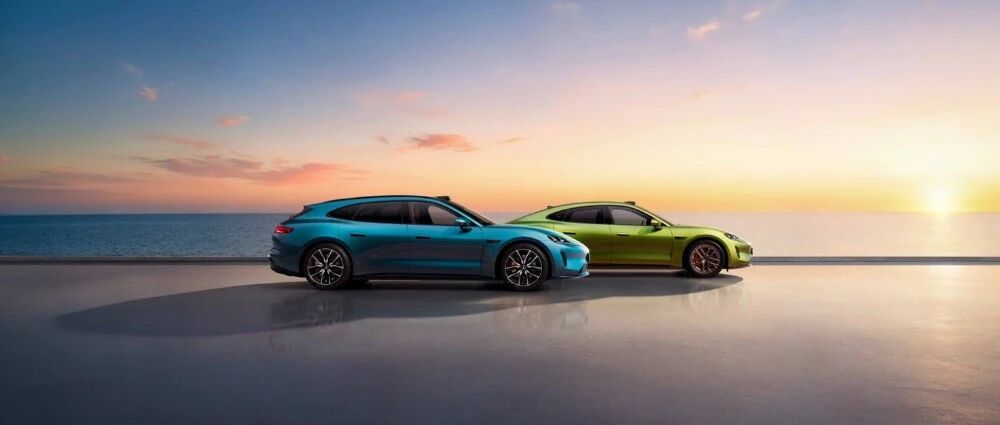
Core Viewpoint - The coupe market is at a crossroads between being well-received and commercially successful, facing severe homogenization as most players focus solely on acceleration metrics, neglecting the broader needs of young consumers [1][3][4] Group 1: Market Dynamics - The current trend in the coupe market emphasizes speed, reducing the value proposition to mere acceleration figures, which does not align with the actual demands of younger users [1][4] - New products like the Shangjie Z7 and Z7T are attempting to redefine the coupe experience by integrating technology as a core value, moving beyond the "acceleration-first" narrative [1][5] Group 2: Product Features - The Shangjie Z7 features advanced technology such as Huawei's 896-line dual-path laser radar, enhancing its ability to detect small obstacles and improve safety in driving scenarios [5][7] - The vehicle is equipped with a comprehensive suite of 13 advanced technologies, including the Huawei Tuling platform and health-focused features, making high-tech options standard rather than optional [8][17] Group 3: User-Centric Approach - The Shangjie Z7 aims to resonate with Generation Z by focusing on emotional value, aesthetic appeal, and practical intelligence, rather than just performance metrics [14][16] - The brand's strategy emphasizes understanding the true needs of young consumers, positioning the Z7 as a "full partner" rather than just a performance vehicle [12][13] Group 4: Market Impact - The introduction of the Shangjie Z7 and Z7T has led to significant market interest, with over 25,000 orders within 24 hours, indicating a strong demand for vehicles that align with the preferences of younger buyers [17][18] - This shift in focus from speed to a more holistic value proposition is expected to reshape the coupe market, prioritizing user experience and technological integration [18]

拒绝“参数内卷”:比亚迪发布二代刀片电池与万站计划
Guan Cha Zhe Wang· 2026-03-07 12:35
Core Insights - The core message emphasizes the importance of returning to user experience and addressing real consumer pain points in the electric vehicle (EV) industry, moving away from mere technical specifications and numbers [1][4][23] Group 1: BYD's Technological Advancements - BYD announced the launch of its second-generation blade battery and flash charging technology, achieving a charging efficiency of 10% to 70% in just 5 minutes and 10% to 97% in 9 minutes [3][8] - The new battery also boasts improvements in energy density, low-temperature adaptability, safety, and warranty policies, marking a significant upgrade from previous models [3][10] - The second-generation blade battery has surpassed traditional lithium-ion batteries in fast charging capabilities, achieving a charging speed that closely matches that of gasoline vehicles [8][9] Group 2: Flash Charging Strategy - BYD's "Flash Charging China" strategy aims to build 20,000 flash charging stations nationwide by the end of 2026, including 18,000 urban stations and 2,000 highway stations [15][19] - The goal is to ensure that users can access flash charging services within 5 kilometers in urban areas and every 100 kilometers on highways, addressing long-distance travel charging anxiety [17][20] - All owners of vehicles equipped with the second-generation blade battery will enjoy one year of free flash charging at nationwide stations, enhancing user experience [22] Group 3: Industry Trends - The shift from "parameter competition" to focusing on real user needs reflects a broader trend in the EV industry, as companies like Huawei and XPeng also emphasize user experience and safety in their technological advancements [4][23] - The industry is recognizing that merely showcasing higher specifications is insufficient to attract consumers in a market transitioning to stock competition [5][23]


当参数狂欢退潮,只有雅阁这样的车能陪你“到世界尽头”
Zhong Guo Qi Che Bao Wang· 2025-12-22 09:30
Core Viewpoint - The automotive market is evolving rapidly, with a focus on technology and features, yet there is a growing nostalgia for reliable, well-built vehicles that can endure over time [1][3][20] Group 1: Product Features and Technology - The sixth-generation Accord, despite its age and high mileage, showcases the importance of durable products in a fast-paced automotive market [1] - The Accord offers two powertrain options: the fuel-efficient锐·T动 gasoline version and the e:PHEV plug-in hybrid version, catering to diverse consumer needs [6] - The e:PHEV features a fourth-generation i-MMD dual-motor hybrid system, addressing the industry's common pain point of performance when battery levels are low [6][8] - The fuel version is equipped with a 1.5T VTEC turbocharged engine, delivering 260N·m of peak torque at 1700 RPM, demonstrating responsive power [10] Group 2: Safety and Reliability - The Accord's safety philosophy emphasizes comprehensive protection, integrating advanced safety features and robust structural design [11][13] - The vehicle's structure utilizes high-strength steel, with 8.8% of the body made from 1500Mpa hot-formed steel, ensuring a strong safety framework [13] - The Honda SENSING safety system has evolved to include new features like door opening warnings and front traffic crossing alerts, enhancing overall safety [15] - The Accord has achieved top safety ratings from global authorities, reflecting its commitment to safety and reliability [13][15] Group 3: Market Performance and Longevity - The Accord has sold over 25 million units globally, with nearly 3.5 million units in China, indicating strong market acceptance and product strength [16] - It consistently ranks high in resale value within the mid-size car segment, demonstrating its long-term reliability and quality [18] - Approximately 700,000 Accords in China are over 15 years old and still operational, with many exceeding one million kilometers without major repairs [20] - The emotional connection between users and their Accords is highlighted by the vehicle's ability to serve as a reliable companion throughout various life stages [20]

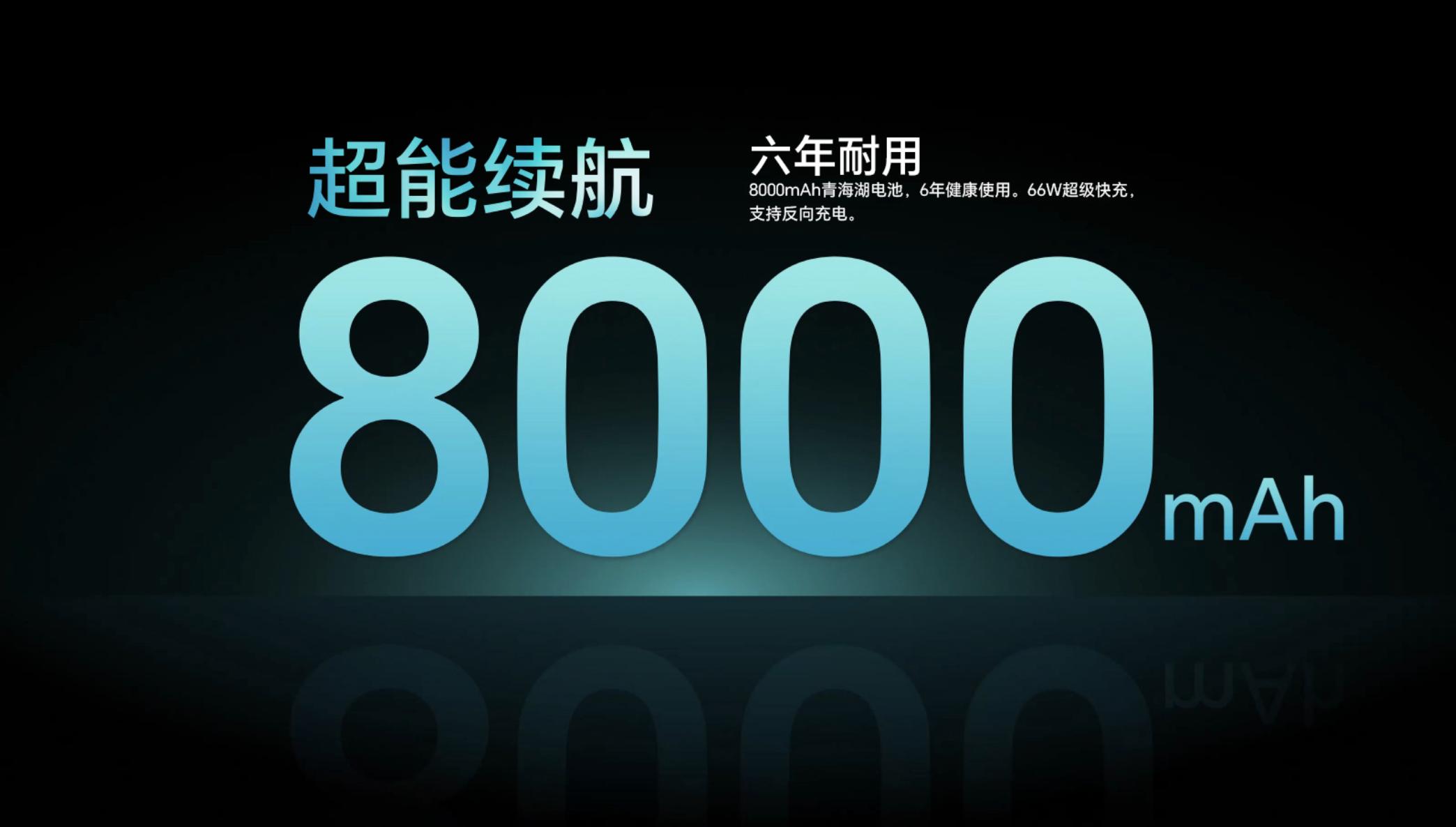
手机电池突破8000mAh?硅碳技术的回旋镖:「折寿」换容量
3 6 Ke· 2025-05-06 00:15
Core Viewpoint - The increasing battery capacity in smartphones, reaching levels like 6000mAh, 7000mAh, and even 8000mAh, is a response to consumer demand for longer battery life, but it raises concerns about the longevity and performance of these batteries due to the adoption of silicon-carbon technology [1][12][19]. Group 1: Battery Technology - Silicon-carbon battery technology enhances energy density by mixing silicon with traditional graphite, allowing for increased capacity without enlarging battery size [3][8]. - Despite the advantages, silicon expands up to 300% during charge and discharge cycles, which can lead to reduced battery lifespan and stability [4][7]. - The lifespan of silicon-carbon batteries may drop to 80% after one year, compared to 85-90% for traditional batteries, indicating a significant trade-off between capacity and longevity [7][12]. Group 2: Market Dynamics - The smartphone market is highly competitive, with manufacturers feeling pressured to offer higher battery capacities to avoid falling behind competitors [12][14]. - The demand for high-quality imaging in smartphones has led to larger camera modules, further complicating the balance between battery size and device performance [15][17]. - Manufacturers are exploring solutions to mitigate the downsides of silicon-carbon batteries, such as limiting active battery capacity to extend lifespan [17][19]. Group 3: Future Outlook - The development of silicon-carbon technology is seen as a stepping stone towards all-solid-state batteries, which promise higher energy density, longer cycle life, and improved safety [19][20]. - Companies like Samsung are already working on all-solid-state batteries, with potential market introduction as early as 2026 [20]. - The ongoing trend of increasing battery capacity may not necessarily translate to better user experience, as consumers prioritize practical usability over numerical specifications [21][23].