反制策略

Search documents
96吨稀金归国!中美算总账,118亿美债抛售震动全球
Sou Hu Cai Jing· 2025-12-21 17:05
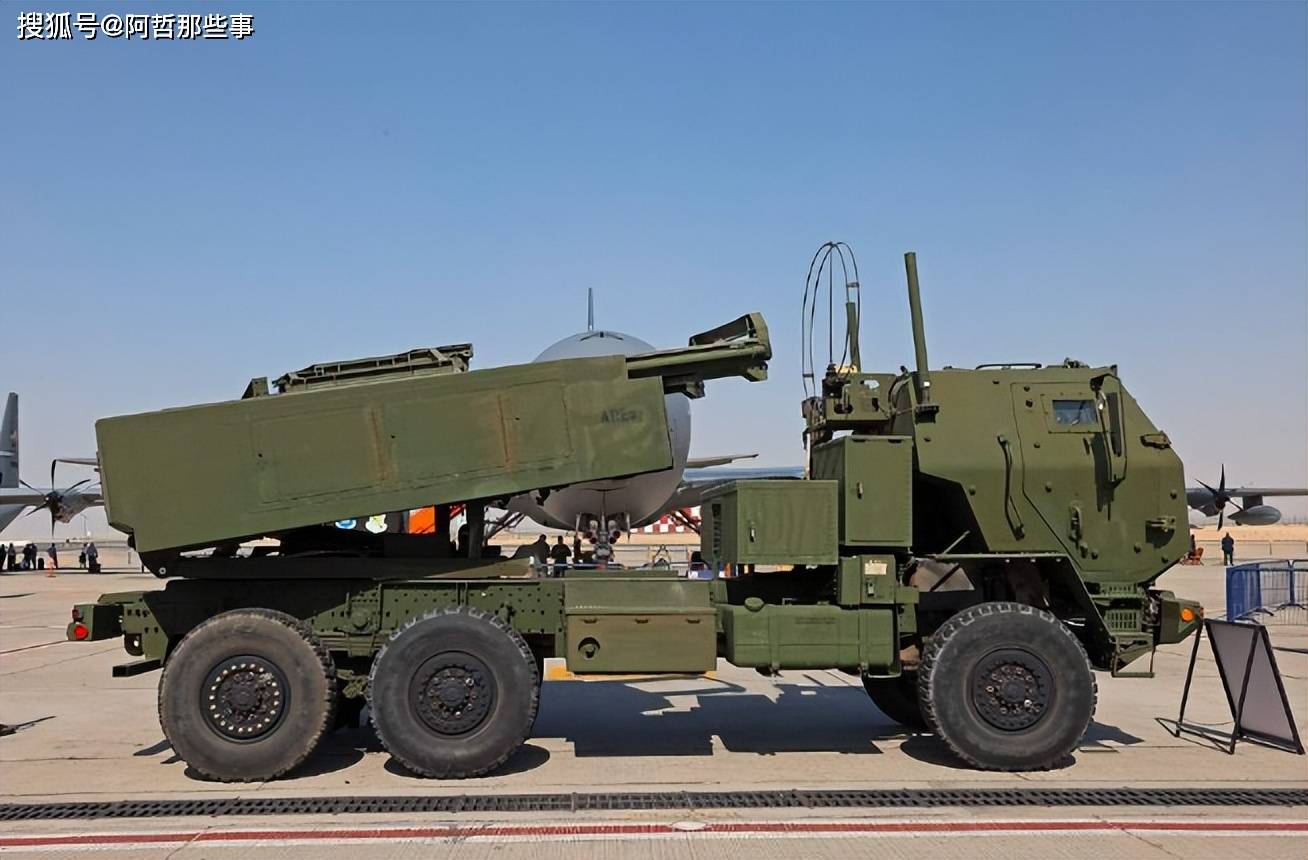
Group 1 - The article highlights a series of retaliatory actions taken by China in response to U.S. military sales to Taiwan, including the cancellation of a 132,000-ton wheat order and the sale of $11.8 billion in U.S. Treasury bonds, signaling a shift in the dynamics of U.S.-China relations [1][8][11] - The smuggling case involving 166 tons of antimony ingots is emphasized as a significant national security threat, given that antimony is a critical material for military applications, with China controlling a substantial portion of global supply [3][4][5] - The U.S. military sales to Taiwan, amounting to $11.1 billion, represent the highest level of arms sales since 1979, indicating a strategic shift towards land warfare capabilities, which China perceives as a direct threat [5][6][8] Group 2 - The cancellation of the wheat order is described as a precise strike against U.S. agricultural interests, which heavily rely on Chinese imports, highlighting the interconnectedness of U.S. agricultural states and their dependency on China [5][8][9] - The article discusses China's strategy of leveraging its control over rare metals and agricultural imports to counter U.S. provocations, indicating a shift from reactive to proactive measures in international relations [8][9][10] - The overall narrative suggests that China is now in a position of strength, capable of dictating terms in the U.S.-China relationship, with a focus on maintaining national interests and countering perceived threats effectively [9][11]

从挨打到主动出牌,中国王牌反制,美国终承认:离不开该合作伙伴
Sou Hu Cai Jing· 2025-11-26 07:32
Group 1 - The article discusses the dramatic impact of the U.S. tariff policy, particularly the increase to 125%, which has led to significant price hikes for basic goods, costing American households an additional $2,400 annually [3][5][6] - The U.S. isolation strategy has backfired, as attempts to decouple from global supply chains have resulted in negative consequences for the U.S. economy, while China has shown resilience and adaptability [5][6][10] - By 2025, China's foreign trade has grown by 4%, with exports to Africa increasing by 56.4%, indicating a shift in global trade dynamics and a more diversified trade network [13][15] Group 2 - Despite high tariffs, China's response has evolved from passive defense to proactive strategies, utilizing key resources like rare earths and semiconductors to counter U.S. actions [16][18] - The capital markets reflect a growing recognition of China's integral role in the global economy, with companies like Tesla and Volkswagen continuing to invest in China despite geopolitical tensions [18][19] - The article emphasizes that the international order is shifting towards a more complex interdependence, where the costs of excluding China from global supply chains are becoming increasingly untenable for the U.S. [21][24][27]
我与美国打“港口停靠费”可能会吃亏,不如转向打“机场使用费”
Sou Hu Cai Jing· 2025-10-20 05:45
Core Viewpoint - The recent escalation in the US-China rivalry is marked by the US imposing additional port fees on Chinese vessels, prompting a swift retaliatory response from China with a new fee structure for US-operated ships [1][3]. Group 1: US-China Port Fee Dispute - The US began charging extra port fees on Chinese-built vessels starting October 14, 2023, which has led to China's immediate implementation of a special port fee for US ships docking in Chinese ports, effective from October 14, 2025, at a rate of 400 RMB per net ton [1]. - The criteria for the fee include ships operated by US entities or those with 25% or more US ownership, which may inadvertently affect vessels owned by other countries due to the minority US stake [3]. Group 2: Strategic Response - China is advised to adopt a strategy of countering in areas where it holds advantages, rather than passively responding to US actions, particularly in the maritime sector where China has a significant global presence in shipping and shipbuilding [5]. - The suggestion is to shift the battleground to the aviation sector, where the US has a dominant market share, by imposing additional airport usage fees on US-made passenger and cargo aircraft operating in China, thereby increasing operational costs for US airlines [7]. - This approach not only aims to create economic pressure on the US but also seeks to exploit potential divisions among US allies, particularly in the context of competition between major aircraft manufacturers like Boeing and Airbus [7].