吴越文化

Search documents
(新春走基层)《太平年》热播 民众打卡杭州西湖感受吴越文化
Xin Lang Cai Jing· 2026-02-23 13:30
Group 1 - The core viewpoint of the article highlights the increase in tourism at historical sites in Hangzhou, such as Qianwang Temple and Leifeng Pagoda, due to the popularity of the TV drama "Taiping Nian" [2][9][11] - Tourists are engaging with the cultural heritage of the Wu-Yue region, as they visit these sites to experience the historical context depicted in the drama [2][7][8] - The article notes that the drama's influence has led to a resurgence in interest in local history and culture, as evidenced by the number of visitors at these landmarks [2][4][6]

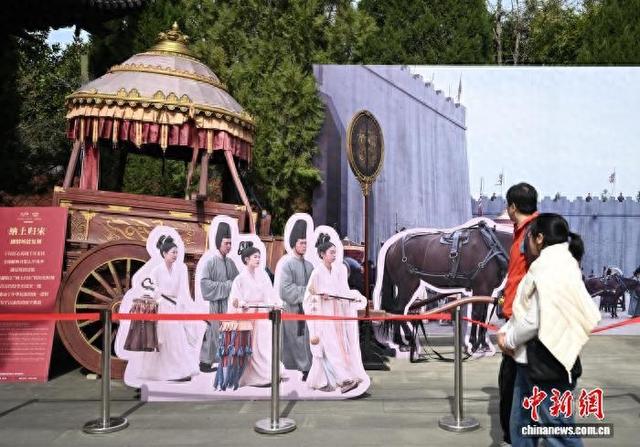
临安:跟着《太平年》打卡吴越古迹
Hang Zhou Ri Bao· 2026-02-17 03:22
Core Viewpoint - The television series "Tai Ping Nian," set against the backdrop of "Na Tu Gui Song," is currently popular on CCTV, prompting cultural tourism activities in Lin'an during the Spring Festival holiday [1] Group 1: Cultural Tourism Initiatives - The newly opened Yijincheng Ruins Museum serves as a new window to explore the history of Wu and Yue [1] - The Wu and Yue Culture Museum provides a systematic and comprehensive display of the culture and artifacts from the Wu and Yue Kingdom period [1] - Lin'an Museum offers a chronological overview of Lin'an's historical changes from prehistoric times to the Ming and Qing dynasties [1] Group 2: Thematic Activities and Installations - Various cultural venues in Lin'an have launched the "Follow 'Tai Ping Nian' to Tour Lin'an" series of activities, blending the ancient Wu and Yue culture with the festive atmosphere of the New Year [1] - In Qingshan Lake Water Forest Park, numerous artistic installations and New Year-themed decorations are strategically placed [1] - The Yijincheng Ruins Park features a market and festive lights that recreate the grandeur of the Wu and Yue era [1] Group 3: Immersive Experiences - The Wu and Yue Culture Museum showcases 25 sets of costumes from the series "Tai Ping Nian," allowing visitors to experience the elegance of Wu and Yue culture in an immersive manner [1] - Lin'an has introduced a themed bus line for "Tai Ping Nian," providing direct access from Hangzhou East Railway Station to key attractions like the Wu and Yue Culture Museum, with the bus featuring imagery from the series [1]
新春走基层 ·见喜|当爸妈用AI送出春节祝福
Xin Lang Cai Jing· 2026-02-15 23:23
Group 1 - The article highlights the impact of AI on traditional cultural practices, particularly in the context of Chinese New Year greetings and family interactions [1][3] - AI software has been adopted by older generations, such as the author's parents, to enhance their communication and efficiency in their work related to cultural studies [3][5] - The efficiency of AI tools is praised by cultural scholars, who find that they can organize extensive research materials in seconds, thus transforming their workflow [5][10] Group 2 - The integration of AI in cultural research is seen as a positive development, allowing for a more logical and less fragmented approach to historical analysis [5] - The article discusses the cultural significance of the Wu-Yue region and how AI-generated content is being used in tourism and cultural promotion [5] - There is a recognition that AI may reshape traditional cultural narratives, similar to the impact of blogging in the past, suggesting a dual relationship between technology and cultural storytelling [10]
吴越文化蕴含的中华文明突出特性
Xin Lang Cai Jing· 2026-02-13 19:33
Core Viewpoint - The article discusses the significance of the Wu-Yue culture during the Five Dynasties and Ten Kingdoms period, highlighting its contributions to social stability, economic development, cultural integration, trade, and peaceful governance, which collectively shaped the character of Jiangnan culture and contributed to the continuity of Chinese civilization [1][6]. Group 1: Social Stability and Continuity - Wu-Yue culture reflects continuity through social stability, originating from the Spring and Autumn period and inheriting the openness of Tang culture, ultimately forming a unique regional characteristic [2]. - The Wu-Yue state adopted strategies of "protecting the territory and ensuring the people's safety," leading to a prolonged period of stability in the Zhejiang region, which laid the foundation for the prosperity of the Yangtze River Delta [2]. - Historical figures like Su Shi acknowledged the peaceful life of Wu-Yue citizens, emphasizing the state's significant contributions to history [2]. Group 2: Economic Development and Innovation - The Wu-Yue state implemented practical strategies to encourage agriculture and handicrafts, leading to the flourishing of industries such as silk, ceramics, and tea, which were crucial for the economic rise of the Song Dynasty [3]. - Innovations like the "bamboo cage stone pond method" for flood control were developed, influencing engineering practices for centuries [3]. - The urban planning of Hangzhou, characterized by its harmonious integration with natural landscapes, set a precedent for water network cities in Jiangnan [3]. Group 3: Cultural Integration and Unity - The integration of Yue and Wu cultures resulted in a unified Wu-Yue culture, flourishing in arts such as poetry and painting due to the stable social environment [4]. - Wu-Yue culture emphasized the fusion of technology and art, contributing to advancements in architecture and astronomy, which influenced later works [4]. - The state played a significant role in the cultural exchange of Buddhism with neighboring regions, promoting the sinicization of Buddhism [4]. Group 4: Trade and Inclusiveness - Wu-Yue's geographical advantage facilitated extensive trade, making it a prosperous region during turbulent times, with exports including tea, silk, and ceramics [5]. - The state maintained close trade relations with the Central Plains and foreign regions, exporting goods that were well-received internationally [5]. - The flourishing overseas trade contributed to cultural exchanges and laid the groundwork for the maritime Silk Road during the Song and Yuan dynasties [5]. Group 5: Peaceful Governance - The Wu-Yue state established a governance strategy focused on "protecting the territory and ensuring the people's safety," maintaining allegiance to the Central Plains [6]. - The peaceful transition of power and the decision to integrate into the Song Dynasty exemplified the state's commitment to national unity and stability [6]. - This historical decision not only brought peace to the people but also established a model for future governance in the Jiangnan region [6].

《太平年》热播背后,吴越国“遗产”如何守护?
Xin Lang Cai Jing· 2026-02-05 07:52
Core Viewpoint - The recent popularity of the historical drama "Tai Ping Nian" has sparked public interest in the cultural heritage of the Wu-Yue Kingdom during the Five Dynasties and Ten Kingdoms period, prompting discussions on enhancing the influence of Wu-Yue culture through research, preservation, and dissemination [1][4]. Group 1: Cultural Heritage and Preservation - The Wu-Yue Kingdom period is recognized as a significant phase in the socio-economic development of ancient Hangzhou, establishing the city's foundational layout, with numerous relics such as urban sites, tombs, temples, and caves still present [3][4]. - A proposal was made to create a comprehensive narrative of Wu-Yue relics by connecting various sites through multiple perspectives, including urban development, water management, and Buddhist art, to form an experiential cultural display system [3][4]. - The establishment of a "Wu-Yue Kingdom Place Name Cultural Database" and themed tours was suggested to utilize place names as cultural links that narrate Hangzhou's stories and connect past and present [4]. Group 2: Active Cultural Transmission - The Wu-Yue Kingdom maintained peace and prosperity for nearly a century, leading to significant cultural development characterized by regional and temporal features [5]. - Suggestions were made to extract themes such as "civilizational transmission," "ecological wisdom," and "craftsmanship" from Wu-Yue culture to integrate local culture into global narratives, achieving "active transmission" of Wu-Yue culture [5]. - The importance of transforming Wu-Yue cultural heritage into modern consumer experiences was emphasized, with proposals for developing products like secret color porcelain and Wu-Yue silk to enhance cultural relevance in contemporary life [5][6]. Group 3: Challenges and Solutions in Cultural Heritage - Despite the rich physical remains and clear historical records of secret color porcelain, challenges such as the loss of core techniques, limited protective materials, and shortages of talent and funding hinder research and preservation efforts [6]. - Recommendations include establishing a specialized evaluation system for protective agents for secret color porcelain and fostering collaboration between universities, research institutions, and museums to cultivate a professional talent pool [6]. - The use of digital technology for the protection, detection, and research of Wu-Yue stone carvings was proposed, along with the creation of a digital display museum to enhance public engagement and cultural value dissemination [6].
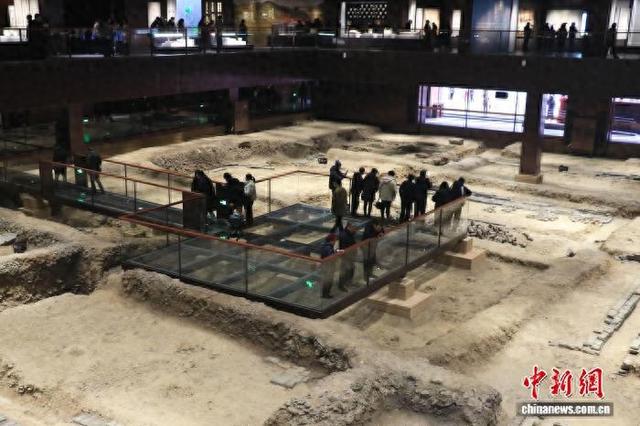
临安新添吴越文化核心地标 再现古城烟火与营造智慧
Hang Zhou Ri Bao· 2026-01-29 03:22
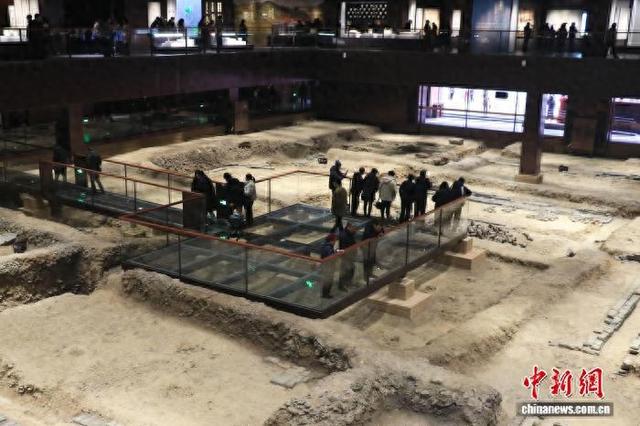
Core Insights - The Yijincheng Ruins Museum in Lin'an District has opened, serving as a significant cultural landmark and a real-life source for the historical context of the popular CCTV drama "Tai Ping Nian" [1] - The museum showcases archaeological findings from the Wu-Yue Kingdom, with a total exhibition area of 6,500 square meters, focusing on the city wall, city gate, and other architectural relics [1] Group 1 - The museum currently exhibits relics from the late Tang to Song and Yuan periods, covering an area of approximately 1,700 square meters, including the southern city wall, internal roads, drainage systems, and various residential structures [2] - The oldest relics date back over 1,300 years, and the museum employs a combination of protective and display techniques to enhance visitor experience [2] - Key highlights include ancient wells with clear water, numerous pottery jars confirming historical records, and a sophisticated drainage system showcasing the construction wisdom of the Wu-Yue Kingdom [2] Group 2 - The museum utilizes advanced technologies such as light and shadow, multimedia sand tables, and projections to create an immersive experience for visitors, allowing them to "travel back" to the ancient Yijincheng [3] - Lin'an, as the birthplace of the Qian Wang, is developing a rich cultural axis that includes various historical sites and museums, enhancing the city's cultural offerings [3]
探访杭州衣锦城遗址博物馆 从千年遗址窥见“太平年”
Xin Lang Cai Jing· 2026-01-28 13:39
Core Viewpoint - The opening of the Yijincheng Ruins Museum in Hangzhou provides a cultural and educational space that highlights the historical significance of the Wuyue Kingdom and its contributions to peace and stability in ancient China [1][4]. Group 1: Museum Overview - The Yijincheng Ruins Museum officially opened to the public on January 28, featuring a total exhibition area of 6,500 square meters, divided into two sections: the Central Hall and the South Hall [1]. - The museum showcases urban relics from the late Tang and Five Dynasties to the Song and Yuan periods, illustrating the historical achievements and national sentiments of the Wuyue Kingdom [1][2]. Group 2: Cultural Significance - The museum serves as a significant cultural landmark in Hangzhou, allowing archaeological findings from the Yijincheng site to be accessible to the public [4]. - The museum emphasizes the Wuyue Kingdom's governance philosophy of "protecting the territory and ensuring the people's safety," which laid a crucial foundation for the economic shift of China towards the south [2]. Group 3: Visitor Experience - To enhance visitor engagement, the museum features a glass walkway over the ruins, allowing close-up views of the archaeological site [2]. - The museum employs various multimedia presentations and scene reconstructions to create an immersive experience, blending ancient and modern scenes [2].
嘉兴何不醉江南
Xin Lang Cai Jing· 2026-01-22 23:17
Core Perspective - The article emphasizes the rich cultural heritage and historical significance of Jiaxing, a city in the Jiangnan region, highlighting its evolution from ancient agricultural roots to a modern cultural hub [2][3][32]. Group 1: Historical Foundations - Jiaxing's cultural roots trace back to the Majiabang culture, which dates back 7,000 years, marking the beginning of rice cultivation in the region [3][4]. - The Majiabang culture is considered the source of Jiangnan culture, with its agricultural practices and settlement patterns laying the groundwork for future civilizations [4][6]. - The region's historical significance is further underscored by the cultural transitions during the Song and Ming dynasties, which solidified Jiaxing's role in the development of Jiangnan culture [25][31]. Group 2: Cultural Interactions - The article discusses the cultural exchanges between the Wu and Yue states during the Spring and Autumn period, which contributed to the formation of a unique cultural identity in Jiaxing [12][13]. - The Grand Canal, constructed in 610 AD, played a crucial role in connecting Jiaxing to broader economic and cultural networks, facilitating trade and cultural exchange [16][17]. - Jiaxing emerged as a center for cultural and economic activity during the Tang and Song dynasties, with its strategic location enhancing its prominence in Jiangnan [19][21]. Group 3: Literary and Artistic Contributions - Jiaxing has a rich literary tradition, producing numerous scholars and artists throughout history, contributing significantly to Chinese culture [25][30]. - The city is noted for its historical figures who have made substantial contributions to literature, science, and the arts, reflecting its status as a cultural hub [30][31]. - The article highlights the importance of Jiaxing's literary heritage, with a significant number of scholars and officials originating from the region, showcasing its intellectual legacy [25][31]. Group 4: Modern Cultural Dynamics - The revolutionary spirit, symbolized by the founding of the Communist Party in 1921, has infused Jiaxing's cultural landscape with new vitality [32][33]. - The integration of revolutionary culture with traditional Jiangnan values has created a unique cultural identity for Jiaxing, blending historical depth with modern significance [34][35]. - Jiaxing continues to evolve as a vibrant cultural entity, maintaining its historical roots while adapting to contemporary influences [35][36].
临安推出吴越文化三大打卡点
Hang Zhou Ri Bao· 2026-01-20 03:03
Core Viewpoint - The television series "Tai Ping Nian," set against the backdrop of "Na Tu Gui Song," has premiered and aims to deepen public understanding of the historical context and cultural significance of the Wu-Yue kingdom and its founder, Qian Liu [1][2]. Group 1: Cultural Significance - The series highlights the cultural heritage of Lin'an, showcasing three key cultural sites that embody the essence of Wu-Yue culture [1]. - The Wu-Yue Cultural Museum features exquisite artifacts such as secret color porcelain, reflecting the prosperous life and advanced craftsmanship of the Wu-Yue kingdom [1]. - The Yijincheng Ruins Museum allows visitors to experience the historical significance of the ancient Wu-Yue capital, evoking the grandeur of its past [1]. Group 2: Historical Context - The narrative traces back to the Five Dynasties and Ten Kingdoms period, focusing on Qian Liu's establishment of the Wu-Yue kingdom during a time of chaos [2]. - The last king of Wu-Yue, Qian Hongchu, chose to "Na Tu Gui Song," adhering to the principle of serving the central government and ensuring the welfare of his people, marking a significant transition from regional power to unity under the Song dynasty [2].
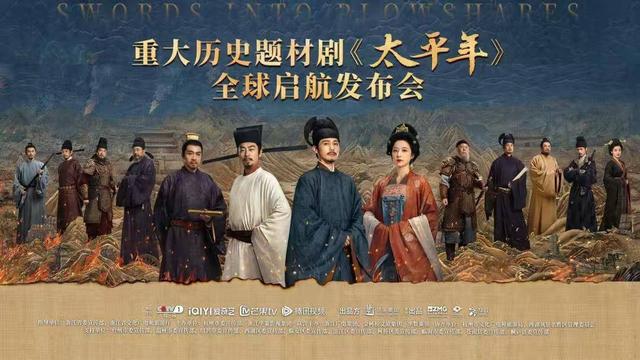
聚焦吴越国“纳土归宋”史诗, 《太平年》全球启航
Xin Lang Cai Jing· 2026-01-18 15:20
Core Viewpoint - The historical drama "Taiping Year" is set to launch globally, focusing on the epic story of the Wu-Yue Kingdom's integration into the Song Dynasty, produced by Huace Group and supported by various cultural and tourism organizations in Zhejiang [1][3]. Group 1: Production and Support - "Taiping Year" has been in development for ten years and has received multiple supports, including funding from the Ministry of Culture and key project guidance from the National Radio and Television Administration [3]. - The series will be broadcast on major platforms such as CCTV-1, iQIYI, Mango TV, and Tencent Video, with translations in 15 languages across over 100 global broadcasting institutions [1][3]. Group 2: Cultural Significance - The drama reflects the historical contributions of the Wu-Yue Kingdom, emphasizing themes of peace and unity within Chinese civilization [5][6]. - The Zhejiang Provincial Department of Culture, Radio, and Tourism highlighted the project as a significant initiative for the "Drama Tourism Zhejiang" program, aiming to enhance the integration of film and tourism [5]. Group 3: Creative Insights - The creative team, including the producer and directors, emphasized the importance of historical accuracy and character depth, aiming to resonate with contemporary audiences while maintaining the integrity of the historical narrative [8][10]. - The series features over 230 characters, aiming to present a rich and nuanced portrayal of historical figures and events [8]. Group 4: Audience Engagement - The launch event included initiatives to promote tourism related to the series, encouraging audiences to explore the cultural heritage of the Wu-Yue region through various activities and themed tours [12]. - The project aims to transition from merely telling Chinese stories to engaging audiences in a deeper cultural dialogue, enhancing the global understanding of Chinese history and values [12].