
品牌共识

Search documents
说什么,也要让车开进春晚
汽车商业评论· 2026-02-15 23:04
Core Viewpoint - The article discusses the evolving role of the automotive industry in the context of the CCTV Spring Festival Gala, highlighting how automotive brands have increasingly integrated into this national event as a marketing platform over the years [4][19]. Group 1: Historical Context and Evolution - The CCTV Spring Festival Gala has been a significant platform for advertising since its inception in 1984, with the first automotive advertisement appearing in 2004 [4][13]. - Initially, the automotive industry was not a major sponsor of the gala, with the focus shifting from household appliances to internet companies in the 2010s [13][19]. - The first major automotive sponsorship occurred in 2014, marking a turning point for automotive brands in leveraging the gala for marketing [15][19]. Group 2: Current Automotive Brands and Their Strategies - In 2026, several automotive brands, including Jiangqi Group's high-end model Zun Jie S800, Geely's Lynk & Co 900, and Great Wall's Wei brand, are confirmed to participate in the gala, showcasing their flagship models [11][12]. - The article emphasizes that these brands represent the core strength of the Chinese automotive industry, with their participation symbolizing a significant leap in brand image and technology [11][12]. - The integration of automotive brands into the gala reflects a broader trend of showcasing "Chinese manufacturing" and technological advancements [19][26]. Group 3: Marketing Strategies and Audience Engagement - The article outlines various methods of automotive brand integration into the gala, including background branding, vehicle displays, and product placements in skits [21][22]. - The 2024 gala saw innovative marketing strategies, such as Xiaomi's car model being prominently displayed among guests, indicating a shift towards more creative advertising approaches [21][22]. - Experts suggest that the gala remains a valuable platform for automotive brands to build consensus and emotional connections with consumers, particularly during the family-oriented Lunar New Year celebrations [30][32].






肖明超:十年消费趋势变迁,所有品牌都要思考“意义”与“价值”
Zhong Jin Zai Xian· 2025-12-31 06:54
Core Insights - The core viewpoint of the articles emphasizes the transformation of consumer behavior in China over the past decade, highlighting a shift from traditional experience-based decision-making to a more strategic, insight-driven approach in market and brand management [1][3][12] Group 1: Consumer Trends - The past decade has seen a profound evolution in China's consumer market, transitioning from the "New Premium Era" to "Meaning and Value" as the central theme for 2026 [1][3] - 75.2% of consumers are now engaging in psychological account switching, indicating a willingness to spend significantly on experiences they value, while being frugal in everyday purchases [5] - The consumer market is moving from a focus on scale and speed to a deeper engagement with consumer values, necessitating that companies provide products that offer meaningful benefits beyond functionality [6][7] Group 2: Key Trends for 2026 - The 2026 China Consumer Trend Report identifies ten key trends, with "Rational-Emotional Coexistence" and "Quality Calculation" being crucial for understanding current consumer behavior [8] - 77.8% of consumers are shifting from quantity-based consumption to a focus on quality, seeking products that provide personal growth or emotional recognition [8] - The trend "Local Flavor" is reshaping commercial geography, emphasizing the importance of local culture and experiences in consumer decision-making [8] Group 3: Business Strategies - Companies are advised to separate brand budgets from performance budgets, as brand equity is essential for sustainable growth, while performance marketing addresses immediate sales [9] - The concept of "Brand Consensus" is introduced, emphasizing the need for companies to build a coherent narrative that resonates emotionally with consumers [9] - Companies should develop three core capabilities: trend foresight, user empathy, and systemic aesthetics to navigate the evolving market landscape [11] Group 4: Future Opportunities - The "Three New" opportunities identified include new scenarios (emotional healing, daily highlights), new expertise (niche market specialization), and new intelligence (AI integration in services) [10][11] - Companies must cultivate trend foresight by establishing dedicated strategic insight teams to differentiate between fleeting trends and long-term shifts [11] - The ultimate competitive advantage in the user-centric era is establishing deep emotional consensus with consumers, transforming brands into "Consensus Brands" [12]
告别流量内卷:品牌要打一场“共识之战” | 知萌2026消费趋势
Sou Hu Wang· 2025-12-30 08:59
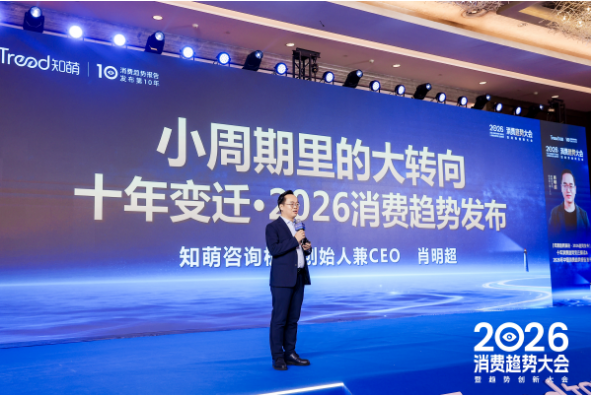
Core Insights - The 2026 Consumer Trends Conference hosted by Zhimeng in Beijing highlighted the evolution of consumer trends over the past decade and identified structural opportunities for brands in 2026 [1][3] - Zhimeng Consulting presented ten key consumer trends for 2026, emphasizing the shift from capturing attention to building public value consensus among consumers [5][8] Group 1: Consumer Trends - The ten consumer trends identified include: rational-emotional coexistence, quality calculation, spiritual nomadism, daily highlights, empathetic experiences, local trends, insiderism, health tuning, brand consensus, and AI scenario power [5] - Brands are urged to focus on creating public recognition and emotional resonance rather than merely competing for attention in a saturated market [5][10] Group 2: Market Dynamics - The market is experiencing an overload of choices, with over 20 million new consumer products introduced in 2024 alone, leading to a challenge for brands to differentiate themselves [8][10] - The proliferation of short video accounts and content has resulted in a noisy environment where consumers struggle to discern valuable information, leading to a sense of brand indifference [10][11] Group 3: Brand Consensus - Brand consensus is defined as a multi-layered process that includes cognitive consensus, value consensus, emotional consensus, and experiential consensus [12][13] - Cognitive consensus refers to the unique position a brand holds in consumers' minds, often encapsulated in a memorable phrase or symbol [13] - Value consensus focuses on the brand's value stance and lifestyle proposition, exemplified by brands like Bosideng, which connects its products to broader public values [15][17] - Emotional consensus is about the stable emotional experiences a brand evokes in consumers, often stemming from relatable stories or experiences [18][20] - Experiential consensus occurs when consumers instinctively associate a brand with specific situations, as demonstrated by Vivo's focus on concert photography [20][22] Group 4: Role of Centralized Media - Centralized platforms like Weibo are crucial for building brand consensus, as they facilitate public discussions and shared memories [25][28] - The process of creating brand consensus involves multiple stakeholders, including media, KOLs, and consumers, contributing to a collective understanding of the brand [26][28] - Successful brands become part of the social narrative, transcending individual marketing efforts to establish a lasting presence in consumers' minds [26][28]
慢增速时代,品牌如何实可持续发展?
3 6 Ke· 2025-12-09 03:14
Core Insights - The transition from high-speed growth to high-quality growth in the Chinese economy marks a significant shift in consumer behavior, emphasizing the need for brands to focus on sustainable and high-quality development paths in a slow growth environment [1][9] Group 1: Consumer Behavior Changes - Consumers are increasingly questioning the meaning and value of their purchases, moving away from traditional metrics of success based solely on traffic and functionality [1][3] - The concept of "meaning growth" emerges as a key trend, reflecting a shift in consumer priorities towards deeper emotional and experiential connections with brands [2] Group 2: Key Trends Identified - The ten major consumption trends for 2026 include: rational-emotional coexistence, quality calculation, spiritual nomadism, daily highlights, empathetic experiences, local trends, insiderism, health-oriented products, brand consensus, and AI-driven scenarios [2] - These trends collectively illustrate a clear trajectory towards "meaning growth" in the consumer market [2] Group 3: Value Equation Redefined - Consumers are becoming "rational emotionalists," demonstrating a willingness to spend on experiences that provide lasting value while being frugal on everyday items [3] - The trend of "quality calculation" emphasizes that consumers seek not just value for money but exceptional value, shifting the focus from basic functionality to emotional and experiential satisfaction [3] Group 4: Emotional Connections - As material abundance becomes the norm, consumers are seeking emotional and spiritual fulfillment through experiences such as travel and events, indicating a shift in consumption motivations [4] - The "daily highlights" trend reflects a desire for small moments of joy in everyday life, positioning brands as catalysts for these experiences [4] Group 5: Trust and Consensus - The "insiderism" trend highlights the importance of niche expertise and community recognition over traditional brand loyalty, requiring brands to cater specifically to segmented audiences [5][6] - Building broad trust through "brand consensus" is essential in an era of information overload, necessitating a systematic approach to establish emotional and experiential connections with consumers [6] Group 6: Sustainable Development Pathways - Brands must transition from capturing fleeting trends to deeply engaging with consumer values, focusing on creating emotional and immersive experiences in retail environments [7] - The shift from selling products to defining lifestyles is crucial, with health becoming a central theme in consumer choices [7] - Establishing a clear and stable brand consensus in consumers' minds is vital for long-term success, as many new products fail to capture consumer interest [8]
机构:“AI场景力”等将成为2026年新消费趋势
Zhong Guo Xin Wen Wang· 2025-12-08 10:47
Core Insights - The core viewpoint of the article emphasizes a shift in consumer behavior from material satisfaction to seeking better experiences and fulfillment, with a focus on user-defined value in the commercial world [1][2]. Group 1: Consumer Trends - The 2026 consumption trends report identifies "meaning" and "value" as key annual keywords, indicating that consumers will increasingly question the reasons behind their purchases and the value they derive from them [2]. - The report outlines ten major consumption trends for 2026, including "rational-emotional symbiosis," "quality calculation," and "spiritual nomadism," which reflect a shift towards a more nuanced understanding of consumer motivations [2][3]. - Over 80% of consumers engage in "emotional consumption" at least once a month, aimed at healing, decompressing, or rewarding themselves, highlighting the importance of emotional experiences in purchasing decisions [2]. Group 2: Brand Strategies - The trend of "health frequency" points to a refined approach to health management, while "AI scene power" suggests the integration of AI as an emotional companion in consumer experiences [3]. - The "brand consensus" trend emphasizes the necessity for brands to build deep consensus from cognition to experience in an era of information overload, which is essential for establishing a competitive moat [3].
知萌发布《2026中国消费趋势报告》 持续十年预见消费趋势
Zheng Quan Ri Bao Wang· 2025-12-08 07:29
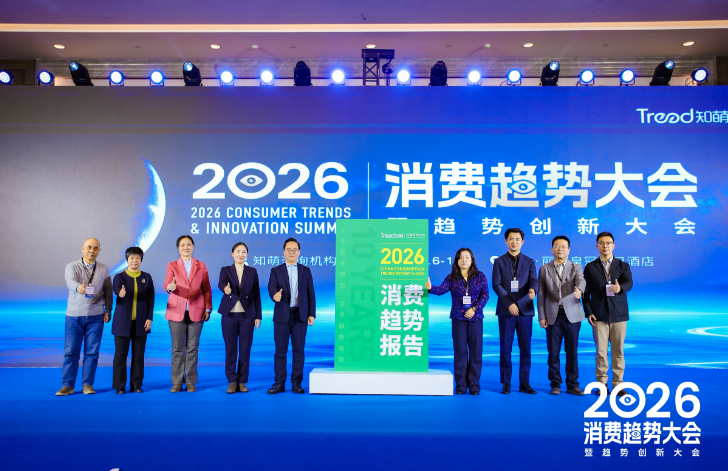
Core Insights - The 2026 Consumer Trends Conference, hosted by Zhimo Consulting, took place in Beijing on December 6-7, showcasing the annual China Consumer Trends Report, which has been a significant indicator of the Chinese consumer market for the past decade [1][2] Group 1: Conference Overview - The conference featured a two-day deep trend forum with 24 forward-looking speeches and 4 cross-industry roundtable discussions, covering ten key industries including food and beverage, home appliances, outdoor sports, retail, health, automotive, AI, and cultural tourism [1] - Zhimo's annual consumer trends report has evolved from a "small green book" in 2017 to a comprehensive analysis that includes 100 consumer trends and 450 brand case studies, serving as a crucial reference for corporate strategic decision-making and brand innovation [2] Group 2: Key Trends and Insights - Zhimo's founder and CEO, Xiao Mingchao, announced the top ten consumer trends for 2026, which include: rational-emotional symbiosis, quality calculation, spiritual nomadism, daily highlights, shared experiences, local trends, insiderism, health tuning, brand consensus, and AI scenario power [3] - The report emphasizes a shift in the commercial landscape from "high-speed growth" to "high-quality growth," highlighting a generational shift in "consumer discourse power" and a fundamental leap in the role of technology [3] Group 3: Practical Applications and Discussions - The conference included various segments such as industry roundtable discussions, brand case sharing, and trend exhibitions, attracting over a thousand attendees interested in consumer trends [4] - Experts from academia and industry discussed the underlying logic of changes in Chinese consumption and identified opportunities for the industry, focusing on themes like convenience in consumption and the upgrade of aesthetic and emotional needs [5]
AI场景力成2026年十大消费趋势
Bei Jing Shang Bao· 2025-12-08 04:41
Core Insights - The 2026 China Consumer Trends Report by Zhimeng highlights "meaning" and "value" as the annual keywords for consumer trends in 2026 [1] - The top ten consumer trends identified are: rational-emotional symbiosis, quality calculation, spiritual nomadism, daily highlights, empathetic experiences, local trend emergence, insiderism, health tuning, brand consensus, and AI scenario power [1] Group 1: Consumer Behavior Trends - "Rational-emotional symbiosis" defines the shift in consumer mindset and behavior, with 75.2% of consumers consciously engaging in psychological account replacement and planning [1] - "Quality calculation" deepens the concept of "rational-emotional symbiosis," with 77.8% of consumers pursuing "less but better," and 74.4% expecting consumption to contribute to personal growth [1] - The "spiritual nomadism" trend is supported by data showing that over 80% of consumers engage in "emotional consumption" at least once a month for purposes of healing, stress relief, or self-reward [1] Group 2: Lifestyle and Experience Trends - In lifestyle contexts, "daily highlights" and "local trend emergence" guide brands to become catalysts for ritualistic experiences and narrators of the value of local culture as a scarce lifestyle [2] - In terms of experiential aspects, "empathetic experiences" and "insiderism" reveal the value of offline flow and the power of professional recognition within circles, requiring brands to shift from creating resonant scenarios to building hard-core trust [2] Group 3: Development and Recognition Trends - The trends of "health tuning," "AI scenario power," and "brand consensus" indicate refined directions for health management, integration paths for AI as emotional partners, and the necessity for brands to establish deep consensus from cognition to experience in an era of information overload [2]