
国家风险

Search documents
2025海外债市风云激荡:“宽松狂欢”到“分化定价”的全球变局
Sou Hu Cai Jing· 2025-12-30 00:40
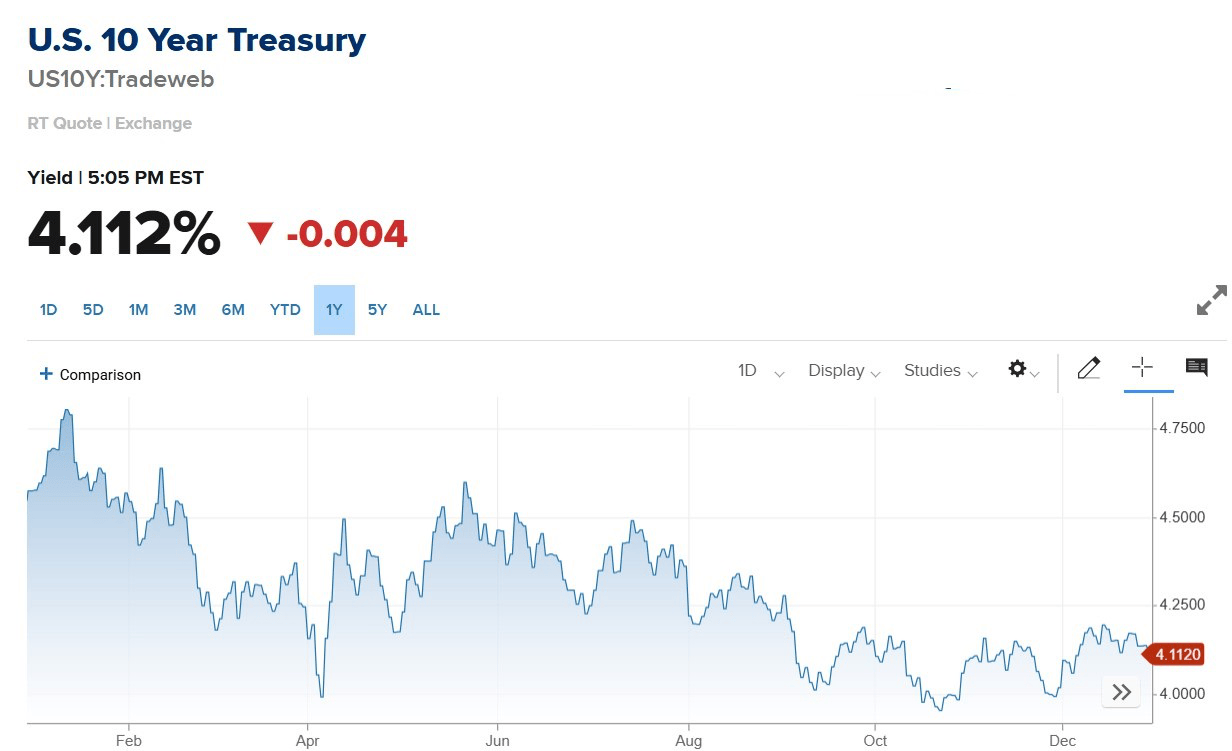
Core Viewpoint - The global bond market in 2025 experienced significant volatility as major central banks shifted from coordinated monetary policies to divergent strategies, reflecting deep concerns over fiscal sustainability and changing investor sentiment towards interest rates and country risk [1][2]. Group 1: Divergence in Monetary Policy - In 2025, major central banks exhibited the most pronounced divergence in policy since the financial crisis, which was a key driver of bond market volatility [2]. - The Federal Reserve's cautious approach led to a total rate cut of 75 basis points by year-end, influenced by cooling inflation and labor market weaknesses [2][3]. - The European Central Bank initially cut rates by 75 basis points but later paused due to inflation uncertainties and concerns over premature policy easing [3]. - The Bank of England aggressively cut rates by 150 basis points to stimulate demand amid a technical recession [2][3]. Group 2: Market Dynamics and Yield Curves - The U.S. Treasury market acted as a "magnifier" of global sentiment, with the 10-year Treasury yield fluctuating between 3.9% and 4.8% throughout the year, characterized by three distinct phases [5][8]. - The first phase saw a decline in yields driven by rate cut expectations, with the 10-year yield dropping to a low of 3.99% [8]. - The second phase was marked by fiscal concerns and inflation anxiety, leading to significant yield fluctuations, with the 10-year yield rising back to 4.6% and 4.5% during the year [8][9]. - The third phase involved a narrowing of yield fluctuations as the market awaited new directions, with the yield ending the year at approximately 4.11% [9]. Group 3: Regional Market Characteristics - The Eurozone bond market faced challenges due to high debt levels and deficit rates, leading to increased risk premiums despite inflation returning to target levels [10][13]. - German 10-year bond yields rose from 2.36% to a peak of 2.938%, reflecting a total increase of about 47 basis points over the year [13]. - The UK bond market struggled with dual pressures of recession and fiscal concerns, with yields fluctuating around 4.49% by year-end [15]. - Japan's bond market underwent a historic shift as the Bank of Japan raised rates for the first time, with the 10-year yield increasing nearly 100 basis points to over 2% [18]. Group 4: Investment Strategy Evolution - Investors shifted from simple "buy and hold" strategies to more active management and tactical adjustments, focusing on high-frequency trading based on economic data and political events [19]. - The definition of "safe assets" evolved, with increased emphasis on credit analysis and fiscal sustainability becoming critical in assessing sovereign bonds [19]. - Duration management became cautious, with many investors adopting a "barbell strategy" to balance short-term and long-term bond investments [19].

阿根廷,突然最大规模救市
Zhong Guo Ji Jin Bao· 2025-09-20 22:54
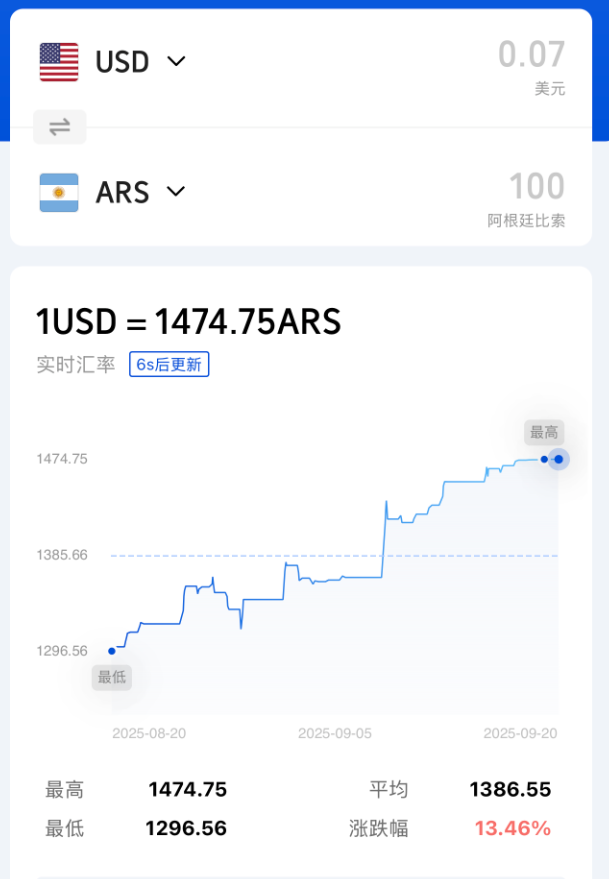
Core Insights - The Argentine central bank conducted its largest single-day dollar sale in nearly six years, amounting to $678 million, to support the peso amid political instability and increased demand for dollars from institutional investors [1] - The total dollar sales over the past three trading days reached $1.1 billion, indicating a significant intervention to manage liquidity as the peso hovers at historical lows [1] - Economic Minister Luis Caputo stated that the central bank will sell every dollar in reserves at the upper limit of the floating exchange rate [1] Group 1 - The peso fell to a historical low of 1,520 per dollar in the parallel exchange market, depreciating over 6% this week [3] - Since the agreement with the International Monetary Fund (IMF) in mid-April, the central bank had not intervened in the market until now [4] - Analysts estimate that if the current pace of dollar sales continues, reserves could decrease by approximately $10 billion before the elections, which is about 70% of the funds already disbursed by the IMF [4] Group 2 - The central bank's net international reserves are reported at $39.26 billion, but usable reserves for intervention are estimated to be only around $6 billion [4] - Continuous dollar sales may accelerate the depletion of reserves, jeopardizing short-term debt repayments, and could lead to increased issuance of local currency bonds to cover funding gaps [5] - The "country risk" indicator has risen to its highest level since August 2024, hovering around 1,500 basis points, with off-market bonds averaging a decline of 1.4% this week [6] Group 3 - The stability of the Argentine peso is deemed crucial; failure to maintain it could lead to soaring prices and undermine President Milei's support for necessary reforms [8] - President Milei vowed to defend the peso at all costs, echoing statements from his chief economic advisor [8] - Analysts warn that maintaining the current exchange rate could risk returning the country to rampant inflation, which contradicts Milei's promise to end it [10]
哥伦比亚商界担忧美取消哥禁毒认证影响贸易投资
Shang Wu Bu Wang Zhan· 2025-09-18 16:41
Core Viewpoint - Colombian business leaders express concerns over the potential economic consequences of the U.S. government's cancellation of drug certification for Colombia, emphasizing the need for immediate action to mitigate risks [1] Economic Impact - The cancellation could lead to additional aid restrictions and negatively affect multilateral banking operations, which may weaken investor confidence and put pressure on the dollar exchange rate [1] - There is a risk of threatening macroeconomic stability if timely measures are not implemented [1] Trade Relations - The move is expected to impact bilateral trade relations, reducing the willingness of U.S. companies to operate in Colombia and increasing national risk [1] - This situation may also raise credit costs, directly affecting employment, investment, and social welfare in Colombia [1] Regional Security - The current scenario could prolong regional security challenges and increase the risk of trade sanctions [1]