
恶性通胀

Search documents
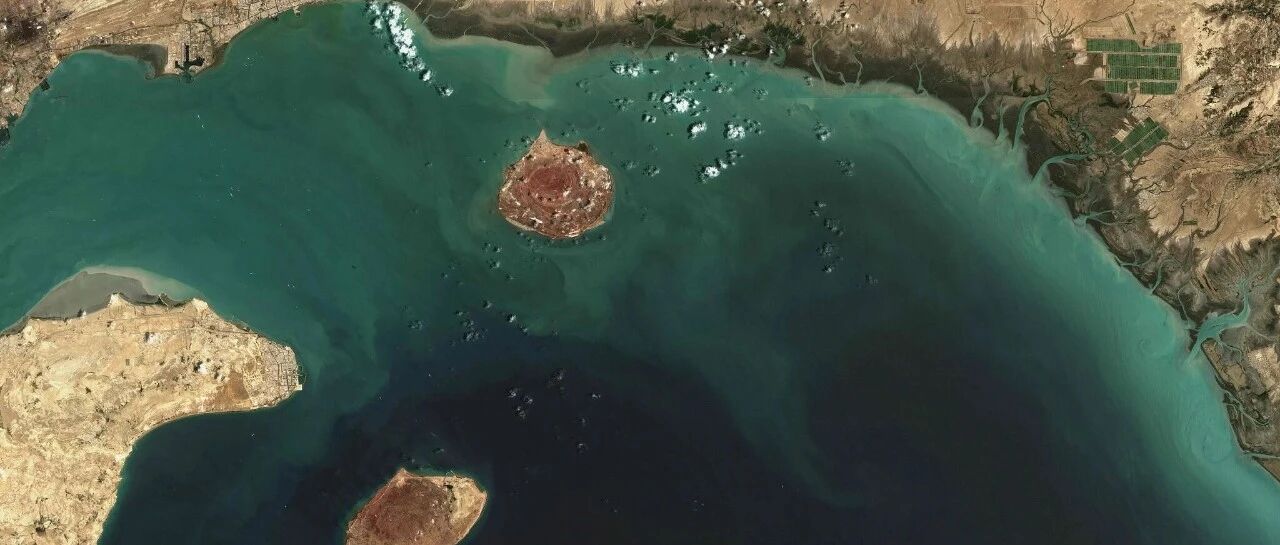
霍尔木兹海峡局势变化,十大产业链危机脉络梳理
财联社· 2026-03-06 05:33
Core Viewpoint - The modern world order is built around efficiency and minimal costs, creating a highly interdependent system that can lead to widespread crises from localized disruptions, particularly in energy supplies like oil and LNG, which can trigger inflation and food shortages [1] Group 1: Supply Chain Vulnerabilities - The global polyester supply chain starts with petrochemical products, and disruptions in raw materials like naphtha or PTA can lead to significant reductions in polyester production, affecting the apparel industry [2][3] - The nitrogen fertilizer chain begins with natural gas; interruptions can lead to increased costs for farming inputs and pressure on the food system within a single planting cycle [3] - The extraction of copper and cobalt relies on sulfuric acid, which is dependent on the supply of sulfur; any disruption can halt copper extraction operations, impacting electrical and automotive sectors [4] - The polypropylene supply chain, starting from propylene, faces shortages in packaging and medical supplies if propylene supply is interrupted [5] - The chlor-alkali industry, reliant on salt and electricity, will see immediate pressure on water treatment and PVC production if disrupted [6] - The tire industry, starting from natural and synthetic rubber, will face production cuts and extended replacement cycles due to supply interruptions [7] - The steel industry, dependent on iron ore and metallurgical coal, will experience production cuts and delays in construction and manufacturing if raw materials are restricted [8] - The aluminum supply chain, starting from bauxite and requiring significant electricity, will see reduced smelting capacity affecting packaging and transportation sectors [9] - The flat glass supply chain, reliant on soda ash and natural gas, will face production challenges impacting construction and solar energy sectors if inputs are disrupted [10] - The semiconductor supply chain, starting from ultra-pure gases and stable electricity, will see yield issues and delivery delays if these inputs are affected [11] Group 2: Impact Timeline - The first level of impact involves disruptions in maritime energy transport, with significant daily oil and LNG logistics bottlenecks [13] - The second level involves shortages in refining and industrial chemicals due to the depletion of sour crude oil, leading to immediate sulfur shortages [15] - The third level sees mining and metal extraction affected by sulfur shortages, halting copper and cobalt extraction processes [17] - The fourth level indicates a worsening copper shortage affecting power transformers and electrical hardware, leading to extended delivery times [19] - The fifth level highlights semiconductor supply chain disruptions due to LNG shortages in Taiwan, causing voltage drops in manufacturing equipment [21] - The sixth level indicates a freeze in data center expansion due to silicon supply constraints and transformer unavailability [23] - The seventh level focuses on capital markets, where raw material cost inflation leads to severe profit compression and stock revaluation [25] - The eighth level discusses national responses involving strategic oil reserves, constrained by physical limitations [27] - The ninth level addresses the restructuring of trade frameworks, marked by a shift towards non-dollar energy settlements [29] - The tenth level emphasizes social stability, where energy and fertilizer inflation leads to structural food crises in emerging markets [30] - The eleventh level indicates a shift in industrial structure, with aluminum replacing copper facing engineering limits [31] - The twelfth level represents a long-term redesign of social civilization, prioritizing resource security over economic efficiency [33]

委内瑞拉被迫出售黄金纸黄金平淡
Jin Tou Wang· 2026-02-26 04:02
Group 1 - The Central Bank of Venezuela sold nearly 6 tons of gold in the second half of last year to alleviate a dollar shortage caused by U.S. oil export restrictions [2] - The sale of gold primarily occurred in December, coinciding with increased sanctions from the Trump administration, which led to a significant rise in the exchange rate gap between official and black market rates [2] - Despite the gold sales, Venezuela's foreign exchange reserves increased by 30% in dollar terms last year, mainly due to rising precious metal prices [2] Group 2 - The head of Sintesis Financiera noted that the increase in reserve totals creates an appearance of strengthened financial stability, although the actual economic data remains incomplete [3] - Over the past 12 years under Maduro's leadership, Venezuela's gold reserves have shrunk by more than 80%, with a significant portion held in the Bank of England, which remains inaccessible due to political recognition issues [3] - Economists express concerns about the external financial chaos and the need for financial assistance to stabilize the foreign exchange market [3] Group 3 - The paper gold market is currently experiencing a high-level oscillation, trading within the range of 1140-1160 yuan per gram, indicating a characteristic of stock market speculation [4] - Key support levels are identified at 1140 yuan per gram and 1135 yuan per gram, while resistance levels are at 1160 yuan per gram and 1165 yuan per gram [4] - Technical signals suggest a "cup and handle" pattern, with a bullish continuation support range between 4500-4600 USD per ounce (approximately 1140-1160 yuan per gram) [4]
委内瑞拉去年因美元严重短缺出售黄金
Xin Lang Cai Jing· 2026-02-25 15:52
Core Insights - The Central Bank of Venezuela sold nearly 6 tons of gold in the second half of last year due to severe dollar shortages caused by U.S. restrictions on its oil exports [1] - The operations primarily took place in December, coinciding with increased sanctions from the Trump administration [1] - Following the capture of President Maduro by U.S. special forces in January, some oil sales revenue was allowed to return to Venezuela, revitalizing the official foreign exchange market [1] Group 1 - The sale of gold was a response to the record high gap between the official and parallel exchange rates, exacerbated by the U.S. government's actions [1] - The potential for hyperinflation re-emerged as a concern due to the dollar supply issues [1] - Reports indicate that the Central Bank did not sell any gold in January, suggesting a stabilization in the market [1]
巴扎商人点燃“火药桶”: 恶性通胀引发伊朗动荡
Xin Lang Cai Jing· 2026-01-11 17:16
Core Viewpoint - Iran is experiencing significant unrest due to rising prices and currency devaluation, which analysts believe will impact the geopolitical landscape of the Middle East [1] Economic Conditions - According to the IMF, Iran's GDP per capita in 2025 is projected to be approximately $4,070, a decline from 2024 and significantly lower than the peaks in 2011 and 2012 [2] - The Iranian Rial depreciated over one-third against the US dollar in 2025, with the exchange rate reaching around 1.5 million Rials per dollar [2] - The inflation rate in December 2025 reached 52% year-on-year, severely affecting the purchasing power of ordinary Iranians [2] Social Unrest - The protests, initially sparked by economic issues, have escalated into a political movement, with significant participation from bazaar merchants, who historically hold political influence in Iran [3] - The Iranian government announced a subsidy of 10 million Rials (approximately 48 RMB) per month for eligible citizens starting January 10, 2026, but many citizens view this as insufficient against rising prices [3] - Internet services in Iran have been severely disrupted, complicating communication and commerce, with reports of a nationwide internet shutdown [4][5] Government Response - The Iranian government has maintained control over the situation but has warned against hoarding and price gouging, while also monitoring national prices [3][7] - Iranian leadership, including Supreme Leader Khamenei, has called for unity among the populace to counter perceived external threats, particularly from the US and Israel [7] - The Iranian government is focusing on eradicating corruption and improving living conditions as a means to address the unrest [7] International Implications - The US and Israel are perceived as external actors influencing the protests, with US officials discussing potential military options against Iran [8] - Iran has warned that any military action from the US would result in retaliation against US and Israeli military bases in the region [8]
金银比远未触底?白银创新高却仍便宜,分析师呼吁逢跌必买!
Jin Shi Shu Ju· 2025-12-12 12:49
Core Viewpoint - Silver prices have reached a historic high of over $64 per ounce, attracting significant attention from investors, with analysts suggesting that this "poor man's gold" still has substantial upside potential [1][2]. Group 1: Market Analysis - Michele Schneider, Chief Market Strategist at MarketGauge, has re-entered the silver market with an entry price of approximately $48 per ounce after previously liquidating her positions [1]. - The recent surge in silver prices has prompted Schneider to raise her stop-loss levels, indicating a bullish sentiment towards the metal [1]. Group 2: Supply and Demand Dynamics - Schneider emphasizes that the current silver price has not yet reached its appropriate high, citing a significant supply gap as a major concern, with demand expected to continue growing while supply remains extremely limited [2]. - The electrification of the global economy is driving silver's importance as a key industrial metal, with technology companies projected to invest $700 billion in expanding AI infrastructure, which may be hindered by insufficient silver supply [2]. Group 3: Investment Outlook - Schneider views silver as a value investment within the precious metals market, noting that despite prices exceeding $64 per ounce, it remains undervalued compared to gold [2]. - Historical gold-silver ratios suggest that silver has considerable room for price appreciation, with Schneider predicting that the gold-silver ratio could drop to around 40, indicating a potential significant rise in silver prices [2]. Group 4: Economic Influences - The recent 25 basis point rate cut by the Federal Reserve, lowering the federal funds rate to a range of 3.50%-3.75%, is expected to support continued strong retail investment demand for silver [3]. - Schneider anticipates a shift towards more accommodative monetary policy from the Federal Reserve, which, combined with rising inflation and declining real yields, could exert pressure on the dollar and bolster hard assets like silver and gold [3].
日本5500亿美元对美投资会“打水漂”吗
Di Yi Cai Jing· 2025-10-26 11:30
Core Viewpoint - The $550 billion investment from Japan to the U.S. is perceived as potentially wasted, leading to a depreciation of the yen, pressure on Japan's finances, and increased burdens on the populace [1][9]. Investment Agreement Details - Investment Timeline: Japan will invest $550 billion in the U.S. from October 2023 to January 19, 2029 [1]. - Investment Sectors: The focus will be on key industries such as semiconductors, pharmaceuticals, critical minerals, energy, and artificial intelligence [1]. - Management Structure: An investment committee led by the U.S. Secretary of Commerce will oversee the investments, with the U.S. President having final decision-making authority [2]. - Japanese Role: Japan will only participate in a consultative capacity, providing advice and legal review without actual decision-making power [3]. - Profit Distribution: Initially, profits will be split equally, but after Japan recoups its investment, the U.S. will receive 90% of the profits while Japan will only get 10% [5]. - Constraints and Countermeasures: Japan must deposit funds into a designated account within 45 days of project approval, with the option to refuse funding for specific projects, although this could lead to increased tariffs on Japanese goods [5]. Economic Implications - Currency Impact: The large investment in U.S. dollars may pressure the yen to depreciate further, potentially leading to rising import prices and inflation [5][6]. - Historical Context: The 1985 Plaza Accord, which led to a significant appreciation of the yen, serves as a cautionary tale for Japan, highlighting the importance of maintaining a stable currency [5]. - Current Economic Challenges: Japan's economy is not as export-driven as in the past, making a weak yen less beneficial and potentially harmful due to rising import costs [5][6]. - Fiscal Pressure: The interest on the funds required for the investment could exceed the returns from Japan's holdings of U.S. Treasury bonds, increasing fiscal strain [8][9]. Political Reactions - Domestic Response: Japanese public opinion views the investment agreement as an "unequal treaty," with concerns about future government burdens [4][9]. - Leadership Stance: Newly elected Prime Minister Kishi Suga has indicated a willingness to renegotiate if the agreement does not align with Japan's interests [11].
古巴专家称古经济陷入深度危机
Shang Wu Bu Wang Zhan· 2025-10-15 17:10
Core Insights - The economic situation in Cuba has been particularly complex since 2019, characterized by high inflation, severe shortages of essential goods and services, and a significant decline in the standard of living for the population [1] Economic Performance - From 2019 to 2023, the Cuban economy has faced comprehensive shocks, with real GDP declining by approximately 11% [1] - Agricultural production, which is fundamental to the economy, plummeted by 46%, while manufacturing output shrank by 36% [1] Monetary Issues - The Central Bank of Cuba issued around 250 billion pesos, leading to a staggering 366% increase in the money supply [1] - This monetary expansion, combined with a sharp contraction in goods supply, has triggered hyperinflation [1] Price and Wage Dynamics - The average household consumption price index skyrocketed by over 12 times during this period [1] - The purchasing power of the average wage has drastically decreased, with a reduction of 56% in real terms and a decline of up to 44% in purchasing power [1]
金价史无前例新高:下一场金融风暴的“倒计时”已经开始?
Sou Hu Cai Jing· 2025-10-03 19:11
Group 1 - The core point of the article highlights that gold prices have surged to unprecedented levels, breaking the historical inflation-adjusted record, indicating a loss of confidence in the future [2][5] - In September, gold prices exceeded $3,674, and in October, they reached $3,896, marking a significant increase compared to the historical peak of $850 in 1980, adjusted for inflation [2] - The current situation mirrors the 1970s when economic instability led to a massive increase in gold prices, driven by factors such as rising U.S. debt and inflation [2][3] Group 2 - Several factors are contributing to the rising demand for gold, including central banks, particularly in China and Russia, increasing their gold reserves amid a trend of "de-dollarization" [3] - The attractiveness of the U.S. dollar and U.S. Treasury bonds is declining, prompting investors to shift their funds into gold [3] - Geopolitical risks, such as conflicts in Ukraine and the Middle East, are driving investors to seek gold as a safe haven [3] - The likelihood of the Federal Reserve lowering interest rates could further devalue the dollar, making gold more appealing [3] Group 3 - Despite the surge in gold prices, current data does not indicate an imminent hyperinflation, but there is a risk of a loss of confidence in government and central bank control over monetary policy [4] - The fear of inflation is more about psychological factors than actual price increases, as a loss of trust could lead to a rush towards gold [4] - The founder of Bridgewater Associates, Ray Dalio, has expressed concerns about currency devaluation and debt imbalances, suggesting that historical crises could repeat themselves [4] Group 4 - The rise in gold prices is seen as a warning signal rather than a celebration, indicating the erosion of dollar dominance and the increasing burden of fiscal deficits [5] - The current gold price levels reflect a collective anxiety about the future order and the stability of the monetary and debt systems [5]
黄金价格创下 45 年来最高,预示着什么?
Sou Hu Cai Jing· 2025-10-03 05:10
Core Viewpoint - The recent surge in gold prices, reaching new highs, raises concerns about potential hyperinflation and reflects the fragility of the global economic system [2][4]. Group 1: Gold Price Surge - In September 2025, spot gold prices exceeded $3,674, and in October, they soared to $3,896, breaking a 45-year record adjusted for inflation [2]. - The current gold bull market has lasted for three years and shows no signs of abating [2]. Group 2: Historical Context - The 1970s saw a similar scenario where gold prices rose from $35 to $850 due to monetary collapse, high inflation, and economic recession [4]. - The U.S. is currently facing significant fiscal pressure, with $1 trillion allocated for debt repayment out of an annual income of approximately $50 trillion [4]. Group 3: Factors Driving Gold Demand - In 2024, global central bank gold purchases are expected to exceed 1,000 tons, increasing gold's share in official reserves to 20%, surpassing the euro as the second-largest reserve asset [4]. - The decline in U.S. dollar credibility and attractiveness of U.S. assets, along with geopolitical risks and concerns over de-globalization, have driven demand for gold as a safe-haven asset [4]. Group 4: Economic Warnings - Bridgewater founder Ray Dalio warns that the current global situation resembles pivotal moments in the 1930s and 1970s, with debt imbalances and currency devaluation potentially leading to crises [4]. - The trajectory of gold prices is reminiscent of the stagflation period in the 1970s, indicating heightened risks in the financial landscape [4].

X @外汇交易员
外汇交易员· 2025-09-23 03:20
Economic Situation - Argentina's markets are experiencing a state of panic, with bonds, stocks, and foreign exchange rates all declining over the past month [1] - Capital outflow from Argentina is accelerating [1] - Argentina's central bank intervened in the market using $1100 million (1.1 billion) in just three days, raising concerns about a return to hyperinflation [1] - Argentina's liquid foreign exchange reserves are below $20 billion [1] Government Response - Argentina's Economy Minister stated the intention to use "the last dollar" to defend the exchange rate ceiling [1] Market Reaction - Argentina's stock index fell over 11% on Monday, marking its largest single-day drop since 2020 [1] Political Factors - Argentina's President Milei faced setbacks in local elections in Buenos Aires, raising questions about his reform plans [1]