场景服务

Search documents
场景赋能 服务进阶:东方雨虹北京总部店正式启幕
Huan Qiu Wang· 2025-12-31 07:26
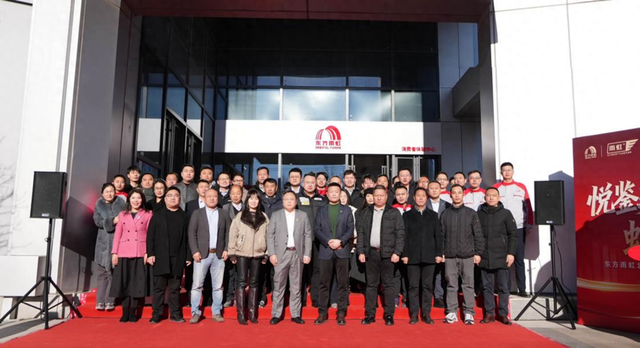
Core Viewpoint - The opening of the Beijing headquarters store marks a significant step for Dongfang Yuhong in transforming its brand strategy from "product delivery" to "scene service" [1] Group 1: Company Developments - Dongfang Yuhong's new headquarters store features an innovative experiential space centered around "real-life scenarios," moving away from traditional product display methods [3] - The store aims to provide integrated solutions that address common consumer pain points in home improvement, enhancing the decision-making experience for customers [3] - The "Yuhong Service" brand encompasses a comprehensive range of services, including waterproofing repairs and wall refreshes, utilizing materials developed by Dongfang Yuhong and delivered by certified technicians [5] Group 2: Service Brand Evolution - Since the upgrade of the "Yuhong Service" brand in March 2025, it has successfully provided services to over 120,000 households nationwide, establishing a complete service ecosystem from online to offline [5] - The new service IP, named "Xiu Xiu," symbolizes the brand's commitment to fast and precise service, with design elements reflecting professional capabilities and a promise of rapid service delivery [6] - The launch of the "Xiu Xiu Send Peace of Mind" themed WeChat red envelope activity aims to enhance emotional connections with consumers through engaging and festive interactions [6] Group 3: Industry Trends - The home building materials market is increasingly shifting towards experiential and solution-oriented consumption, prompting companies like Dongfang Yuhong to adapt their strategies accordingly [3] - The focus on creating transparent, reliable, and human-centered service experiences is indicative of the industry's evolution towards greater consumer engagement and satisfaction [6]


海尔服务于滨:通过技术赋能,为消费者创造更加美好的生活体验
Xin Lang Cai Jing· 2025-12-19 07:37
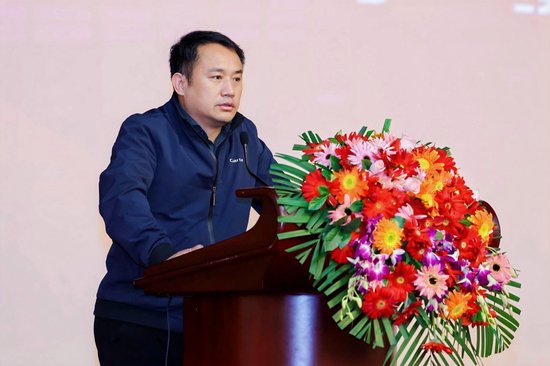
Core Viewpoint - The 12th National After-Sales Service Conference highlighted Haier's commitment to transforming after-sales service through digitalization and proactive service models, aiming to enhance user experience and industry standards [3][11]. Group 1: Company Overview - Haier is recognized as a global leader in providing solutions for a better life and digital transformation, with a focus on becoming a world-class enterprise [3][11]. - Haier Service, a subsidiary focused on smart home service ecosystem construction, emphasizes a user-centered approach to deliver the best overall experience [6][11]. Group 2: Digital Transformation - The company is concentrating on digital transformation by building a digital service platform, allowing users to interact with service personnel through various formats such as text, voice, and video [8][15]. - Service standards and pricing details are made transparent through standardized online work orders, enabling users to supervise the service process and provide real-time feedback [8][15]. Group 3: Proactive Service Model - Haier Service aims to shift from reactive to proactive service by implementing predictive maintenance and smart alerts, identifying issues before users are aware of them [4][12]. - The use of IoT sensors and AI algorithms allows for real-time monitoring of appliance parameters, facilitating automatic detection and remote repair [4][12]. Group 4: User-Centric Innovations - The company has introduced innovative services such as micro-modification to address appliance size mismatches in older residential areas, enhancing user satisfaction [15][16]. - Haier Service has developed nearly a hundred scene-based solutions for various home environments, promoting a shift from single-product service to scenario-based service [15][16]. Group 5: Commitment to Quality - The company emphasizes a service philosophy of "sincerity forever," ensuring that service personnel are always available to meet user needs, regardless of location [7][14]. - Haier Service's approach includes personalized care and attention, fostering long-term trust with users and enhancing overall service quality [7][14].

九联科技:公司依托“数字能源+场景服务”双核心战略,聚焦工业园区、商业综合体等场景的智慧化能源改造
Zheng Quan Ri Bao Wang· 2025-12-18 11:51
Core Viewpoint - Jiulian Technology's subsidiary, Guangdong Jiulian Smart Energy Co., Ltd., provides professional energy digitalization and intelligent overall solutions, focusing on creating a comfortable energy experience and reducing energy costs for clients [1] Group 1: Company Overview - The company has a professional smart energy management system and operation and maintenance team, offering comprehensive energy management services including operation and maintenance of power distribution rooms, distributed power station operation, electricity trading, and demand response [1] - The company relies on a dual-core strategy of "digital energy + scenario services," focusing on smart energy transformation in industrial parks and commercial complexes [1] Group 2: Industry Focus - Jiulian Technology has accelerated the implementation of solutions such as distributed photovoltaics and energy storage microgrids in multiple projects within the Guangdong-Hong Kong-Macao Greater Bay Area [1]

从小米人车家全生态发布会 透视未来大家居行业格局?
3 6 Ke· 2025-07-15 03:01
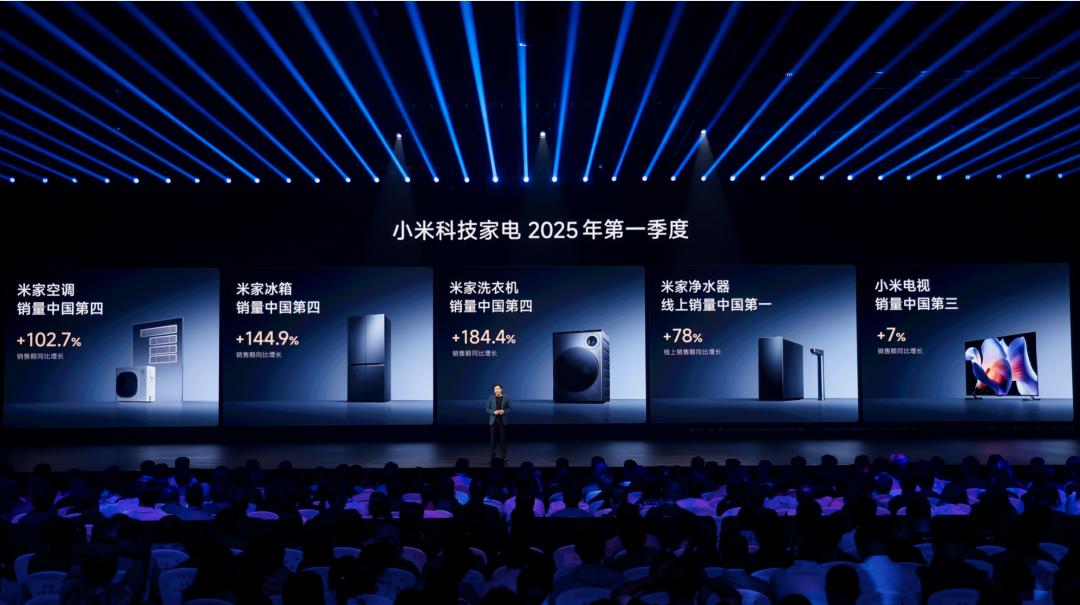
Core Viewpoint - Xiaomi's recent "Human-Vehicle-Home Ecosystem" conference marks a significant shift towards a fully integrated ecosystem, transitioning from "functional hardware" to "scene services" in the home industry [1][3] Group 1: Ecosystem Essence - The essence of Xiaomi's ecosystem strategy is the shift from "product control" to "scene control," allowing for automatic connections between user needs and responses through visual and environmental interactions [2][3] - Xiaomi aims to create a three-layer technical loop: comprehensive sensing, rapid execution response, and seamless interaction, enhancing automation reliability and user experience [2][3][4] Group 2: Strategic Motivation - The "Human-Vehicle-Home" strategy addresses real user demands for cross-scenario intelligent interactions, such as unified app protocols and proactive services [4][6] - Xiaomi's home appliance segment has shown significant growth, with major products ranking fourth in the Chinese market, indicating the company's ambition to expand its ecosystem [4][6] Group 3: Future of Home Industry - The global smart home market is projected to exceed $400 billion by 2025, with a compound annual growth rate of over 25% in the domestic market, highlighting the industry's growth potential [8] - The future of the home industry will focus on intelligent space adaptation and service automation, moving beyond individual product upgrades to comprehensive scene-based services [8][10] Group 4: Impact on Traditional Home Industry - The modular design approach in home decoration will revolutionize competition, shifting the focus from product specifications to the completeness of scene-based solutions [11] - Open ecosystems and cost optimization will be crucial, as compatibility issues among brands currently hinder integration, with Xiaomi's practices serving as a reference [12] - The evolution of services and decision-making processes will redefine user experiences, emphasizing the importance of proactive, personalized service over traditional hardware metrics [13][14]