娃衣经济

Search documents
小小“娃衣”,悄然走红
Ren Min Ri Bao Hai Wai Ban· 2025-11-05 01:01
Core Insights - The "doll clothing" market, a derivative of the toy industry, is rapidly expanding and becoming a standard for "raising dolls" among various consumer groups, including young consumers and families [2][3][4] Group 1: Market Growth - The sales of doll clothing are projected to grow by over 117.08% year-on-year in 2024, with monthly sales exceeding 10 million yuan in May [2] - The global潮玩 (trendy toy) market is expected to grow from $20.3 billion in 2020 to $41.8 billion in 2024, and reach $52 billion by 2025, indicating significant growth opportunities for the doll clothing economy [5] Group 2: Consumer Behavior - Consumers find emotional value in dressing dolls, which serves as a form of relaxation and social interaction, particularly among busy parents and young adults [3][4] - The trend of dressing dolls has led to a community where consumers share experiences and tips, enhancing social connections through doll clothing [3] Group 3: Product Innovation - Merchants are innovating by introducing various styles of doll clothing, including custom designs with high-end embroidery and unique cultural elements, catering to diverse consumer preferences [4] - The incorporation of traditional cultural elements into doll clothing design is gaining attention in international markets, enhancing the appeal of domestic brands [4]

她们给Labubu做衣服
投资界· 2025-10-22 07:14
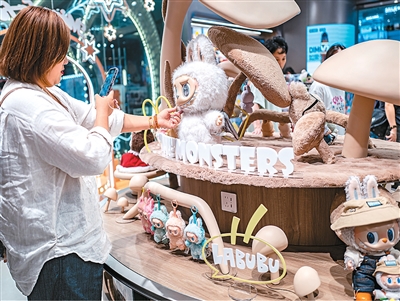
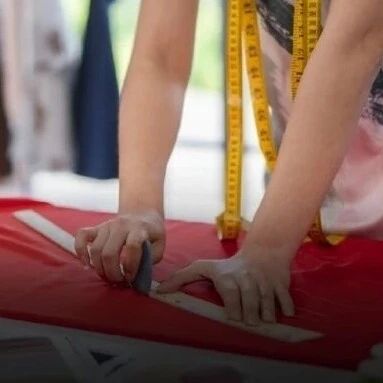
Core Viewpoint - The rise of the LABUBU trend has led to a booming market for customized doll clothing, significantly impacting the lives of rural women in Henan Zhoukou, who are finding new income opportunities through this emerging industry [5][6][10]. Group 1: Market Dynamics - The doll clothing market has become a popular emotional consumption item, with prices ranging from tens to hundreds of yuan depending on customization [5]. - The demand for LABUBU doll clothing surged, with factories needing to ship up to 50,000 pieces daily to Yiwu, prompting the expansion of production capabilities [10][11]. - The market is experiencing a shift as the popularity of LABUBU wanes, with order volumes dropping from peaks of 40,000 to just a few thousand pieces [25][26]. Group 2: Impact on Rural Women - Many women, previously employed in garment factories, returned home to care for children and are now engaged in making doll clothing, which offers flexible working hours and transparent wages [6][10][27]. - The work environment is described as supportive, with women able to manage both household responsibilities and production, leading to a sense of satisfaction and financial independence [27][29]. - The average earnings for women involved in this industry can reach up to 1,000 yuan per month, with some women managing to produce hundreds of pieces daily [27][30]. Group 3: Production Process - The production process involves women working from home or local workshops, where they receive materials and training to create doll clothing based on designs sent from Yiwu [11][18]. - The production of doll clothing requires skill, particularly in handling small items like hats and straps, which necessitate precision [18]. - The factory owner, Zheng Yuchi, has implemented a system where wages are paid transparently and on time, attracting more women to join the workforce [15][26]. Group 4: Consumer Behavior - Consumers, including both local and international buyers, are increasingly interested in unique and branded doll clothing, leading to a competitive market where styles and designs are rapidly evolving [22][24]. - The trend has also seen the emergence of DIY customization, where consumers personalize their doll clothing, reflecting a growing desire for individuality in purchases [24]. - The market is becoming saturated, with consumers becoming more discerning about the value of products, leading to a slowdown in new product launches [25].
总理:创新药,前景广阔;港交所,重磅!泡泡玛特,推超级爆款
Jin Rong Jie· 2025-08-21 00:15
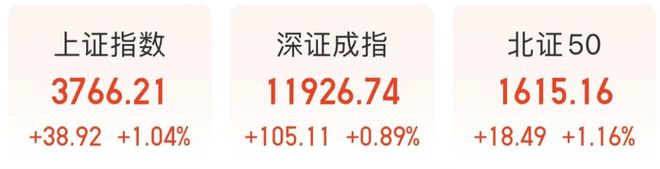
Group 1: Industry Insights - The Chinese government emphasizes the potential of the biopharmaceutical industry, highlighting the need for original innovation and key technology breakthroughs [1] - The Hong Kong Stock Exchange is considering extending trading hours, influenced by Nasdaq's plans for 24-hour trading by 2026, while the Hong Kong securities ETF has seen significant growth this year [1][2] - China's ETF market has surpassed Japan, reaching an asset management scale of $681 billion, indicating a strong future for ETF growth in the Asia-Pacific region [5] Group 2: Market Dynamics - On August 20, major stock indices in China reached new highs, with a total trading volume of 2.41 trillion yuan, marking a continuous trend of high trading activity [3] - Southbound capital saw a net sell-off of 14.68 billion HKD, with notable net purchases in Tencent, Pop Mart, and Dongfang Zhenxuan [4] - The domestic light bottle liquor market is projected to exceed 150 billion yuan in 2024, with a significant growth opportunity for companies that adapt to market changes [10] Group 3: Company Developments - Alibaba's board announced plans for its subsidiary, Zebra, to seek independent listing on the Hong Kong Stock Exchange [6] - Crystal Optoelectronics and other companies in the Apple supply chain have attracted significant institutional interest, with iPhone 17 entering mass production [6] - Pop Mart's stock reached a historical high of 299 HKD, with expectations of substantial revenue growth driven by new product launches [5]