
客户第一

Search documents
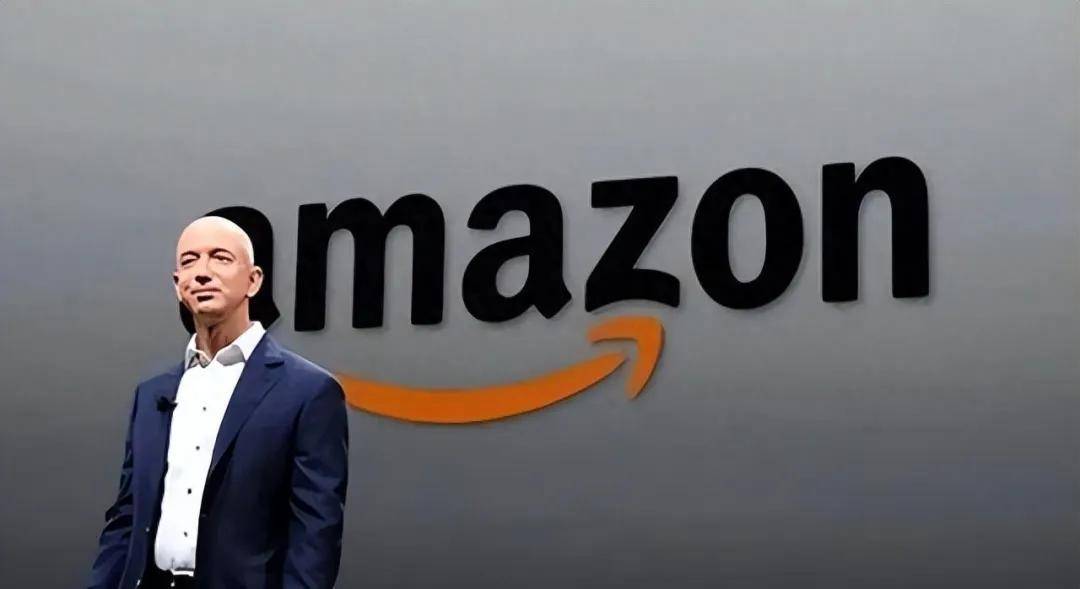
赢了世界却败在中国,全球首富携带6万亿资产,逃离中国市场
Sou Hu Cai Jing· 2026-01-10 14:55
Core Insights - Amazon's journey from a small online bookstore in 1994 to a global e-commerce leader is marked by strategic expansions and innovations, including the introduction of third-party seller platforms and Prime membership services [2][3] - Despite its success in Western markets, Amazon struggled in China due to a lack of local adaptation and competition from established players like Alibaba and JD.com [4][5] Group 1: Amazon's Growth and Innovations - Amazon started as a bookstore in 1994 and quickly expanded to music and video, going public in 1997 and raising $54 million, significantly increasing its valuation [2] - The launch of the third-party seller platform in 2000 and Prime membership in 2005 were pivotal in enhancing user experience and building a robust ecosystem [2] - By 2020, Amazon's revenue reached $386 billion with a net profit of $21 billion, and total assets nearing 6 trillion RMB, showcasing its massive scale [3] Group 2: Challenges in the Chinese Market - Amazon's entry into China involved acquiring the largest online bookstore, but its market share plummeted from 15.4% to 0.6% by 2018 due to fierce competition and misalignment with local consumer preferences [4][5] - The company's attempts to localize, such as launching Kindle and restructuring its platform, failed to resonate with Chinese consumers who preferred curated shopping experiences [4][5] - Amazon's management style, which did not empower local teams, contributed to its inability to adapt quickly to the fast-changing Chinese e-commerce landscape [5] Group 3: Strategic Shifts Post-Exit - After exiting the Chinese retail market in 2019, Amazon focused on its AWS cloud services and global selling platforms, which continued to support Chinese sellers [5][7] - The company has redirected resources to India, investing billions in local infrastructure and adapting its services to better fit the market [5][6] - Amazon's experience in China serves as a lesson in the importance of local adaptation, with the company now emphasizing cultural integration in its Southeast Asia strategy [6][7]


马云三次内部表态,阿里重组的真正结束
晚点LatePost· 2024-04-18 15:48
重组结束后,一切才刚刚开始。 文丨管艺雯 程曼祺 祝颖丽 陈晶 编辑丨黄俊杰 过去一年,卸任董事局主席 5 年、淡出公众视野许久的马云三次内部表态。这三次,马云的表态一 次比一次公开,身份也发生了变化。 2023 年 5 月下旬,马云在只有少数几个业务总裁参与 的沟通会 说淘天集团的未来是:回归淘宝、 回归用户、回归互联网。 半年后,拼多多市值即将赶上阿里,马云在内网回帖 "阿里会变,阿里会改",用 100 多字强调必须 付出任何代价和牺牲来推进改革,落款 "合伙人马云"。 最近一次是今年 4 月 10 日,阿里重组一周年之际,马云发了一封千余字的全员信鼓舞士气,说 "要 承认纠正昨天的问题,更要面向未来改革",全网传播。信最后是马云在阿里工作时的花名—— 风 清扬。 马云三次发声,赶在阿里一年改组的三个节点。第一次,阿里刚刚启动 "1+6+N" 改组,计划让子业 务独立融资或上市;第二次,阿里宣布盒马暂缓上市,阿里云放弃完全分拆,马云家族信托减持阿 里的消息引发市场反弹;第三次,一个月内阿里换了三个业务的 CEO。 一位阿里人士总结,马云的三次内部表态,对应了过去一年阿里的三个思考 —— 如何改革主业电 商 ...
