
市场偏好

Search documents
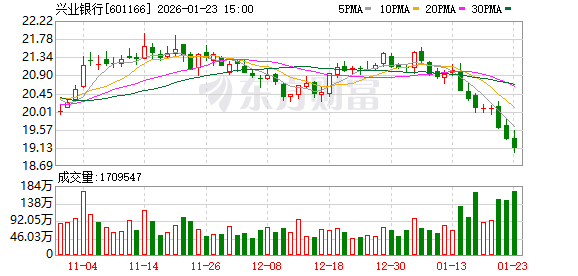
兴业银行:股价受宏观经济、行业情况、市场偏好等多重因素影响
Zheng Quan Ri Bao· 2026-01-23 14:54
Group 1 - The core viewpoint of the article is that the stock price of Industrial Bank is influenced by multiple factors including macroeconomic conditions, industry situation, and market preferences [2] Group 2 - Industrial Bank has disclosed its performance report on the interactive platform in response to investor inquiries [2]


金融市场流动性与监管动态周报:保险资金股票投资风险因子下调如何影响A股?-20251209
CMS· 2025-12-09 13:04
Core Insights - The adjustment of risk factors for insurance funds' stock investments is expected to release more incremental capital into the A-share market, potentially bringing in approximately 545 billion yuan in 2026, assuming a 15% growth in the balance of insurance fund utilization and an average stock investment ratio of 9.7% [1][3][9] - The regulatory measures since 2025 have systematically guided insurance funds into the market as "patient capital" through a combination of increasing upper limits, expanding pilot programs, optimizing long-term assessments, and finely tuning risk factors [3][8] Liquidity Analysis - As of September 2025, the balance of insurance fund utilization reached 37.5 trillion yuan, with a year-on-year growth rate of 17%, contributing approximately 347.7 billion yuan in incremental funds from January to September 2025 [3][9] - The recent market liquidity indicators show a net inflow of funds in the secondary market, with a rise in financing balances and net purchases of 76.4 billion yuan [3][26] Monetary Policy and Interest Rates - The central bank's recent operations included a net withdrawal of 848 billion yuan, with short-term interest rates declining and long-term rates rising, indicating a mixed monetary policy environment [14][15] Market Sentiment - The market sentiment has shown a decrease in trading activity, with a decline in the proportion of financing funds in A-share transactions to 11.0% [38] - The VIX index has decreased, reflecting an improvement in risk appetite in overseas markets [40] Sector Preferences - The sectors attracting significant net inflows include electronics, machinery, and non-ferrous metals, while sectors like banking and non-bank financials experienced net outflows [48][49] - The net buying activity in financing funds was notably high in machinery equipment (+31.6 billion yuan) and non-ferrous metals (+29.7 billion yuan) [48][49] Individual Stock Preferences - The stocks with the highest net purchases included C Moer-U (+17.0 billion yuan) and Tianfu Communication (+17.0 billion yuan), while the highest net sales were seen in Zhongji Xuchuang (-14.7 billion yuan) and Dongshan Precision (-9.1 billion yuan) [50]
金融市场流动性与监管动态周报:融资资金延续净流入,政府债券贡献社融主要增量-20250617
CMS· 2025-06-17 13:33
Group 1 - The core viewpoint of the report indicates that in May, credit data was primarily contributed by the government, while the performance in the household and corporate sectors was relatively flat. The M1 money supply grew by 2.3% year-on-year, mainly due to a low base from the previous year [4][12]. - The report highlights that the issuance of government bonds has accelerated, aligning with the government's directive to implement policies promptly. It is anticipated that with more proactive fiscal policies and moderately loose monetary policies, social financing (社融) is likely to maintain a relatively high growth rate in the short term [4][12]. - The report notes that the financing balance has increased, with net financing purchases amounting to 80.2 billion yuan, while ETF saw a net outflow of 149.4 billion yuan. The overall market financing balance reached 1,804.43 billion yuan as of June 13 [4][26]. Group 2 - In terms of market sentiment, the report indicates that the trading activity of financing funds has increased, with the equity risk premium declining. The focus has shifted towards style indices and major sectors such as the North Certificate 50, consumer discretionary, and TMT [4][35]. - The report identifies that the sectors with the highest net inflows of various funds include food and beverage, non-ferrous metals, and media. Conversely, the sectors with significant net outflows include pharmaceuticals, computers, and non-bank financials [4][44]. - The report also mentions that the net buying scale of financing funds was highest in the pharmaceutical sector (+20.6 billion yuan), followed by non-ferrous metals (+15.7 billion yuan) and food and beverage (+15.4 billion yuan) [4][46].