
市场化化债

Search documents
周天勇:债务重组刻不容缓 市场化化债是根本出路
Xin Lang Cai Jing· 2026-02-03 00:37
Group 1 - The core viewpoint emphasizes the coexistence of strategic opportunities and risks in China's development during the 14th Five-Year Plan, highlighting the need for orderly resolution of risks in real estate, local government debt, and small financial institutions to prevent systemic risks [3][15] - The current economic landscape is characterized by asset depreciation and high debt levels, which are exerting downward pressure on economic growth from both supply and demand sides, indicating a potential economic slowdown [3][15] Group 2 - The overall debt situation in China is severe, with vulnerabilities in real estate, local government, and small financial institutions, leading to an imbalance in the macro asset-liability table and increased liquidity pressure due to repayments exceeding loans [4][16] - By the end of 2025, the total debt of households, enterprises, local governments, and the central government is projected to have a leverage ratio of approximately 325%, with significant annual interest repayment pressures [4][16] - The estimated interest repayment for 2025 is 21.38 trillion yuan, accounting for 15.27% of that year's GDP, with total repayment obligations potentially reaching up to 41.27 trillion yuan, which would be 44.75% of GDP [4][16] Group 3 - The stock of assets available to guarantee debt is relatively low and shrinking, with the total tradable real estate stock at 422 trillion yuan, primarily consisting of residential and commercial properties, which are experiencing price declines [5][17] - The imbalance in the macro asset-liability table is expected to worsen if new effective asset anchors are not formed, leading to increased economic downward pressure [5][17] Group 4 - The complexity of debt and asset restructuring is highlighted, with the current debt structure being more complicated than during the "Ninth Five-Year Plan" period, involving various stakeholders and intricate legal relationships [6][18] - Relying solely on central government fiscal leadership to resolve debt issues is deemed insufficient, as the scale of debt and interest payments is too large compared to the low levels of new income [6][18] Group 5 - The proposed strategies for asset and debt restructuring include abandoning the central government's administrative-led debt resolution model, promoting market-oriented reforms in land and asset transactions, and reducing overall debt levels through innovative financial strategies [10][19] - Recommendations include establishing a market-based pricing and transaction mechanism for land and housing, revitalizing idle assets, and creating a debt resolution system that allows for bankruptcy exits for insolvent entities [10][19][21] - A modern fiscal budget system is suggested to enhance debt discipline, separating general and constructive budgets, and implementing strict limits on debt repayment expenditures [10][22]

地产“优等生”万科受困20亿元到期债务
Mei Ri Jing Ji Xin Wen· 2025-12-23 13:25
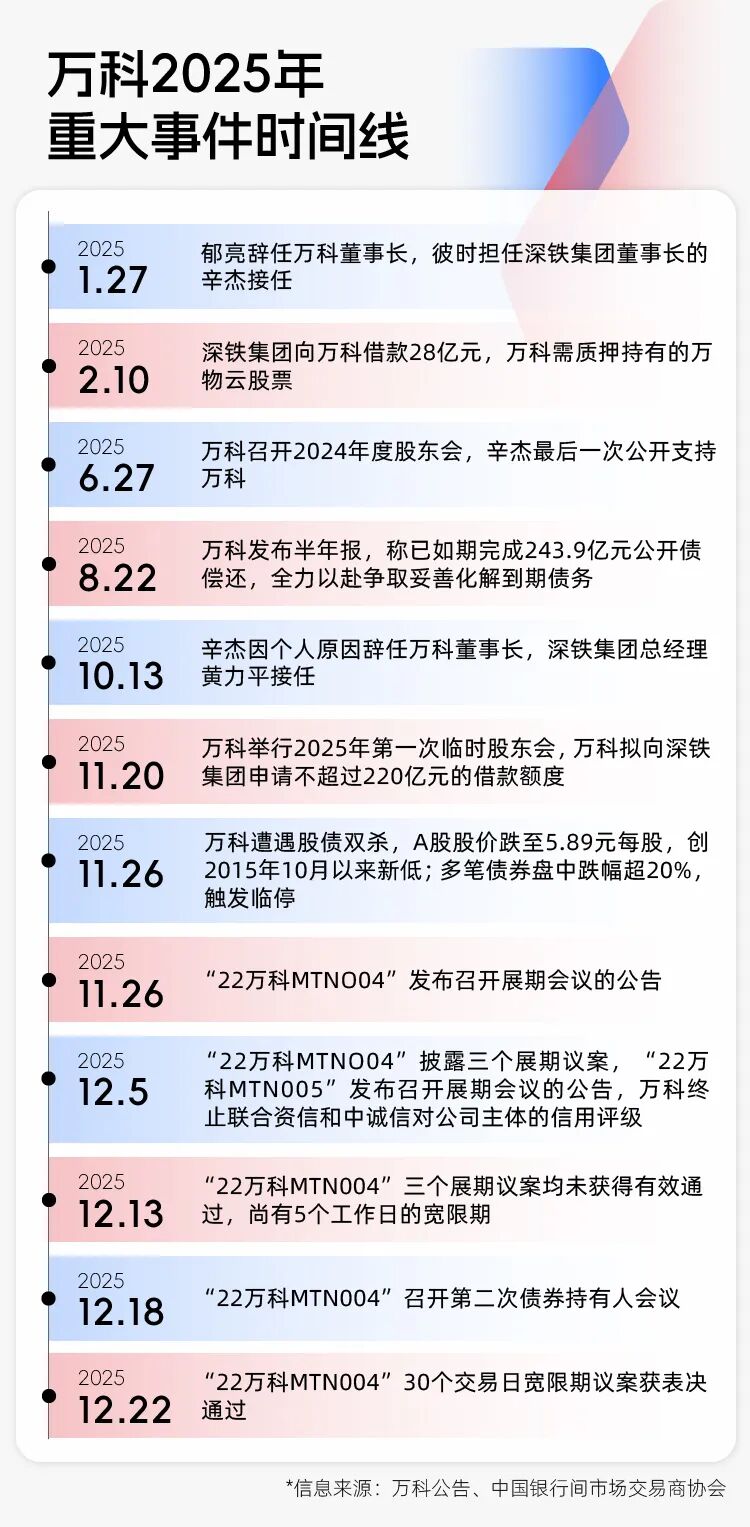
Core Viewpoint - Vanke, once known for its stability, is now facing significant challenges due to industry adjustments and debt pressures, leading the company to pursue market-based debt restructuring strategies [1] Debt Restructuring Efforts - Vanke plans to repay 79 billion yuan in debt in 2024 and has committed to meeting its obligations in the first half of 2025, despite facing a concentrated repayment pressure of 5.7 billion yuan at the end of the year [1] - The company has proposed a debt extension plan for its 2 billion yuan medium-term notes, which was initially set to mature on December 15, 2025, marking the first time Vanke has sought to extend its debt [1][3] - The first proposal for the debt extension was rejected, receiving only 20.2% approval from bondholders, while a 30-day grace period proposal was approved with 90.7% support, allowing Vanke additional time to negotiate [1][5] Financial Performance and Challenges - Vanke's financial performance has deteriorated, with revenue dropping to 161.39 billion yuan and sales revenue to 100.46 billion yuan in the first three quarters of 2025, compared to 220 billion yuan and 180 billion yuan in the same period of 2024 [10][12] - The company has completed repayment of 24.39 billion yuan in public debt in 2025 but continues to face challenges with upcoming debt maturities, including 5.7 billion yuan due in December 2025 and 12.42 billion yuan due in 2026 [7][12] Shareholder Support and Market Conditions - Vanke's major shareholder, Shenzhen Metro Group, has shifted its support model from unconditional financial backing to requiring collateral for loans, indicating a tightening of financial support [8] - The departure of former chairman Xu Jie has raised concerns about the continuity of support for Vanke, as he was seen as a strong advocate for the company [9] Market Environment and Future Outlook - The overall market environment remains challenging, with Vanke's asset disposal efforts falling short of expectations due to declining valuations and difficulty in finding buyers [11] - The company is caught in a cycle of declining revenue, tight cash flow, and weakened debt repayment capacity, which it must address to stabilize its financial situation [12][13]

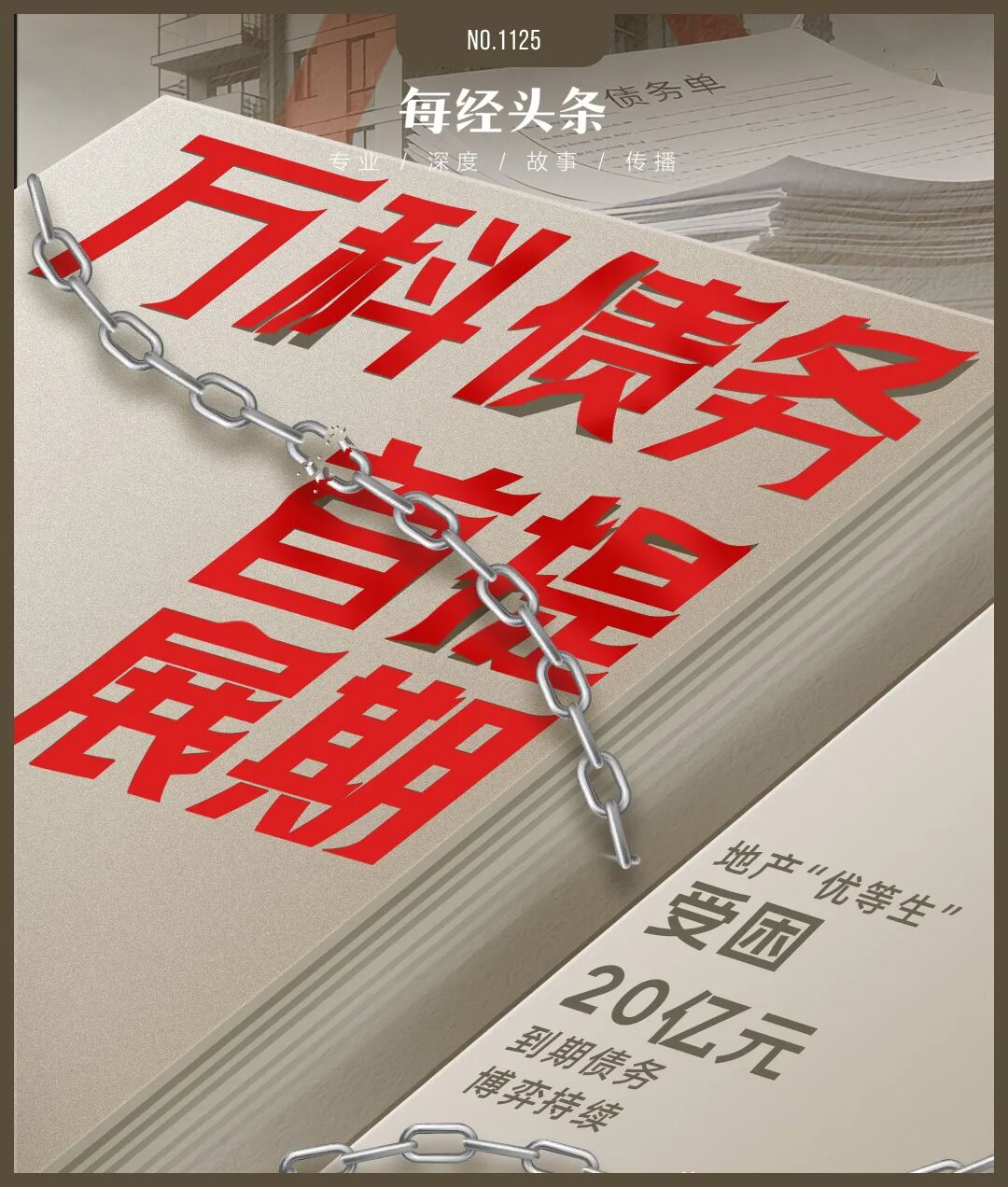
地产“优等生”万科首次债务展期方案反对比例高达78.3%,明年还有超百亿元公开债到期
Mei Ri Jing Ji Xin Wen· 2025-12-22 23:03
Core Viewpoint - Vanke, once known for its stability, is now facing significant challenges due to industry adjustments and debt pressures, leading the company to pursue market-based debt restructuring strategies [1] Debt Restructuring Efforts - Vanke disclosed a plan to extend the maturity of its 20 billion yuan bond "22 Vanke MTN004," which was originally due on December 15, 2025, marking the first time in its history that the company has sought to extend debt [1][4] - The initial proposal for the bond extension was rejected, receiving only 20.2% approval from bondholders, while a 30-day grace period proposal was approved with 90.7% support, allowing Vanke additional time to negotiate [1][8] - The company is also working on extending another 37 billion yuan bond "22 Vanke MTN005," indicating ongoing efforts to manage its debt obligations [1][10] Financial Performance and Challenges - Vanke's financial performance has deteriorated, with revenue for the first three quarters of 2025 at 161.39 billion yuan, down from 220 billion yuan in the same period of 2024, and a net loss of 28.02 billion yuan [20][21] - The company has faced cash flow issues due to sluggish sales, which have hindered its ability to meet debt obligations, despite repaying 24.39 billion yuan in public debt by the end of 2025 [13][22] - Vanke's asset disposal efforts have also declined significantly, with only 6 billion yuan in asset transactions completed in 2025 compared to over 20 billion yuan in 2024, reflecting a challenging market environment [22] Shareholder Support and Future Outlook - The support from Vanke's major shareholder, Shenzhen Metro Group, has shifted from unconditional financial backing to requiring collateral for loans, indicating a tightening of financial support [14][17] - The company is exploring various strategies for debt resolution, including asset securitization and potential equity partnerships, but faces challenges due to its large scale and the scrutiny of regulatory bodies [23]
地产“优等生”受困20亿元到期债务,首次债务展期仍在博弈,明年还有超百亿元公开债到期
Mei Ri Jing Ji Xin Wen· 2025-12-22 15:25
Core Viewpoint - Vanke, once known for its stability, is now facing significant challenges due to industry adjustments and debt pressures, leading the company to pursue market-based debt restructuring solutions [2] Debt Restructuring Efforts - Vanke disclosed a plan to extend the maturity of its 20 billion yuan bond "22 Vanke MTN004," which was originally due on December 15, 2025, marking the first time in its history that the company has sought to extend debt [2][6] - The initial proposal for the bond extension was rejected, receiving only 20.2% approval from bondholders, while a 30-day grace period proposal was approved with 90.7% support, allowing Vanke additional time to negotiate [12][10] - The company is also working on extending another 37 billion yuan bond "22 Vanke MTN005," indicating ongoing efforts to manage its debt obligations [2] Financial Performance and Challenges - Vanke's financial performance has deteriorated, with revenue dropping to 161.39 billion yuan and sales revenue to 100.46 billion yuan in the first three quarters of 2025, compared to 220 billion yuan and 180 billion yuan in the same period of 2024, respectively [22][23] - The company has completed the repayment of 243.9 billion yuan in public debt in 2025 but still faces significant debt pressures, with 57 billion yuan due by the end of 2025 and 124.19 billion yuan due in 2026 [15][24] - Vanke's net loss reached 28.02 billion yuan in the first three quarters of 2025, highlighting the ongoing financial strain [24] Shareholder Support and Changes - The support from Vanke's major shareholder, Shenzhen Metro Group, has shifted from unconditional backing to requiring collateral for loans, indicating a tightening of financial support [16] - The departure of former chairman Yu Liang has raised concerns about the continuity of support for Vanke, as he was seen as a strong advocate for the company [18][20] Market Conditions and Future Outlook - The current market environment has made asset sales challenging, with Vanke's asset disposal significantly declining from over 20 billion yuan in 2024 to only 6 billion yuan in 2025 [23] - The company is exploring various strategies for debt resolution, including negotiations with creditors and potential asset securitization, but faces difficulties due to its large scale and the scrutiny of regulatory bodies [25]
地产“优等生”受困20亿到期债务,首次债务展期仍在博弈
Mei Ri Jing Ji Xin Wen· 2025-12-22 14:32
Core Viewpoint - Vanke, once known for its stability, is now facing significant challenges due to industry adjustments and debt pressures, leading the company to pursue market-based debt restructuring strategies [1] Debt Restructuring Efforts - Vanke disclosed a plan to extend the maturity of its 20 billion yuan bond "22 Vanke MTN004," which was originally due on December 15, 2025, marking the first time in its history that the company has sought to extend debt [1][3] - The initial proposal for the bond extension was met with strong opposition, receiving only 20.2% approval from bondholders, while a 30-day grace period proposal was approved with 90.7% support, allowing Vanke additional time to negotiate [6][8] - The company is also working on extending another 37 billion yuan bond "22 Vanke MTN005," indicating ongoing efforts to avoid default [1][3] Financial Performance and Challenges - Vanke's financial situation is deteriorating, with a significant drop in revenue and sales; for the first three quarters of 2025, revenue was 161.39 billion yuan, down from 220 billion yuan in the same period of 2024 [12][13] - The company has a total of 310.67 billion yuan in outstanding bonds, with 57 billion yuan maturing in December 2025 and 124.19 billion yuan due in 2026, indicating a looming debt repayment crisis [8][14] - Despite repaying 243.9 billion yuan in public debt in 2025, Vanke is still struggling with cash flow issues due to poor sales performance [8][14] Shareholder Support and Changes - Vanke's major shareholder, Shenzhen Metro Group, has shifted its support model from unconditional backing to requiring collateral for loans, indicating a tightening of financial support [9][11] - The departure of former chairman Xinjie, who was a strong supporter of Vanke, has raised concerns about the company's future direction and support from its major shareholder [10][11] Market Conditions and Future Outlook - The real estate market remains under pressure, with Vanke's ability to generate cash flow from sales significantly hampered, complicating its debt repayment capabilities [12][13] - The company is exploring various strategies for debt resolution, including asset sales and restructuring, but faces challenges due to declining asset values and limited buyer interest [13][14] - Vanke's management remains cautiously optimistic about the market's recovery, but the timeline for improvement is uncertain given the current financial pressures [12]
突发!万科3个展期方案被否,5天后见
Sou Hu Cai Jing· 2025-12-15 00:30
Core Viewpoint - Vanke is facing challenges in negotiating a debt extension of 2 billion, with a deadline approaching on the 20th, and the creditors, primarily banks, are showing a firm stance against the proposed terms [2][7]. Group 1: Debt Negotiation and Company Situation - Vanke's initial proposal for a one-year debt extension without new credit, principal repayment, or interest payment was rejected [2]. - The company has made multiple attempts to negotiate, with one proposal receiving 83% support but failing to meet the 90% threshold required for approval [2]. - The company is currently in a 5-day grace period to resolve the debt issue [4]. Group 2: Historical Context and Support - Vanke has previously faced difficulties, including a dual decline in stock and bond prices in November 2023, prompting state-owned enterprises to express support for the company [4]. - The company has received nearly 30 billion in funding support from its major shareholder, Shenzhen Metro, to help repay debts [4]. Group 3: Market Conditions and Strategic Shifts - A significant turning point occurred on November 25, when Vanke's stock price dropped by 20%, reaching its lowest point since 2008, and the company's debt prices fell to 20-30% of their issuance value [6]. - The major shareholder's stance has shifted from unconditional lending to requiring collateral and urging Vanke to find ways to repay its debts [6]. - The Ministry of Housing and Urban-Rural Development's media coverage indicated a shift towards a market-oriented approach, suggesting Vanke must rely on its own efforts [6]. Group 4: Broader Economic Trends - The real estate sector is undergoing a transformation, with a focus on shifting economic support from real estate to high-tech industries, as emphasized in recent important meetings [8]. - The traditional methods of government intervention to support real estate, such as central bank lending and large-scale liquidity injections, are no longer applicable, as the focus has shifted to social welfare and not just rescuing real estate companies [9]. - There is a strategic intent to avoid repeating Japan's past mistakes of propping up failing real estate markets, which led to broader economic issues [10].
万科三个展期议案均未获通过,仍有5个工作日宽限期
Mei Ri Jing Ji Xin Wen· 2025-12-14 00:57
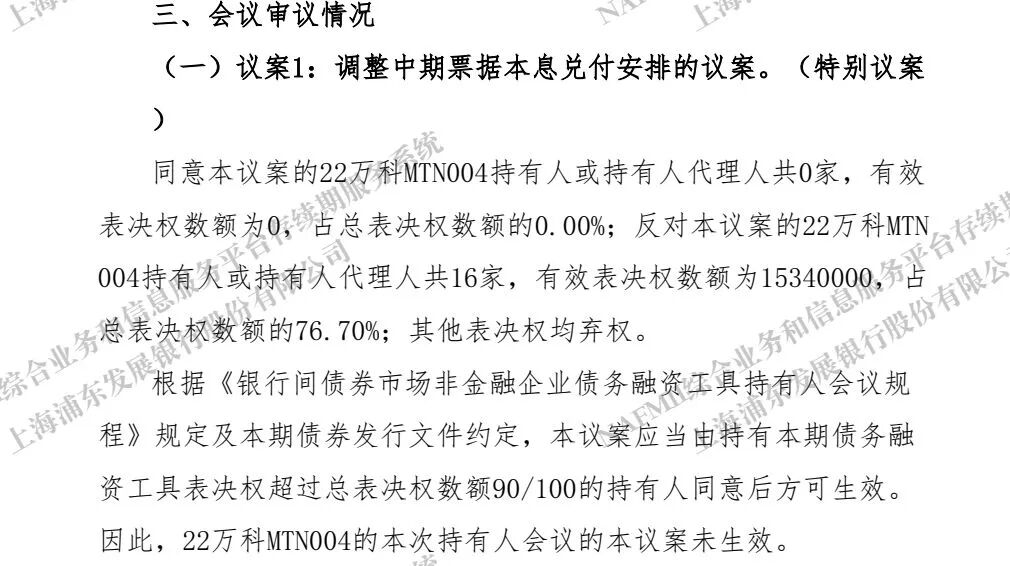
Core Viewpoint - The three proposals for the extension of the "22 Vanke MTN004" bond were not approved during the first bondholder meeting, indicating significant resistance from bondholders against the proposed terms [1][3]. Proposal Details - The proposals aimed for a one-year extension without principal and interest payments during the extension period, with variations in credit enhancement measures [1][3]. - Proposal one maintained the initial extension plan without additional credit enhancement, receiving no votes in favor and facing 76.70% opposition [1][3]. - Proposal two, which included acceptable credit enhancement measures and conditional adjustments to principal and interest repayment, garnered 83.40% support but failed to meet the 90% threshold for approval [3][5]. - Proposal three also faced significant opposition, with only 18.95% support [3]. Financial Context - As of the end of Q3 2025, Vanke reported a net loss of 28.02 billion yuan, with cash holdings of 65.68 billion yuan and total interest-bearing liabilities of 362.93 billion yuan, resulting in a debt-to-asset ratio of 73.5% [5]. - The company has a five-day grace period to negotiate with investors regarding the repayment of the debt [5]. Market Dynamics - The current financial pressure on Vanke is attributed to its constrained cash flow and refinancing channels, leading to a preference for extending debt terms to ensure operational continuity [3][5]. - The market's approach to resolving debt issues is characterized by negotiations between the company and creditors, rather than relying on administrative measures [5].
壹快评|解困万科,让市场的归市场
第一财经· 2025-11-28 15:29
Core Viewpoint - Vanke's request for debt extension has led to significant market reactions, with its stock and bonds declining for three consecutive days, indicating a loss of market confidence [3][4]. Financial Performance - In the first three quarters of the year, Vanke reported revenue of 161.39 billion yuan, a year-on-year decrease of 26.61%, and a loss of 28.02 billion yuan, marking the largest loss among A-share real estate companies [4]. - The company's interest-bearing debt reached 354.4 billion yuan, nearing its historical peak, with 42.7% of this debt due within one year, and a cash-to-short-term debt ratio of only 0.43 [4]. Sales and Cash Flow - From January to October, Vanke's sales amount saw a decline of over 40% year-on-year, and its operating cash flow remained negative, indicating weak recovery capabilities in its core business [5]. Shareholder Support - Vanke's major shareholder, Shenzhen Metro Group, has provided over 30 billion yuan in loans to Vanke but is now facing its own financial difficulties, limiting its ability to continue this support [5][11]. Industry Context - Vanke's challenges reflect a systemic adjustment in the real estate industry, compounded by its own operational decisions, as the company faces declining sales, tight capital chains, and increasing debt pressure [7][8]. - The current situation signals the end of the old model of high leverage and rapid turnover in the real estate sector, with Vanke's reliance on its state-owned shareholder providing a temporary buffer against these challenges [8][9]. Market Solutions - The exploration of debt extension as a market-driven solution to alleviate debt pressure is seen as a pragmatic approach, despite the potential for credit loss and the need for tough negotiations [12]. - Transitioning to a market-oriented debt resolution strategy may relieve Vanke from the burden of its state-owned shareholder's "rescue" obligations, allowing both entities to focus on their respective developments [13][15]. Broader Implications - Vanke's situation serves as a microcosm of China's economic transformation, with its recovery methods potentially offering valuable lessons for the real estate sector and beyond [15][16]. - The principle of separating government and market roles is emphasized as a key strategy for addressing complex economic challenges [17].
壹快评|解困万科,让市场的归市场
Di Yi Cai Jing· 2025-11-28 14:25
Core Viewpoint - Vanke's current predicament is a result of both systemic adjustments in the real estate industry and its own operational decisions, indicating a need to return to market principles for resolution [5][10][11] Financial Performance - In the first three quarters of this year, Vanke reported revenue of 161.39 billion yuan, a year-on-year decline of 26.61%, and a loss of 28.02 billion yuan, marking it as the largest loss among A-share real estate companies [2] - The company's interest-bearing debt reached 354.4 billion yuan, nearing its historical peak, with 42.7% of this debt due within one year, and a cash-to-short-term debt ratio of only 0.43 [2] Sales and Cash Flow - From January to October, Vanke's sales amount experienced a year-on-year decline of over 40%, and its operating cash flow remained negative, indicating weak recovery capabilities in its core business [3] Support and Challenges - Vanke has relied on financial support from its major shareholder, Shenzhen Metro Group, which has provided over 30 billion yuan in loans. However, Shenzhen Metro Group is also facing financial difficulties, limiting its ability to continue this support [6][9] Market Response - The announcement of seeking debt extension led to a significant market reaction, with Vanke's stock and bonds declining for three consecutive days, reflecting a loss of market confidence [1] Strategic Shift - The exploration of debt extension as a market-oriented solution to alleviate debt pressure is seen as a pragmatic approach, despite the potential for credit loss and the need for tough negotiations [10] - Transitioning to a market-based debt resolution strategy may relieve Shenzhen Metro Group from the burden of continuous financial support, allowing it to focus on its own operational challenges [11] Industry Implications - Vanke's situation serves as a microcosm of the broader challenges facing the real estate sector in China, highlighting the end of the era characterized by high leverage and rapid turnover [6][8] - The company's approach to resolving its issues may provide a reference model for other firms in the real estate industry and beyond [11]