平台经济政策

Search documents
港股半日市收官在即:哪些板块在除夕逆势走强?
Mei Ri Jing Ji Xin Wen· 2026-02-16 02:30
Core Viewpoint - The Hong Kong stock market experienced a slight decline and volatility during the half-day trading session on February 16, influenced by tightened liquidity due to the closure of the Stock Connect and various favorable factors over the weekend [1]. Market Performance - The Hang Seng Index opened at 26,501.2 points and reached 26,573.67 points by 10:16 AM, showing a slight increase of 6.55 points or 0.02% [1]. - The Hang Seng Technology Index opened lower, down 0.19%, following the overall market trend [1]. - Over the past three months, the Hang Seng Index has accumulated a rise of 2.41%, but it has recently shown a trend of volatility and decline [1]. Sector Analysis - The technology sector, represented by the Hang Seng Technology Index, is a market focus, benefiting from multiple positive factors such as expectations of interest rate cuts by the Federal Reserve, advancements in AI commercialization, and supportive platform economy policies [3]. - Core stocks like Tencent, Xiaomi, and NetEase showed slight pullbacks, but their long-term investment value is recognized by institutions, with AI advertising, gaming, and cloud services being key highlights [3]. - The gold and precious metals sector opened strongly and remained stable, becoming a preferred choice for risk-averse investors, with companies like Zhaojin Mining and Zijin Mining benefiting from a weaker dollar and increased physical demand during the Spring Festival [3]. - The consumer sector saw slight gains due to holiday catalysts, with companies like Yum China and Haidilao experiencing minor increases before stabilizing [3]. - The real estate and financial sectors showed weakness due to underwhelming policy expectations and significant performance pressures, leading to a lack of notable improvement [3]. Future Outlook - According to China Merchants Securities, the recent significant decline in the Hang Seng Technology Index presents substantial allocation value, suggesting that the current market volatility is primarily due to liquidity shocks [4]. - The firm believes that the ongoing market fluctuations are not fundamentally different from those seen in November 2025, and positive factors are accumulating, recommending buying on dips and holding stocks through the holiday [4].


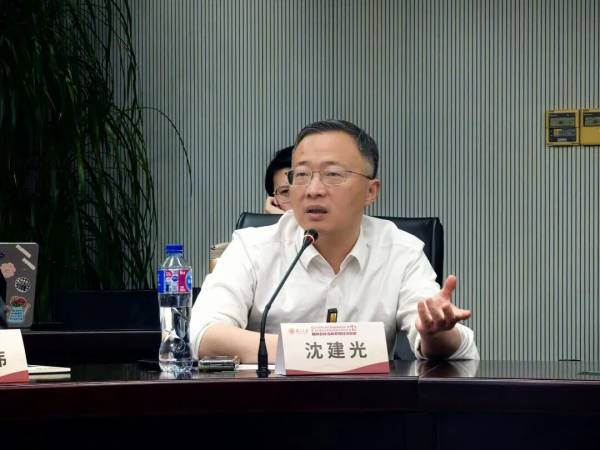
京东首席经济学家沈建光:与“十四五”相比,“十五五”规划有六大关键调整
Sou Hu Cai Jing· 2026-02-02 12:42
Group 1: Economic Outlook and Policy Direction - The 2026 macroeconomic outlook emphasizes the importance of the "15th Five-Year Plan," which marks a shift in policy focus towards economic construction, consumption, and technological development [1][6][17] - Key adjustments in the "15th Five-Year Plan" include a renewed emphasis on balancing economic growth with safety, promoting urban-rural integration, and reforming the fiscal and tax system [1][6][8] - China's economic growth rate has decreased to around 5%, but it remains competitive compared to emerging markets like Vietnam and India, highlighting the need for a focus on maintaining reasonable growth [1][7] Group 2: Monetary and Fiscal Policy Changes - Significant changes in monetary policy now include promoting stable economic development and reasonable price recovery as key considerations, moving away from a sole focus on inflation [2][10] - Fiscal policy is expected to maintain a deficit rate of around 4%, with an emphasis on necessary debt levels and total expenditure [2][10] - The policy aims to optimize existing demand through measures like "trade-in" programs and removing unreasonable restrictions to stimulate consumption [2][11] Group 3: Global Economic Context - The U.S. economy shows signs of weakness, with a cooling job market and a decline in the dollar's reserve status, while the European economy faces multiple challenges, including energy crises [4][15] - Despite a 35% drop in real estate prices over five years, China's economy has shown resilience, supported by advancements in semiconductor equipment, digital economy, and artificial intelligence [4][12] - China's trade surplus is projected to reach $1.2 trillion by 2025, indicating a balanced trade relationship with the U.S. despite ongoing trade tensions [12][16] Group 4: Consumer and Investment Dynamics - The core policy direction for 2026 is to boost consumption, with a significant gap between service consumption in China (18% of GDP) compared to the U.S. (46%), primarily due to urban-rural disparities [4][17] - Investment pressures are evident, with fixed asset investment declining by 12%, although this figure may not accurately reflect the actual investment situation [11][12] - The "15th Five-Year Plan" aims to enhance consumer spending through urban-rural integration and regulatory relaxation, such as in the automotive and yacht sectors [17]