
中央经济工作会议

Search documents
2026年3月PMI点评:“反内卷”初现成效
CMS· 2026-03-31 08:33
Group 1: PMI Overview - In March, the manufacturing PMI recorded 50.4%, up 1.25 percentage points from the average of January-February[2] - The services PMI reached 50.2%, increasing by 0.6 percentage points compared to the January-February average[2] - The construction PMI rose to 49.3%, up 0.8 percentage points from the January-February average[2] Group 2: Demand and Supply Dynamics - Manufacturing PMI returned above the threshold, indicating improved supply and demand post-Spring Festival[5] - New orders and new export orders indices increased to 51.6% and 49.1%, respectively, both up by 2.7 percentage points from January-February[5] - Manufacturing production index rose to 51.4%, up 1.3 percentage points from January-February[5] Group 3: Price Trends - Raw material purchase prices index and factory prices index reached 63.9% and 55.4%, respectively, both hitting new highs for 2023[5] - Raw material prices saw a significant increase, with the monthly rise being the second highest since 2005[5] Group 4: Sector-Specific Insights - The construction sector showed signs of recovery, with the business activity index for March at 49.3%, indicating a rise in infrastructure investment activities[5] - The services sector's business activity index was 50.2%, with certain industries like telecommunications and finance showing strong growth, while retail and hospitality lagged[5] Group 5: Risks and Outlook - Risks include slower-than-expected domestic demand recovery, changes in domestic policies, and fluctuations in the international trade environment[3]
中央财办分管日常工作的副主任、中央农办主任韩文秀,发表署名文章
Zhong Guo Ji Jin Bao· 2026-02-16 05:31
Core Viewpoint - The article emphasizes the importance of maintaining stability while seeking progress and improving quality in economic work, aiming for a good start to the "15th Five-Year Plan" [3][4]. Group 1: International and Domestic Situations - In 2025, the economic work will be reviewed, highlighting achievements during the "14th Five-Year Plan" and analyzing both international and domestic challenges [3][4]. - Internationally, geopolitical tensions and economic instability are increasing, with predictions of a decline in global trade growth from 2.4% in 2025 to 0.5% in 2026 [5]. - Domestically, there are significant challenges such as weak consumer demand and investment growth, with per capita consumer spending growth lagging behind disposable income growth [6]. Group 2: Economic Support and Reform - The article outlines five essential principles for economic work, including fully tapping economic potential and combining policy support with reform innovation [8][9]. - It stresses the need for a balanced approach between market freedom and government regulation to foster a healthy economic environment [10]. Group 3: Investment and Human Capital - There is a call for a dual focus on investing in physical assets and human capital, emphasizing the importance of improving living standards and developing human resources [11][12]. - The need for investment in education, healthcare, and skills training is highlighted to enhance overall productivity and economic resilience [12]. Group 4: Key Economic Tasks for 2026 - The article outlines key tasks for 2026, including expanding domestic demand, promoting technological and industrial innovation, and deepening reforms to stimulate high-quality development [13][14][15]. - It emphasizes the importance of improving the business environment and enhancing cooperation in international trade [16]. Group 5: Social Welfare and Risk Management - There is a strong focus on improving people's livelihoods, with policies aimed at stabilizing employment and enhancing social services [17]. - The article also addresses the need for effective risk management in key sectors, particularly in real estate and local government debt [18].
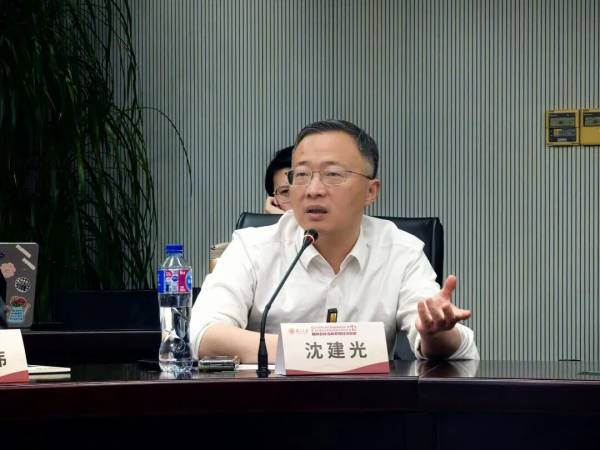
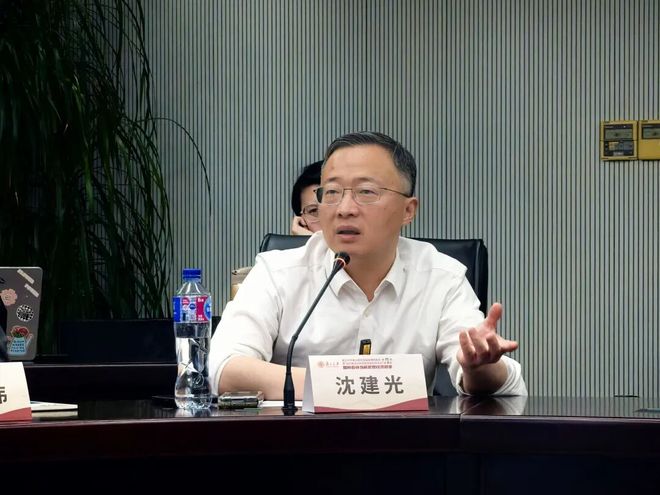
京东首席经济学家沈建光:与“十四五”相比,“十五五”规划有六大关键调整
Sou Hu Cai Jing· 2026-02-02 12:42
Group 1: Economic Outlook and Policy Direction - The 2026 macroeconomic outlook emphasizes the importance of the "15th Five-Year Plan," which marks a shift in policy focus towards economic construction, consumption, and technological development [1][6][17] - Key adjustments in the "15th Five-Year Plan" include a renewed emphasis on balancing economic growth with safety, promoting urban-rural integration, and reforming the fiscal and tax system [1][6][8] - China's economic growth rate has decreased to around 5%, but it remains competitive compared to emerging markets like Vietnam and India, highlighting the need for a focus on maintaining reasonable growth [1][7] Group 2: Monetary and Fiscal Policy Changes - Significant changes in monetary policy now include promoting stable economic development and reasonable price recovery as key considerations, moving away from a sole focus on inflation [2][10] - Fiscal policy is expected to maintain a deficit rate of around 4%, with an emphasis on necessary debt levels and total expenditure [2][10] - The policy aims to optimize existing demand through measures like "trade-in" programs and removing unreasonable restrictions to stimulate consumption [2][11] Group 3: Global Economic Context - The U.S. economy shows signs of weakness, with a cooling job market and a decline in the dollar's reserve status, while the European economy faces multiple challenges, including energy crises [4][15] - Despite a 35% drop in real estate prices over five years, China's economy has shown resilience, supported by advancements in semiconductor equipment, digital economy, and artificial intelligence [4][12] - China's trade surplus is projected to reach $1.2 trillion by 2025, indicating a balanced trade relationship with the U.S. despite ongoing trade tensions [12][16] Group 4: Consumer and Investment Dynamics - The core policy direction for 2026 is to boost consumption, with a significant gap between service consumption in China (18% of GDP) compared to the U.S. (46%), primarily due to urban-rural disparities [4][17] - Investment pressures are evident, with fixed asset investment declining by 12%, although this figure may not accurately reflect the actual investment situation [11][12] - The "15th Five-Year Plan" aims to enhance consumer spending through urban-rural integration and regulatory relaxation, such as in the automotive and yacht sectors [17]

京东首席经济学家:与“十四五”相比,“十五五”规划有六大关键调整
Guan Cha Zhe Wang· 2026-02-02 12:32
Group 1 - The core viewpoint emphasizes the importance of the "15th Five-Year Plan" as a starting point for China's economic policies, highlighting six key adjustments compared to the previous plan, including a renewed focus on economic construction and balanced development [1][7] - The Chinese economy is projected to maintain a growth rate of around 5%, despite a decline from previous high levels, with a focus on consumption, internal circulation, and technological collaboration [1][8] - The policy direction for 2026 includes significant shifts in monetary and fiscal policies, with a new emphasis on stabilizing economic growth and reasonable price recovery [2][11] Group 2 - The analysis of the global economic landscape indicates vulnerabilities in the U.S. economy, including a cooling job market and a declining dollar reserve status, while China's economy shows resilience despite a 35% drop in real estate prices over five years [4][16] - Three main supports for China's economy in 2026 are identified: a rebound in infrastructure investment, resilient exports, and ongoing upgrades in manufacturing [4][18] - The focus on boosting consumption is highlighted as a core policy direction, with a significant gap in service consumption compared to the U.S., attributed to the urban-rural dual structure [4][18][19] Group 3 - The "15th Five-Year Plan" aims to optimize employment, social security, and rural-urban integration, addressing key reforms in these areas [9][10] - The fiscal policy is expected to maintain a deficit rate around 4%, with an emphasis on sustainable growth and necessary spending levels [2][11] - The policy signals a shift towards long-term solutions for real estate risks, with a focus on stabilizing the market and encouraging supply-side reforms [14][19]
1月份中国采购经理指数有所回落 专家称后市回稳具备基础
Zheng Quan Ri Bao· 2026-01-31 04:28
Group 1: Manufacturing Sector - In January, the Manufacturing Purchasing Managers' Index (PMI) decreased to 49.3%, indicating a decline in economic sentiment as it fell by 0.8 percentage points from the previous month [1] - The production index remained above the critical point at 50.6%, showing continued expansion in production, while the new orders index dropped to 49.2%, reflecting a decrease in market demand [2] - High-tech manufacturing led the sector with a PMI of 52.0%, maintaining a strong performance for two consecutive months, while consumer goods and high-energy-consuming industries saw PMIs of 48.3% and 47.9%, respectively, indicating a decline in sentiment [2] Group 2: Non-Manufacturing Sector - The Non-Manufacturing Business Activity Index fell to 49.4%, down 0.8 percentage points from the previous month, primarily due to a decline in the construction industry's performance [4] - The service sector showed a slight decline with a Business Activity Index of 49.5%, while financial services and capital market services remained robust with indices above 65.0% [4] - The construction industry experienced a significant drop in its Business Activity Index to 48.8%, down 4.0 percentage points, attributed to adverse weather and the upcoming Spring Festival [5] Group 3: Market Expectations - Despite the decline in indices, the production and business activity expectation index remained optimistic at 52.6%, indicating confidence among enterprises [3] - The service sector's business activity expectation index rose to 57.1%, suggesting increased confidence in market development [4] - Analysts predict that post-Spring Festival, there will be a rebound in construction activity and investment demand, leading to improved sentiment in the construction sector [5]
国新办就落实中央经济工作会议精神,推动“十五五”实现良好开局有关情况举行新闻发布会
Xin Hua Wang· 2026-01-20 07:40
Core Viewpoint - The press conference held by the National Development and Reform Commission (NDRC) highlighted the successful implementation of the central economic work conference's spirit, aiming for a strong start to the 14th Five-Year Plan, with a focus on economic resilience, technological independence, and social welfare improvements [3][7]. Group 1: Economic Performance and Policies - In 2025, China's economy achieved a total output of 140 trillion yuan, with a growth rate of 5%, maintaining a leading position among major global economies [3][4]. - The NDRC emphasized the implementation of proactive macroeconomic policies, including measures to stabilize employment and promote high-quality development, which contributed to a robust economic performance [3][5]. - The "Two New" policies, aimed at boosting investment and consumption, have shown significant effects, with over 3.6 billion people benefiting from consumption subsidies [22][24]. Group 2: Technological Development - The NDRC reported breakthroughs in new productive forces, particularly in artificial intelligence, biotechnology, and robotics, positioning China at the forefront of global innovation [4][15]. - The new energy storage capacity has surpassed 100 million kilowatts, accounting for over 40% of the global total, indicating strong growth in new technologies [13]. Group 3: Reform and Opening Up - The NDRC is advancing reforms to eliminate economic bottlenecks and enhance the competitive landscape, including the implementation of the Private Economy Promotion Law and regular communication with private enterprises [5][6]. - The total value of imports reached 18.48 trillion yuan, maintaining a 10% share of global imports, showcasing China's strong trade resilience [5]. Group 4: Regional Development and Urbanization - The urbanization rate reached 67.89% by the end of the year, with over 10 million people transitioning to urban living, reflecting ongoing efforts in new urbanization [6]. - The NDRC is focusing on regional coordinated development, with significant investments in infrastructure and public services in the central and western regions [56][58]. Group 5: Social Welfare and Employment - The average urban unemployment rate was 5.2%, with policies aimed at enhancing social welfare and employment opportunities [6][15]. - The NDRC is implementing measures to improve the quality of life for citizens, including childcare subsidies and free preschool education [6][15]. Group 6: Future Economic Strategy - The NDRC plans to continue expanding domestic demand and optimizing supply to achieve a dynamic balance in the economy, with a focus on enhancing the quality of the domestic market [17][18]. - The emphasis will be on integrating macroeconomic policies with structural reforms to stimulate economic growth and address supply-demand imbalances [42][52].
商务部部长王文涛:释放消费潜力活力,以高水平开放赢得战略主动
Xin Lang Cai Jing· 2026-01-15 11:14
Group 1: Core Insights - The "14th Five-Year Plan" emphasizes the importance of building a strong domestic market and expanding high-level opening-up, with specific measures to boost consumption and promote trade innovation [1][2] - The Ministry of Commerce aims to achieve a retail sales total of over 50 trillion yuan for the year, with a 4.0% growth in social retail sales in the first eleven months [2][3] Group 2: Consumption Strategies - Focus on cultivating service consumption and optimizing trade-in policies, with a target to enhance green and smart product consumption by 2026 [3][4] - The strategy includes promoting service consumption in key areas such as transportation, home services, and entertainment, while also enhancing offline retail experiences [3][4] Group 3: Downstream Market Activation - The strategy targets lower-tier markets, which account for 70% of the population and 60% of social retail, by improving circulation facilities and market environments [4] - The Ministry plans to host significant promotional events like the "Lego New Year" to stimulate consumption during the Spring Festival [4] Group 4: Trade Innovation Development - The Ministry of Commerce identifies three pillars for trade development: goods trade, service trade, and digital trade, in response to global trade slowdowns [5][6] - Emphasis on market diversification, promoting balanced trade development, and enhancing service trade through policy improvements and international cooperation [6][7] Group 5: High-Level Opening-Up Initiatives - The Ministry plans to expand autonomous opening in various service sectors and enhance the operational policies of the Hainan Free Trade Port [8][9] - Active participation in global economic governance through APEC and WTO meetings, promoting multilateralism and free trade [9]
变局世界与潜能中国系列研究之一:如何充分挖掘经济潜能?
工银国际· 2026-01-05 08:23
Demand Potential - In the first three quarters of 2025, the per capita disposable income in China was 32,509 yuan, with a nominal growth rate of 5.1%[2] - Per capita consumption expenditure during the same period was 21,575 yuan, growing at 4.6%[2] - Household deposits increased by 12.7 trillion yuan, indicating enhanced financial resilience and a shift towards consumption[2] Supply Potential - The tertiary sector contributed 60.7% to economic growth in Q3 2025, marking a shift towards service-driven growth[5] - The focus on improving service efficiency is expected to yield productivity gains greater than traditional investment expansions[5] - The government aims to enhance service quality and integrate "Artificial Intelligence+" into various sectors to boost overall productivity[5] Innovation Potential - In 2024, China's R&D expenditure reached 3.613 trillion yuan, with an R&D intensity of 2.68%, reflecting a solid foundation for innovation[8] - The emphasis is on transforming localized innovations into widespread productivity improvements across industries[10] Institutional Potential - The establishment of a unified national market aims to improve resource allocation efficiency and enhance return rates for businesses[11] - Reforms targeting competition and cash flow stability are expected to create a more predictable investment environment[11] Economic Growth Framework - China's long-term growth center is projected to remain above global averages, with a significant advantage over major economies like the US and Eurozone[12] - The potential for economic growth is supported by addressing demand, efficiency, and external gaps, with a focus on converting savings into consumption[15]
求真务实 真抓实干 确保“十五五”开好局起好步
Xin Hua Ri Bao· 2026-01-04 22:18
Group 1 - The meeting emphasized the importance of the first quarter economic work as it marks the beginning of the "14th Five-Year Plan" [3] - The focus is on maintaining stability while seeking progress, enhancing responsibility and urgency in economic tasks [3] - Key tasks include advancing major project construction, ensuring resource support, and stabilizing investment [3] Group 2 - The meeting highlighted the need for effective consumer promotion activities and leveraging national policies to stimulate consumption [3] - It is crucial to provide precise services to enterprises, guiding financial institutions to increase financing support [3] - The meeting also discussed legislative plans for 2026, including the provincial legislative work plan and key consultation plans [3]
“小家”与“大家”
Xin Lang Cai Jing· 2026-01-04 01:29
Group 1 - The core message emphasizes the importance of addressing the needs of individual families ("small homes") as a means to enhance the overall strength and prosperity of the community ("big home") [1][2] - The article highlights the transformation in rural areas, such as Meizhou's Nanfeng Village, where improved infrastructure and technology have significantly boosted local agricultural sales and logistics [1] - It discusses the government's focus on people's livelihoods, with specific policies aimed at improving the welfare of various demographics, including new employment groups and families with children [4] Group 2 - The narrative illustrates the connection between individual happiness and collective progress, suggesting that the well-being of the populace is a priority for policymakers [5] - It mentions the role of cultural and technological advancements in enriching people's lives, including the rise of cultural tourism and innovative technologies like AI and drones [4] - The article concludes with a call to action, indicating that the time is ripe for implementing the outlined plans and strategies to further enhance community welfare [6]