弯道超车

Search documents
广货新能源车三巨头出海,打出三张王牌
2 1 Shi Ji Jing Ji Bao Dao· 2026-01-20 10:17
Core Insights - Guangdong province has achieved a record high in foreign trade, with a total import and export value of 9.49 trillion RMB in 2025, marking a 4.4% year-on-year increase and accounting for 20.9% of the national total [1] - The province has shifted its export focus from traditional goods like clothing and home appliances to new energy vehicles (NEVs), medical equipment, industrial robots, 5G smartphones, and drones [1] Group 1: Electric Vehicle Market Performance - BYD has become the world's largest electric vehicle manufacturer in 2025, selling approximately 2.26 million units, surpassing Tesla's 1.63 million units [2] - GAC's exports exceeded 130,000 units in 2025, representing a 45% year-on-year growth, achieving a threefold increase in two years [2] - Xpeng delivered 45,008 vehicles in overseas markets in 2025, a 96% increase, entering nearly 30 new markets within the year [2] Group 2: Competitive Advantages of Guangdong Automakers - The technological advantage is highlighted by BYD's innovations in battery technology and GAC's advancements in solid-state batteries, while Xpeng focuses on enhancing vehicle intelligence [2][3] - The ecological advantage is evident as the domestic NEV penetration rate has surpassed 50%, supported by widespread fast-charging technology and a comprehensive charging network [3] - The industrial foundation advantage stems from Guangdong's established automotive production ecosystem, which includes a complete supply chain for vehicle manufacturing and components, facilitating the export of both products and technology [3] Group 3: Future Outlook - Guangdong's automotive industry is poised for further global expansion, leveraging its technological, ecological, and industrial strengths to navigate international markets [4]

中国算力弯道超车,可能吗?
Hu Xiu· 2025-09-25 06:26
Core Viewpoint - China is leveraging its computing power to catch up with Nvidia, focusing on large-scale clusters to enhance performance despite individual card performance still needing improvement [1] Group 1 - China's strategy involves using super large-scale clusters to optimize performance, which is a different approach compared to Nvidia [1] - Although individual card performance is still lagging, the overall strategy aims to create a competitive edge in the market [1]
暑假已经过去大半,你家孩子“弯道超车”了吗
3 6 Ke· 2025-08-11 11:29
Core Viewpoint - The article discusses the phenomenon of intense summer tutoring in China, where parents are increasingly investing in educational programs to give their children a competitive edge in academics, despite regulatory efforts to limit such practices [2][3][4][8]. Group 1: Summer Tutoring Trends - The summer break has transformed into a "third semester," with various forms of tutoring continuing to thrive despite regulatory restrictions on academic training [2][4]. - In major cities, the prices for tutoring programs have surged, with some courses costing nearly 20,000 yuan for a month, indicating high demand and competition among parents to secure spots for their children [4][6]. - In smaller markets, informal tutoring sessions led by retired teachers are also gaining popularity, with parents willing to pay above average local wages for these services [6][8]. Group 2: Parental Anxiety and Competition - Parents are driven by anxiety to ensure their children do not fall behind, leading to a culture of "bending the curve" where children are pushed to study harder during the summer [3][9]. - The article highlights that some parents go to extreme lengths, such as staying up late to secure tutoring spots, reflecting the intense competition among families [4][6]. - The concept of "bending the curve" has become a common phrase in the education sector, symbolizing the pressure to excel academically [3][9]. Group 3: Short-term Gains vs. Long-term Risks - While some students may see short-term academic improvements from intensive summer tutoring, there are concerns about the long-term effects on their learning interests and self-directed study skills [11][13]. - A significant percentage of students who engage in extensive summer tutoring report increased disinterest in school subjects and a decline in their ability to learn independently [11][13]. - Health issues related to excessive studying, such as anxiety and physical ailments, are also noted, raising concerns about the overall well-being of students [13][15]. Group 4: Alternative Approaches to Learning - The article suggests that true educational growth should focus on balanced learning rather than just intensive study, advocating for a more holistic approach to education [15][16]. - Engaging children in real-life learning experiences, such as cooking or outdoor activities, can be more beneficial than traditional tutoring methods [16][18]. - Encouraging sustainable learning habits and allowing for downtime can foster a more effective and enjoyable learning environment for children [18].


暑假已经过去大半,你家孩子“弯道超车”了吗
首席商业评论· 2025-08-11 09:50
Core Viewpoint - The article discusses the rising trend of "educational acceleration" among parents, where they seek to give their children an edge in academic competition by enrolling them in intensive summer courses and tutoring sessions, despite regulatory efforts to limit such practices [3][5][7]. Group 1: Educational Trends - The summer has transformed into a "third semester," with children engaging in rigorous study schedules that often exceed their regular school hours [6][11]. - Parents are increasingly concerned about their children's academic performance, leading to a surge in demand for various forms of tutoring, including "invisible tutoring" and private lessons, often at high costs [7][9]. - The competitive nature of education has led to a phenomenon where parents feel compelled to ensure their children do not fall behind, resulting in a collective "补课潮" (tutoring wave) [11][12]. Group 2: Impact on Students - While some students may experience short-term academic gains from intensive summer study, there are significant long-term risks, including diminished interest in learning and reduced self-directed study skills [12][14]. - A survey indicated that students who participated in over 20 days of summer tutoring showed a 40% increase in classroom distraction rates, with many expressing frustration towards their studies [14][16]. - Health issues have also been reported, with children studying over eight hours a day experiencing higher rates of vision problems and mental health issues [16][18]. Group 3: Alternative Approaches - The article suggests that true educational growth should focus on balance and sustainable learning habits rather than sheer volume of study [18][21]. - Engaging children in real-life learning experiences, such as cooking or outdoor activities, can be more beneficial than traditional rote learning [19][21]. - Encouraging children to develop self-directed learning habits and setting a balanced summer schedule can foster long-term academic success and personal growth [21].

中国抹茶迎来labubu时刻
3 6 Ke· 2025-07-28 00:09
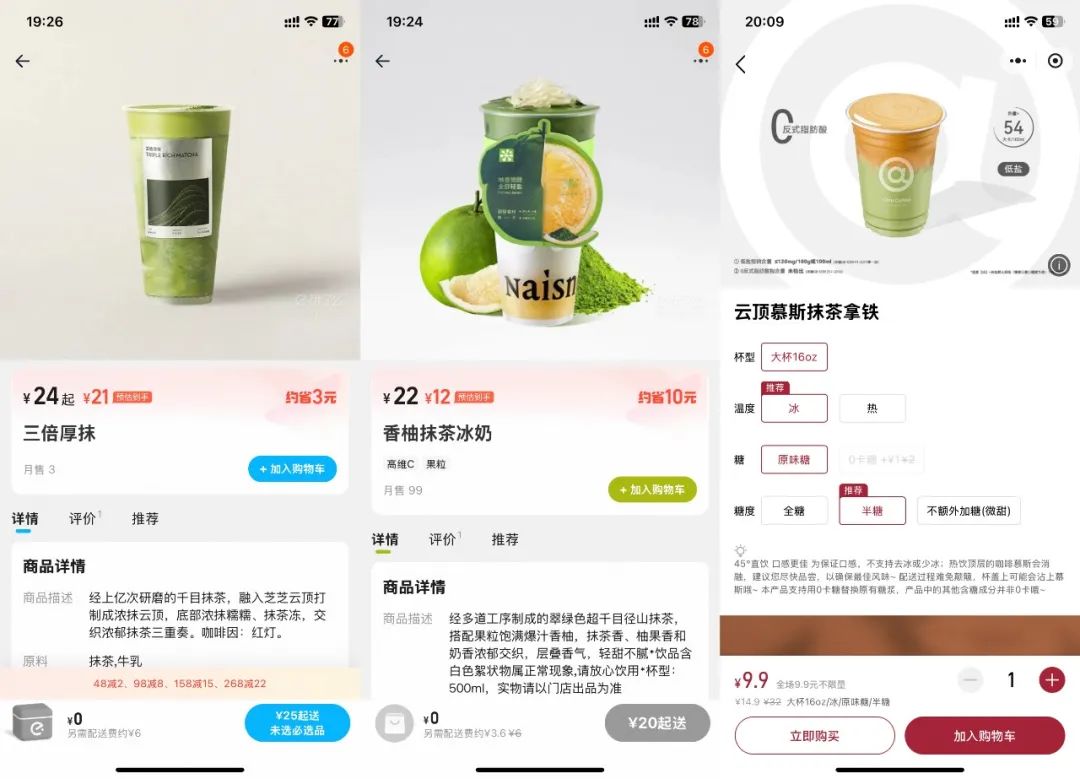
Core Insights - The Chinese matcha industry is at a critical turning point, with increasing global demand and opportunities for growth [1][10] - Matcha is gaining popularity among younger generations in Europe and America, being recognized as a "superfood" [1][10] - Chinese matcha production has surpassed Japan, with expectations to produce over 5,000 tons by 2025, making China the largest producer and consumer of matcha globally [10][11] Industry Trends - Major tea brands in China, such as Heytea and Nayuki, have launched new matcha products, emphasizing their Chinese origins [2][4] - The rise of matcha products in the beverage and dessert sectors reflects a shift in consumer preferences towards this flavor [4][11] - The matcha market is seeing a surge in product innovation, with various brands creating unique offerings to attract consumers [4][10] Production and Supply Chain - The production of high-quality matcha requires a complex supply chain, including specific cultivation and processing methods [6][7] - Key players like Guizhou Guicha Group and Zhejiang Tea Group are leading the establishment of matcha production bases in China [7][9] - The production process involves multiple steps, including shading, harvesting, and low-temperature grinding to preserve nutrients [6][9] Market Dynamics - The global demand for matcha is strong, with significant price increases observed in auction markets [12][14] - Matcha is positioned as a competitor to coffee and chocolate, with potential for capturing market share in these established sectors [12][15] - The Chinese market's unique preferences may allow for the development of matcha products that cater specifically to local tastes [10][19] Future Outlook - The combination of local production capabilities and a large consumer base positions the Chinese matcha industry for significant growth [10][19] - Companies are encouraged to leverage their advantages in production and market access to create popular consumer products [19] - The industry is at a pivotal moment, with the potential for rapid expansion and innovation in matcha offerings [1][11]