喜茶三倍厚抹

Search documents
国潮崛起(上)
Jing Ji Ri Bao· 2025-12-01 22:22
Core Insights - The rise of "Guochao" (national trend) reflects a significant shift in consumer behavior, where Chinese brands are becoming essential choices rather than optional ones, indicating a deep-rooted change in consumer psychology and market environment [2][3][4] Group 1: Market Trends - Guochao consumption has transitioned from being a niche phenomenon to a mainstream force, with Chinese brands now covering a wide range of categories including 3C digital products, home goods, food, beauty, fashion, and cultural products [3][4] - The popularity of Guochao brands is evident in international markets, with significant growth in overseas revenues for brands like Pop Mart, which saw a year-on-year increase of 365% to 370% in Q3 2025 [2][3] Group 2: Demographic Shifts - The consumer base for Guochao has expanded beyond the "Z generation" to include older demographics, with a notable 38% repurchase rate for Hanfu among those aged 50 and above, indicating a cross-generational appeal [4][5] - Middle-income families from the "80s" and "90s" are becoming key consumers of new Chinese-style home goods and high-end domestic products, showcasing the broadening appeal of Guochao [4] Group 3: Consumer Preferences - The focus of Guochao has shifted from "cost-effectiveness" to "emotional value," with consumers prioritizing personal preference and emotional connection over mere price considerations [5][6] - Brands like ERDOS and Heytea are establishing themselves as premium choices, with products priced higher than their international counterparts, reflecting a growing confidence in the value of Chinese brands [5][6] Group 4: Policy and Digital Empowerment - The growth of Guochao is supported by government policies promoting cultural confidence and innovation in supply, which have enhanced the recognition and influence of domestic brands [7][8] - The rise of digital platforms such as Douyin and TikTok has transformed the marketing landscape, allowing Guochao brands to reach consumers effectively and build trust through social media engagement [8][9] Group 5: Competitive Advantage - The core competitive advantage of Guochao lies in its ability to reconstruct value, moving from a focus on cultural identity to emphasizing quality and consumer trust [10][11] - Guochao brands are increasingly recognized for their superior product quality and emotional resonance, filling a market gap between unreliable white-label products and overpriced international brands [11][12]

喜茶爆单,抹茶“杀疯”,中国抹茶会是下一个Labubu吗?
创业邦· 2025-08-02 10:07
Core Viewpoint - The article discusses the recent surge in popularity of matcha products, particularly highlighting the impact of BLACKPINK member's social media post on HEYTEA's "Triple Thick Matcha," which led to a significant increase in global orders and sales [4][6][10]. Group 1: Market Trends - There has been a notable increase in matcha product launches across various brands, with HEYTEA introducing multiple matcha beverages and other brands like Nayuki and Cha Bai Dao also releasing popular matcha items [7][21]. - The Asia-Pacific region accounted for 57.76% of the global matcha market in 2023, with China and Japan recognized as historical centers for matcha production [9][33]. - Matcha's association with Japan persists, despite its origins in China, as consumers increasingly discover the historical roots of matcha in regions like Jing Mountain, Hangzhou [30][32]. Group 2: HEYTEA's Response - Following the social media post, HEYTEA's sales of the "Triple Thick Matcha" increased by over 500% in cities like Shanghai and Hangzhou within a day [12]. - HEYTEA's global stores quickly adapted by launching promotional activities, including a buy-one-get-one-free offer for matcha drinks, although this led to shortages in matcha supplies [16][20]. - The brand's marketing strategy included creating artist-customized versions of the matcha drink to attract fans and enhance engagement [16][14]. Group 3: Regional Production Insights - China has become the largest producer and consumer of matcha globally, with production concentrated in regions like Jing Mountain, Guizhou, and Hubei [33][40]. - Jing Mountain's matcha production is expected to exceed 5,000 tons by 2025, with significant investments in local tea development [34][36]. - Guizhou's matcha production surpassed 1,200 tons last year, and the region is recognized for its modern matcha processing facilities [40]. Group 4: Branding and Market Positioning - The article emphasizes the need for "Chinese matcha" to establish a stronger brand identity to compete with Japanese matcha products [48]. - Successful examples from other regions, such as the rapid growth of Liuzhou's snail noodles, illustrate the potential for local specialties to gain national recognition through effective branding and marketing strategies [51]. - The article suggests that enhancing product visibility, leveraging local heritage, and creating engaging marketing campaigns can help elevate the status of Chinese matcha in the global market [55].

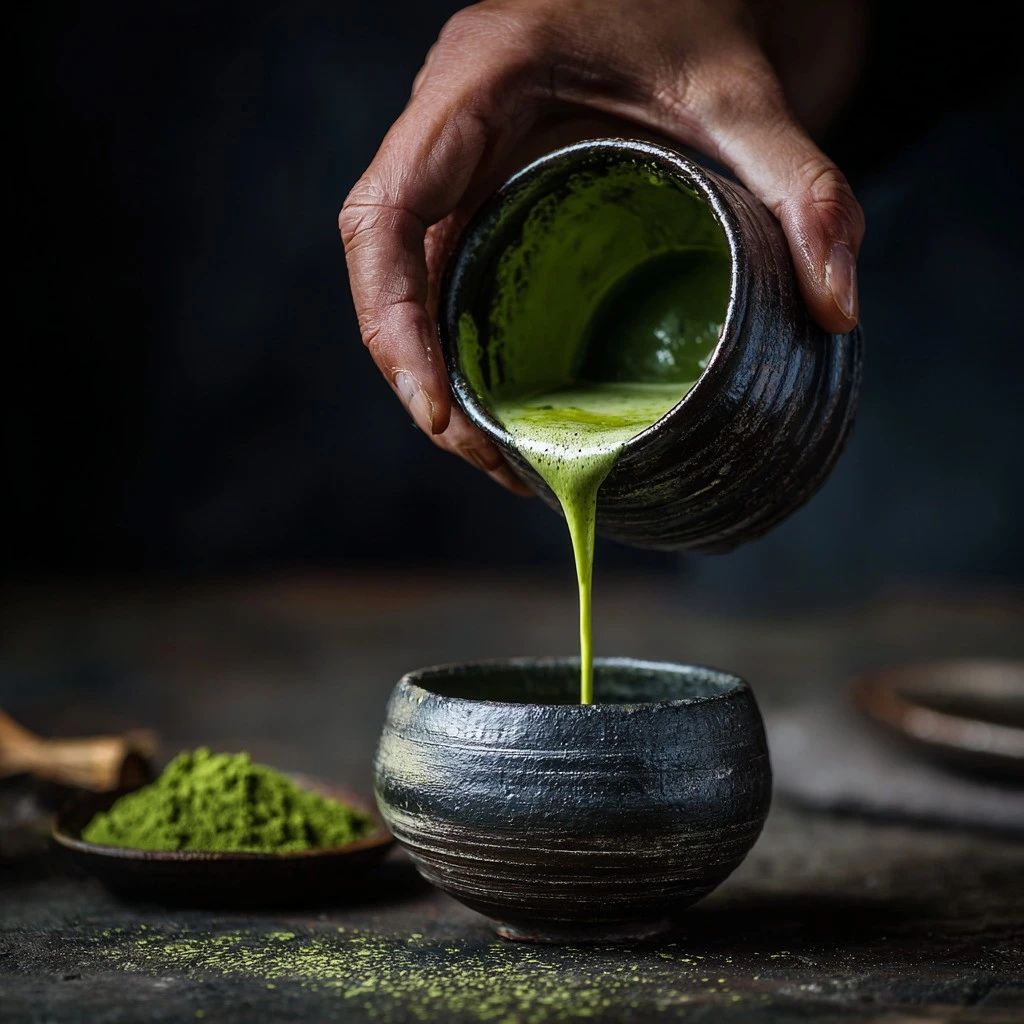
中国抹茶迎来labubu时刻
3 6 Ke· 2025-07-28 00:09
Core Insights - The Chinese matcha industry is at a critical turning point, with increasing global demand and opportunities for growth [1][10] - Matcha is gaining popularity among younger generations in Europe and America, being recognized as a "superfood" [1][10] - Chinese matcha production has surpassed Japan, with expectations to produce over 5,000 tons by 2025, making China the largest producer and consumer of matcha globally [10][11] Industry Trends - Major tea brands in China, such as Heytea and Nayuki, have launched new matcha products, emphasizing their Chinese origins [2][4] - The rise of matcha products in the beverage and dessert sectors reflects a shift in consumer preferences towards this flavor [4][11] - The matcha market is seeing a surge in product innovation, with various brands creating unique offerings to attract consumers [4][10] Production and Supply Chain - The production of high-quality matcha requires a complex supply chain, including specific cultivation and processing methods [6][7] - Key players like Guizhou Guicha Group and Zhejiang Tea Group are leading the establishment of matcha production bases in China [7][9] - The production process involves multiple steps, including shading, harvesting, and low-temperature grinding to preserve nutrients [6][9] Market Dynamics - The global demand for matcha is strong, with significant price increases observed in auction markets [12][14] - Matcha is positioned as a competitor to coffee and chocolate, with potential for capturing market share in these established sectors [12][15] - The Chinese market's unique preferences may allow for the development of matcha products that cater specifically to local tastes [10][19] Future Outlook - The combination of local production capabilities and a large consumer base positions the Chinese matcha industry for significant growth [10][19] - Companies are encouraged to leverage their advantages in production and market access to create popular consumer products [19] - The industry is at a pivotal moment, with the potential for rapid expansion and innovation in matcha offerings [1][11]