征信修复

Search documents
征信“斩杀线”:美国吃干抹净,中国能走出另一条路吗?
Guan Cha Zhe Wang· 2026-02-12 05:33
Core Viewpoint - The People's Bank of China (PBOC) has introduced a one-time credit repair policy that allows individuals with overdue accounts of less than 10,000 yuan to have their credit records automatically cleared if they settle their debts by March 31, 2026, signaling a shift in the credit system from punishment to assistance [1][9][10]. Group 1: Current State of Credit Repair - Prior to the PBOC's policy, individuals with damaged credit had limited legal avenues for relief, with the official stance being that "credit repair" did not exist, leading to a lack of awareness and complex processes for legitimate appeals [2][3]. - The absence of legitimate options has allowed a gray market to flourish, with scams promising credit repair services that often result in victims losing personal information and money [3][4]. - The financial black market has seen a tenfold increase since 2021, leading to significant financial losses, with victims often facing harassment from debt collectors [3][4]. Group 2: Comparison with the U.S. System - The U.S. has a well-established credit repair industry, regulated by the Credit Repair Organizations Act (CROA), which allows consumers to seek assistance from legitimate agencies for a fee, while also having a darker side involving debt buying and collection practices that exploit consumers [5][6][7]. - The U.S. system emphasizes the monetization of credit scores, creating a complex industry where consumers are repeatedly charged for services related to their credit status [7][8]. Group 3: Future Directions for China's Credit System - The PBOC's policy reflects a different approach, aiming to provide a corrective opportunity for individuals with non-malicious credit issues, rather than forcing them to pay for score improvement [9][10]. - There is a growing consensus in the industry about the need for a market-oriented, sustainable service system that assists credit-damaged individuals in rebuilding their lives, rather than merely punishing them [11][12]. - A report suggests a comprehensive personal credit management service that extends beyond punitive measures to include proactive support in various life scenarios, such as employment and housing [12][13][14]. Group 4: Challenges and Opportunities - The main challenge for the credit industry in China is to develop legitimate market solutions quickly enough to outpace the black market, which continues to exploit consumer anxiety [15][16]. - The potential market for personal credit services is projected to reach between 80 billion to 100 billion yuan during the 14th Five-Year Plan period, indicating significant growth opportunities for legitimate service providers [15]. - The success of the credit repair initiative will depend on the collaboration between regulatory bodies, financial institutions, and the integration of public data to create a supportive environment for individuals seeking to improve their credit status [15][16].


别让“洗白”给征信再添污点
Xin Lang Cai Jing· 2026-02-09 06:54
Core Viewpoint - The rise of intermediaries claiming to offer "credit repair" services is exploiting the new credit repair policy, distorting its original intent and potentially leading to fraud and further credit issues for consumers [1][2][3] Group 1: Credit Repair Policy - The new policy allows for the removal of personal overdue information under 10,000 RMB if paid within a specified time, intended to give non-malicious defaulters a chance to restore their credit [2] - Some intermediaries are misusing this policy to charge fees for services that should be free, effectively turning a public right into a tradable commodity [2] Group 2: Risks of Intermediaries - Many intermediaries are using deceptive practices, claiming to have "internal channels" to remove bad credit records, but often delay or fail to deliver on their promises [3] - Consumers who fall for these scams risk financial loss and may miss the opportunity to address their credit issues through legitimate, free channels [3] Group 3: Need for Regulation - There is a pressing need for collaboration between financial institutions, healthcare, social security, and courts to verify suspicious credit dispute applications and identify forged documents [3] - Credit reporting agencies and financial institutions should proactively inform users about the free nature of legitimate credit repair options to counteract misleading claims from intermediaries [3] Group 4: Importance of Credit Integrity - The integrity of the social credit system should not be compromised by fraudulent "credit washing" businesses, as personal credit is essential for economic participation and should not be commodified [4]

“征信修复”花钱办?背后藏着灰产链
Xin Lang Cai Jing· 2026-02-08 17:26
Core Viewpoint - The article discusses the emergence of fraudulent credit repair services in China, exploiting a new policy by the People's Bank of China that allows certain overdue debts under 10,000 yuan to be removed from credit reports after repayment under specific conditions. Group 1: Credit Repair Services - Many intermediaries are advertising services to "repair" credit records, claiming they can eliminate overdue records for amounts exceeding 10,000 yuan, despite the official policy only covering amounts below that threshold [2][3]. - These businesses often use misleading claims about their ability to manipulate the underlying data in the credit system, asserting they can delete records entirely [3][4]. - The cost for these so-called credit repair services typically ranges from 5,000 to 8,000 yuan, with an average around 6,000 yuan [4]. Group 2: Exploitation of Regulations - The fraudulent services often misuse the credit dispute process, which is intended for correcting errors in credit records, to falsely claim they can repair legitimate overdue records [5][6]. - Experts indicate that legitimate credit dispute channels are free and accessible, contrasting with the paid services offered by these intermediaries [6][7]. - The article highlights that many of these businesses may engage in illegal activities, including the fabrication of documents to deceive banks and credit systems [7]. Group 3: Legal and Criminal Implications - Engaging with these credit repair services poses significant legal risks, as contracts attempting to erase accurate credit records are deemed invalid under national regulations [7]. - There are concerns about personal data security, as individuals are often required to provide sensitive information, which could be misused [7]. - Law enforcement has reported multiple cases of fraud linked to these credit repair schemes, with individuals being scammed out of significant amounts of money [8][9].
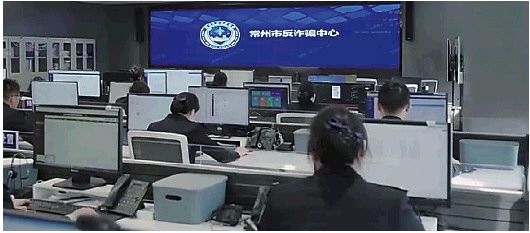
锐评|花钱“修复”逾期记录?别让“洗白”给征信再添污点
Xin Lang Cai Jing· 2026-02-08 06:12
Core Viewpoint - The rise of intermediaries claiming to offer "credit repair" services is exploiting the recent policy changes aimed at helping individuals with minor credit delinquencies, distorting the original intent of the credit repair policy [1][3]. Group 1: Nature of the Problem - Numerous intermediaries are promoting services that falsely promise to erase small credit delinquencies and improve credit records, often using deceptive tactics [1][3]. - These intermediaries are taking advantage of the new credit repair policy, which allows for the removal of certain minor delinquencies from credit reports if paid within a specified timeframe [3]. Group 2: Legal and Ethical Concerns - The actions of these intermediaries represent a significant distortion of the credit repair policy's intent, turning a public service into a profit-making scheme [3][5]. - Engaging in fraudulent activities, such as submitting false documents for credit disputes, is a violation of the Credit Repair Management Measures and undermines the integrity of the credit system [3][5]. Group 3: Consumer Risks - Consumers are at risk of being misled by these intermediaries, which can lead to financial losses and missed opportunities to utilize legitimate, free credit repair options [4][5]. - A recent case highlighted by police illustrates how individuals claiming to have "internal channels" for credit repair can exploit consumer anxiety and information asymmetry [4]. Group 4: Recommendations for Improvement - To combat these fraudulent practices, collaboration between financial institutions, social security, and credit reporting systems is essential for verifying suspicious credit dispute applications [5]. - Credit reporting agencies and financial institutions should proactively inform eligible consumers about the free nature of legitimate credit repair options to counteract misleading claims from intermediaries [5].
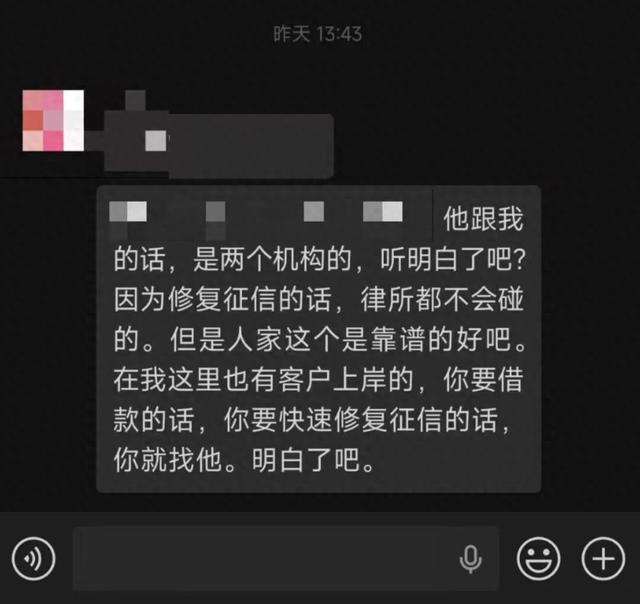
花钱就能“洗白”逾期记录?总台记者起底“征信修复”灰色产业链
Yang Shi Wang· 2026-02-07 18:24
Core Viewpoint - The introduction of a "credit repair channel" by the People's Bank of China for small overdue amounts has been exploited by fraudsters, leading to a rise in scams related to credit repair services [1][11]. Group 1: Credit Repair Services - Many intermediaries claim they can eliminate overdue records above 10,000 yuan by exploiting "loopholes" in the rules, offering services that promise to "clean" credit records for a fee [2][5]. - These businesses often require clients to provide personal credit reports and charge fees ranging from 5,000 to 8,000 yuan for their services, with an average fee around 6,000 yuan [3][5]. - Some intermediaries falsely present themselves as legal consultants, claiming they can facilitate credit repair through their "strong legal teams" [3][4]. Group 2: Exploitation of Regulations - The so-called credit repair services often misuse the credit dispute application policy, which is intended for correcting errors in credit records, to achieve illegal objectives [5][8]. - Many of these businesses assert that they can file disputes even when there are no factual errors in the credit records, misleading clients into believing they can erase legitimate overdue records [5][9]. - Experts warn that these practices not only mislead consumers but also pose legal risks, as they may involve the creation of false documents or fraudulent claims [9][12]. Group 3: Impact on Financial Institutions - The rise of fraudulent credit repair services can distort credit data, leading to increased compliance costs for financial institutions and potentially delaying loan approvals [14][15]. - If such practices continue unchecked, they could undermine the integrity of the credit system, resulting in misjudgments of borrowers' creditworthiness and increasing the risk of bad debts in the financial system [15][16]. - Experts emphasize the need for a coordinated effort among various regulatory bodies to combat these fraudulent activities and protect the integrity of the credit system [16].
揭秘征信修复乱象!征信修复中介宣称能从央行删数据
Xin Lang Cai Jing· 2026-02-07 10:25
Group 1 - The article reveals a growing trend of intermediaries claiming to offer "credit repair" services, particularly targeting overdue records exceeding 10,000 yuan [1] - These intermediaries advertise their ability to handle small overdue amounts and assert they can erase significant overdue records by exploiting "rule loopholes" [1] - Investigations indicate a potential gray industry chain involving false advertising, evidence forgery, and malicious appeals [1] Group 2 - Many advertisements on social media and second-hand trading websites promote services that guarantee successful credit dispute appeals [1] - A representative from a financial company claims to have mastered the "underlying logic" of credit issues, suggesting a long-standing experience in the field [1] - The article highlights the deceptive nature of these claims, emphasizing the complexity of genuinely resolving credit issues [1]
花钱就能“洗白”逾期记录?记者起底“征信修复”乱象
Yang Guang Wang· 2026-02-07 04:31
Core Viewpoint - The establishment of a "credit repair channel" by the People's Bank of China for individuals with small overdue amounts has been exploited by fraudsters, leading to the emergence of a gray industry that misleads consumers into believing they can erase overdue records beyond the stipulated limit [1][2][3]. Group 1: Credit Repair Industry - Numerous intermediaries are advertising services to "repair" overdue records exceeding 10,000 yuan, claiming to exploit loopholes in the credit dispute process [2][3]. - These businesses often use misleading tactics, such as presenting themselves as legal consultants, to lure consumers into their credit repair schemes [5][6]. - The average cost for repairing a single overdue record is reported to be between 5,000 to 8,000 yuan, with a median around 6,000 yuan [6][12]. Group 2: Fraudulent Practices - Many of these intermediaries are found to be utilizing the credit dispute process inappropriately, claiming they can submit disputes even when no errors exist in the credit records [6][14]. - Reports indicate that some businesses are engaging in fraudulent activities, including the fabrication of documents to support false claims of credit repair [15][17]. - A case in Hohhot highlighted a scam where an individual was defrauded of thousands of yuan under the pretense of having special channels to erase bad credit records [16]. Group 3: Systemic Risks - The rise of these gray market practices poses significant risks to the integrity of the credit system, potentially leading to distorted credit data and increased bad debt risks for financial institutions [17][18]. - Experts warn that if such practices continue unchecked, they could undermine the entire credit evaluation process, allowing individuals with poor credit histories to appear as reliable borrowers [17][18]. - The need for a comprehensive approach to combat these issues is emphasized, including stricter enforcement against fraudulent activities and better public education on legitimate credit repair processes [18].
征信“洗白”当心钱包、隐私双双受损
Xin Lang Cai Jing· 2026-01-29 17:43
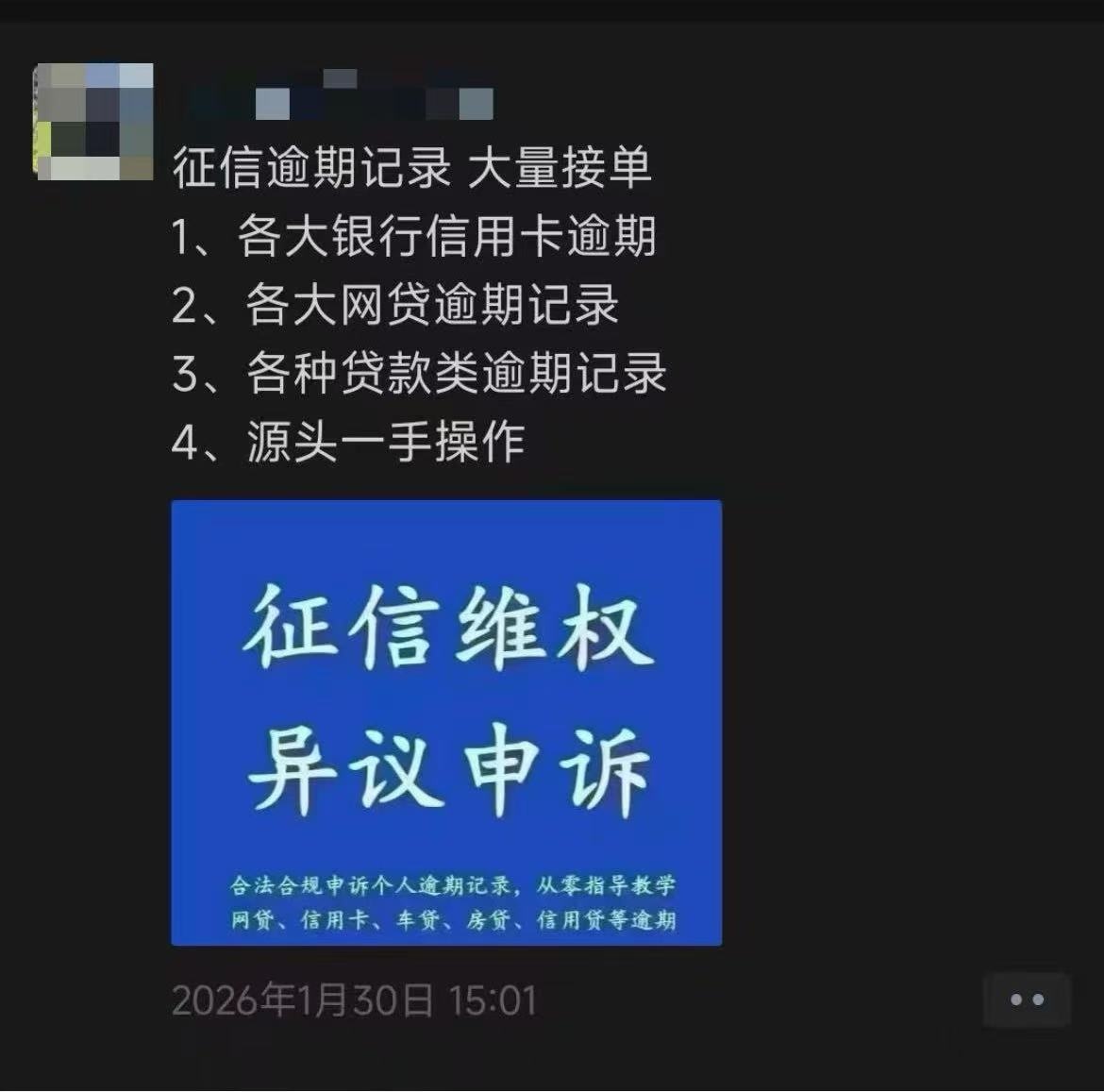
Core Viewpoint - The article highlights the emergence of credit repair intermediaries exploiting borrowers' anxiety over overdue payments, particularly for amounts exceeding 10,000 RMB, despite the official credit repair policy introduced by the central bank aimed at small overdue amounts [1][9]. Group 1: Credit Repair Policy - The central bank has established a credit repair policy effective from January 1, 2026, allowing individuals to have overdue records under 10,000 RMB removed from credit reports if paid off by March 31, 2026 [9][10]. - The policy is designed to support honest borrowers while maintaining credit constraints on those with larger overdue amounts [11]. Group 2: Intermediary Services - Numerous intermediaries are offering credit repair services, charging between 2,000 to 3,000 RMB per case, but success rates are not guaranteed [3][4]. - Some intermediaries sell guides and materials for credit dispute processes, often promoting dubious methods for quick fixes [3][4]. Group 3: Risks of Using Intermediaries - Engaging with intermediaries for credit repair poses significant risks, including financial loss and potential legal issues, as many of these services may involve fraudulent practices [5][7]. - Borrowers may be misled into providing sensitive personal information, which could be misused, and may also face legal consequences for participating in illegal activities [6][7]. Group 4: Legal and Compliance - The only legitimate way for borrowers to dispute credit records is through formal channels with financial institutions or the central bank, contrasting sharply with the illegal methods promoted by intermediaries [11][12]. - The legal process for disputing credit records involves submitting a formal application, which is distinct from the fraudulent claims made by intermediaries [11][12].
2025年中国信贷欺诈风险趋势年度研究报告-威胁猎人
Sou Hu Cai Jing· 2026-01-20 12:38
Core Insights - The report highlights a significant increase in credit fraud risks in China's financial loan sector for 2025, with malicious fraud incidents rising by 200% compared to 2024, indicating a serious challenge for financial institutions [1][11][16]. Group 1: Overview of Credit Fraud Risks - In 2025, the total monitored financial loan-related public sentiment reached 6.8 million, with malicious loan fraud sentiment accounting for 1.89 million, representing 28% of the total [16][21]. - The top three types of malicious loan fraud in 2025 are corporate loans, credit loans, and housing loans, with public sentiment in these areas showing significant growth [26][27]. - The regions most affected by malicious loan fraud are Guangdong, Sichuan, Shandong, Jiangsu, and Zhejiang, with Guangdong showing the highest risk levels [34]. Group 2: Types of Fraud and Their Trends - The primary types of malicious loan fraud include occupational debt (37%), debt optimization, and credit repair, with occupational debt being the most critical risk type [29][30]. - The risk of credit repair fraud surged dramatically, with a year-on-year increase of 199% in the second half of 2025 compared to the same period in 2024 [38][43]. - The credit fraud industry has developed a clear division of labor, with upstream actors researching vulnerabilities, midstream actors coordinating resources, and downstream actors recruiting clients [49]. Group 3: Industry Response and Regulatory Actions - Financial institutions are continuously upgrading their anti-fraud defense systems in response to the evolving fraud landscape, while regulatory bodies are collaborating with law enforcement to combat black market activities [11][12]. - In 2025, over 200 major black market groups were targeted in crackdown operations, resulting in more than 1,500 criminal cases with a total amount involved nearing 30 billion [11][12].

“征信修复”灰黑产再起:多环节收费高至10%
第一财经· 2026-01-15 09:28
Core Viewpoint - The implementation of personal credit repair policies in 2026 has created opportunities for overdue borrowers, but it has also attracted underground "credit repair" schemes that exploit vulnerable individuals [3][5]. Group 1: Policy Implementation and Exploitation - The personal credit repair policy allows for the removal of overdue records from 2020 to 2025 for amounts not exceeding 10,000 yuan if settled by March 2026 [5]. - Some intermediaries claim to "break through the 10,000 yuan limit" and offer complete credit repair, misleading borrowers and charging high fees [5][7]. - These intermediaries often use deceptive practices, such as fabricating documents and inducing borrowers to communicate with banks using specific scripts [7][9]. Group 2: Business Models of Intermediaries - Different intermediaries employ various business models, with some providing remote support and communication strategies to enhance borrower-bank interactions [8]. - Some intermediaries offer "one-stop services" that include debt consolidation and subsequent loan facilitation, claiming to negotiate better terms with banks [10][12]. - The fees charged by these intermediaries range from 2% to 10% of the total debt, with some charging based on the number of overdue records [15][16]. Group 3: Legal and Regulatory Concerns - The methods used by intermediaries to delete overdue records are often non-compliant and unlikely to succeed, as the credit repair process is fundamentally about correcting errors, not erasing valid records [9][19]. - Many intermediaries engage in fraudulent activities, such as instructing clients to submit false claims or documents, which can lead to legal repercussions [19][20]. - Contracts with these intermediaries often contain vague terms and high penalties for breach, making it difficult for clients to seek recourse [15][16]. Group 4: Recommendations for Addressing the Issue - Experts suggest a multi-faceted approach to combat these underground operations, including enhanced monitoring, public education on legitimate credit repair processes, and stricter regulations on social media platforms to prevent the spread of misinformation [22].