
战略原油储备

Search documents
未知机构:20260305中东局势更新东吴大化工陈淑娴团队1伊-20260306
未知机构· 2026-03-06 02:35
Summary of Key Points from Conference Call Industry Overview - The conference call primarily discusses the Middle East situation, particularly focusing on Iran and its implications for the oil and chemical industries [1][2]. Core Insights and Arguments - **Iran's Leadership Transition**: Iranian official media reported on March 4 that an expert meeting has identified several candidates for the new Supreme Leader, indicating a potential shift in leadership dynamics [1]. - **US-Iran Conflict Duration**: The prevailing market sentiment suggests that the conflict between the US and Iran will not be resolved in the short term. US Defense Secretary Peter Hegseth indicated that the conflict could last several weeks, potentially extending to 8 weeks or longer [1]. - **Domestic Refinery Focus**: Attention is being paid to the current crude oil inventory levels at domestic refineries and the progress of China's strategic oil reserve releases. Additionally, there is a focus on the impact of oil prices exceeding $80 per barrel on refined products (gasoline, diesel) and the pricing policies set by the National Development and Reform Commission [2]. - **Coal Chemical Industry**: The widening price gap between oil and coal is expected to enhance the performance of the coal chemical sector. There is also a need to monitor future government policies regarding the development of the coal chemical industry [2]. - **Independent Sub-industries**: There is a focus on independent sub-industries that are less affected by the ongoing conflict with Iran, such as fine chemicals and new chemical materials, which are more closely aligned with downstream markets [2]. Other Important Considerations - The potential impact of geopolitical tensions on commodity prices and the overall market dynamics in the chemical sector is a critical area of observation [2].
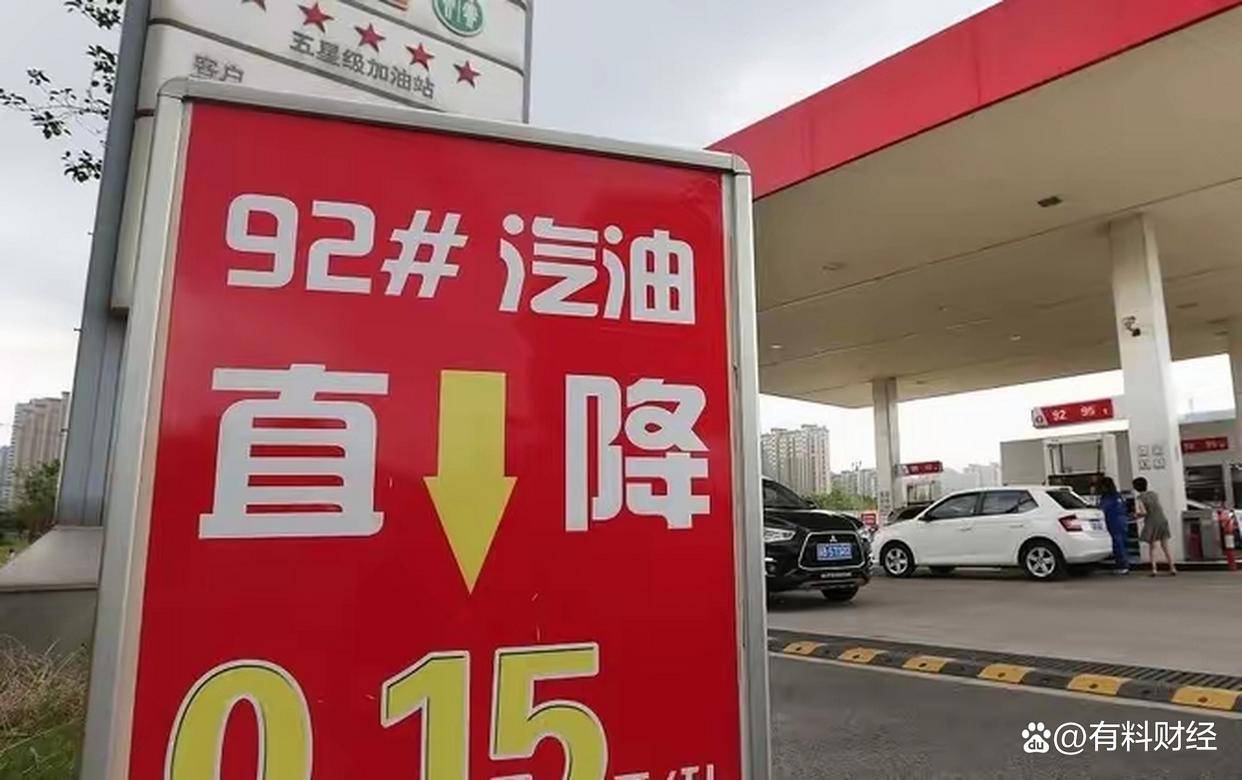
国内油价大跌!12月26日柴油汽油价格表,明年油价调整将迎开门红
Sou Hu Cai Jing· 2025-12-27 06:50
Core Viewpoint - The article discusses the recent trends in domestic fuel price adjustments in China, highlighting a significant decrease in oil prices and the implications for various sectors, particularly logistics and transportation [2][8]. Group 1: Domestic Fuel Price Adjustments - The National Development and Reform Commission (NDRC) has adjusted domestic fuel prices 25 times, with 12 decreases, 7 increases, and 6 instances where adjustments were shelved due to insufficient price changes [2]. - Recent adjustments have led to a three consecutive price drops, with gasoline prices reduced by 170 yuan per ton, resulting in a total decrease of 915 yuan per ton this year in Guangzhou [8]. - The average savings for heavy-duty transport trucks running 300 kilometers daily is estimated to be several hundred yuan monthly, translating to an 8% reduction in annual costs [8]. Group 2: Market Reactions and Future Projections - Despite recent price drops, international oil prices have surged, with Brent crude rising from $59 to $62, indicating potential future increases in domestic prices [10]. - Projections suggest that if domestic prices are adjusted upward on January 6, 2026, the price of 92-octane gasoline could rise back to 6.8 yuan per liter, which would impact the logistics sector negatively [10]. - The current situation is seen as beneficial for electric vehicle manufacturers, as rising oil prices could boost electric vehicle sales [10]. Group 3: Strategic Oil Reserves and Market Dynamics - China's strategic oil reserve capacity stands at 800 million barrels, with current market dynamics shifting focus from geopolitical tensions to domestic oil storage capabilities [6]. - The article emphasizes that the current energy landscape is influenced more by China's oil storage appetite than by traditional factors like missile launches and geopolitical conflicts [6].

【环球财经】需求利好刺激 国际油价13日涨超2%
Xin Hua Cai Jing· 2025-05-13 23:24
Group 1 - International oil prices experienced a strong rebound on May 13, with light crude oil futures for June delivery rising by $1.72 to $63.67 per barrel, an increase of 2.78%, and Brent crude oil futures for July delivery rising by $1.67 to $66.63 per barrel, an increase of 2.57% [1] - The U.S. Labor Department reported that the Consumer Price Index (CPI) for April increased by 0.2% month-on-month, lower than the market expectation of 0.3%, while the year-on-year increase was 2.3%, the lowest level in four years [1] - A proposed budget by Republicans in Congress includes $1.3 billion for replenishing the Strategic Petroleum Reserve, and President Trump’s call for Iran to reach a nuclear agreement adds upward pressure on oil prices [1] Group 2 - According to a survey by S&P Global, analysts believe that U.S. commercial crude oil inventories decreased by 1.7 million barrels last week, with gasoline and distillate inventories expected to decline by 1.6 million barrels and 900,000 barrels, respectively [2] - Despite a deteriorating outlook for crude oil demand, analysts from JPMorgan noted positive signals in the fuel market, indicating that current refined oil prices and refining margins remain stable [2] - The reduction in refining capacity in Europe and the U.S. is tightening gasoline and diesel supply, increasing reliance on imports and the potential for significant price increases during maintenance and unexpected outages [2]