
战略稳定

Search documents
俄美唯一核军控条约失效,特朗普最新表态
Xin Lang Cai Jing· 2026-02-05 23:51
Core Viewpoint - The expiration of the U.S.-Russia New Strategic Arms Reduction Treaty (New START) on February 5 raises concerns about the potential for increased nuclear arms competition and instability in global security, as it marks the first time in over half a century that there are no binding limits on the strategic nuclear arsenals of the two countries [7][9][10]. Group 1: Treaty Background and Expiration - The New START treaty was signed in 2010 to limit the number of deployed nuclear warheads and delivery systems, originally set to last for 10 years and extended to February 5, 2026 [3][10]. - The treaty allowed for up to 18 on-site inspections per year, fostering communication and predictability between the U.S. and Russia [34]. - The expiration of the treaty signifies a loss of the last legal constraints on the expansion of nuclear arsenals for both nations [33][34]. Group 2: Reactions and Future Implications - President Trump criticized the treaty as a "bad deal" and suggested that a new, modernized agreement should be pursued instead of extending the existing one [20][22]. - Russian officials, including Deputy Chairman of the Federation Council Kosachev, stated that the treaty's termination would not lead to a new arms race or nuclear war, asserting that the world would not collapse [6][25]. - The international community has expressed concerns that the lack of a treaty could lead to increased nuclear competition and a more dangerous global environment, with calls for both nations to return to negotiations [9][14][35]. Group 3: Strategic Stability and Global Security - The expiration of the treaty is viewed as a significant step back in maintaining strategic stability, with the risk of nuclear weapon use at its highest level in decades [10][29]. - Analysts warn that the absence of structured diplomatic dialogue may increase the likelihood of misunderstandings and miscalculations between nuclear powers [33][35]. - The potential for other nuclear-capable nations to reconsider their non-proliferation commitments due to the uncertainty surrounding U.S. security guarantees has also been highlighted [33].

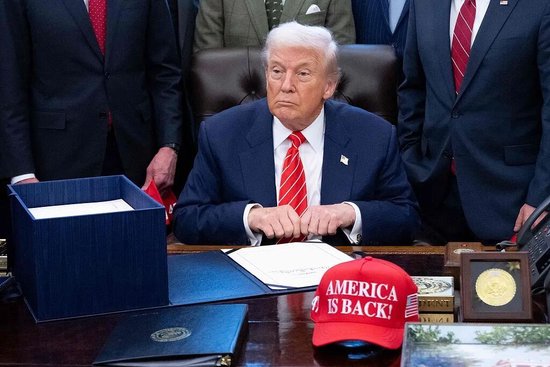
俄美唯一核军控条约失效,俄方释放对话信号,美方“稍后作出决定”
Huan Qiu Shi Bao· 2026-02-05 22:32
Core Viewpoint - The expiration of the New Strategic Arms Reduction Treaty (New START) between Russia and the United States marks the first time in over half a century that there are no binding limits on their strategic nuclear arsenals, raising concerns about global security and stability [1][4][10] Group 1: Treaty Expiration and Implications - The New START treaty, which limited both countries to 1,550 deployed strategic nuclear warheads and 700 delivery vehicles, has officially expired, leading to fears of increased nuclear competition and instability [4][7] - Russian officials expressed regret over the treaty's expiration, indicating that they no longer feel bound by its terms and may pursue their own strategic military policies [3][5] - The lack of a binding treaty could lead to misunderstandings and miscalculations, increasing the risk of nuclear conflict [9][10] Group 2: International Reactions and Concerns - UN Secretary-General António Guterres highlighted the severe implications for international peace and security, urging both nations to return to negotiations [4] - Analysts warn that the treaty's expiration could weaken decades of norms and transparency in nuclear competition, potentially prompting non-nuclear states to reconsider their commitments to non-proliferation [7][9] - The expiration is seen as a reflection of deteriorating strategic stability and security, rather than an isolated event [10] Group 3: Future of Arms Control - Observers note that the expiration of the treaty does not immediately signal a new arms race, as both nations may prefer to avoid escalating tensions too quickly [8][9] - The potential for future agreements remains uncertain due to existing disputes and the complexity of negotiations [8][9] - The absence of structured diplomatic dialogue may lead to a more fragile international security environment, increasing the likelihood of misinterpretations and misjudgments [9]
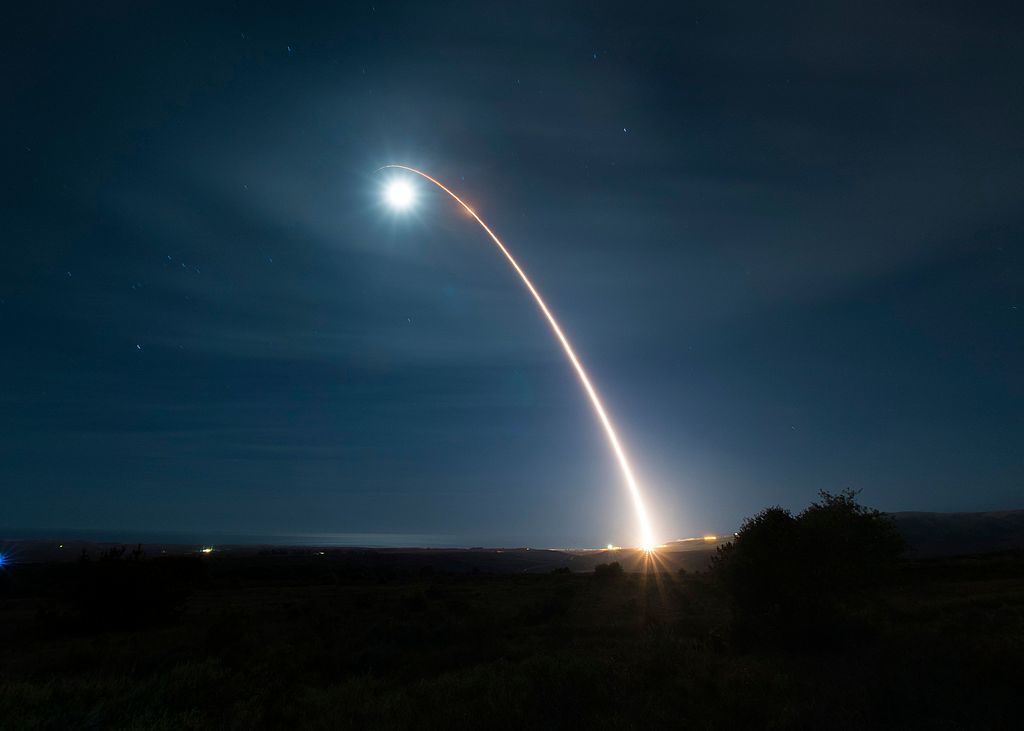
俄外交部:俄美不再受《新削减战略武器条约》任何义务约束
Yang Shi Xin Wen Ke Hu Duan· 2026-02-04 18:38
Core Viewpoint - Russia's Foreign Ministry announced that President Putin proposed an initiative on September 22, 2025, suggesting that both Russia and the U.S. voluntarily adhere to the limits on weapon quantities specified in the New START treaty for at least one year after its expiration, but has not received any formal response from the U.S. [1] Group 1 - Russia believes that the parties to the New START treaty are no longer bound by its obligations and can freely choose subsequent steps [1] - The Russian Foreign Ministry emphasized that Russia is prepared to take decisive military-technical countermeasures to eliminate potential additional threats to national security [1] - Russia remains open to seeking a political-diplomatic solution for comprehensive strategic stability based on equal and mutually beneficial dialogue if conditions allow in the future [1]
追逐西半球主导地位,要求众盟友承担责任,美国防战略报告引多方担忧
Huan Qiu Shi Bao· 2026-01-25 22:47
Core Viewpoint - The 2026 U.S. Defense Strategy Report prioritizes domestic security and interests in the Western Hemisphere, indicating a shift in focus from global dominance to regional control, particularly concerning Greenland, the Gulf of Mexico, and the Panama Canal [1][2]. Group 1: Defense Strategy Priorities - The report outlines four main pillars: defending the U.S. homeland, ensuring control over key regions in the Western Hemisphere, deterring China through strength rather than confrontation in the Indo-Pacific, and requiring allies to take on more responsibility [2][3]. - The emphasis on the Western Hemisphere as a strategic priority reflects a potential reduction in U.S. commitment to European security, as the report notes Europe's declining economic significance [2][3]. Group 2: Regional Implications - The report expresses concerns about threats to NATO's eastern members from Russia, labeling them as "sustained but manageable threats" while suggesting that allies should lead responses to threats that are more severe for them than for the U.S. [3][5]. - In Latin America, the report indicates a focus on combating "drug terrorists" and emphasizes the need for U.S. military and commercial access to key areas, which raises alarms among regional partners [6][7]. Group 3: China and Taiwan - The report notably omits any mention of Taiwan and shifts the focus from viewing China as the primary threat to advocating for broader military communication to achieve strategic stability [8]. - Despite the apparent softening of rhetoric towards China, the report aims to maintain a military advantage over China and suggests a strategic ambiguity regarding Taiwan, indicating ongoing U.S. interests in the region [8].

美国丹佛大学教授:美国对华“新冷战”战略宣告失败
Zhong Guo Xin Wen Wang· 2025-12-11 04:49
Core Viewpoint - The evolution of US-China relations has transitioned from "new cold war" rhetoric during Trump's first term to a phase characterized by "strategic stability" in his second term, highlighting a significant shift in diplomatic focus towards trade and negotiation rather than ideological confrontation [1][2][9]. Group 1: Changes in US-China Relations - The "new cold war" narrative emerged post-2009 financial crisis, with the perception that the US was increasingly reliant on China, leading to a shift in US policy towards competition [4][5]. - Trump's first term marked a clear pivot to "great power competition," fundamentally altering the US approach to China, which was previously characterized by engagement and cooperation [5][6]. - The Biden administration has maintained the "Washington new consensus," indicating a bipartisan agreement on viewing China as a competitor, with no significant changes in policy direction [5][6]. Group 2: Trump's Second Term Dynamics - In Trump's second term, there has been a notable shift in focus from ideological battles to trade negotiations, with media reports suggesting a more conciliatory approach towards China [7][8]. - The concept of "strategic stability" has emerged, indicating a stalemate where neither side can decisively undermine the other, leading to a search for compromise [3][9]. - Trump's second term is characterized by a departure from the hardline stance of his first term, with a focus on practical trade discussions rather than ideological differences [9][10]. Group 3: Implications for Future Relations - The current state of "strategic stability" suggests that previous strategies of confrontation may have been flawed, with a recognition of China's resilience and a need for negotiation [9][10]. - The potential for continued diplomatic engagement exists, but the stability of this phase is uncertain due to the influence of traditional hawkish elements within the US administration [10][11]. - Public sentiment in the US reflects a desire for reduced international intervention, indicating a shift in priorities that could affect future US-China relations [10][11].
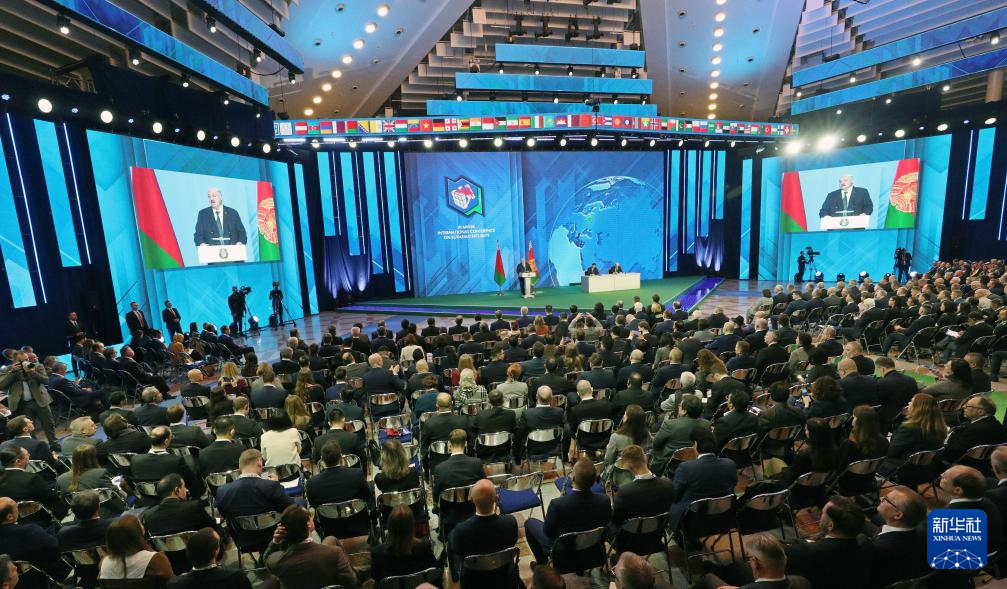
第三届明斯克欧亚安全国际会议讨论多项国际安全议题
Xin Hua She· 2025-10-28 23:38
Core Points - The third Minsk Eurasian Security International Conference opened in Minsk, Belarus, with participation from over 40 countries and regions, as well as 7 international organizations, discussing strategic stability, arms control, regional cooperation, information and economic security, and migration issues [1][9] Group 1: Key Statements from Leaders - Belarusian President Lukashenko stated that the Western unipolar world order poses a threat to global stability, advocating for a multipolar world based on mutual respect and cooperation, and emphasizing the need for diplomatic dialogue over sanctions [2][4] - Russian Foreign Minister Lavrov emphasized that Europe must abandon its "arrogant exclusive claims" and hostile stance towards many Eurasian countries, including Russia and Belarus, expressing willingness to engage in substantive discussions on security issues [5][10] - Hungarian Foreign Minister Szijjarto highlighted the importance of regional partnerships in addressing migration and economic security issues, urging all parties to adopt inclusive approaches that benefit all stakeholders [7]
俄外长:俄不寻求攻击北约,将坚决回应任何侵略行径
Zhong Guo Xin Wen Wang· 2025-09-28 03:07
Core Viewpoint - Russian Foreign Minister Lavrov addressed the UN General Assembly, responding to accusations from NATO countries regarding Russia's intentions and actions in Ukraine, emphasizing Russia's commitment to respond decisively to any acts of aggression [1] Group 1: Russia's Stance on NATO Accusations - Lavrov denied any missile launches or drone deployments targeting Europe or NATO countries, asserting that any attempts to intercept Russian aircraft in its airspace would have serious consequences [1] - He criticized the ongoing unfounded accusations against Russia, stating that the country will not tolerate violations of its airspace [1] Group 2: US-Russia Relations - Lavrov noted that there has been no deviation from the US's commitment to "open and honest" dialogue with Russia [1] - Ongoing discussions between the US and Russia include topics such as visa regulations, the return of diplomatic assets, and the daily operations of embassies [1] - He mentioned that Russia has observed the US's preliminary response regarding the extension of the New START treaty [1] Group 3: Ukraine Crisis Negotiations - Lavrov reiterated Russia's openness to negotiations concerning the Ukraine crisis, but emphasized that any negotiation framework must safeguard Russian interests [1] - He highlighted the importance of restoring and respecting the rights of Russian-speaking individuals within Ukraine [1]
香格里拉对话|印巴代表团“刻意避开彼此”,隔空喊话
Xin Lang Cai Jing· 2025-06-01 11:47
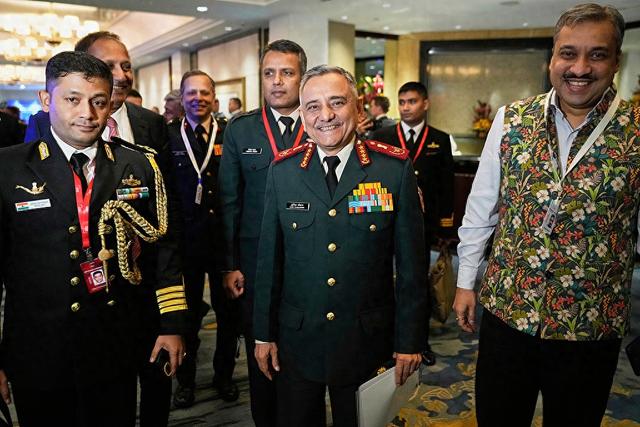
Group 1 - The 22nd Shangri-La Dialogue was held in Singapore from May 30 to June 1, with over 550 representatives from defense and security agencies from more than 40 countries attending [1] - Indian Army Chief Anil Chauhan and Pakistan's Chairman of the Joint Chiefs of Staff Committee Sahir Shamshad Mirza led their respective delegations, deliberately avoiding each other during the event [1][3] - The organizers arranged for the Indian and Pakistani representatives to speak at the same time but in different sessions to prevent direct interaction [1] Group 2 - During the dialogue, Chauhan emphasized India's strong stance on terrorism, stating that India has redefined its "red lines" regarding terrorism and hopes recent military actions will serve as a warning to adversaries [3] - Mirza criticized India for allegedly violating the UN Charter through airstrikes and missile attacks, warning that any attempts to disrupt Pakistan's water resources would be considered acts of war [3] - Reports indicated that both countries have begun to reduce military deployments, returning to pre-April 22 levels [3][4] Group 3 - Chauhan acknowledged the loss of Indian aircraft during recent conflicts but refrained from disclosing the exact number, countering Pakistan's claim of having shot down six Indian jets [3] - He highlighted the importance of learning from tactical errors and mentioned the effective use of indigenous defense systems like the Akash missile system in countering threats [4] - The Chinese defense spokesperson expressed a desire for both India and Pakistan to maintain calm and restraint to avoid further complications in the region [4]
俄罗斯外交部:美国金穹项目破坏战略稳定。
news flash· 2025-05-27 09:09
Core Viewpoint - The Russian Foreign Ministry has stated that the U.S. Iron Dome project undermines strategic stability [1] Group 1 - The U.S. Iron Dome project is perceived by Russia as a threat to its national security [1] - Russia argues that the deployment of such missile defense systems could provoke an arms race [1] - The statement reflects ongoing tensions between the U.S. and Russia regarding military capabilities and strategic defense initiatives [1]
克里姆林宫:与美国有关战略稳定的许多文件已过期——我们需要恢复关于战略稳定的工作,以维护世界利益。
news flash· 2025-05-21 09:52
Core Points - The Kremlin emphasizes the need to restore discussions on strategic stability with the United States to maintain global interests [1] Group 1 - Many documents related to strategic stability between Russia and the United States have expired [1] - The Kremlin calls for a renewed focus on strategic stability to address current global challenges [1]