抗流感药物市场竞争

Search documents
一周销量飙升237% 奥司他韦卖爆
Zheng Quan Shi Bao Wang· 2025-11-27 02:33
Core Insights - The flu season in China has started earlier than usual, with a significant increase in flu activity reported across multiple provinces [2][3] - Demand for antiviral medications has surged, with sales of Oseltamivir increasing by 4.5 times and other flu-related medications seeing similar spikes [4][3] - The market for antiviral drugs is becoming increasingly competitive, with new domestic products entering the market and challenging the long-standing dominance of Oseltamivir [5][7] Antiviral Drug Demand - The National Center for Disease Control and Prevention (CDC) has issued multiple "orange alerts" for flu, indicating a rapid rise in flu cases, particularly in northern provinces [3] - Clinical testing for respiratory viruses has seen a 66% increase in orders, with a positive detection rate of 68.2% [3][4] - The demand for flu testing kits and antiviral medications has surged, with significant increases in sales reported [4] Market Dynamics - Oseltamivir has historically dominated the antiviral market in China, holding over 70% market share, but the expiration of its patent has led to a flood of generic alternatives [5] - Domestic competitors like Dongyang Sunshine Pharmaceutical have maintained significant market shares, but growth is showing signs of fatigue due to increased competition [5][6] - New antiviral drugs targeting different mechanisms are being introduced, such as Maribavir and PB2 inhibitors, which are expected to intensify market competition [7][8] Future Outlook - The flu drug market is anticipated to become more competitive, with pricing strategies and distribution channels playing crucial roles in market share [8] - The introduction of new antiviral drugs is expected to lower prices and increase accessibility, potentially leading to a breakthrough in market penetration [8] - The CDC predicts that the peak of the flu season will occur between mid-December and early January, which may further influence demand for antiviral medications [3][9]
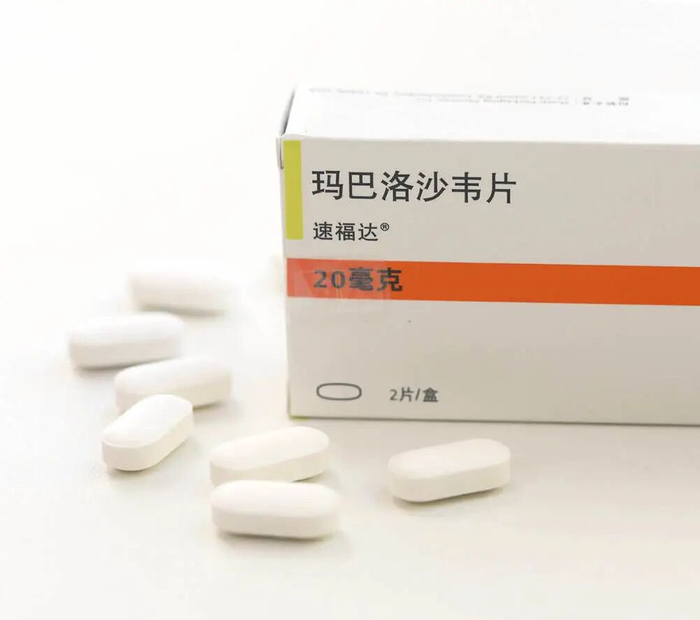
流感季提前到来,奥司他韦7天销量飙升237%
2 1 Shi Ji Jing Ji Bao Dao· 2025-11-26 03:12
Core Insights - The flu season in China has entered a rapid rise phase, with the flu activity level in most provinces reaching moderate levels, and some provinces experiencing high levels of flu activity [1][4] - The demand for antiviral drugs has surged, with sales of Oseltamivir increasing by 237% and Baloxavir Marboxil by 180% in the past week [1][4] Group 1: Flu Activity and Trends - The flu season for 2025 has arrived earlier than in previous years, with the current dominant virus strain being the H3N2 subtype, alongside H1N1 and B-type strains [2][4] - The proportion of flu-like cases in sentinel hospitals in northern provinces has exceeded 12%, which is two to three times higher than the average from 2020 to 2023 [4] - Clinical experts predict that the peak of the flu season is expected to occur between mid-December 2023 and early January 2024 [4] Group 2: Demand for Antiviral Drugs - There has been a significant increase in the demand for flu medications, with Oseltamivir sales rising 4.5 times and Baloxavir Marboxil sales increasing fivefold from November 17 to November 23 [5] - The sales of flu test kits and cough medications have also seen substantial increases, with test kit sales up 4.8 times and cough medications over three times [5] Group 3: Market Dynamics and Competition - The antiviral drug market is evolving, with Oseltamivir historically dominating the market but facing increased competition from generic versions and new entrants since the expiration of its patent in 2016 [7] - Domestic manufacturers have introduced several new antiviral drugs, with Baloxavir Marboxil seeing significant sales growth after being included in the national medical insurance directory [7][8] - The competitive landscape is expected to intensify with the introduction of new drugs targeting different viral mechanisms, which may lead to price adjustments and enhanced market strategies [8][9] Group 4: Public Awareness and Education - There is a prevalent misunderstanding among the public regarding the distinction between flu and common cold, which can affect treatment decisions [12] - Education on the importance of early antiviral treatment within 48 hours of symptom onset is crucial for effective flu management [12][13]

流感季提前到来,奥司他韦7天销量飙升237%
21世纪经济报道· 2025-11-26 03:04
Core Insights - The article highlights a significant increase in flu activity in China, with the flu season arriving earlier than usual, leading to a surge in demand for antiviral medications such as Oseltamivir and Baloxavir [1][4][5]. Group 1: Flu Activity and Demand for Medications - The Chinese Center for Disease Control and Prevention (CDC) reported that flu activity has entered a rapid rise phase, with many provinces experiencing moderate to high levels of flu activity [1][4]. - Sales of Oseltamivir have surged by 237% in the past week, while Baloxavir sales increased by 180% [1][4]. - The current flu season is characterized by a predominance of the H3N2 subtype, with a significant increase in respiratory symptoms and a higher risk of pneumonia [4][5]. Group 2: Market Dynamics of Antiviral Drugs - The antiviral drug market is evolving, with Oseltamivir historically dominating the market but facing increased competition from generic versions and new entrants [8][9]. - Oseltamivir's market share has decreased since the expiration of its patent, with nearly 140 related drug approvals by November 2025 [8]. - New antiviral drugs targeting flu virus RNA polymerase are entering the market, with significant sales growth expected for Baloxavir, projected to exceed 10 billion yuan by 2025 [8][9]. Group 3: Treatment and Public Awareness - Clinical experts emphasize the importance of early treatment with antiviral medications within 48 hours of symptom onset to reduce the severity and duration of the illness [6][12]. - There is a common misconception among the public that flu is the same as a common cold, which can lead to delays in seeking appropriate treatment [12][13]. - Preventive measures such as wearing masks and maintaining social distance are recommended to curb the spread of the flu [12][13].

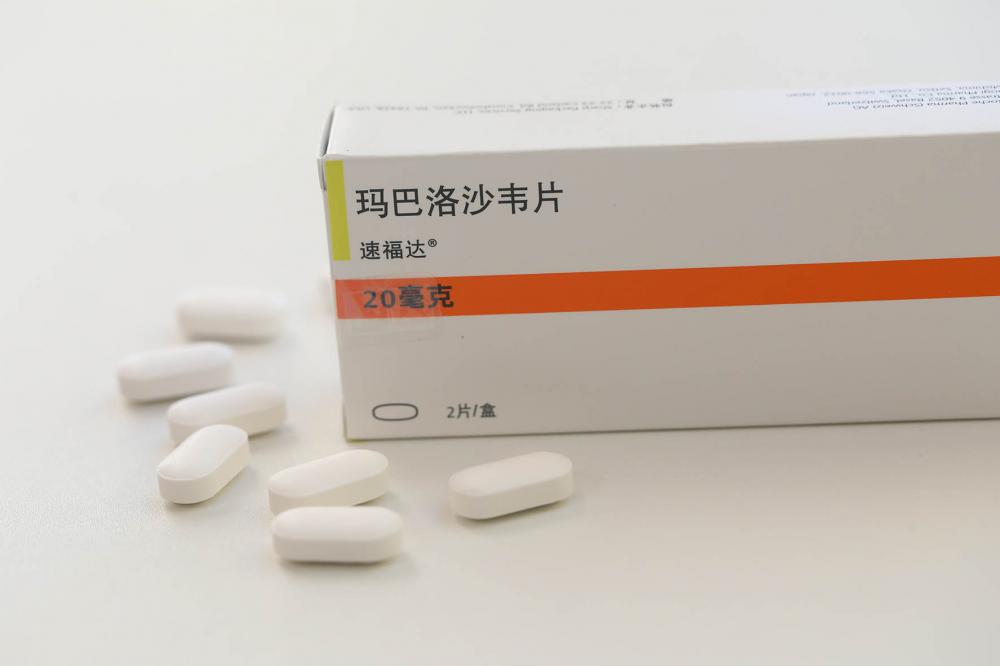
抗流感药需求激增:市场“厮杀”升级 谁能抢占C位?
2 1 Shi Ji Jing Ji Bao Dao· 2025-11-04 23:04
Core Viewpoint - The flu poses significant public health risks, especially during the peak travel season coinciding with the flu season, necessitating effective antiviral treatments and preventive measures [1][5][7]. Market Demand - The optimization of China's exit and entry policies has led to a surge in outbound travel, with projections indicating over 155 million outbound trips by 2025, contributing to the global spread of flu [5]. - The World Health Organization estimates around 1 billion seasonal flu cases annually, resulting in 290,000 to 650,000 deaths, highlighting the severity of flu outbreaks [5]. - The overlap of the winter-spring travel peak and flu season raises concerns for public health systems, particularly for vulnerable populations [5][6]. Treatment Options - Antiviral treatment is crucial for flu management, with the most effective results achieved within 48 hours of symptom onset [1][7]. - The primary antiviral medications available in China include Oseltamivir and Baloxavir Marboxil, both effective against influenza A and B [1][8]. - The expert consensus emphasizes vaccination as the primary preventive measure against flu, particularly for high-risk groups [7][8]. Competitive Landscape - The flu medication market in China has become increasingly competitive, especially after the expiration of Oseltamivir's patent in 2016, leading to a surge in generic versions [2][9]. - As of November 2025, there are nearly 140 approved products related to Oseltamivir in China, indicating a highly saturated market [9]. - Baloxavir Marboxil, a second-generation flu treatment, has gained market traction since its approval in 2021, with sales expected to exceed 1.5 billion yuan by 2024 [10][11]. Market Growth Potential - The Chinese flu medication market was valued at 10.74 billion yuan in 2023, reflecting a year-on-year growth of 197.51% [11]. - Projections indicate a compound annual growth rate of 20.2% from 2024 to 2028, with the market potentially reaching 26.9 billion yuan by 2028 [11].


抗流感药需求激增:市场“厮杀”升级,谁能抢占C位?
2 1 Shi Ji Jing Ji Bao Dao· 2025-11-03 12:07
Core Viewpoint - The article discusses the increasing risk of influenza transmission in China due to the overlap of the flu season and the peak travel period for outbound tourism, highlighting the importance of antiviral treatments and vaccination for public health [1][3][4]. Group 1: Influenza Overview - Influenza is an acute respiratory infectious disease caused by influenza viruses, with seasonal outbreaks primarily from October to February in the Northern Hemisphere [1]. - The flu season coincides with a peak in outbound tourism from China, which is expected to exceed 155 million trips by 2025, increasing the risk of global flu transmission [3]. Group 2: Antiviral Treatments - The current antiviral medications available in China include neuraminidase inhibitors, RNA polymerase inhibitors, and hemagglutinin inhibitors, with oseltamivir and baloxavir marboxil being the preferred treatments [1][6]. - The importance of initiating antiviral treatment within 48 hours of symptom onset is emphasized, as it significantly improves treatment outcomes [5][6]. Group 3: Market Dynamics - Following the expiration of Roche's oseltamivir patent in 2016, there has been a surge in generic versions, leading to intense market competition, with nearly 140 related drug approvals in China [2][7]. - Baloxavir marboxil, a second-generation flu treatment, has gained market traction since its approval in 2021, with sales expected to exceed 1.5 billion yuan by 2024 [8][9]. Group 4: Market Growth Potential - The Chinese antiviral drug market for influenza was valued at 10.74 billion yuan in 2023, showing a year-on-year growth of 197.51% [9]. - Projections indicate a compound annual growth rate of 20.2% from 2024 to 2028, with the market potentially reaching 26.9 billion yuan by 2028 [9].
冲刺港股IPO的东阳光药,核心产品市占率一年下降10个百分点
Sou Hu Cai Jing· 2025-06-19 12:18
Core Viewpoint - Dongyangguang Pharmaceutical Co., Ltd. is advancing towards its Hong Kong IPO while facing challenges with its core product, Oseltamivir Phosphate capsules, which have been suspended from the Zhejiang medical insurance network, potentially impacting revenue significantly [1][6][8]. Group 1: Company Overview - Dongyangguang Pharmaceutical is a comprehensive pharmaceutical company engaged in the research, production, and commercialization of drugs, focusing on infection, chronic diseases, and oncology [3]. - The company plans to list on the Hong Kong main board through a merger with its subsidiary, Dongyangguang Changjiang Pharmaceutical, without raising new funds [3]. Group 2: Financial Performance - Revenue for Dongyangguang Pharmaceutical from 2022 to 2024 is projected to be approximately CNY 3.814 billion, CNY 6.386 billion, and CNY 4.019 billion, respectively [4]. - The company's net profit for the same period is expected to be CNY -1.416 billion, CNY 1.014 billion, and CNY 24.8 million, indicating a significant fluctuation in profitability [4]. Group 3: Product and Market Dynamics - Oseltamivir Phosphate is the company's core product, accounting for 81.2%, 86.9%, and 64.2% of annual revenue from 2022 to 2024 [8]. - The product's revenue is under pressure due to increased competition, with market share dropping from 64.8% in 2023 to 54.8% in 2024, a decline of 10 percentage points [10][12]. Group 4: Market Challenges - The suspension of the "Kewai" Oseltamivir Phosphate capsules from the medical insurance network may adversely affect market share and sales revenue [6][8]. - The competitive landscape includes over 120 companies in the domestic antiviral drug market, intensifying the pressure on Dongyangguang Pharmaceutical [8][12]. Group 5: Future Prospects - The company is diversifying its portfolio, with ongoing developments in diabetes and oncology treatments, which may provide growth opportunities beyond its core antiviral products [12].