磷酸奥司他韦

Search documents
多款药品被曝线上线下价差巨大
凤凰网财经· 2026-03-17 11:50
Core Viewpoint - The article highlights the significant price discrepancies between online and offline pharmacies for the same medications, raising concerns about pricing transparency and consumer awareness in the pharmaceutical market [5][8][21]. Price Discrepancies - A notable example includes a medication, Oseltamivir phosphate, priced at 88 yuan in a physical pharmacy and only 41 yuan on an online platform, showcasing a price difference of nearly 50% [2]. - Another instance involves a commonly used gastrointestinal medication, with a price of 43.60 yuan at a pharmacy and 36.1 yuan on the same pharmacy's online platform after discounts [14]. - The article mentions that the price of Ibuprofen capsules can vary from 38.1 yuan in a physical store to between 18.8 and 19.3 yuan online, indicating a potential price difference of up to two times [16][15]. Factors Behind Price Differences - The article discusses the underlying reasons for these price discrepancies, including the higher operational costs of physical pharmacies, such as rent and staff salaries, which compel them to set higher prices [24]. - Online platforms often provide subsidies to attract customers, leading to lower prices for certain medications as part of promotional strategies [18][26]. Consumer Impact - The article points out that vulnerable groups, such as elderly patients and those in urgent need of medication, may not be aware of these price differences and often purchase medications at higher prices from nearby pharmacies [22][23]. - The lack of price transparency and the complexity of the pricing system in the pharmaceutical industry are highlighted as significant challenges [21]. Regulatory Developments - Recent regulatory actions, such as price checks on medications that are significantly more expensive in retail than online, indicate a move towards greater price alignment across different sales channels [29]. - The article suggests that future trends may lead to a convergence of prices among provincial procurement platforms, retail pharmacies, and online pharmacies [29].


征祥医药冲击IPO,剑指流感市场,竞争格局正在变差
Ge Long Hui A P P· 2026-02-05 09:20
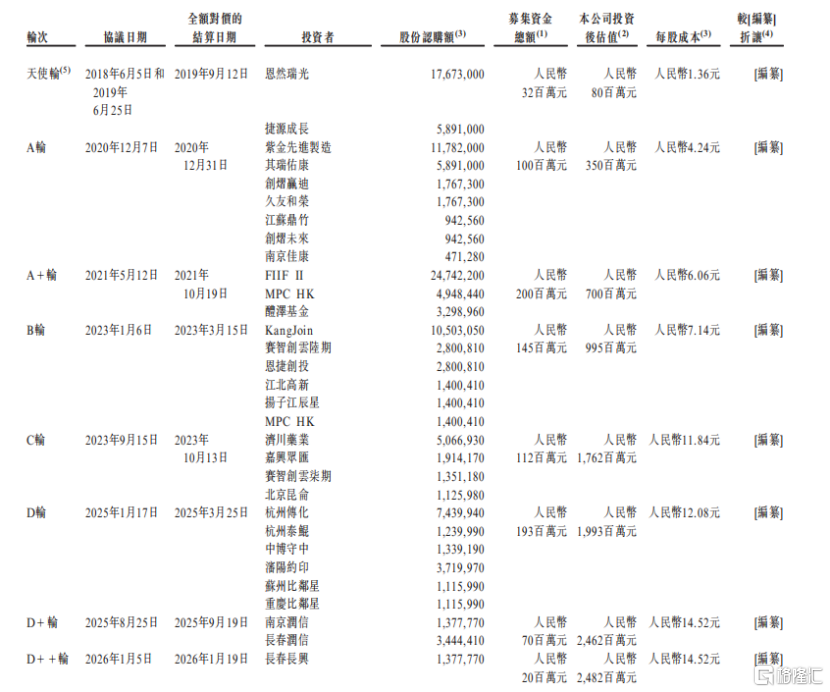
Group 1 - Seasonal influenza impacts approximately 1 billion people globally each year, with 3 to 5 million cases developing into severe illness and 290,000 to 650,000 deaths due to influenza-related respiratory diseases [1] - The domestic influenza treatment drug market is currently dominated by Dongyangguang Pharmaceutical with Oseltamivir, but new players are rapidly emerging since 2025 [1] - Zhengxiang Pharmaceutical is seeking to list on the Hong Kong Stock Exchange, having submitted its application on January 30, with CICC as its sole sponsor [2][4] Group 2 - Zhengxiang Pharmaceutical's antiviral drug, Marcilosavir, has already been approved for market release, distinguishing it from most other 18A companies [3] - The company was founded in 2018 and has undergone multiple rounds of financing, raising a total of 872 million RMB, with a post-investment valuation of 2.48 billion RMB as of January 2026 [4][5] - The company has a drug portfolio that includes six assets, with Marcilosavir being the core product, which is a new generation antiviral targeting influenza [10][12] Group 3 - The global market for influenza treatment and prevention drugs is projected to reach $4.8 billion by 2024, with China contributing $1.7 billion [16] - The Chinese market for antiviral drugs is expected to grow to 13.6 billion RMB by 2035, with PA inhibitors and other antiviral drugs accounting for 13 billion RMB [17] - Marcilosavir faces competition from several established products, including Roche's Baloxavir and others, with pricing set at 222 RMB per box, which is higher than some competitors [20] Group 4 - Zhengxiang Pharmaceutical reported zero revenue for 2024 and 400,000 RMB for the first nine months of 2025, primarily from regulatory support services for Marcilosavir [23] - The company incurred losses of approximately 145 million RMB for both 2024 and the first nine months of 2025, totaling around 290 million RMB in cumulative losses [23] - The company collaborates with a national CSO, Jichuan Pharmaceutical, to enhance market share through its established distribution network [24] Group 5 - The company has a total of 52 R&D personnel, with significant expenditures on drug development, amounting to 100 million RMB and 81.6 million RMB in R&D costs for the respective reporting periods [23] - As of November 2025, the company had cash and cash equivalents of 523 million RMB and term deposits of 141 million RMB [27] - The overall cash flow from operating activities showed a net outflow of 1.06 billion RMB for 2024, indicating financial challenges [28]
新一轮流感来袭! 美国多地流感用药告急 奥司他韦紧缺程度堪比DDR内存条
智通财经网· 2026-01-08 13:32
Group 1 - The core issue is the extreme shortage of the antiviral drug Tamiflu (oseltamivir) in the U.S. and globally, particularly in cold regions facing a severe flu season [1][2] - The American Society of Health-System Pharmacists (ASHP) is urgently assessing the shortage, noting that areas with historically high flu activity are experiencing the most severe supply issues [2] - The CDC reports that hospital visits due to flu-like symptoms have reached the highest level since the 1997-98 flu season, attributed to a new, rapidly spreading flu variant known as subclade K [3] Group 2 - Tamiflu is a neuraminidase inhibitor that reduces the spread of the flu virus and is most effective when taken within 48 hours of symptom onset [4] - The FDA has approved Tamiflu for use in individuals aged 2 weeks and older, with an emphasis on early treatment for high-risk populations [5] - Other commonly prescribed antiviral medications for the flu include zanamivir, peramivir, and baloxavir, each with different mechanisms of action [5] Group 3 - UBS forecasts that the supply shortage of DDR memory products will persist until Q1 2027, with contract prices for DDR products expected to rise significantly [1] - The demand for DDR4 and DDR5 memory is projected to outpace supply growth during this period, with contract pricing expected to increase by 35% in Q4 of this year and by 40% in Q1 2026 [1]


新一轮流感来袭! 美国多地流感用药告急 奥司他韦紧缺程度堪比DDR内存条
Zhi Tong Cai Jing· 2026-01-08 13:31
Group 1 - The core issue is the severe shortage of the antiviral drug Tamiflu (oseltamivir) in the U.S. and globally, particularly in cold regions facing high flu activity [1][2] - The American Society of Health-System Pharmacists (ASHP) is assessing the shortage, noting that areas with historically high flu activity are experiencing the most severe supply issues [2] - The CDC reported that hospital visits due to flu-like symptoms have reached the highest level since the 1997-98 flu season, with a notable increase in cases attributed to a new variant of the flu virus [3] Group 2 - Tamiflu is a neuraminidase inhibitor that reduces the spread of the flu virus and is most effective when taken within 48 hours of symptom onset [4] - The FDA has approved Tamiflu for use in individuals aged 2 weeks and older, emphasizing early treatment for high-risk populations [5] - Other antiviral medications listed by the CDC include zanamivir, peramivir, and baloxavir, which have different mechanisms of action [5]
流感特效药怎么吃才有效 | 求真
Xin Lang Cai Jing· 2025-12-22 04:58
Core Insights - The flu season in China has reached a high epidemic level, with a significant increase in the purchase of flu-related medications across various regions, particularly in East and Central China, where orders for antiviral drugs have surged by over 80% and 95% respectively since December [1][2] Group 1: Medication Trends - The demand for antiviral medications, especially for influenza, has increased dramatically, with orders for the drug Marbofloxacin doubling in some areas [1] - Commonly used antiviral drugs include Oseltamivir (oral) and Peramivir (intravenous), along with RNA polymerase inhibitors like Marbofloxacin, which is suitable for patients aged 5 and above and requires only a single dose [2] Group 2: Preventive Measures - Specific high-risk children are advised to consider preventive medication during flu outbreaks, particularly those who have not achieved optimal immunity from vaccination or have been exposed to flu [3] - It is recommended that preventive medication be administered within 48 hours of exposure, continuing for up to 7 days, although it is not commonly recommended for infants under 3 months [3]
流感特效药怎么吃才有效
Xin Lang Cai Jing· 2025-12-21 22:46
Group 1 - The flu season is currently at a high epidemic level in China, with a significant increase in the purchase of cold and flu medications across various regions, particularly in East China where orders for antiviral drugs have surged over 80% [1] - In central regions like Wuhan, the order volume for flu medications has increased by over 95%, with the specific antiviral drug, Marbofloxacin, seeing a 120% increase in orders [1] - The Chinese Center for Disease Control and Prevention has reported that the current flu epidemic is at a high level, prompting discussions on the appropriate use of medications to avoid excessive or inappropriate use [1] Group 2 - Common antiviral medications for flu include neuraminidase inhibitors such as Oseltamivir and Peramivir, as well as RNA polymerase inhibitors like Marbofloxacin, with different drugs having varying indications and treatment durations [2] - Oseltamivir is suitable for a wide range of patients, including those over 2 weeks old, with a standard treatment course of 5 days, extendable for severe or immunocompromised patients [2] - Marbofloxacin is indicated for patients aged 5 and above, requiring only a single dose for treatment [2] Group 3 - Specific groups of children may be considered for preventive antiviral treatment during flu outbreaks, including those with compromised immune systems or those who have not developed sufficient immunity after vaccination [3] - It is recommended that preventive medication be administered within 48 hours of exposure and continued for 7 days after the last exposure, although treatment is still advised even if started later [3] - Light symptom patients are advised to stay home and manage symptoms, while severe cases should receive early empirical antiviral treatment [3]
流感达拐点,但仍处高流行水平
Xin Lang Cai Jing· 2025-12-20 17:01
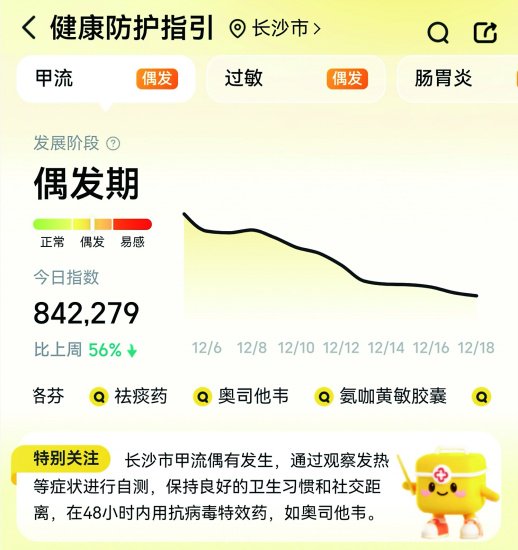
Core Insights - The overall flu activity in China has reached a "turning point," but this does not indicate the end of the flu peak, as different provinces will peak at different times [2][4] Group 1: National Flu Activity - The national flu-like illness percentage reported by sentinel hospitals is 8.6%, with flu virus detection at 50.2% among respiratory samples [2] - The main pathogens detected in severe acute respiratory infections are flu virus (22.5%), respiratory syncytial virus (6.2%), and rhinovirus (6.0%) [2] - Flu activity is declining in Northeast, North China, and Northwest regions, while some provinces in Central, East, South, and Southwest China still show rising activity, albeit at a slower rate [3] Group 2: Regional Insights - In Hunan province, flu activity remains high, with common pathogens including influenza A virus, Haemophilus influenzae, and Streptococcus pneumoniae [4][5] - The number of pediatric patients in Hunan hospitals has decreased from over 200 to around 100 per day, indicating a decline in flu activity [5] - Data from online pharmacy sales show a decrease in demand for flu medications, confirming the downward trend in flu cases in Changsha [5] Group 3: Public Health Recommendations - Despite the decline in flu positivity rates, public health officials advise continued personal protective measures, especially for vulnerable populations [6][7] - Vaccination remains a recommended preventive measure, even during the flu season, particularly for high-risk groups [8]
寒潮来袭 新疆乌苏市市场监管局强化药械安全风险隐患排查 保障群众健康权益
Zhong Guo Shi Pin Wang· 2025-12-12 07:49
Core Viewpoint - The article highlights the proactive measures taken by the Urumqi Market Supervision Administration to ensure the safety and quality of medical products and services during the winter season, particularly in response to the rise in respiratory infectious diseases [1] Group 1: Regulatory Actions - The Urumqi Market Supervision Administration has intensified supervision and inspection of medical institutions, clinics, and pharmacies, focusing on drugs and medical devices related to respiratory diseases [1] - Random checks, undercover visits, and follow-up rectifications have been employed to ensure compliance with regulations regarding the procurement and storage of medications [1] Group 2: Focus Areas - The inspections specifically target commonly used medications for winter flu, particularly for vulnerable populations such as the elderly and children, including drugs like Oseltamivir, Azithromycin, and Xiao Chai Hu Granules [1] - The administration checks the legality of procurement channels, the qualifications of suppliers, and the compliance of storage management and information traceability [1] Group 3: Community Impact - Residents express confidence in the quality of medications provided by local pharmacies, appreciating the guidance from licensed pharmacists [1] - The administration emphasizes its commitment to ensuring the stability of medical supplies and maintaining a safe market environment for the community during the holiday season [1] Group 4: Inspection Results - As of the report, over 80 medical institutions, clinics, and pharmacies have been inspected, with no safety risks or hidden dangers identified in the medical products [1]
东阳光药领跑、济川药业2款神药冲进首批目录,抗流感药物销量持续上涨!
Ge Long Hui· 2025-12-06 19:14
Core Viewpoint - The recent monitoring data from the Chinese Center for Disease Control and Prevention indicates a significant rise in influenza cases, with the percentage of influenza-like cases reaching 6.5%, signaling a rapid increase in flu activity across the country. This surge has led to a dramatic increase in sales of antiviral medications, particularly oseltamivir and baloxavir marboxil, with sales of oseltamivir increasing by 237% in one week and baloxavir marboxil rising by 180% [1][4][8]. Group 1: Market Dynamics - The sales of oseltamivir capsules in the domestic hospital market are projected to reach nearly 1.9 billion yuan in 2024, with Dongyang Sunshine Pharmaceutical holding a market share of 56.66%, dominating the domestic hospital market [4]. - Following the expiration of Roche's patent in 2016, numerous domestic generic versions of oseltamivir have emerged, with 138 related drug approvals currently available, indicating increased competition for Dongyang Sunshine Pharmaceutical [7]. - Baloxavir marboxil, developed by Roche, has seen its sales in the domestic market exceed 400 million yuan in 2023, with a projected sales figure of nearly 1.4 billion yuan in 2024, reflecting a year-on-year growth of 216.54% [8]. Group 2: Innovation and New Entrants - New domestic antiviral drugs are emerging, with Qingfeng Pharmaceutical's GP681, a first-class new drug for influenza, approved for the market in March 2025, providing a new treatment option for influenza patients aged 12 and older [13]. - The launch of innovative drugs such as Amlodipine tablets by Zhongsheng Pharmaceutical in May 2025 marks a significant breakthrough in the antiviral drug development field in China, potentially allowing the country to secure a position in the global influenza market [15]. - The inclusion of Jichuan Pharmaceutical's Jin Tong Bei and Ji Ke Shu in the first batch of the Jiangsu Province Innovation Drug and Device Product Directory highlights the recognition of their advanced technology and clinical value, enhancing their competitive edge in the antiviral market [21]. Group 3: Overall Market Trends - The current landscape of China's antiviral drug market is characterized by a combination of steady growth in traditional products and explosive growth in innovative products, with Dongyang Sunshine Pharmaceutical leading the market with oseltamivir, while Roche's baloxavir marboxil rapidly gains traction due to its unique advantages [22].

逼近45%!全国门急诊流感样病例阳性率攀升,预计12月中上旬多省将迎来高峰【附甲流特效药行业市场分析】
Qian Zhan Wang· 2025-12-01 03:59
Core Insights - The flu positivity rate in China has approached 45%, indicating an overall epidemic level, with some provinces reaching high epidemic levels [2] - The predominant circulating strain is the H3N2 subtype, accounting for over 95% of cases, leading to increased demand for antiviral medications [2] - The sales of antiviral drugs have surged, with a reported increase of over 150% in northern cities like Shenyang and Changchun, and a 63% rise in testing orders on e-commerce platforms [2] Antiviral Drugs Overview - There are six types of antiviral drugs for influenza A in China: Baloxavir, Peramivir, Oseltamivir, Zanamivir, Rimantadine, and Onradivir [3] - Baloxavir is the first small molecule RNA polymerase inhibitor approved for clinical trials in China [3] Market Dynamics - As of March 2024, 66 companies in China have received 106 approvals for antiviral drugs, with Oseltamivir accounting for approximately 70% of the approvals [9] - The market is largely dominated by foreign companies holding core patents, with only a few domestic companies like Zhongsheng Pharmaceutical having original research capabilities [6][8] Impact on Schools - Schools have become significant sites for flu transmission, with a notable increase in reported outbreaks in childcare institutions and schools, particularly among children aged 5-14 [12]