玛硒洛沙韦片

Search documents
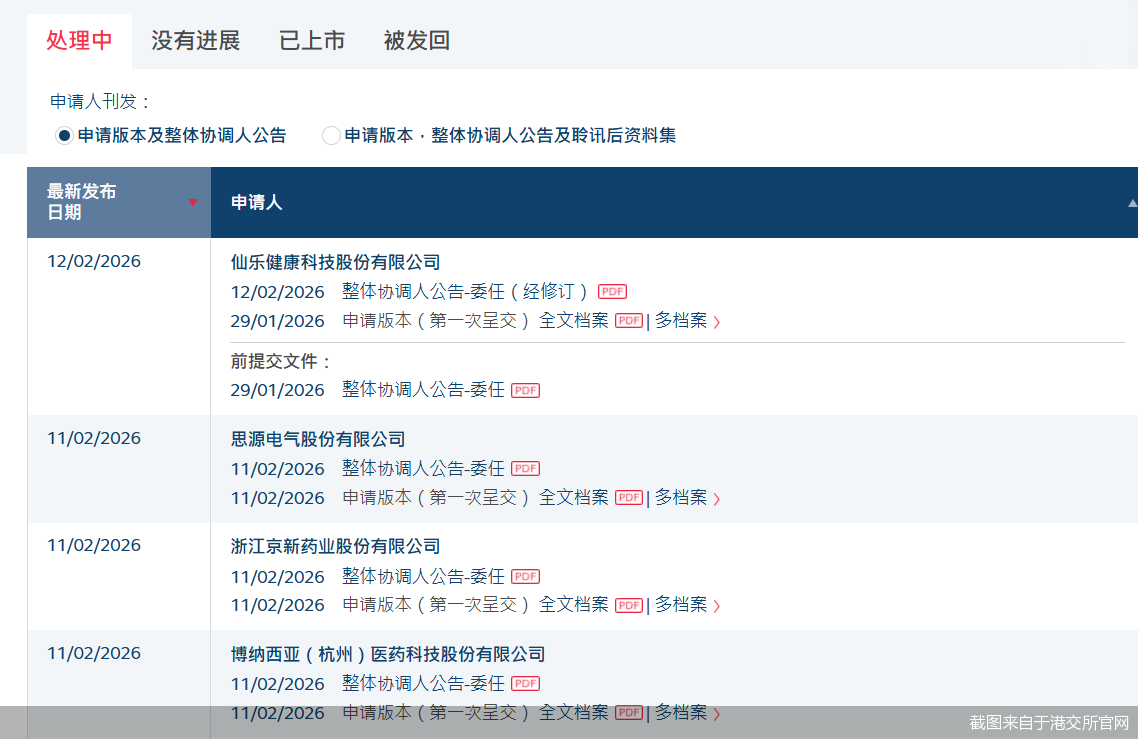
今年已有30家医药企业拟赴港上市
Bei Jing Shang Bao· 2026-02-12 16:06
Core Viewpoint - The recent trend of pharmaceutical companies applying for listings on the Hong Kong Stock Exchange (HKEX) is driven by a focus on innovation, with approximately 30 companies having submitted applications since the beginning of the year, including Jingxin Pharmaceutical, which aims to transition towards innovative drugs [1][3][5]. Group 1: Company Developments - Jingxin Pharmaceutical submitted its application for H-share listing on February 11, 2023, marking its entry into the A+H dual listing journey [3][4]. - The company specializes in two core disease areas: central nervous system diseases and cardiovascular diseases, and has shifted its focus from intermediates and raw materials to innovative drug development [3][4]. - For 2024, Jingxin Pharmaceutical projects total revenue of 4.159 billion yuan and a net profit of 719 million yuan, with R&D investment estimated at 384 million yuan [3]. Group 2: Industry Trends - The trend of pharmaceutical companies seeking listings in Hong Kong is characterized by a significant number of biotech firms, with 13 of the 30 applicants being unprofitable biotech companies [5][6]. - The HKEX's 18A chapter allows unprofitable biotech companies to list, providing them with opportunities for financing and enhancing their market presence [6][7]. - The A+H listing trend is notable, with companies like Baipusais, Dize Pharmaceutical, and Yifang Bio also applying for listings this year, indicating a broader movement among A-share companies to access international capital [8][9]. Group 3: Financial Insights - Baipusais expects a net profit of 160 to 190 million yuan for the previous year, reflecting a year-on-year growth of 29.21% to 53.43% [8]. - Dize Pharmaceutical anticipates a reduced loss of approximately 8.98% year-on-year, while Yifang Bio projects a net loss of 292 million yuan, indicating ongoing high R&D investments despite financial challenges [8][9]. Group 4: Market Implications - The influx of pharmaceutical companies into the HKEX is expected to enhance their capital structure and reduce financing costs, as the market tends to offer higher valuations for innovative drug companies [9]. - The competitive landscape may lead to a rapid differentiation in valuations, as companies will need to demonstrate commercial viability and clinical milestones post-listing [7].



京新药业启动港股IPO!年内30家医药企业拟赴港上市,“创新”含量高
Bei Jing Shang Bao· 2026-02-12 12:28
Core Viewpoint - The recent trend of pharmaceutical companies applying for listings in Hong Kong continues, with a focus on innovation as a key driver for growth and investment opportunities in the sector [1][3][10]. Group 1: Company Developments - Jingxin Pharmaceutical has submitted its application for an H-share listing on the Hong Kong Stock Exchange, marking its entry into the "A+H" dual listing journey [1][3]. - The company has transitioned from focusing on intermediates and raw materials to innovative drug development, targeting central nervous system diseases and cardiovascular conditions [3][4]. - In 2024, Jingxin Pharmaceutical reported total revenue of 4.159 billion yuan and a net profit of 719 million yuan, with R&D investment of approximately 384 million yuan [3][9]. Group 2: Industry Trends - Approximately 30 pharmaceutical companies have submitted applications to the Hong Kong Stock Exchange in 2026, with 13 of these being unprofitable biotech firms [1][5]. - The Hong Kong Stock Exchange's listing reforms since April 2018 have allowed unprofitable biotech companies to access capital markets, enhancing their ability to fund R&D [5][6]. - The "A+H" listing trend is notable, with other companies like Baipusais, Dize Pharmaceutical, and Yifang Bio also applying for listings in Hong Kong [1][8][10]. Group 3: Financial Insights - Baipusais expects a net profit of 160 to 190 million yuan for 2025, representing a year-on-year growth of 29.21% to 53.43% [9]. - Dize Pharmaceutical anticipates a reduced loss of approximately 770 million yuan for 2025, while Yifang Bio expects a net loss of 292 million yuan [9][10]. - The trend of A+H listings is driven by the need for diversified financing and international strategic positioning, with the Hong Kong market often providing higher valuation recognition for innovative drug companies [10].
征祥医药港股IPO:唯一商业化产品面临医保、仿制药、先行者三重压力 上市前夕董事会“大换血”
Xin Lang Cai Jing· 2026-02-06 08:23
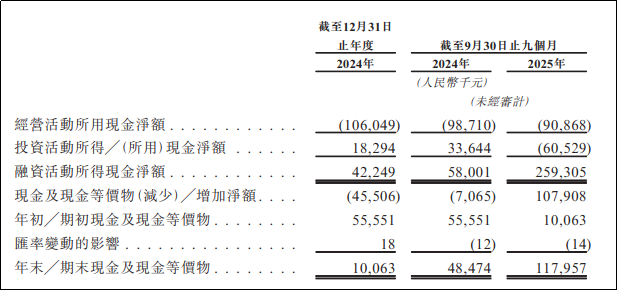
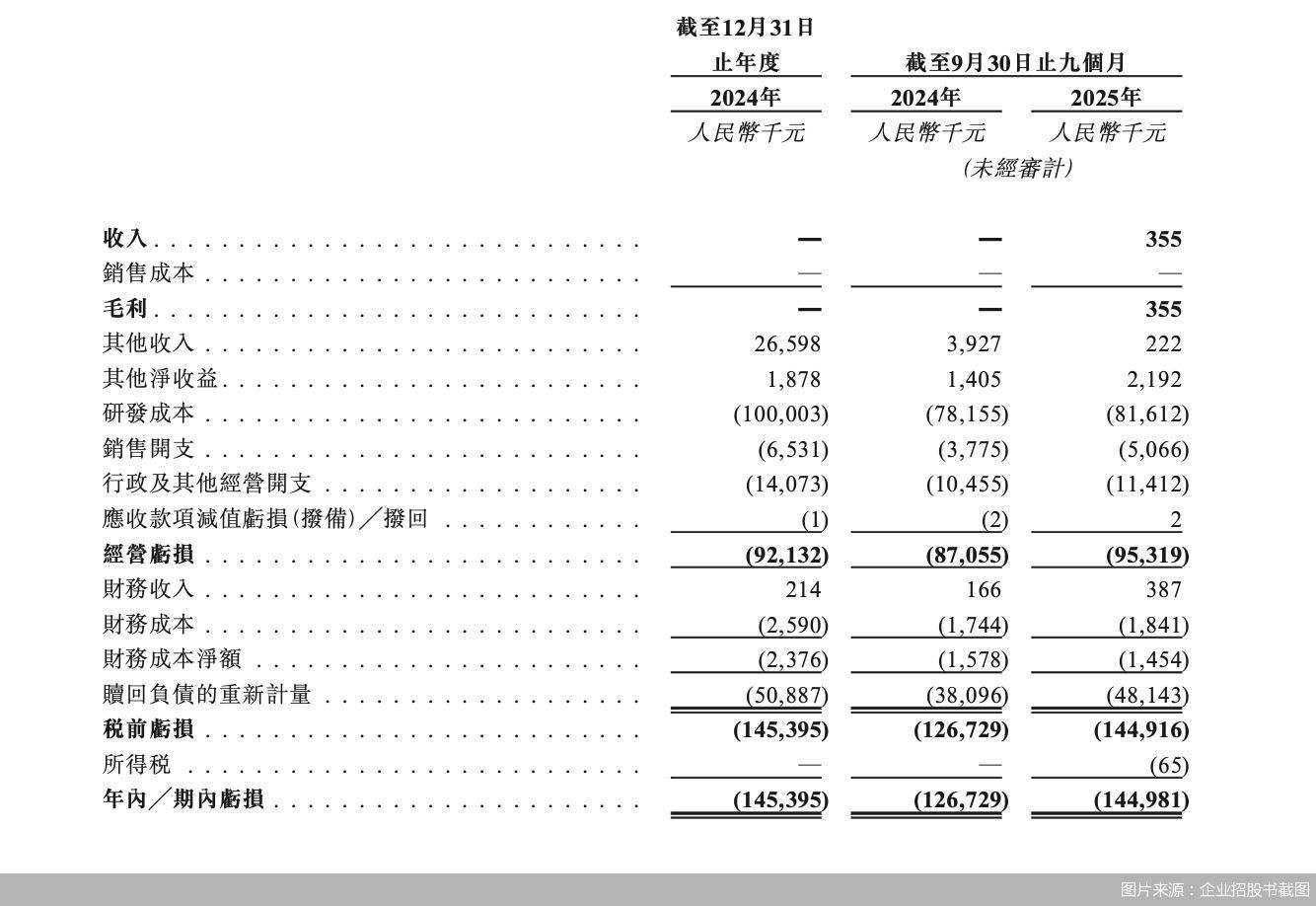
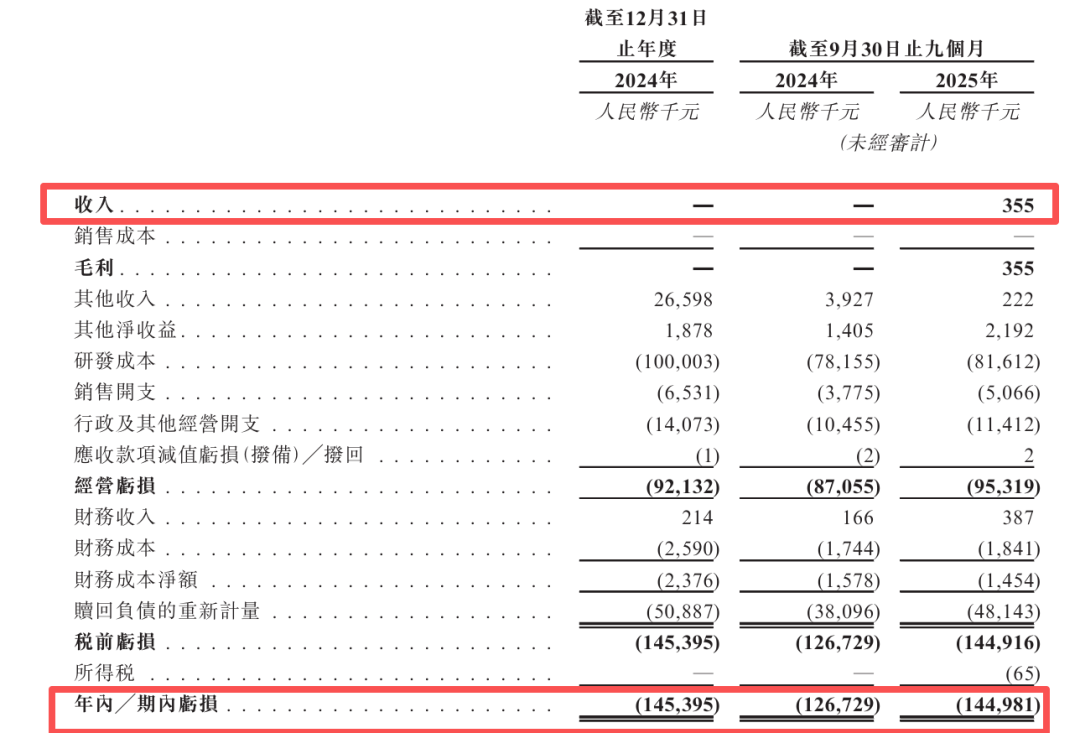
Core Viewpoint - Zhengxiang Pharmaceutical has submitted its listing application to the Hong Kong Stock Exchange, focusing on innovative therapies for viral infections, tumors, and inflammatory diseases. However, the company faces significant challenges, including substantial losses and intense competition in the market for its core product, which may hinder its path to a successful IPO [1][11]. Financial Performance - The company has reported cumulative losses exceeding 400 million RMB over the past three years, with a net loss of 145 million RMB in the first three quarters of 2025, indicating no signs of improvement [2][12]. - Revenue for 2024 is projected to be zero, with only 3.55 million RMB generated in the first nine months of 2025, all from providing drug registration assistance to an overseas partner [2][12]. - As of September 30, 2025, the company had cash and cash equivalents of 118 million RMB, with total available funds around 270 million RMB, which could sustain operations for approximately 30 months at the current cash burn rate [2][12]. Asset and Liability Situation - As of September 30, 2025, the company reported total current assets of 292 million RMB and total current liabilities of 1.195 billion RMB, resulting in a net current liability of 903 million RMB, an increase of 18.7% from the end of 2024 [3][13]. - The overall debt-to-asset ratio has risen to 415.84%, with redemption liabilities amounting to 1.092 billion RMB, primarily from previous financing commitments [3][13]. Market Competition - Zhengxiang Pharmaceutical's core product, Marcilosavir, faces fierce competition from established players, including Roche's Mabalaosavir, which has seen a 180% increase in sales in 2025, surpassing 2 billion RMB [6][16]. - The pricing of Marcilosavir at 222 RMB per box is higher than domestic competitors, which may limit its market penetration, especially since it was not included in the 2025 national medical insurance directory [6][16]. Governance and Management Issues - The company exhibits a highly centralized governance structure, with the founder serving as both chairman and CEO, which may weaken the board's independent oversight [9][19]. - A significant turnover in the board and senior management, with 13 directors leaving around the time of the listing application, raises concerns about stability and strategic alignment [9][19]. - The ownership structure is fragmented, with the founding team holding only 22.76% of voting rights, potentially complicating decision-making processes in future financing or mergers [10][20].
征祥医药冲击IPO,剑指流感市场,竞争格局正在变差
Ge Long Hui A P P· 2026-02-05 09:20
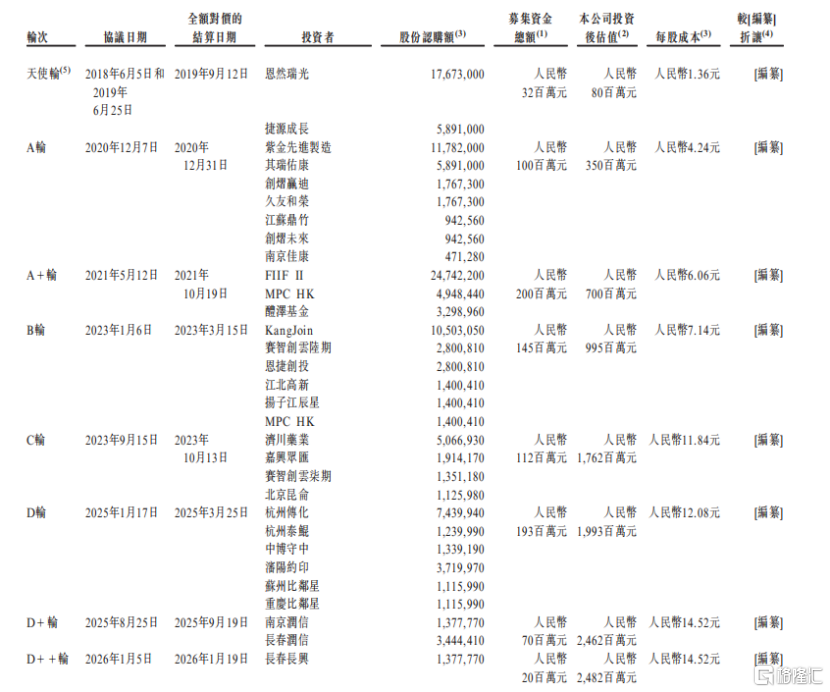
Group 1 - Seasonal influenza impacts approximately 1 billion people globally each year, with 3 to 5 million cases developing into severe illness and 290,000 to 650,000 deaths due to influenza-related respiratory diseases [1] - The domestic influenza treatment drug market is currently dominated by Dongyangguang Pharmaceutical with Oseltamivir, but new players are rapidly emerging since 2025 [1] - Zhengxiang Pharmaceutical is seeking to list on the Hong Kong Stock Exchange, having submitted its application on January 30, with CICC as its sole sponsor [2][4] Group 2 - Zhengxiang Pharmaceutical's antiviral drug, Marcilosavir, has already been approved for market release, distinguishing it from most other 18A companies [3] - The company was founded in 2018 and has undergone multiple rounds of financing, raising a total of 872 million RMB, with a post-investment valuation of 2.48 billion RMB as of January 2026 [4][5] - The company has a drug portfolio that includes six assets, with Marcilosavir being the core product, which is a new generation antiviral targeting influenza [10][12] Group 3 - The global market for influenza treatment and prevention drugs is projected to reach $4.8 billion by 2024, with China contributing $1.7 billion [16] - The Chinese market for antiviral drugs is expected to grow to 13.6 billion RMB by 2035, with PA inhibitors and other antiviral drugs accounting for 13 billion RMB [17] - Marcilosavir faces competition from several established products, including Roche's Baloxavir and others, with pricing set at 222 RMB per box, which is higher than some competitors [20] Group 4 - Zhengxiang Pharmaceutical reported zero revenue for 2024 and 400,000 RMB for the first nine months of 2025, primarily from regulatory support services for Marcilosavir [23] - The company incurred losses of approximately 145 million RMB for both 2024 and the first nine months of 2025, totaling around 290 million RMB in cumulative losses [23] - The company collaborates with a national CSO, Jichuan Pharmaceutical, to enhance market share through its established distribution network [24] Group 5 - The company has a total of 52 R&D personnel, with significant expenditures on drug development, amounting to 100 million RMB and 81.6 million RMB in R&D costs for the respective reporting periods [23] - As of November 2025, the company had cash and cash equivalents of 523 million RMB and term deposits of 141 million RMB [27] - The overall cash flow from operating activities showed a net outflow of 1.06 billion RMB for 2024, indicating financial challenges [28]
负债率近416% 征祥医药递表港交所
Bei Jing Shang Bao· 2026-02-03 15:49
Core Viewpoint - Zhengxiang Pharmaceutical is heavily indebted and is betting its future on a new flu drug while initiating its Hong Kong IPO process to alleviate financial pressure and seek funding for development [1][3]. Financial Performance - For the full year of 2024 and the first three quarters of 2025, Zhengxiang Pharmaceutical's revenue is projected to be 0 and 355,000 yuan respectively, primarily from drug registration assistance services rather than product sales [2]. - The company has incurred cumulative losses of nearly 300 million yuan during the same period, with R&D costs of 100 million yuan and 81.61 million yuan for 2024 and the first three quarters of 2025 respectively, leading to losses of 145 million yuan for both periods [2]. - Operating cash flow has been negative, with net cash used in operating activities amounting to 106 million yuan and 90.87 million yuan during the reporting periods [3]. Debt Situation - As of the end of September 2025, Zhengxiang Pharmaceutical's total liabilities are approximately 1.26 billion yuan, with a net debt of about 956 million yuan and a debt-to-asset ratio of 415.84% [3]. - The net current liabilities increased from 761 million yuan at the end of 2024 to 903 million yuan by September 2025, attributed to an increase in redemption liabilities and other payables [3]. Market Competition - The flu antiviral drug market in China is projected to reach 5.7 billion yuan in 2024, with expectations to grow to 13.6 billion yuan by 2035, indicating a highly competitive environment [4]. - Zhengxiang Pharmaceutical's core product, Marcilosavir, faces significant competition from established products, with pricing strategies not favoring its market entry [4][6]. - Competitors like Qingfeng Pharmaceutical and Zhongsheng Pharmaceutical have already launched their flu drugs and gained market access, while Zhengxiang's product is lagging in commercialization [5][6]. Strategic Initiatives - Zhengxiang Pharmaceutical is seeking to differentiate itself by expanding the indications for Marcilosavir and submitting a New Drug Application (NDA) for treating flu in adolescents [6]. - The company aims to find new growth points through differentiated formulations and indications, although the challenge remains significant due to established competitors [6].
营收不足40万元、负债率近416%,征祥医药递表港交所
Bei Jing Shang Bao· 2026-02-03 10:08
Core Viewpoint - Zhengxiang Pharmaceutical is heavily indebted and is betting its future on a newly approved flu drug, initiating a listing process on the Hong Kong Stock Exchange to alleviate financial pressure and seek funding for development [1] Financial Performance - For the fiscal year 2024 and the first three quarters of 2025, Zhengxiang Pharmaceutical's revenue is projected to be 0 and 355,000 RMB respectively, primarily from drug registration assistance rather than product sales [3] - The company has reported cumulative losses of approximately 1.45 billion RMB for both 2024 and the first three quarters of 2025, with R&D costs of 1 billion RMB and 816.12 million RMB respectively [3] - As of September 2025, the total liabilities of Zhengxiang Pharmaceutical are around 1.26 billion RMB, with a net debt of approximately 956 million RMB and a staggering debt-to-asset ratio of 415.84% [4] Market Competition - The flu antiviral drug market in China is expected to reach 5.7 billion RMB in 2024, with projections to grow to 13.6 billion RMB by 2035, indicating a highly competitive landscape [6] - Zhengxiang Pharmaceutical's core product, Marcilosavir, faces intense competition from established players like Qingfeng Pharmaceutical and Zhongsheng Pharmaceutical, which have already entered the insurance reimbursement list [5][6] - Marcilosavir is priced at 222 RMB per box, similar to Roche's product, but competitors offer lower prices, making it less competitive in terms of cost-effectiveness [6][7] Strategic Initiatives - Zhengxiang Pharmaceutical is attempting to differentiate itself by expanding the indications for Marcilosavir and submitting a New Drug Application (NDA) for treating flu in adolescents [7] - The company aims to leverage different formulations and indications to find new growth opportunities, although it faces significant challenges in gaining market share against established competitors [7]
新股消息 | 生物制药公司征祥医药递表港交所 报告期内暂未获得收入
智通财经网· 2026-01-31 08:17
Company Overview - Zhengxiang Pharmaceutical (Nanjing) Group Co., Ltd. is a biopharmaceutical company focused on discovering, developing, and commercializing innovative therapies for unmet medical needs in viral infectious diseases, oncology, and inflammatory diseases [4] - The core product, Marcilosavir (ZX-7101A), is a targeted inhibitor of the influenza virus PA endonuclease, which received NDA approval from the National Medical Products Administration (NMPA) for treating adult influenza in July 2025 [4][5] - The company has developed a pipeline of six drug assets, including Marcilosavir tablets, a pediatric formulation, and candidates for HPV, HSV, and solid tumors [4] Financial Information - The company reported no revenue for the fiscal years 2024 and the nine months ending September 30, 2024, and 2025 [7] - The net losses for the fiscal years 2024 and the nine months ending September 30, 2024, and 2025 were approximately RMB 145 million, RMB 127 million, and RMB 145 million, respectively [8][9] Market Overview - The global market for influenza treatment and prevention drugs is projected to reach USD 4.8 billion in 2024, with China contributing USD 1.7 billion [10] - By 2035, the market size is expected to grow to USD 10.5 billion, with China contributing USD 2.5 billion [10] - The Chinese market for antiviral drugs for influenza is estimated to be RMB 5.7 billion in 2024, with PA inhibitors accounting for RMB 0.9 billion [17] Drug Pipeline and Development - The company is expanding the indications for Marcilosavir to include adolescents and post-exposure prophylaxis, with milestones set for NDA submissions in 2026 [4] - The pipeline includes a clinical-stage candidate for solid tumors (ZX-8177) and candidates for HSV and autoimmune diseases, with IND submissions planned for 2026 and 2027 [4][17] Board of Directors - The board consists of seven members, including two executive directors, two non-executive directors, and three independent non-executive directors [20] Shareholding Structure - As of January 23, 2026, key shareholders include Dr. Yang and Dr. Hao, who collectively hold approximately 22.76% of the voting rights, and Enran Venture Capital, which holds 18.39% of the shares [22]
征祥医药赴港IPO,资产负债率高达416%
Shen Zhen Shang Bao· 2026-01-31 08:03
Core Viewpoint - Zhengxiang Pharmaceutical (Nanjing) Group Co., Ltd. has submitted an application for a mainboard listing, with its core product expected to launch in October 2025, while currently facing a high debt-to-equity ratio of 416% [1]. Group 1: Company Overview - Zhengxiang Pharmaceutical is a biopharmaceutical company established in 2018, focusing on the discovery, development, and commercialization of innovative therapies for unmet medical needs in viral infectious diseases, oncology, and inflammatory diseases [1]. - The company's core product, Marcilosavir tablets, is a targeted inhibitor of the influenza virus polymerase acidic protein (PA) and has received NDA approval for treating adult influenza [1]. Group 2: Financial Performance - For the reporting periods of 2024 and the first three quarters of 2025, the company's revenue was RMB 0 and RMB 355,000, primarily from providing drug registration assistance to Cigalah Medpharm [4]. - The company reported losses of RMB 145.395 million for both 2024 and 2025, with an increase in losses compared to RMB 126.729 million in the first three quarters of 2024 [4][6]. Group 3: Debt and Financial Risks - As of the end of Q3 2025, the total liabilities of the company were approximately RMB 1.26 billion, with a net debt of about RMB 956.4 million, resulting in a debt-to-equity ratio of 415.84% [6][7]. - The company has faced negative operating cash flow, with net cash used in operating activities amounting to RMB 106 million and RMB 91 million for the respective reporting periods [6]. - The company has highlighted potential liquidity and financial risks due to its net debt situation, which may require seeking external funding sources [7].
征祥医药递表港交所
Zhi Tong Cai Jing· 2026-01-30 14:46
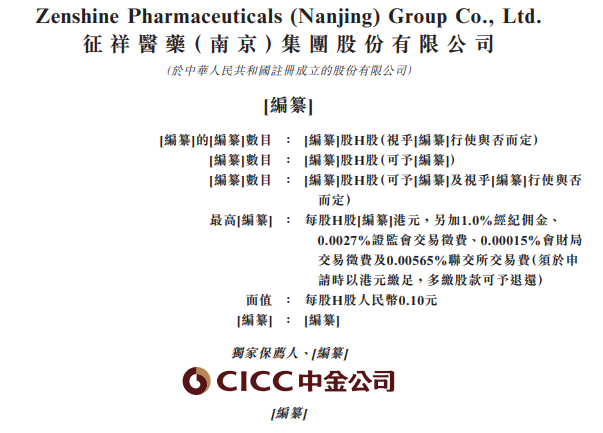
Group 1 - Zhengxiang Pharmaceutical (Nanjing) Group Co., Ltd. has submitted a listing application to the Hong Kong Stock Exchange, with China International Capital Corporation (CICC) as its sole sponsor [1] - Zhengxiang Pharmaceutical is a commercial-stage biopharmaceutical company focused on discovering, developing, and commercializing innovative therapies to address unmet medical needs in the fields of viral infectious diseases, oncology, and inflammatory diseases [1] Group 2 - The core product of Zhengxiang Pharmaceutical, Marcilosavir tablets, is an inhibitor targeting the influenza virus polymerase acidic protein (PA) endonuclease, which received New Drug Application (NDA) approval from the National Medical Products Administration (NMPA) in July 2025 for the treatment of adult influenza [4] - The company is expanding the indications of Marcilosavir to include adolescent patients and post-exposure prophylaxis [4] - Zhengxiang Pharmaceutical has developed a pipeline of six drug assets, including the commercialized Marcilosavir tablets, a clinical late-stage Marcilosavir suspension for pediatric influenza patients, and ZX-8177 for solid tumors in phase I clinical trials, along with ZX-12042B for human papillomavirus (HPV) infection currently in the IND application stage [4] - Additionally, the company has two clinical candidates for herpes simplex virus (HSV) infections and autoimmune diseases in preclinical stages [4]
新股消息 | 征祥医药递表港交所
智通财经网· 2026-01-30 13:13
Group 1 - The core viewpoint of the article is that Zhengxiang Pharmaceutical (Nanjing) Group Co., Ltd. has submitted a listing application to the Hong Kong Stock Exchange, with CICC as its sole sponsor [1] - Zhengxiang Pharmaceutical is a commercial-stage biopharmaceutical company focused on discovering, developing, and commercializing innovative therapies to address unmet medical needs in the fields of viral infectious diseases, oncology, and inflammatory diseases [1] Group 2 - Zhengxiang Pharmaceutical's core product, Marcilosavir tablets, is an inhibitor targeting the influenza virus polymerase acidic protein (PA) endonuclease, which received New Drug Application (NDA) approval from the National Medical Products Administration (NMPA) for the treatment of adult influenza in July 2025 [4] - The company is expanding the indications of Marcilosavir to include adolescent patients and post-exposure prophylaxis [4] - Zhengxiang Pharmaceutical has developed a pipeline of six drug assets, including the commercialized Marcilosavir tablets, a clinical-stage Marcilosavir suspension for pediatric influenza patients, and ZX-8177 for solid tumors in phase I clinical trials, along with ZX-12042B for human papillomavirus (HPV) infection currently in IND application stage [4] - Additionally, the company has two preclinical candidates targeting herpes simplex virus (HSV) infections and autoimmune diseases [4]