
数智旅游

Search documents
湖南岳阳:创新文旅场景 激活消费动能
Xin Lang Cai Jing· 2026-02-10 20:03
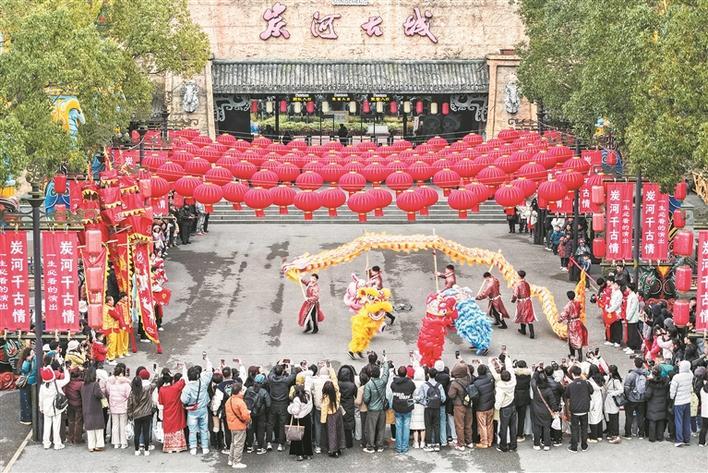
Group 1 - The "Dongting Fishing Fire Season" New Year's music festival in Yueyang attracted 1.4268 million visitors during the holiday, generating a total expenditure of 1.79 billion yuan [1] - In the first three quarters of 2025, Yueyang received 61.2667 million tourists, with total spending reaching 63.699 billion yuan, marking year-on-year growth of 13.02% and 11.11% respectively [1] - The city is focusing on new business formats that integrate culture, tourism, and technology, including immersive experiences and AI-driven attractions [1] Group 2 - Yueyang is implementing a "festival and competition" model to drive tourism, with over 20 billion yuan in consumption generated from provincial tourism development conference activities and national events [2] - The city has enhanced its tourism infrastructure by adding new five-star hotels, renovating historical cultural districts, and improving public amenities, which has significantly increased visitor satisfaction [2] - The "Yueyang Tourism" search index on Baidu increased by 244% in the first three quarters of 2025, with the proportion of young visitors rising to 64% [2]

多国共享数智旅游发展经验,中国游安全便捷获赞誉 | 世界观
Zhong Guo Xin Wen Wang· 2025-09-12 06:36
Core Viewpoint - The 2025 World Tourism Cooperation and Development Conference held in Beijing highlighted the new trends in global tourism development in the digital age, with a focus on China's safety and evolving visa policies attracting international visitors [1][3]. Group 1: China's Tourism Development - Representatives praised China's tourism for its high safety standards, with significant improvements in visa policies enhancing its appeal to foreign tourists [3][5]. - The implementation of a 90-day visa-free policy for Chinese citizens has opened new opportunities for Morocco's tourism sector, fostering cooperation between the two countries [5]. Group 2: International Perspectives - The President of the Asia-Pacific Tourism Association commended China's rapid development and its role in global stability, emphasizing the importance of sharing experiences and technology with other countries [3][4]. - The Mayor of Asti, Italy, described China's tourism as "unique, wonderful, and particularly good," highlighting the impact of visa facilitation on attracting foreign visitors [3]. Group 3: Digital Transformation in Tourism - Various city representatives discussed the integration of digital technologies to optimize tourism management and promote sustainable development, addressing challenges such as tourism growth and heritage protection [6][7]. - Valletta, Malta, is utilizing AI monitoring and smart waste management systems to enhance management efficiency while preserving cultural heritage and improving visitor experiences [6]. - Athens is leveraging smart systems to monitor energy, foot traffic, and pollution, aligning with the concept of sustainable digital tourism while maintaining the historical character of the city [7].
数智技术催生新场景、新服务 2025世界旅游合作与发展大会举办
Yang Shi Xin Wen Ke Hu Duan· 2025-09-12 02:54
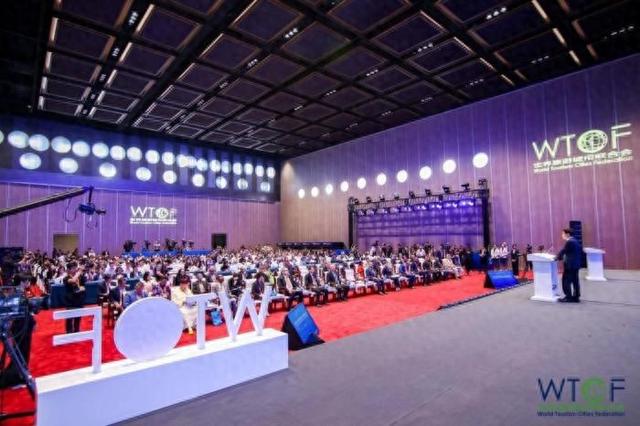
Core Insights - The 2025 World Tourism Cooperation and Development Conference was held in Beijing, focusing on the theme "Digital Tourism for a Shared Future" [1] - Representatives from 66 countries discussed the role of digital technology in promoting high-quality development in inbound tourism [1] Industry Developments - The application of digital technologies has created new scenarios and services, injecting new momentum and opportunities into the tourism industry [1] - The Asia-Pacific Tourism Association highlighted China's leading position in technology and infrastructure, noting the advanced state of its transportation facilities [1] Key Statistics - The "World Tourism City Development Report (2024-2025)" indicates that international tourist arrivals are expected to recover to 1.4 billion in 2024, matching pre-pandemic levels from 2019 [1] - In the comprehensive ranking of world tourism cities for 2024-2025, Beijing and Shanghai ranked 7th and 9th respectively, each improving by one position from the previous year, while Hong Kong maintained its 11th position [1] Policy Impact - The importance of China's visa-free policy was emphasized, with an increase in direct international flights from various cities, not just major ones like Beijing and Shanghai [1]
在北京 倾听中国引领旅游数智化潮流的声音
Bei Jing Ri Bao Ke Hu Duan· 2025-09-12 00:12
Core Points - The 2025 World Tourism Cooperation and Development Conference was held in Beijing, focusing on "Smart Tourism for a Shared Future" and attracting over 600 guests from 66 countries, marking a record high in participation [1] - The conference highlighted the importance of digital transformation and sustainable development in the tourism industry, with various international representatives sharing their experiences and strategies [2][3] Group 1: Conference Overview - The conference is an important international event held during the China International Fair for Trade in Services, supported by major tourism organizations [1] - The theme of the conference emphasizes the integration of digital technology in tourism and the need for sustainable practices [2] Group 2: International Perspectives - International guests discussed the restructuring of the tourism industry due to AI and big data, advocating for a balanced approach to digitalization and sustainability [2] - Guinea-Bissau and Tajikistan representatives expressed their commitment to sustainable tourism and shared their digital initiatives aimed at enhancing tourism experiences [2] Group 3: Beijing's Tourism Development - Beijing has made significant strides in cultural and tourism development, showcasing its rich heritage and modern attractions, with a focus on high-quality tourism [4] - Statistics indicate that from January to July 2025, Beijing received 220 million visitors, generating 410.96 billion yuan in tourism revenue, reflecting growth of 7.1% and 8.7% respectively [5] Group 4: Reports and Rankings - The conference released the "World Tourism Destination Competitiveness Index Report (2025)" and the "World Tourism City Development Report (2024-2025)", positioning Beijing fifth globally for its cultural richness and historical significance [10] - Beijing's unique status as the only city to host both Summer and Winter Olympics has enhanced its international appeal and tourism infrastructure [11] Group 5: Technological Integration - The conference emphasized the role of digital innovation in transforming the tourism experience, with Beijing leading in smart tourism initiatives [15][16] - Beijing's efforts in integrating technology into tourism include the development of a unified ticketing platform and AI tourism assistants, enhancing visitor experiences [16] Group 6: International Collaboration - The conference facilitated discussions among city managers from various countries on the integration of smart technologies in tourism, aiming to enhance competitiveness and share best practices [19][20] - The dialogue highlighted the shift in tourist roles from passive recipients to active participants, driven by digital technologies [20] Group 7: Future Directions - The conference concluded with a call for continued international cooperation and technological innovation to expand the global tourism industry [22][23] - Beijing's initiatives in smart tourism and cultural heritage preservation were recognized as models for other cities to emulate [21]
北京上海入选全球前20名竞争潜力城市
Bei Jing Shang Bao· 2025-09-11 17:16
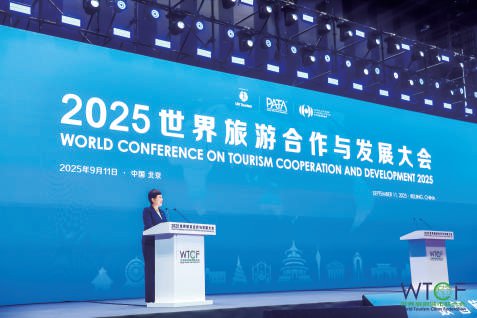
Core Insights - The 2025 World Tourism Cooperation and Development Conference highlighted the competitive potential of global tourism cities, with Beijing and Shanghai ranking 5th and 9th respectively in the "World Tourism Destination Competitiveness Potential Index Report (2025)" [3][4] - The conference emphasized the importance of digital transformation in the tourism industry, showcasing Beijing as a model for integrating technology with traditional tourism experiences [5][6] Group 1: Competitive Potential of Cities - Beijing and Shanghai are recognized as leading tourism destinations, with Beijing ranked 5th and Shanghai 9th in global competitiveness [3] - The criteria for competitive potential include strong tourist attraction, management capabilities, economic resilience, and innovation [3][4] - Beijing's unique status as the only city to host both Summer and Winter Olympics, along with its UNESCO World Heritage sites, contributes to its high ranking [3][4] Group 2: Digital Transformation in Tourism - The theme of the conference was "Digital Tourism for a Win-Win Future," focusing on how technology reshapes travel experiences [5] - International guests noted that modern tourists are increasingly using technology to enhance their travel experiences, with Beijing's initiatives serving as a reference for other cities [5][6] - Various cities, including Athens and Ashgabat, are adopting smart systems to improve sustainability and enhance the presentation of cultural heritage [6] Group 3: Trends in Inbound Tourism - There is a noticeable shift in inbound tourism trends, with international visitors seeking deeper, immersive experiences and showing interest in cultural and culinary tourism [7][8] - The increase in family and leisure travel among inbound tourists is evident, with 40% being first-time visitors [7] - Companies like Meituan and Qunar are leveraging AI and multilingual services to enhance the travel experience for inbound tourists, indicating a growing demand for personalized services [8]
2025服贸会|北京、上海入选全球前20名竞争潜力城市 旅游业迈入数智化变革新阶段
Bei Jing Shang Bao· 2025-09-11 15:15
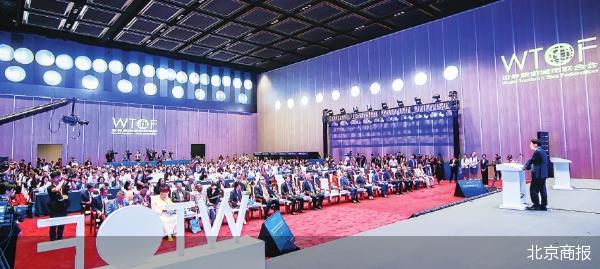
Core Insights - The 2025 World Tourism Cooperation and Development Conference highlighted the digital transformation in the tourism industry, focusing on how traditional tourism can adapt to digital trends and enhance inbound tourism quality [1][4]. Group 1: Conference Highlights - The conference featured discussions among mayors and industry experts on the impact of digitalization on tourism and the high-quality development of inbound tourism [1]. - The "World Tourism Destination Competitiveness Index Report (2025)" and the "World Tourism City Development Report (2024-2025)" were released, with Beijing and Shanghai ranked among the top 20 competitive cities globally, specifically 5th and 9th respectively [2][3]. Group 2: Beijing's Competitive Edge - Beijing's unique status as the only city to host both Summer and Winter Olympics, along with its eight UNESCO World Heritage sites, contributes to its competitive ranking [2]. - The integration of technology in tourism, such as AI-guided tours and augmented reality experiences, enhances visitor engagement and expands tourism boundaries [2][3]. Group 3: Technological Innovations - The conference showcased Beijing's innovations in tech-enabled cultural tourism, including AI translation devices and interactive exhibits [3]. - The theme "Smart Tourism for a Shared Future" emphasized the role of technology in reshaping travel experiences and optimizing tourism management [4]. Group 4: Inbound Tourism Trends - There is a noticeable shift in inbound tourism preferences towards immersive, small-group experiences that combine culture with sports and gastronomy [5]. - The increase in family and leisure travel among international visitors is evident, with 40% being first-time travelers, highlighting the demand for multilingual and self-service options [5][6]. Group 5: Industry Responses - Companies like Meituan and Qunar are leveraging AI and multilingual services to enhance the travel experience for inbound tourists, with significant growth in bookings for lesser-known destinations [6]. - The trend indicates a growing desire among foreign travelers for emotional and experiential journeys rather than mere sightseeing [6].

北京、上海入选全球前20名竞争潜力城市,旅游业迈入数智化变革新阶段
Bei Jing Shang Bao· 2025-09-11 15:01
Core Insights - The 2025 World Tourism Cooperation and Development Conference highlighted the digital transformation in the tourism industry, focusing on how traditional tourism can adapt to digital trends and enhance inbound tourism quality [1][4] - Beijing and Shanghai were recognized as top competitive cities in the global tourism landscape, ranking 5th and 9th respectively in the "World Tourism Destination Competitiveness Index Report (2025)" [2][3] Digital Transformation in Tourism - The conference's theme "Smart Tourism, Win-Win Future" emphasized the role of technology in reshaping travel experiences, with various city representatives discussing innovative approaches to enhance tourism through digital means [4] - Beijing's integration of cultural heritage with modern technology, such as AI-guided tours and augmented reality experiences, positions it as a leading example in smart tourism [2][3] Inbound Tourism Trends - The inbound tourism market is evolving, with international visitors increasingly seeking immersive and culturally rich experiences, as well as multi-language services [5][6] - Data from Beijing Capital International Airport indicates a significant rise in family and leisure travel, with 40% of inbound travelers being first-time visitors [5] AI and Multilingual Services - Companies like Meituan and Qunar are leveraging AI technology to enhance travel services for inbound tourists, offering tools for itinerary planning and language support [6] - The demand for deeper travel experiences is growing, with foreign visitors showing increased interest in lesser-known destinations within China, leading to a surge in bookings for cities like Datong and Yiwu [6]
2025服贸会|北京、上海入选全球前20名竞争潜力城市,旅游业迈入数智化变革新阶段
Bei Jing Shang Bao· 2025-09-11 14:35
Core Insights - The 2025 World Tourism Cooperation and Development Conference highlighted the digital transformation in the tourism industry, focusing on how traditional tourism can adapt to digital trends and enhance high-quality inbound tourism development [1][6] - Beijing and Shanghai were recognized as top competitive cities in the global tourism landscape, ranking 5th and 9th respectively in the "World Tourism Destination Competitiveness Index Report (2025)" [2][4] Group 1: Competitive City Rankings - Beijing and Shanghai were ranked among the top 20 competitive cities globally, with Beijing at 5th and Shanghai at 9th [2] - The criteria for competitive cities include strong tourist attraction, management capabilities, economic resilience, innovation, and quality of life for residents [4] Group 2: Digital Empowerment in Tourism - The conference theme "Smart Tourism, Win-Win Future" emphasized the role of technology in reshaping tourism experiences, with various cities sharing their digital initiatives [6] - Beijing's integration of cultural heritage with modern technology, such as AI-guided tours and augmented reality experiences, was highlighted as a model for global tourism [4] Group 3: Inbound Tourism Trends - The inbound tourism market is evolving, with international visitors showing a preference for immersive experiences and cultural recognition [8] - A significant increase in family and leisure travel among inbound tourists was noted, with 40% being first-time visitors [9] Group 4: Multilingual Services for Inbound Tourists - The demand for multilingual services among inbound tourists is rising, prompting companies like Meituan and Qunar to enhance their offerings using AI technology [11] - Meituan's AI travel assistant and Qunar's English version of their app facilitate easier travel planning for foreign visitors, reflecting a shift towards deeper cultural experiences in less-traveled destinations [11][12]
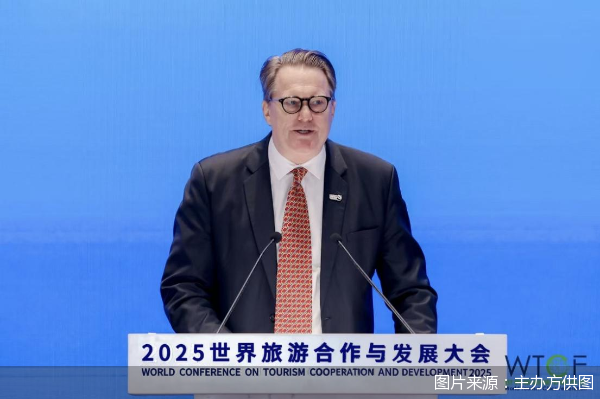
文旅部:上半年国内居民出游人次超32亿,花费3.15万亿
Nan Fang Du Shi Bao· 2025-09-11 05:04
Core Insights - The 2025 World Tourism Cooperation and Development Conference was held in Beijing, emphasizing China's commitment to enhancing international tourism cooperation and promoting global tourism development [1][2] - The Chinese tourism industry is experiencing significant growth, with a 15.9% year-on-year increase in outbound and inbound trips, and a 20.6% increase in domestic travel during the first half of the year [1] Group 1: Government Initiatives - The Chinese government is actively promoting international tourism through various measures, including signing tourism cooperation agreements, organizing cultural and tourism years, and facilitating visa processes [1][2] - High-level discussions at the conference highlighted the importance of digital technology in creating new opportunities and enhancing the quality of tourism services [1] Group 2: Recommendations for Deepening Cooperation - High Zheng proposed three key suggestions for enhancing tourism cooperation: improving platform construction, strengthening industry collaboration, and stimulating enterprise dynamics [2] - The World Tourism Cooperation and Development Conference serves as a vital platform for dialogue and collaboration among governments, international organizations, and the tourism industry [2] - The Chinese side is willing to support the establishment of more internationally influential tourism exchange platforms and promote comprehensive dialogue and cooperation [2] Group 3: Industry Collaboration - The World Tourism Cities Federation has grown to 257 member units, playing a crucial role in promoting international tourism cooperation [2] - The Chinese government encourages more cities to join the federation and engage in resource sharing and collaborative activities [2] Group 4: Enterprise Engagement - Enterprises are seen as the backbone of practical cooperation and industry development, with support for joint product development and participation in international tourism exhibitions [2] - The focus is on fostering innovation and creating new tourism experiences, such as immersive tourism and educational travel products [2]