
可持续旅游

Search documents
从十年世界银行经验中汲取的教训
Shi Jie Yin Hang· 2026-02-09 07:19
Report Industry Investment Rating No relevant information provided. Core Viewpoints of the Report - The tourism industry in low - and middle - income countries is regarded as a powerful driving force for economic growth, employment creation, and the protection and inheritance of cultural and environmental assets. The World Bank plays a strategic role in tapping the development potential of tourism by providing development assistance, including technical support and funding for global tourism projects [11]. - The report shares the key lessons learned by the World Bank in tourism knowledge and operations over the past 10 years. It analyzes trends in research and design and factors influencing successful outcomes, and provides actionable suggestions for sustainable and inclusive development of the tourism industry [12][13][14]. Summary According to the Table of Contents World Bank's Role Evolution in Tourism Development - The World Bank has been involved in the tourism industry since the early 1960s. By 1980, it had supported tourism development in 27 countries, raising over $1 billion for large - scale projects. As of 2007, it had funded about 94 projects with a total amount of about $3.5 billion [15][16]. - In the 2010s, the World Bank's tourism portfolio grew steadily. Due to the COVID - 19 pandemic, it had to adapt quickly, providing assistance such as strengthening the health system, automating and digitizing tourism products and services, etc. After the pandemic, the demand for tourism support mainly focused on diversification, sustainability, and strengthening the tourism value chain [17][20]. - Currently, the World Bank is supporting 71 active tourism - related projects in 47 countries, with a total committed amount of $7.58 billion. From fiscal year 2012 to 2022, the compound annual growth rate (CAGR) of the World Bank's tourism - related loans reached 16%, more than twice the overall loan growth rate [21]. Tourism as a Development Tool: Evidence and Impact - **Economic Impact**: Economics literature supports that tourism plays a key role in promoting national economic growth. Empirical studies show positive impacts on local and national economic growth. For example, a 10% increase in local hotel revenue in Mexico led to a 4% increase in nominal local GDP [26]. - **Employment and Inclusion**: Tourism is considered a strong factor in promoting employment, especially among women and youth. 53% of those employed in tourism are women, and the youth employment rate in tourism is relatively high. However, tourism jobs often have lower salaries, are more seasonal, and are more likely to be part - time [27][29]. - **Social and Environmental Impact**: Tourism can generate significant social and environmental benefits if the proceeds are reinvested in community development and protection. However, most literature emphasizes the negative impacts, such as carbon emissions, increased pressure on water use and waste management systems, and social issues like sexual exploitation [30][31]. World Bank Technical Assistance - The World Bank provides technical assistance in areas such as circular economy, blue tourism, etc. It includes destination research to increase knowledge of specific topics, and approved and peer - reviewed reports are published in the World Bank's publications [36]. - In the past decade, the World Bank has produced 110 tourism publications. Most are destination - oriented technical assistance. The most popular research topics are tourism data, protection, cultural heritage, and inclusion [37]. Common Tourism Analysis Areas - **Economic Benefits**: Tourism can generate direct and indirect economic benefits by creating employment, attracting foreign direct investment, revitalizing rural areas, and enhancing skills. It also has unique economic characteristics, such as increasing real estate value [41]. - **Supply - side Analysis**: In tourism development, special attention should be paid to tourism supply elements. The complexity of the tourism industry and its extended supply chain, along with the large number of micro, small, and medium - sized enterprises, require cross - government coordination and a clear governance framework [42]. - **Gender and Inclusion**: Tourism can increase women's participation in the labor market, leadership roles, and entrepreneurship, but it also has potential risks such as informal part - time work, low wages, and gender - related issues [43]. - **Community Participation**: Communities can benefit from tourism under certain conditions, including strong demand, continuous skill improvement, and reinvestment of tourism revenue in community funds and management [43]. - **Key Tourism Research Gaps**: There are significant gaps in the understanding of how tourism affects poverty, the labor market, land use, and policy outcomes. More research is needed in many aspects, and impact evaluation is particularly scarce [44]. - **Social and Political Issues**: In destination management, more flexible and adaptable methods should be adopted to deal with external social and political challenges, and more research is needed on the diverse impacts of different tourism market segments [45]. World Bank Operations: Tourism Lending Bank - The 85 World Bank tourism projects from 2012 to 2022 can be roughly divided into three types: Type 1 projects target tourism directly, Type 2 are cross - sector projects integrating tourism elements, and Type 3 are environmental and social projects using tourism to achieve broader goals [52][53][49][50]. - Projects led by the national tourism bureau or department, with a design team including tourism expertise, and those involving multiple sectors and having a strong analysis basis tend to perform better. Destination - level tourism development is more effective when projects are geographically concentrated, appropriately scaled, and combine infrastructure investment with private - sector development [65][69][72]. Theory of Change: Paths to Development Driven by Tourism - Based on the analysis of 85 tourism operations, a tourism theory of change was developed, identifying nine common development challenges and 13 common solutions. Long - term outcomes include increased investment, income, and employment, better governance and economic inclusion, and sustainable destinations and assets [75][76]. Suggestions for Improving Tourism Project Design - **Understand the People**: Use innovative data collection methods to fill the gap in tourism data, and improve the government's ability to analyze and share data for evidence - based decision - making [83]. - **Make Collaboration a Pillar**: Strengthen governance and coordination by establishing strong coordination mechanisms and adopting a "whole - of - government" approach [81]. - **Unlock Investment in Small Enterprises**: Identify and address the limitations of micro, small, and medium - sized enterprises in the tourism industry, and provide targeted support [82]. - **Invest in Community - Serving Infrastructure**: Focus on a small number of regional investments, design infrastructure according to verified needs, and match it with technical assistance for governance institutions [84]. - **Restore Rather Than Destroy**: Establish systems to protect tourism assets, and reinvest tourist fees to fill the financing gap in biodiversity protection [85]. - **Measure and Share Results**: Establish a common result framework and a set of core tourism project indicators to achieve more consistent reporting and learning [86].
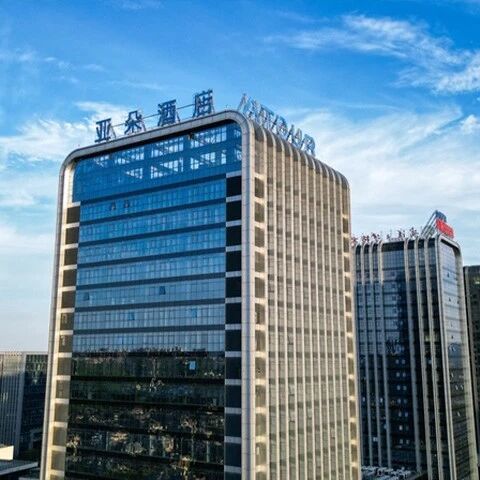
月薪3万,春节住不起汕头亚朵
36氪· 2026-02-07 01:10
Core Viewpoint - The article discusses the significant increase in hotel prices in Shantou during the Spring Festival, highlighting the surprising demand and the underlying factors driving this price surge [4][5][18]. Group 1: Price Surge and Demand - Hotel prices in Shantou have skyrocketed, with some hotels charging up to 3,400 yuan per night, leading to shock among potential visitors [8][10]. - The number of hotel bookings in Shantou for the Spring Festival has increased by 186% year-on-year, significantly outpacing traditional tourist destinations like Sanya, which saw a 112% increase [18][20]. - The collective rise in hotel prices across the region indicates a shift in market dynamics, driven by both local demand and external factors [24][25]. Group 2: Emotional and Cultural Factors - Shantou has become a desirable destination due to its rich cultural heritage and festive atmosphere, contrasting with the diminishing festive spirit in major cities [27][32]. - The unique emotional value associated with the traditional celebrations in Shantou has made hotel accommodations a scarce resource, leading to increased prices [33][34]. - The influence of social media and short video platforms has amplified the appeal of Shantou's cultural experiences, further driving demand [35][36]. Group 3: Supply Constraints - The hotel supply in Shantou is insufficient to meet the surging demand, with the region's GDP of approximately 800 billion yuan indicating limited capacity for high-end accommodations [45]. - Unlike Sanya, which has a robust inventory of luxury hotels, Shantou lacks sufficient international standard hotels, exacerbating the price inflation [49][50]. - The existing hotel infrastructure is primarily designed for business travel rather than the peak tourist influx during the Spring Festival [51]. Group 4: Visitor Experience and Recommendations - Despite high prices, the quality of service and overall visitor experience in Shantou has not improved correspondingly, leading to local dissatisfaction [54][56]. - Visitors are advised to consider accommodations in surrounding areas to avoid high prices while still enjoying the cultural festivities [62][66]. - Alternative destinations like Zhanjiang are suggested for those seeking similar cultural experiences without the inflated costs associated with Shantou during peak season [67][71].

为可持续旅游绩效评价提供统一“指标语言”
Xin Lang Cai Jing· 2026-01-30 18:44
Core Viewpoint - The International Organization for Standardization (ISO) has officially released the international standard "Sustainable Tourism - Requirements and Guidelines for the Use of Indicators in the Tourism Value Chain" (ISO 18060:2026), marking the first international standard in the tourism sector jointly promoted by BRICS countries [1][2]. Group 1: Standard Overview - ISO 18060 provides a unified indicator system and implementation methods for measuring sustainable development performance in various organizations within the tourism value chain [1]. - The standard is designed for tourism enterprises, destination management organizations, and related service providers aiming to enhance operational quality and social responsibility through sustainable development practices [1][2]. Group 2: Indicator Framework - The standard constructs a measurable, comparable, and executable general indicator framework across three dimensions: environmental, social, and economic [1][2]. - It aims to shift the focus of sustainable management from "what has been done" to "what has been achieved," contributing to destination protection and meeting the growing demand for responsible tourism practices [1][2]. Group 3: Application and Impact - ISO 18060 includes guidance on calculation frequency, formulas, counting rules, and data sources, ensuring comparability of data over time for continuous improvement [2]. - The standard aligns with global sustainable development agendas and policies, enhancing enterprises' sustainable management capabilities and providing a unified benchmark for the industry [2]. - It is expected to facilitate the transition of the tourism industry from conceptual advocacy to performance management, serving as an important tool for organizations in sustainable management, assessment, and communication [2]. Group 4: Future Steps - The Ministry of Culture and Tourism plans to promote the adoption of this international standard as a national standard, encouraging more tourism enterprises to participate in its implementation [2].
文旅部牵头,全球首个由金砖国家共同推动形成的旅游国际标准发布
Xin Lang Cai Jing· 2026-01-29 11:34
Core Viewpoint - The International Organization for Standardization (ISO) has officially released the international standard "Sustainable Tourism - Requirements and Guidelines for Indicators of Tourism Value Chain Organizations" (ISO 18060:2026), marking a significant step in promoting sustainable tourism practices globally [1][2]. Group 1: Standard Overview - ISO 18060 was jointly proposed by China and Brazil and took over three years to develop, being the first international standard in the tourism sector promoted by BRICS countries [1]. - The standard provides a unified indicator system and implementation methods for measuring sustainable development performance across various organizations in the tourism value chain [1][2]. - It aims to enhance the operational quality and social responsibility of tourism enterprises, destination management organizations, and related service providers by focusing on environmental, social, and economic dimensions [1]. Group 2: Industry Implications - The standard aligns with global sustainable development agendas and policies, helping enterprises strengthen their sustainable management capabilities while providing a comparable and analyzable benchmark for the industry [2]. - It is expected to facilitate the transition of the tourism industry from advocating for sustainability to managing performance, serving as an important tool for organizations in sustainable management, assessment, and communication [2]. - The Ministry of Culture and Tourism plans to promote the adoption of this standard as a national standard, encouraging more tourism enterprises to participate in its implementation [2].
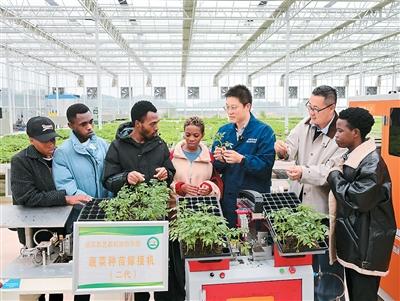
“中非多领域合作取得里程碑式的巨大成就”
Ren Min Ri Bao Hai Wai Ban· 2026-01-19 08:39
Group 1 - The core theme of the "China-Africa Year of Cultural Exchange" is to strengthen the partnership between China and Africa, with nearly 600 cultural exchange activities planned for the year 2026 [2][3][4] - China has implemented a 100% zero-tariff policy on products from African countries, which alleviates trade instability and enhances China's image as a reliable partner for African development [2] - The initiative aims to promote cooperation in various fields, including education, cultural tourism, sports, technology, green development, and youth engagement [2][4] Group 2 - The "China-Africa Year of Cultural Exchange" is viewed as a long-term strategy to unlock tourism growth potential and promote economic development between China and Africa [3] - Strengthened tourism cooperation is expected to significantly increase visitor exchanges, making Africa an increasingly important destination for Chinese tourists [3] - The initiative is anticipated to enhance cultural interactions, allowing Chinese tourists to experience Africa's natural beauty and cultural heritage [3] Group 3 - Significant measures are being taken to promote human exchanges, including the establishment of a large academic network and an increase in scholarship programs under the China-Africa Cooperation Forum [4] - The Luban Workshop project has shown notable results, providing high-quality vocational training in key areas for African industrialization [4] - Various cooperation platforms, such as the "China-Africa Think Tank Forum" and "China-Africa Youth Gala," are facilitating exchanges among intellectuals and youth leaders [4]
意铂奢华邮轮发布首个环球旅程,埃尔奥拉艺术节启幕 | 一周旅行指南
Xin Lang Cai Jing· 2025-12-31 01:35
Group 1 - Wenzhou Dongtou Radisson Hotel recently opened, marking the first project of Radisson's ultra-luxury brand in Wenzhou, located along the coastline of Dongtou District, offering a unique vacation experience that integrates local culture [1] - The hotel features 90 sea-view rooms with panoramic floor-to-ceiling windows, and dining options include a 24-hour restaurant, a lobby bar, and an outdoor rock bar, catering to various dining and social needs [1] Group 2 - Andaz One Bangkok, the second Andaz brand hotel in Thailand, has opened in the largest mixed-use development in central Bangkok, featuring 244 rooms and three dining venues, including a Mediterranean restaurant led by Michelin-starred chef Marc Vasseur [2][3] - Tokyo Park Hyatt has reopened after a 19-month renovation, marking the most comprehensive upgrade in 30 years, with redesigned guest rooms and a new restaurant by chef Alain Ducasse [5] Group 3 - The 10th Annual Charity Night hosted by Marriott International and the Yao Foundation took place in Shanghai, gathering over 500 guests to support sports education initiatives in rural China [7] - Banyan Tree has launched a sustainable consulting service, expanding its sustainable business to include destination management and eco-tourism planning, while announcing five new member hotels from North America, Europe, and Southeast Asia [9] Group 4 - The Mandarin Oriental Hotel in Beijing has introduced a new cocktail menu titled "Parallel Time and Space," featuring local ingredients and international mixology techniques [11] - Aman China is celebrating the holiday season with unique cultural experiences at its three hotels, offering festive activities and local cuisine [13] Group 5 - The St. Regis Tianjin has partnered with Chow Sang Sang to launch a limited-time afternoon tea set, available until January 31, 2026, which includes various sweet and savory items [15] - The 2026 AlUla Arts Festival will return from January 16 to February 14, featuring innovative exhibitions and immersive experiences [17] Group 6 - Delta Air Lines has expanded its exclusive check-in areas for its premium business class across all U.S. hub airports, enhancing the travel experience for its customers [22] - Malaysia Airlines has released its long-term business plan 3.0, aiming to double its total revenue to over 24 billion ringgit and improve its service offerings by 60% by 2030 [26]

Wonderfruit 2025开幕 泰国旅游局以“莫兰世界”推介文化旅游
人民网-国际频道 原创稿· 2025-12-16 06:22
Core Insights - The Wonderfruit 2025 International Cultural Festival in Thailand celebrates its 10th anniversary, promoting high-quality tourism experiences that integrate culture and sustainability through the "Molam World with Amazing Thailand" cultural zone [1][2] Group 1: Cultural Promotion - The festival features Molam, a traditional folk singing form from Laos and Thailand's Isan region, characterized by narrative singing and local instruments like the khaen [1] - The Thai Tourism Authority has set up a "Molam Theater" at the event, inviting artists to reinterpret traditional sounds and narratives, creating an immersive experience for attendees [1] Group 2: Sustainable Tourism - The festival emphasizes sustainable tourism through the "Amazing Thailand Sustainable Tourism" initiative, balancing visitor experience with social and environmental responsibilities [2] - The economic impact of Wonderfruit is significant, with a peak daily attendance of 25,000 visitors in 2024, and international participants staying an average of 7.7 days, spending approximately 120,000 Thai Baht each, resulting in a total economic impact of about 710.73 million Thai Baht (approximately 22.46 million USD) [2]
“通过保护生态环境创造更大经济价值”
人民网-国际频道 原创稿· 2025-12-09 09:12
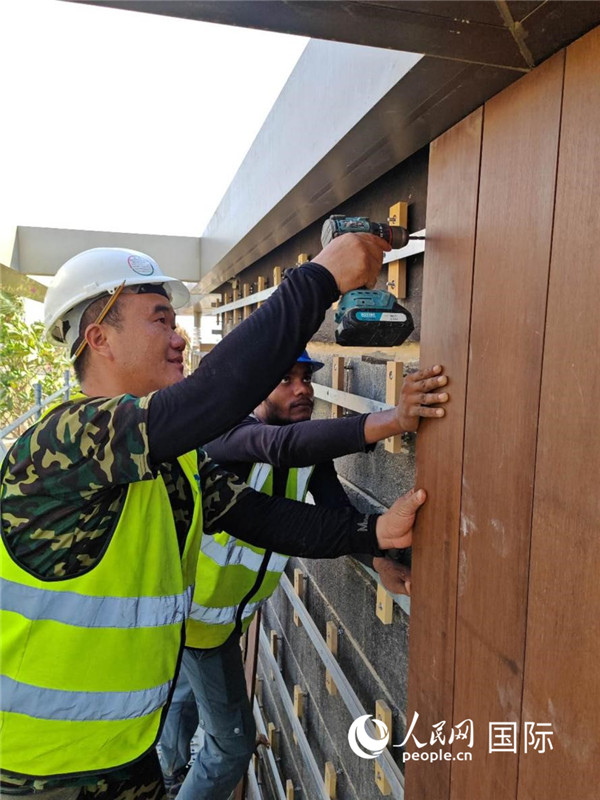
Core Insights - The Red Sea tourism project will cover an area of 28,000 square kilometers, featuring over 200 kilometers of coastline and 90 islands, with 22 islands being developed into luxury tourist destinations while the rest will serve as nature reserves [1] - The project includes 50 hotels and over 1,000 residential units, with a notable hotel in the "Three Bays" resort being the world's first bamboo-structured building to achieve both LEED Platinum and WELL certifications [1] - The bamboo material used in the hotel construction is produced by two Chinese companies, with a total of 26,000 square meters of modular bamboo planned for use [2] Environmental Sustainability - The project emphasizes green and sustainable tourism, aligning with China's philosophy of ecological preservation to create greater economic value, and aims to be a key area for low-carbon initiatives in the China-Saudi Arabia Belt and Road cooperation [1] - The application of bamboo material not only represents a technological breakthrough but also modernizes traditional Bedouin architectural wisdom, with a focus on ecological priorities from coral reef protection to desert water conservation systems [4]
免签+直航,“增长最快的市场就是中国”
Guan Cha Zhe Wang· 2025-12-09 07:41
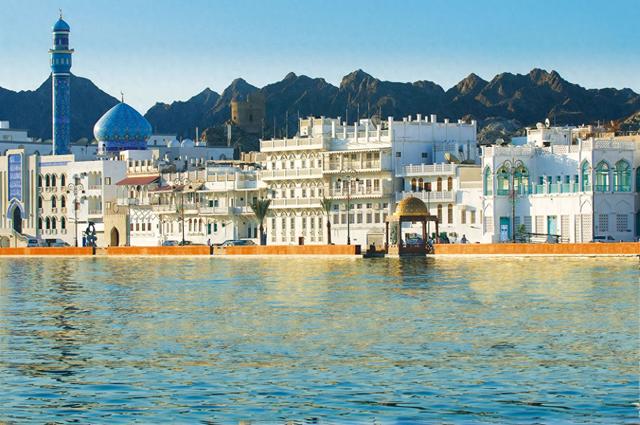
Core Viewpoint - Oman is enhancing its tourism ties with China to attract more Chinese travelers, showcasing its diverse tourism resources and exploring collaboration opportunities with Chinese travel agencies [1][3]. Group 1: Tourism Market Potential - China is identified as one of the fastest-growing tourism markets globally, characterized by high spending power and a demand for experiences that blend natural landscapes, cultural depth, and authentic experiences [3]. - The number of international tourists entering Oman from China has increased by 272% in 2023, attributed to Oman's rich and diverse tourism offerings [3]. Group 2: Unique Selling Points of Oman - Oman boasts a variety of attractions, including UNESCO World Heritage sites, luxury resorts, and natural landscapes such as beaches, deserts, canyons, and mountains, appealing to different types of travelers [4][3]. - Oman's commitment to sustainable tourism aligns with Chinese travelers' values for responsible travel, offering high-quality service experiences while preserving natural heritage [3]. Group 3: Travel Facilitation Measures - Oman has implemented several tourism-friendly policies, including a visa waiver agreement with China, simplifying travel procedures for visitors [6]. - The launch of a direct flight from Beijing to Muscat by China Eastern Airlines on November 30, 2023, enhances travel convenience, reducing travel time to under 10 hours and eliminating the need for layovers in other cities [6][7]. Group 4: Future Prospects - The opening of the direct flight route is expected to significantly boost the number of Chinese tourists visiting Oman, facilitating cultural exchange and economic growth [7]. - Oman aims to attract a diverse range of tourists through this new air route, enhancing its global tourism influence while ensuring sustainable growth in its tourism sector [7].
亚太旅游协会主席施明德接受《环球时报》专访:中国将引领亚洲旅游增长
Huan Qiu Shi Bao· 2025-11-25 22:50
Core Viewpoint - China is actively promoting inbound tourism through various policies, including visa exemptions, and is expected to lead the tourism development in Asia over the next 5-10 years, according to the President of the Pacific Asia Travel Association (PATA) [1][3]. Group 1: China's Tourism Development Policies - China has expanded its visa exemption policies, which is seen as a positive step towards enhancing its participation in the global tourism industry [4][5]. - The country is leveraging its rich cultural heritage and stunning natural landscapes as significant advantages in attracting foreign tourists [5]. Group 2: Regional Tourism Dynamics - The geopolitical landscape is encouraging more regional travel, which will benefit Asian tourism, with a notable percentage of tourists coming from within Asia [3]. - The ASEAN region, with over 600 million people, has a growing middle class that is increasingly interested in traveling to China [3]. Group 3: Unique Approach to Tourism - China's approach to tourism development is distinct, integrating technology, culture, heritage, and nature, which sets it apart from other countries [4]. - The country is recognized as a leader in sustainable tourism development, particularly in renewable energy and green economy initiatives [4]. Group 4: Enhancing Visitor Experience - There is a need for Chinese tourism operators to shift focus from merely sightseeing to providing deeper, more immersive experiences for foreign tourists [6][7]. - Understanding the diverse preferences of different foreign tourist demographics is crucial for improving service levels and tailoring experiences [7]. Group 5: Market Expansion Opportunities - There is significant potential for expanding inbound tourism beyond major cities like Beijing and Shanghai, as many foreign tourists tend to flock to these well-known destinations [8]. - Simplifying the memorization of Chinese city names for foreign tourists could enhance their travel experience and encourage exploration of lesser-known areas [8].