AI旅行小助手

Search documents
老外涌入中国
2 1 Shi Ji Jing Ji Bao Dao· 2025-09-14 03:17
Core Insights - The global tourism industry is experiencing a significant recovery since 2024, with international tourist arrivals exceeding 300 million in Q1 2025, marking a 5% year-on-year increase [1] - China remains the largest tourism spending country, with outbound spending increasing by 30% [1] - The integration of AI and digital technologies is a key focus at the 2025 Service Trade Fair, enhancing inbound tourism experiences [1] Inbound Tourism Growth - In 2024, China received 130 million inbound tourists, representing a year-on-year growth of over 60% [4] - The order volume for foreign tourists on the Qunar platform increased by 1.8 times in 2024, prior to the launch of its English version in July 2025 [4] - There is a notable trend of foreign tourists exploring deeper into China's third-tier cities, with ticket bookings to places like Datong, Yiwu, and Yining doubling [4] Airport Enhancements for Inbound Tourists - Beijing Capital Airport has introduced an English version of its app and website, offering services in four languages and 43 functionalities [5] - The airport provides a luggage storage service for travelers under the 240-hour visa-free policy, allowing them to enjoy local cuisine without carrying their bags [5] AI and Big Data in Tourism - The global tourism industry is undergoing structural adjustments, with AI and big data reshaping the tourism value chain [7] - Companies like Xiaohongshu are leveraging AI to enhance destination visibility and user engagement, focusing on the entire booking process [7] - Meituan Travel is developing AI tools for both consumer and business users, including an AI travel assistant for consumers and specialized services for hotels and scenic spots [8] AI Applications in Travel Services - Qunar is actively implementing AI applications for user engagement, covering areas such as travel itinerary planning and intelligent customer service [8] - An AI travel toolbox will be launched on Qunar's app homepage before the National Day holiday, consolidating various functionalities for users [8]


2025旅游真相:老外涌入中国,AI帮你规划
2 1 Shi Ji Jing Ji Bao Dao· 2025-09-14 01:06
Core Insights - The 2025 China International Fair for Trade in Services highlighted the significant role of AI in the tourism industry, with a focus on digitalization and enhancing inbound tourism services [1] - The global tourism industry is experiencing a milestone recovery, with international tourist arrivals exceeding 300 million in Q1 2025, marking a 5% year-on-year increase [1] - China's outbound tourism spending has surged by 30%, reinforcing its position as the world's largest tourism spender [1] Inbound Tourism Growth - In 2024, inbound tourist arrivals in China reached 130 million, reflecting a year-on-year growth of over 60% [2] - The order volume for foreign tourists on the Qunar platform increased by 1.8 times in 2024, indicating a growing interest in China's tourism offerings [2] - There is a notable trend of foreign tourists exploring third-tier and lower cities in China, with ticket bookings to places like Datong, Yiwu, and Yining doubling [2] Airport Enhancements - Beijing Capital International Airport has implemented various services to accommodate inbound tourists, including an English version of its app and a luggage storage service for travelers [3] - The airport's website now supports four languages and offers 43 functions, enhancing the travel experience for international visitors [3] AI and Big Data in Tourism - The tourism industry is undergoing structural adjustments driven by AI and big data, reshaping the tourism development landscape [4] - Companies like Xiaohongshu are leveraging AI to enhance marketing strategies and improve user engagement with overseas destinations [4] - Qunar is actively integrating AI applications for user experience, including travel planning and customer service, with plans to launch an AI travel toolbox on its app [4] AI Applications by Travel Companies - Meituan Travel is exploring AI capabilities for both consumer and business users, with plans to introduce an AI travel assistant for consumers and specialized tools for hotel and scenic area operators [5] - The focus on AI in the travel sector aims to streamline services and enhance customer interactions across various platforms [5]
北京上海入选全球前20名竞争潜力城市
Bei Jing Shang Bao· 2025-09-11 17:16
Core Insights - The 2025 World Tourism Cooperation and Development Conference highlighted the competitive potential of global tourism cities, with Beijing and Shanghai ranking 5th and 9th respectively in the "World Tourism Destination Competitiveness Potential Index Report (2025)" [3][4] - The conference emphasized the importance of digital transformation in the tourism industry, showcasing Beijing as a model for integrating technology with traditional tourism experiences [5][6] Group 1: Competitive Potential of Cities - Beijing and Shanghai are recognized as leading tourism destinations, with Beijing ranked 5th and Shanghai 9th in global competitiveness [3] - The criteria for competitive potential include strong tourist attraction, management capabilities, economic resilience, and innovation [3][4] - Beijing's unique status as the only city to host both Summer and Winter Olympics, along with its UNESCO World Heritage sites, contributes to its high ranking [3][4] Group 2: Digital Transformation in Tourism - The theme of the conference was "Digital Tourism for a Win-Win Future," focusing on how technology reshapes travel experiences [5] - International guests noted that modern tourists are increasingly using technology to enhance their travel experiences, with Beijing's initiatives serving as a reference for other cities [5][6] - Various cities, including Athens and Ashgabat, are adopting smart systems to improve sustainability and enhance the presentation of cultural heritage [6] Group 3: Trends in Inbound Tourism - There is a noticeable shift in inbound tourism trends, with international visitors seeking deeper, immersive experiences and showing interest in cultural and culinary tourism [7][8] - The increase in family and leisure travel among inbound tourists is evident, with 40% being first-time visitors [7] - Companies like Meituan and Qunar are leveraging AI and multilingual services to enhance the travel experience for inbound tourists, indicating a growing demand for personalized services [8]
2025服贸会|北京、上海入选全球前20名竞争潜力城市 旅游业迈入数智化变革新阶段
Bei Jing Shang Bao· 2025-09-11 15:15
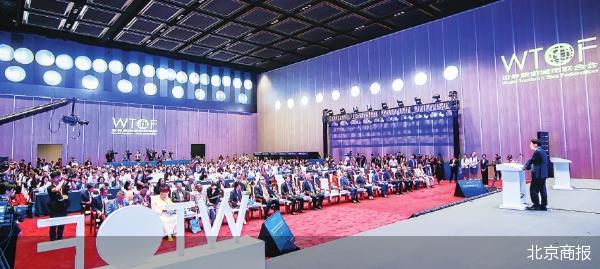
Core Insights - The 2025 World Tourism Cooperation and Development Conference highlighted the digital transformation in the tourism industry, focusing on how traditional tourism can adapt to digital trends and enhance inbound tourism quality [1][4]. Group 1: Conference Highlights - The conference featured discussions among mayors and industry experts on the impact of digitalization on tourism and the high-quality development of inbound tourism [1]. - The "World Tourism Destination Competitiveness Index Report (2025)" and the "World Tourism City Development Report (2024-2025)" were released, with Beijing and Shanghai ranked among the top 20 competitive cities globally, specifically 5th and 9th respectively [2][3]. Group 2: Beijing's Competitive Edge - Beijing's unique status as the only city to host both Summer and Winter Olympics, along with its eight UNESCO World Heritage sites, contributes to its competitive ranking [2]. - The integration of technology in tourism, such as AI-guided tours and augmented reality experiences, enhances visitor engagement and expands tourism boundaries [2][3]. Group 3: Technological Innovations - The conference showcased Beijing's innovations in tech-enabled cultural tourism, including AI translation devices and interactive exhibits [3]. - The theme "Smart Tourism for a Shared Future" emphasized the role of technology in reshaping travel experiences and optimizing tourism management [4]. Group 4: Inbound Tourism Trends - There is a noticeable shift in inbound tourism preferences towards immersive, small-group experiences that combine culture with sports and gastronomy [5]. - The increase in family and leisure travel among international visitors is evident, with 40% being first-time travelers, highlighting the demand for multilingual and self-service options [5][6]. Group 5: Industry Responses - Companies like Meituan and Qunar are leveraging AI and multilingual services to enhance the travel experience for inbound tourists, with significant growth in bookings for lesser-known destinations [6]. - The trend indicates a growing desire among foreign travelers for emotional and experiential journeys rather than mere sightseeing [6].

北京、上海入选全球前20名竞争潜力城市,旅游业迈入数智化变革新阶段
Bei Jing Shang Bao· 2025-09-11 15:01
Core Insights - The 2025 World Tourism Cooperation and Development Conference highlighted the digital transformation in the tourism industry, focusing on how traditional tourism can adapt to digital trends and enhance inbound tourism quality [1][4] - Beijing and Shanghai were recognized as top competitive cities in the global tourism landscape, ranking 5th and 9th respectively in the "World Tourism Destination Competitiveness Index Report (2025)" [2][3] Digital Transformation in Tourism - The conference's theme "Smart Tourism, Win-Win Future" emphasized the role of technology in reshaping travel experiences, with various city representatives discussing innovative approaches to enhance tourism through digital means [4] - Beijing's integration of cultural heritage with modern technology, such as AI-guided tours and augmented reality experiences, positions it as a leading example in smart tourism [2][3] Inbound Tourism Trends - The inbound tourism market is evolving, with international visitors increasingly seeking immersive and culturally rich experiences, as well as multi-language services [5][6] - Data from Beijing Capital International Airport indicates a significant rise in family and leisure travel, with 40% of inbound travelers being first-time visitors [5] AI and Multilingual Services - Companies like Meituan and Qunar are leveraging AI technology to enhance travel services for inbound tourists, offering tools for itinerary planning and language support [6] - The demand for deeper travel experiences is growing, with foreign visitors showing increased interest in lesser-known destinations within China, leading to a surge in bookings for cities like Datong and Yiwu [6]
2025服贸会|北京、上海入选全球前20名竞争潜力城市,旅游业迈入数智化变革新阶段
Bei Jing Shang Bao· 2025-09-11 14:35
Core Insights - The 2025 World Tourism Cooperation and Development Conference highlighted the digital transformation in the tourism industry, focusing on how traditional tourism can adapt to digital trends and enhance high-quality inbound tourism development [1][6] - Beijing and Shanghai were recognized as top competitive cities in the global tourism landscape, ranking 5th and 9th respectively in the "World Tourism Destination Competitiveness Index Report (2025)" [2][4] Group 1: Competitive City Rankings - Beijing and Shanghai were ranked among the top 20 competitive cities globally, with Beijing at 5th and Shanghai at 9th [2] - The criteria for competitive cities include strong tourist attraction, management capabilities, economic resilience, innovation, and quality of life for residents [4] Group 2: Digital Empowerment in Tourism - The conference theme "Smart Tourism, Win-Win Future" emphasized the role of technology in reshaping tourism experiences, with various cities sharing their digital initiatives [6] - Beijing's integration of cultural heritage with modern technology, such as AI-guided tours and augmented reality experiences, was highlighted as a model for global tourism [4] Group 3: Inbound Tourism Trends - The inbound tourism market is evolving, with international visitors showing a preference for immersive experiences and cultural recognition [8] - A significant increase in family and leisure travel among inbound tourists was noted, with 40% being first-time visitors [9] Group 4: Multilingual Services for Inbound Tourists - The demand for multilingual services among inbound tourists is rising, prompting companies like Meituan and Qunar to enhance their offerings using AI technology [11] - Meituan's AI travel assistant and Qunar's English version of their app facilitate easier travel planning for foreign visitors, reflecting a shift towards deeper cultural experiences in less-traveled destinations [11][12]