文化跨界

Search documents
《2025北京商业发展蓝皮书》:情绪价值场景创新文化跨界成消费新增长点
Bei Jing Shang Bao· 2026-01-19 15:17
Group 1 - The core theme of the report is "Reconstructing Consumption through Trends," highlighting the expansion of fashion consumption beyond traditional retail into lifestyle categories, including smart wearables, automobiles, home goods, and service sectors like entertainment, sports, and beauty [1] - Unique data from the report indicates that in the first three quarters of 2025, new store openings in sectors such as fitness, wellness, medical beauty, and pet-related businesses in Beijing grew by 25% to 55%, significantly outpacing traditional retail and dining [1] - Consumer behavior in Beijing is shifting from "product transactions" to "emotional value" driven purchases, with IP-centric "dimension economy" emerging as a new retail driver, enhancing the influence of cultural IPs like the Palace Museum and Pop Mart [1] Group 2 - Scene innovation is identified as a key strategy for breaking through in Beijing's consumption landscape, with the rise of "smoky atmosphere + fashion" small shop clusters revitalizing the cultural and commercial tourism ecosystem [2] - The number of new "smoky atmosphere" shops on Douyin has seen a stable growth over three years, with a 66% year-on-year increase in 2025, and over 4.58 million active shops generating a 34% increase in transaction volume [2] - The nightlife economy, particularly the small bar sector, has shown robust growth, with Beijing's bar consumption order volume increasing by over 35% and nighttime consumption orders rising close to 40% [2] Group 3 - Cultural crossover is accelerating the growth of domestic trend consumption, with intangible cultural heritage brands leveraging short videos to reach wider audiences, exemplified by the rise of Beijing's intangible cultural heritage skills on platforms like Douyin [3] - In the past year, Douyin has added over 200 million videos related to national intangible cultural heritage, marking a 31% year-on-year growth, while enhancing e-commerce support for heritage businesses [3] - Beijing is constructing a new consumption ecosystem characterized by both international flair and local vibrancy, emphasizing that true quality consumption is defined by its fashionable and trendy attributes, which can expand the supply of quality goods and services [3]
北京发布《2025北京商业发展蓝皮书》,揭秘“潮尚消费”密码
Xin Lang Cai Jing· 2026-01-17 07:28
Group 1 - The core viewpoint of the article is that Beijing is constructing a new consumption ecosystem characterized by "trendy consumption," blending international appeal with local vibrancy [1] - The "2025 Beijing Commercial Development Blue Book" highlights a shift in consumer behavior from "functional satisfaction" to "experience enhancement," focusing on "emotional value," "scene innovation," and "cultural crossover" [1] - The report indicates that emotional value activates consumption momentum, scene innovation expands consumption space, and cultural crossover enhances consumption capability [1] Group 2 - Fashion consumption is expected to become a trillion-level growth point during the "14th Five-Year Plan" period, serving as a key driver of consumption innovation and creating significant commercial value [2] - The forum revealed the "2025 Annual Beijing Top Ten Commercial Brands," which includes diverse commercial and consumption formats such as shopping malls, trendy toys, dining, specialty stores, e-commerce, and time-honored brands, all contributing to the sustainable development of Beijing's commerce [2]
谁将成为下一个万亿级消费增长点?北京这场论坛重磅“剧透”
Bei Jing Shang Bao· 2026-01-16 15:21
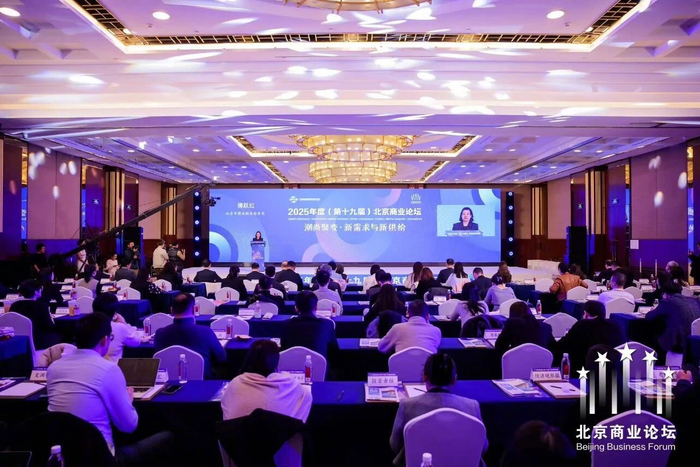
Core Insights - The integration of traditional and fashionable elements is crucial for revitalizing consumption and fostering growth highlights in the current macroeconomic context [2][4][30] - The 2025 Beijing Commercial Forum focused on the theme "Fashion Fusion: New Demand and New Supply," bringing together representatives from various sectors to discuss fashion consumption and trends [2][4] Macro Overview - Fashion consumption is a key driver of urban vitality and consumption growth in Beijing, supported by a rich cultural foundation and innovative momentum [4] - Policies such as the "Beijing Fashion Consumption Expansion Action Plan" and the "Beijing Fashion Industry High-Quality Development Implementation Plan (2025-2027)" are being implemented to support the integration of fashion consumption and lifestyle [4] Expert Insights - The "14th Five-Year Plan" anticipates the emergence of numerous consumption growth points, particularly in quality enhancement, service expansion, green health, and digital innovation, with fashion consumption expected to become a trillion-level growth point [6] - Fashion consumption transcends clothing and accessories, driven by innovation and cultural resonance, representing a significant trend in consumer behavior [6] Strategic Cooperation - A strategic partnership was established between the Beijing Top Ten Commercial Brands Committee and Ningbo Bank Beijing Branch to explore financial services that meet the needs of the consumption sector [8][10] Case Studies - The HERE Dream Island Group aims to connect diverse cultures through trendy products, emphasizing the importance of original design and consumer interaction in physical stores [12] - The Dajixiang project has achieved a 98% occupancy rate and over 1 million visitors in seven months, showcasing the successful integration of culture and commerce [14] Market Trends - The pet industry in Beijing shows significant growth potential, with a current market penetration of approximately 12%, compared to over 50% in developed countries [20] - Yonghui Supermarket is undergoing a comprehensive transformation to enhance customer experience, achieving an 80% SKU turnover rate and introducing over 30 new convenience services [22] Cultural Integration - The revival of intangible cultural heritage, such as shadow puppetry, is being commercialized through innovative partnerships and digital engagement, reaching over 65 billion views on social media [24] Consumer Behavior - The rise of emotional consumption among younger demographics emphasizes the importance of emotional value and cultural connection in product design [16] - The concept of "trendiness" is becoming a critical factor in consumer engagement, with products that resonate emotionally and socially gaining popularity [28][30] Annual Survey - The "2025 Beijing Commercial Development Blue Book" highlights the dynamic interaction between new demand and supply, emphasizing the role of fashion consumption in shaping future commercial landscapes [30][33]

情绪价值、场景创新、文化跨界成消费增长点 《2025北京商业发展蓝皮书》解码时尚新生态
Bei Jing Shang Bao· 2026-01-16 03:01
Core Insights - The 2025 Beijing Commercial Forum focused on the theme "Trendy Transformation: New Demand and New Supply," gathering representatives from various sectors to discuss fashion consumption and trends [1] - The annual report titled "2025 Beijing Commercial Development Blue Book" was released, highlighting new logic, scenarios, and dynamics in Beijing's commercial consumption [1] Group 1: Fashion Consumption Trends - Fashion consumption is expanding beyond traditional retail to encompass lifestyle products, including smart wearables, automobiles, and home goods, as well as services in entertainment, sports, and beauty [3] - Consumers are increasingly favoring products and services that provide emotional resonance, with immersive consumption experiences gaining popularity [3] - The "dimension economy," centered around intellectual property (IP), is emerging as a new retail engine, with IP-derived products evolving from toys to social currency [3] Group 2: Market Growth and New Business Models - In the first three quarters of 2025, new store openings in sectors such as fitness, wellness, medical beauty, and pet-related businesses in Beijing grew by 25% to 55%, significantly outpacing traditional retail and dining [3] - The rise of "Citywalk" trends has activated the cultural and commercial travel ecosystem, with a 66% year-on-year increase in the number of "smoky" small shops on Douyin [5] - The bar market in Beijing has shown robust growth, with overall consumption order volume increasing by over 35% and nighttime consumption orders rising nearly 40% [5] Group 3: Cultural Integration and Innovation - Cultural crossovers are accelerating the growth of domestic trends, with traditional crafts leveraging short video platforms for wider reach and engagement [6] - Douyin has seen over 200 million new videos related to national intangible cultural heritage, marking a 31% year-on-year increase [6] - Beijing is constructing a new consumption ecosystem characterized by both international flair and local vibrancy, emphasizing the importance of trendy and fashionable consumption as a means of innovation and competitive advantage [6]
北京商业论坛解码消费新赛道
Bei Jing Shang Bao· 2026-01-13 15:42
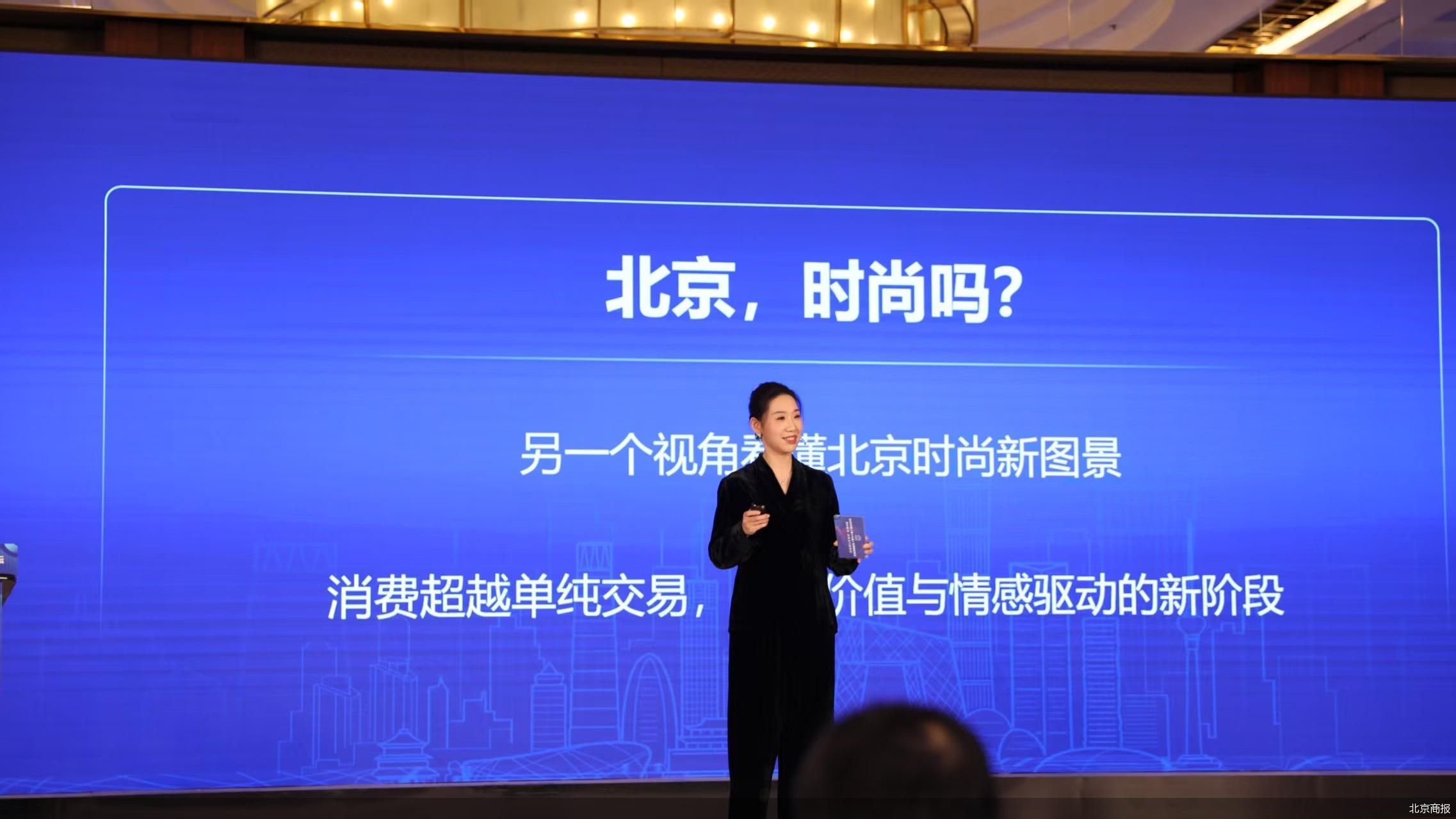
Core Insights - The emerging force centered around fashion consumption is significantly shaping the commercial competitiveness of cities and unlocking infinite possibilities for future development [1] - The 2025 Beijing Commercial Forum will focus on "Trendy Transformation: New Demand and New Supply," highlighting the dynamics of emerging consumption and its impact on Beijing's commercial landscape [1] Group 1: Emerging Consumption Trends - Emerging consumption is driving a transformation in Beijing's commercial landscape, moving from traditional transaction spaces to integrated environments [1] - Trends such as fashion consumption and emotional consumption are gaining traction, showcasing strong market potential and becoming key pathways for elevating Beijing's commercial quality [1][2] - The "14th Five-Year Plan" emphasizes the importance of new demand leading to new supply, creating a dynamic interaction that shapes the future commercial landscape [1] Group 2: Blue Book Insights - The annual report "2025 Beijing Commercial Development Blue Book" will present new consumption logic, scenarios, and dynamics, focusing on "Emotional Value," "Scenario Innovation," and "Cultural Cross-Border" [2] - The report highlights a shift in consumer behavior from "functional satisfaction" to "experience enhancement," with emotional value activating consumption momentum [2][3] - Unique local shops are creating distinctive Citywalk routes, becoming landmarks that integrate culture, commerce, and tourism in Beijing [2] Group 3: Forum Agenda and Collaborations - The forum will address market trends in fashion consumption, pet economy, and trendy toys, providing insights into business model iterations and user operations [3] - A strategic cooperation agreement will be signed between the "Top Ten Commercial Brand Activities" committee and Ningbo Bank Beijing Branch to explore how financial services can better meet consumer needs [3] - The forum aims to answer questions about the future direction of Beijing's commercial landscape and how fashion will reshape consumption [3]
潮尚聚变,2025年度北京商业论坛解码消费新赛道
Bei Jing Shang Bao· 2026-01-13 12:36
Core Insights - The emerging force centered around fashion consumption is profoundly shaping the commercial competitiveness of cities and unlocking infinite possibilities for future development [1] Group 1: Event Overview - The 2025 Beijing Commercial Forum, guided by the Beijing Municipal Bureau of Commerce and co-hosted by the Beijing Commercial Association and Beijing Business News, will be held on January 16 at the Beijing International Hotel [1] - The theme of this year's forum is "Trendy Transformation: New Demand and New Supply," focusing on emerging consumption and envisioning the future of Beijing's commerce [1] Group 2: Market Trends - Beijing's commercial landscape is entering a new transformation phase driven by innovation and experience, with trends like fashion consumption and emotional consumption showcasing strong market potential and a siphoning effect [3] - The "14th Five-Year Plan" suggests that new demand should lead to new supply, and the dynamic interaction between "new demand and new supply" is a core dimension shaping the future commercial landscape [3] Group 3: Consumption Evolution - The report titled "2025 Beijing Commercial Development Blue Book" will be released at the forum, presenting new logic, scenarios, and dynamics of Beijing's commercial consumption under the theme "Trendy Reconstruction of Consumption" [4] - The report highlights the shift in Beijing's consumption from "functional satisfaction" to "experience upgrade," focusing on emotional value, scenario innovation, and cultural crossover [4] Group 4: New Consumption Models - Emerging consumption has led to diverse business models, transforming the commercial core from "transaction venues" to "fusion spaces," with traditional supermarkets incorporating AI and community discount stores reshaping community commerce [3][4] - The report identifies that "trendy consumption" is constructing a new consumption ecosystem that combines international flair with local vibrancy, emphasizing that true quality consumption is characterized by fashion and trend attributes [4] Group 5: Forum Agenda and Collaboration - The forum's agenda will focus on new consumption sectors such as fashion consumption, pet economy, and trendy toys, addressing cutting-edge industry trends [5] - A strategic cooperation agreement will be signed between the "Top Ten Commercial Brand Activities" committee and Ningbo Bank's Beijing branch to explore how financial services can better meet the needs of consumption-related financial services [5]
靠文化破圈,游轮又火了
投中网· 2025-05-25 05:32
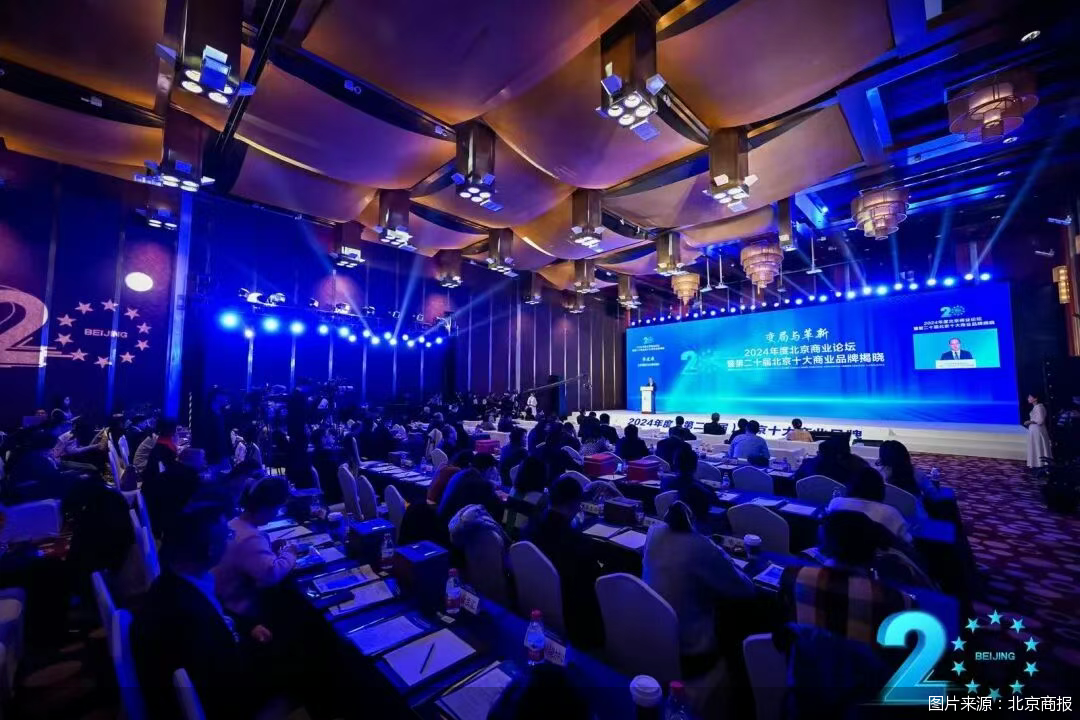
Core Insights - The article discusses the rising trend of cruise tourism in China, highlighting its growth during peak travel seasons and the shift towards cultural experiences as a competitive edge in the market [5][7][19] Market Trends - During the Spring Festival, cruise passenger transport reached 172,000, a year-on-year increase of 145.6%. The May Day holiday saw nearly 30,000 people entering and exiting at the Shanghai cruise port, marking a three-year high [5][7] - The Chinese outbound tourism market is expected to reach 146 million trips in 2024, nearing pre-pandemic levels, with cultural attractions and differences being key factors influencing travel destination choices [7][8] Challenges in the Cruise Industry - The cruise market in China has faced challenges due to homogenization, with similar service offerings and overlapping routes leading to a loss of competitive advantage [7][19] - Price sensitivity among consumers has increased, prompting cruise companies to adopt aggressive pricing strategies, with some routes seeing price drops of 30%-60% during the summer of 2024 [8][17] Cultural Integration - Cruise brands are increasingly focusing on cultural crossovers, launching themed travel products related to traditional culture and popular IPs to attract consumers [8][9] - Successful examples include the "Aida Magic City" offering themed voyages centered around Chinese culture and the "MSC Glory" collaborating with cultural figures for a "National Studies" themed cruise [9][19] Family Travel Segment - The family travel segment, particularly "parent-child travel," is becoming a core market for cruises, with 35% of summer orders attributed to this demographic [11][12] - Cruise companies are enhancing their offerings with educational and entertaining activities, transforming cruises into mobile cultural education platforms [11][12] Future Outlook - The cruise industry is experiencing a recovery, but it remains a niche market compared to other travel options in China [13][14] - To achieve significant market breakthroughs, the industry must focus on deepening cultural experiences and ensuring seamless integration of cultural elements into travel experiences [19]

靠文化破圈,游轮又火了
3 6 Ke· 2025-05-23 06:29
Core Insights - The cruise tourism sector in China is experiencing a resurgence, with significant growth in passenger numbers during peak travel seasons, indicating a shift in consumer interest towards this niche market [1][4][16] - Cultural crossover strategies are being adopted by cruise brands to enhance their offerings and attract a broader audience, moving beyond traditional cruise experiences [7][10][22] Market Trends - During the Spring Festival, cruise passenger transport reached 172,000, a year-on-year increase of 145.6%, and during the May Day holiday, Shanghai's cruise port saw nearly 30,000 inbound and outbound passengers in a single day, marking a three-year high [1] - The Chinese outbound tourism market is projected to reach 146 million trips in 2024, nearing pre-pandemic levels, with cultural and scenic attractions being key factors influencing travel decisions [4] Competitive Landscape - The cruise industry faces challenges from price sensitivity among consumers, leading to significant price reductions of 30%-60% on certain routes during the summer of 2024, with some companies reporting losses in the hundreds of thousands [5][20] - Cultural crossover initiatives are seen as a vital strategy for cruise brands to differentiate themselves in a market plagued by homogenization, with various cultural themes being integrated into cruise experiences [7][10][25] Consumer Behavior - The "family travel" segment is gaining traction, with 35% of summer orders in 2024 attributed to family trips, and educational travel experiences are increasingly popular among parents [11][12] - Cruise products are evolving to include educational and entertaining activities, catering to modern parents' desire for enriching travel experiences for their children [12][14] Future Outlook - The integration of cultural elements into cruise tourism is expected to enhance product appeal, but the industry must ensure that these elements are genuinely integrated into the travel experience to avoid superficiality [22][25] - As the market matures, the focus will need to shift from merely introducing cultural themes to improving service quality and maintaining innovative offerings to avoid a new wave of homogenization [25]