文物追索

Search documents
百年前被劫掠,唐鸿胪井碑何时“回家”?
Xin Lang Cai Jing· 2026-02-23 19:42
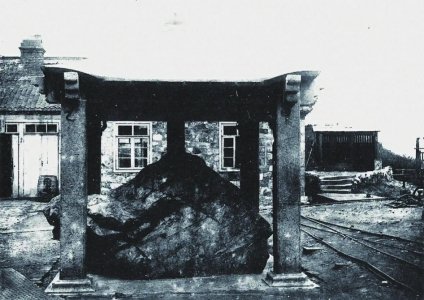
Core Viewpoint - The release of the book "Compilation of Tang Honglu Well Stele Archives" serves as a comprehensive academic resource documenting the history and significance of the Tang Honglu Well Stele, which is considered a vital cultural and historical artifact for China, emphasizing the importance of its return from Japan [5][6][15]. Summary by Sections Historical Significance - The Tang Honglu Well Stele is a crucial historical artifact that embodies China's national unity, ethnic solidarity, and territorial integrity, marking the incorporation of the Bohai Kingdom into the Tang Dynasty [6][7]. - The stele, weighing approximately 9.5 tons and measuring 3 meters wide, 1.7 to 1.8 meters high, and 2 to 2.5 meters thick, commemorates a significant diplomatic event in 714 AD [7]. Cultural and Political Context - The stele is regarded as China's "number one lost national treasure," with its inscriptions reflecting the historical narrative of the region's integration into the Chinese state [6][11]. - The historical context surrounding the stele's removal by Japanese forces during the Russo-Japanese War is highlighted, emphasizing the illegitimacy of its acquisition [8][9]. Research and Advocacy Efforts - Over the past century, there has been continuous research and advocacy for the return of the Tang Honglu Well Stele, with various scholars and organizations contributing to the efforts [10][11]. - The establishment of research groups and initiatives, such as the Tang Honglu Well Stele Research Association, has facilitated ongoing studies and public awareness regarding the artifact [12][13]. Recent Developments - The publication of the "Compilation" aims to provide a complete evidence chain regarding the illegal acquisition of the stele, supporting China's claims for its return based on international conventions and ethical principles [15]. - The international community's growing awareness and support for the return of cultural artifacts, particularly those with colonial backgrounds, is noted as a positive trend [16][17].

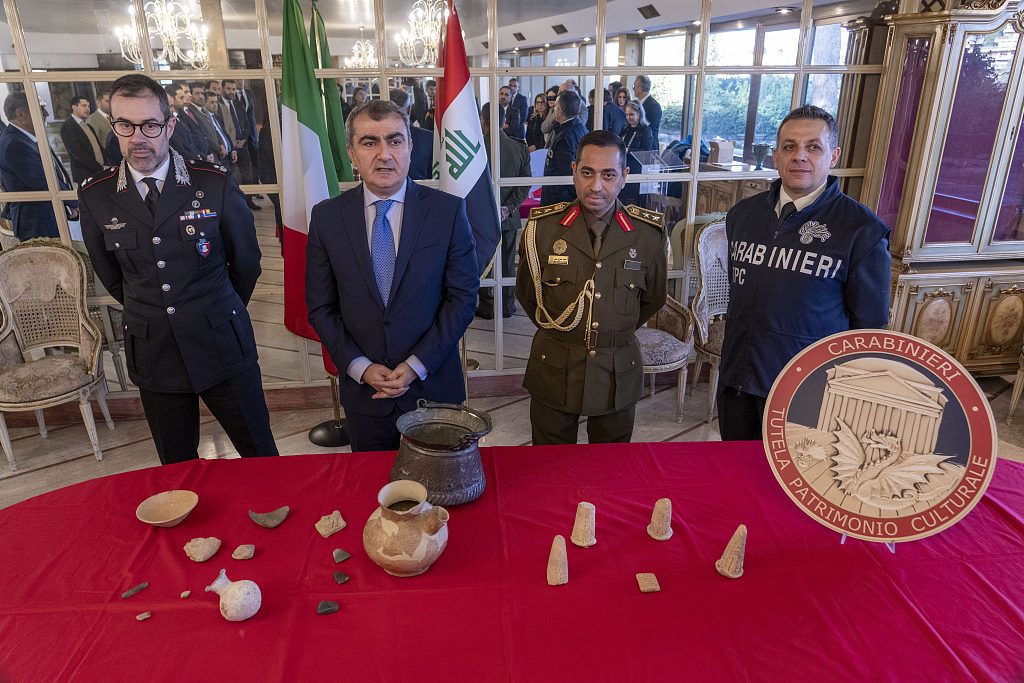
【环时深度】听各国人士讲述被掠夺文物的回家故事
Huan Qiu Shi Bao· 2025-06-12 22:28
Core Points - The article discusses the ongoing efforts by various countries, including Egypt and Nigeria, to reclaim cultural artifacts that were looted during colonial times, highlighting the importance of these artifacts in preserving national identity and history [1][10]. Group 1: Japan's Efforts in Repatriation - A Japanese civil organization, the "China Cultural Relics Return Movement Promotion Association," is actively urging the Japanese government to return Chinese artifacts looted during historical conflicts, emphasizing the need for accountability regarding Japan's imperialist past [2][5]. - The association has documented 15,245 rare Chinese artifacts that flowed into Japan from 1895 to 1945, with estimates suggesting that over 3.6 million items were looted during this period [4][6]. - The organization has faced challenges in negotiations with Japanese institutions, receiving repeated refusals for meetings and responses regarding their requests for artifact repatriation [5][6]. Group 2: Egypt's Repatriation Successes - Egypt has successfully reclaimed over 30,000 artifacts since 2014, with recent recoveries including 25 significant items after negotiations with the United States [8][9]. - The process of repatriation involves collaboration with international authorities and legal frameworks, such as the UNESCO 1970 Convention, to facilitate the return of illegally exported cultural property [11]. - Egypt plans to establish a comprehensive database of artifacts and utilize advanced technologies like blockchain to track the provenance of cultural items [9]. Group 3: Nigeria's Cultural Heritage Recovery - Nigeria has been actively pursuing the return of looted artifacts, particularly from the Benin Kingdom, with recent successes in negotiations with Western countries [10][11]. - The Nigerian government collaborates with various agencies to create memorandums of understanding for the repatriation of cultural property, emphasizing the need for compensation for historical injustices [11]. - Civil organizations like "Open Restitution Africa" are playing a crucial role in documenting and advocating for the return of African artifacts, reshaping the narrative around cultural heritage [11].