新兴服务业

Search documents
多部门陆续出台系列增量政策 提振民间投资信心
Zhong Guo Zheng Quan Bao· 2026-02-27 23:35
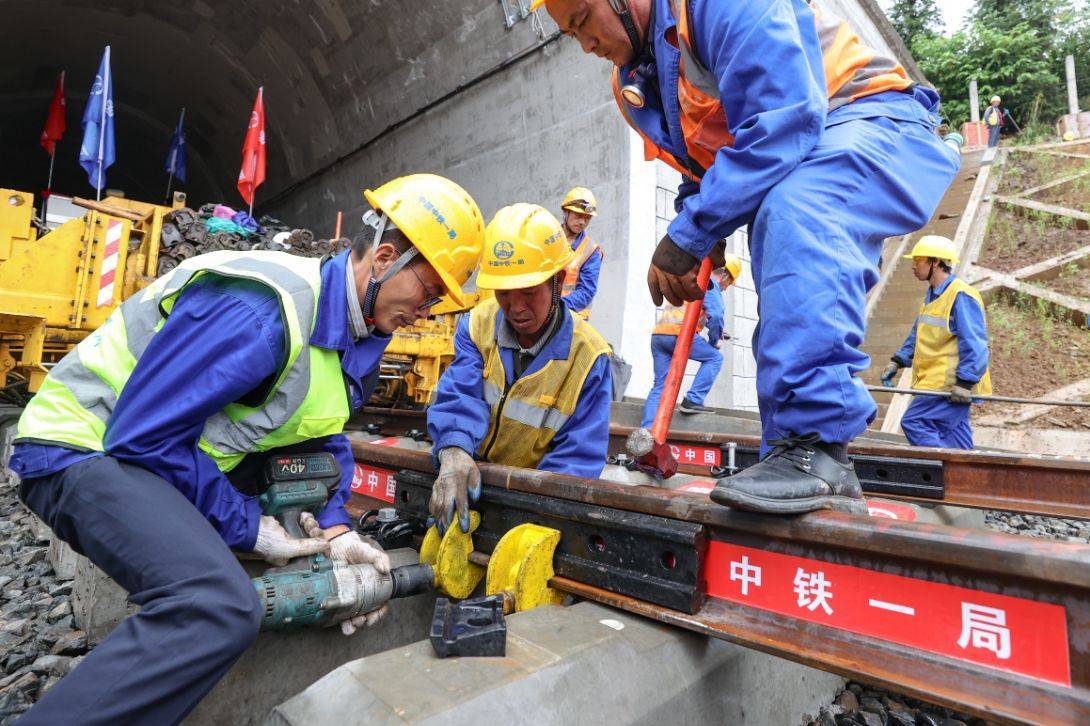
Core Viewpoint - Recent policies aimed at stimulating private investment and supporting private enterprises are being implemented effectively, with various local governments facilitating private capital participation in major projects and infrastructure REITs [1][2]. Group 1: Policy Implementation - Multiple departments have introduced a series of incremental policies to support private enterprises and stimulate private investment, focusing on reducing costs for production expansion and technological upgrades [2]. - The People's Bank of China has established a private enterprise re-loan program with a quota of 1 trillion yuan, with initial loans already disbursed in regions like Beijing, Anhui, and Zhejiang [2]. - A special guarantee plan for private investment has been launched with a total quota of 500 billion yuan over two years, aimed at reducing financing costs for enterprises [2]. Group 2: Project Participation - Major projects are being opened to private capital, with recent announcements for private investment in high-voltage direct current projects in Sichuan and Gansu, with total investments of approximately 311 billion yuan and 246 billion yuan, respectively [4]. - The government has set clear guidelines to encourage private capital participation in various sectors, including railways and nuclear power, with some projects allowing up to 20% private ownership [4]. Group 3: Financial Support Measures - Additional policies have been introduced to address the investment challenges faced by private enterprises, including interest subsidies for loans to small and micro enterprises and mechanisms for risk sharing on private enterprise bonds [3]. - Local governments are implementing substantial measures to enhance market access, financial support, and resource guarantees for private enterprises, including promoting participation in airport construction and advanced manufacturing sectors [7]. Group 4: Future Development Environment - Experts suggest creating a more open and transparent mechanism for private capital participation in projects, ensuring that private investors have clear opportunities from the planning stages [5]. - There is a call for a stable and predictable institutional environment to encourage private investment, particularly in strategic emerging sectors and innovative industries [8].
服务业优质高效发展
Jing Ji Ri Bao· 2026-01-19 22:21
Group 1 - The service industry in China experienced rapid growth in 2025, with a notable contribution to national economic growth, achieving a value-added of 808,879 billion yuan, a 5.4% increase from the previous year [1] - The contribution rate of the service industry to national economic growth reached 61.4%, an increase of 3.7 percentage points year-on-year, and it contributed 3.0 percentage points to GDP growth, up by 0.1 percentage points [1] - The proportion of service industry value-added in GDP rose to 57.7%, an increase of 0.9 percentage points from the previous year [1] Group 2 - Service consumption expanded steadily, with service retail sales increasing by 5.5%, outpacing the growth rate of goods retail sales by 1.7 percentage points [2] - Modern service industries such as information technology, business services, and finance showed robust growth, with value-added in information transmission, software, and IT services growing by 11.1% and business services by 10.3% [2] - Strategic emerging service industries and high-tech service industries saw revenue growth of 9.9% and 8.6% respectively from January to November 2025 [2] Group 3 - The overall business activity index for the service industry averaged 50.1% in 2025, indicating continued expansion, with certain sectors like postal, telecommunications, and financial services maintaining indices above 55.0% [3]
国务院印发!深圳民间资本可以参与投资这些项目了!
Sou Hu Cai Jing· 2025-11-12 14:39
Core Viewpoint - The State Council has issued measures to further promote private investment, aiming to expand investment opportunities in new productive forces, emerging service industries, and new infrastructure projects. Group 1: Encouragement of Private Capital Participation - Private capital is encouraged to participate in key projects that require national approval, particularly in sectors like railways, nuclear power, and water supply [1][4]. - Support is provided for private capital to engage in the construction and operation of smaller urban infrastructure projects that have profit potential [3][4]. - Private capital is guided to invest more in productive service sectors, including industrial design, common technology services, inspection and testing, quality certification, and digital transformation [5][6]. Group 2: Regulatory Framework and Mechanisms - A new mechanism for public-private partnerships (PPP) is to be implemented, with a revised list of projects that support private enterprise participation [5][6]. - The government will ensure that bidding processes do not impose unreasonable restrictions on private enterprises, such as mandatory membership in associations or excessive historical performance requirements [5][6]. - The government will increase procurement support for small and medium-sized enterprises (SMEs), reserving at least 40% of the budget for eligible projects exceeding 4 million yuan for SME procurement [5][6]. Group 3: Infrastructure and Technological Development - There will be a focus on enhancing the regulatory oversight of network-based infrastructure operations to protect the rights of private enterprises in areas like electricity and oil and gas pipeline usage [6][7]. - Private enterprises are encouraged to build significant pilot platforms in key industries, with support from state-owned enterprises and research institutions [6][7]. - The government aims to support the digital transformation of private enterprises by fostering the development of comprehensive digital empowerment platforms [6][7]. Group 4: Financial Support and Investment - The central government will increase budgetary support for eligible private investment projects, utilizing new policy financial tools to bolster capital [6][7]. - Financial institutions are encouraged to set annual service goals for private enterprises, ensuring that credit resources are accurately allocated to meet their needs [7][8]. - The government will facilitate the issuance of real estate investment trusts (REITs) for qualifying private investment projects in infrastructure [8].
干货满满,促进民间投资13条解读来了
21世纪经济报道· 2025-11-11 02:02
Core Viewpoint - The article discusses the release of the "Several Measures to Further Promote the Development of Private Investment," which includes 13 key support measures aimed at expanding market access, promoting fair competition, strengthening resource support, and optimizing investment and financing services for private enterprises [1][5]. Group 1: Expansion of Market Access - The measures aim to broaden the investment scope for private capital, including support for private enterprises to invest in major projects such as railways and nuclear power, as well as new urban infrastructure projects and emerging sectors like low-altitude economy and commercial aerospace [5][6]. - Special feasibility studies are required for private capital participation in projects needing national approval, ensuring that private investment can be effectively integrated into traditionally state-dominated sectors [6][7]. Group 2: Removal of Hidden Barriers - The measures focus on eliminating unreasonable entry restrictions for service industry operators and prohibiting the imposition of additional conditions on private enterprises in bidding processes [8][9]. - There is a commitment to protect the legal rights of private enterprises in network infrastructure operations, ensuring fair competition and reducing transaction costs for private firms [8][9]. Group 3: Increased Policy Support - A series of initiatives are outlined to support private enterprises, including leading national major technology research tasks, increasing government procurement support for small and medium-sized enterprises (SMEs), and facilitating the construction of major pilot platforms [11][12]. - The measures specify that for engineering procurement projects exceeding 4 million yuan, at least 40% of the budget should be reserved for SMEs, with encouragement for local governments to increase this proportion [12][13]. - The government plans to allocate 500 billion yuan in new policy financial tools to support important industry projects, with a significant portion directed towards private investment [13].


扩范围、清障碍,促进民间投资13条来了
2 1 Shi Ji Jing Ji Bao Dao· 2025-11-10 23:16
Core Points - The State Council released a document titled "Several Measures to Further Promote the Development of Private Investment," which includes 13 key support measures aimed at expanding market access, promoting fair competition, strengthening resource support, and optimizing investment and financing services for private enterprises [1][2] Group 1: Expansion of Market Access - The measures support private enterprises' participation in major projects such as railways and nuclear power, as well as new urban infrastructure projects and emerging sectors like low-altitude economy and commercial aerospace [2][3] - For projects requiring national approval, a feasibility study on private capital participation is mandated, allowing private capital to hold more than 10% in eligible projects [3] Group 2: Removal of Hidden Barriers - The measures aim to eliminate unreasonable entry restrictions in service industries and prohibit unfair conditions in bidding processes for private enterprises [4][5] - It emphasizes the need for regulatory oversight to protect the legal rights of private enterprises in network infrastructure operations [5] Group 3: Increased Policy Support - A series of initiatives are outlined to support private enterprises, including leading national technology projects, enhancing government procurement for small and medium-sized enterprises (SMEs), and establishing digital empowerment platforms [6][7] - The measures specify that for engineering procurement projects over 4 million yuan, at least 40% of the budget should be reserved for SMEs, with encouragement for local governments to increase this share [8] Group 4: Financial Support - The government plans to allocate 500 billion yuan in new policy financial tools focusing on technology innovation, consumption upgrades, and foreign trade stability, with a portion directed towards private investment projects [8]
干货满满!扩范围、清障碍,促进民间投资13条来了
2 1 Shi Ji Jing Ji Bao Dao· 2025-11-10 13:28
Core Points - The State Council has released measures to promote private investment, focusing on expanding market access, ensuring fair competition, and enhancing resource support for private enterprises [1][3] Group 1: Expansion of Market Access - The measures support private capital investment in key sectors such as railways, nuclear power, and urban infrastructure projects [3][4] - Private capital is encouraged to participate in low-altitude economy, commercial aerospace, and satellite communication sectors [3] - For projects requiring national approval, feasibility studies for private capital participation must be conducted [4][5] Group 2: Removal of Hidden Barriers - The measures aim to eliminate unreasonable entry restrictions in service industries and ensure fair competition for private enterprises [6][7] - It prohibits setting additional conditions for private enterprises in bidding processes and ensures their rights in network infrastructure operations [6][7] Group 3: Increased Policy Support - A series of initiatives are outlined to support private enterprises, including government procurement policies favoring small and medium-sized enterprises (SMEs) [8][9] - The measures specify that over 40% of budgets for engineering procurement projects suitable for SMEs must be reserved for them [10] - New policy financial tools will be utilized to support important private investment projects, with a focus on technology innovation and traditional infrastructure [10]

一财社论:以“新”引领,助力扩大民间有效投资
Di Yi Cai Jing· 2025-09-29 14:04
Core Viewpoint - The Chinese government emphasizes the importance of private investment as a key indicator of economic activity and stability, particularly in the context of the 14th Five-Year Plan, aiming to enhance effective investment and support private enterprises in seizing opportunities in emerging technologies and industries [1][2]. Group 1: Government Initiatives - The National Development and Reform Commission (NDRC) is actively seeking to expand private investment by addressing the challenges of project identification and funding access, referred to as the "two helps" [2][3]. - Recent meetings have highlighted the need for policies that facilitate private sector participation in key national projects, with a focus on new industries and innovative business models [1][2]. - The introduction of a negative list for market access allows private enterprises to enter sectors not listed, thereby promoting greater participation in strategic projects [3]. Group 2: Policy Implementation - The government has been lowering entry barriers for private capital in critical sectors, such as increasing the allowable share of private investment in nuclear power projects from 10% to 20% [3]. - Collaborative efforts among various policies, including industrial, investment, fiscal, and financial measures, are being strengthened to invigorate private investment [3][4]. - A mechanism has been established to share key private investment project lists with banks and insurance institutions, aiming to enhance financing support for private enterprises [3]. Group 3: Future Outlook - The ongoing implementation of supportive measures is expected to provide easier access to financing for private capital, potentially reducing costs and increasing investment activity [4]. - The government is committed to continuously refining policies to better support private investment, with a focus on new opportunities and the "two helps" framework [4][5].
5000亿新型政策性金融工具落地,重点聚焦AI及低空经济等领域
Di Yi Cai Jing· 2025-09-29 13:07
Core Insights - The new policy financial tools are expected to tilt towards private enterprises, aiming to address current investment challenges and promote high-quality economic development [1][6][8] - The scale of the new policy financial tools is set at 500 billion yuan, intended to supplement project capital [1][3] - The implementation of these tools could potentially leverage an investment of approximately 6 trillion yuan, significantly impacting infrastructure investment growth [3][5] Investment Trends - Fixed asset investment in China from January to August reached 32.6111 trillion yuan, with a year-on-year growth of 0.5%, indicating a slowdown in investment growth [2] - Manufacturing investment grew by 5.1%, while infrastructure investment (excluding certain utilities) saw a growth of only 2.0% [2] - The introduction of the new policy financial tools is anticipated to enhance infrastructure investment growth by 3-4 percentage points annually over the next three years [3] Focus Areas for Investment - The new policy financial tools will primarily target sectors such as digital economy, artificial intelligence, low-altitude economy, consumer infrastructure, green and low-carbon transition, agriculture, transportation, and municipal and industrial parks [4][5] - Local governments are actively organizing training and project application meetings to align projects with the new funding opportunities [4] Support for Private Enterprises - The new financial tools are expected to allocate 100 billion yuan specifically to support private enterprises, reflecting the government's commitment to bolster the private economy [6][8] - Measures to promote private investment are set to be announced, focusing on expanding access, addressing bottlenecks, and enhancing support for private capital in emerging sectors [6][7] Policy Coordination - The government plans to implement practical measures to enhance coordination among industrial, investment, fiscal, and financial policies to stimulate private investment [8][9] - The emphasis will be on addressing deep-rooted issues affecting the business environment that have led to a decline in private investment [9]
前8月浙江进出口规模创新高
Guo Ji Jin Rong Bao· 2025-09-23 06:20
Trade and Export - Zhejiang's total import and export value reached 3.68 trillion yuan from January to August, a year-on-year increase of 5.5% [1] - Exports amounted to 2.79 trillion yuan, growing by 7.7%, while imports were 0.89 trillion yuan, a decrease of 0.8% [1] - The province's import and export growth rates exceeded the national averages by 2.0, 0.8, and 0.4 percentage points respectively [1] - Mechanical and electrical products exports increased by 9.0% to 1.31 trillion yuan, accounting for 46.7% of total exports [1] - Private enterprises contributed over 90% to export growth, with their total import and export value at 3.02 trillion yuan, a 7.1% increase [1] Investment - Fixed asset investment decreased by 3.9% from January to August, but investment excluding real estate development grew by 6.7% [1] - Manufacturing investment rose by 9.5%, while infrastructure investment increased by 6.4% [1] - Investment in livelihood sectors such as ecological protection, transportation, energy, and water conservancy grew by 6.5% [1] - Equipment and tool purchases saw a significant increase of 10.3% due to large-scale equipment renewal policies [1] Consumer Market - The total retail sales of consumer goods in August reached 308.6 billion yuan, with a year-on-year growth of 4.9% [2] - Online retail sales surged by 15.9%, indicating strong growth in e-commerce [2] - Retail sales of quality-of-life products, including wearable devices and home appliances, saw substantial increases, with some categories growing by over 100% [2] - From January to August, total retail sales amounted to 2.51 trillion yuan, a growth of 5.1% [2] Industrial Growth - The industrial added value of Zhejiang's large-scale industries grew by 4.6% in August, with 22 out of 37 major industrial sectors reporting positive growth [2] - Key sectors such as automotive, instrumentation, and petroleum processing saw significant increases in added value, contributing to overall industrial growth [2] - The added value of high-tech manufacturing and strategic emerging industries also showed robust growth, with increases of 9.4% and 6.7% respectively [2] Service Sector - From January to July, the revenue of large-scale service enterprises reached 2.04 trillion yuan, a year-on-year increase of 8.4% [3] - The information transmission, software, and IT services sectors experienced a revenue growth of 12.8% [3] - Emerging service industries, including digital economy core services and high-tech services, reported revenue growth rates of 13.2% and 11.3% respectively [3]
政策信号持续释放 多举措促进民间投资发展
Sou Hu Cai Jing· 2025-09-19 09:36
Core Viewpoint - Recent policy signals from the National Development and Reform Commission and the State Council emphasize the importance of promoting private investment for sustainable economic development, enhancing investment quality and efficiency, and injecting new vitality into the market [1][3]. Group 1: Policy Initiatives - The State Council meeting, chaired by Premier Li Qiang, highlighted the need to stimulate private investment and expand its scope, particularly in new productive forces, emerging services, and new infrastructure [3]. - The National Development and Reform Commission plans to introduce policies to facilitate private investment, including setting minimum shareholding ratios for private capital in major projects in sectors like railways, nuclear power, and oil and gas pipelines [3][4]. - The use of Real Estate Investment Trusts (REITs) is encouraged to transform "heavy assets" into "light securities," allowing private capital to invest in infrastructure projects with lower initial costs and improved exit efficiency [4]. Group 2: Investment Trends - Data from the National Bureau of Statistics indicates that private investment decreased by 2.3% year-on-year from January to August, but when excluding real estate development, it grew by 3.0% [5]. - Manufacturing sector private investment increased by 4.2% year-on-year during the same period, surpassing the overall private investment growth rate [6]. - In 31 manufacturing sectors, 16 experienced double-digit growth in private investment, with notable increases in automotive manufacturing (22.6%) and transportation equipment (16.2%) [7]. Group 3: Future Outlook - Despite current pressures on private investment due to complex domestic and international environments, the long-term outlook for economic development in China remains positive, providing support for private investment growth [7]. - The introduction of private capital is expected to broaden funding sources, alleviate fiscal burdens, and enhance the market-oriented operation of major projects, fostering technological and management innovations [7]. - The key to realizing policy benefits lies in effectively implementing and refining these policies to ensure private capital can transition from being merely visible to being tangible and profitable [7].