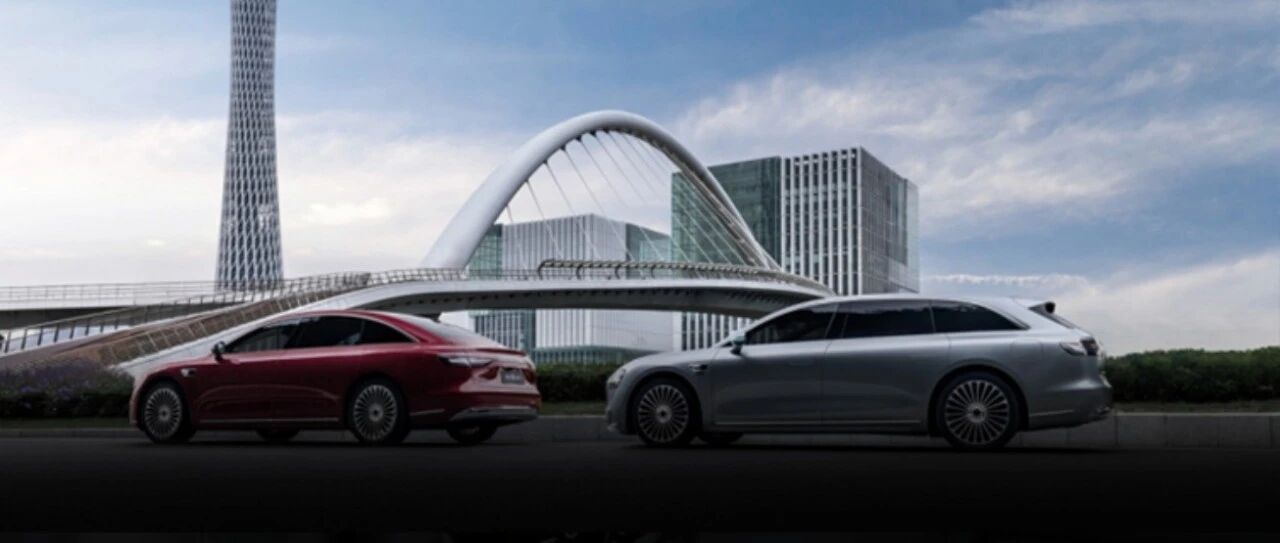
新豪华标准

Search documents
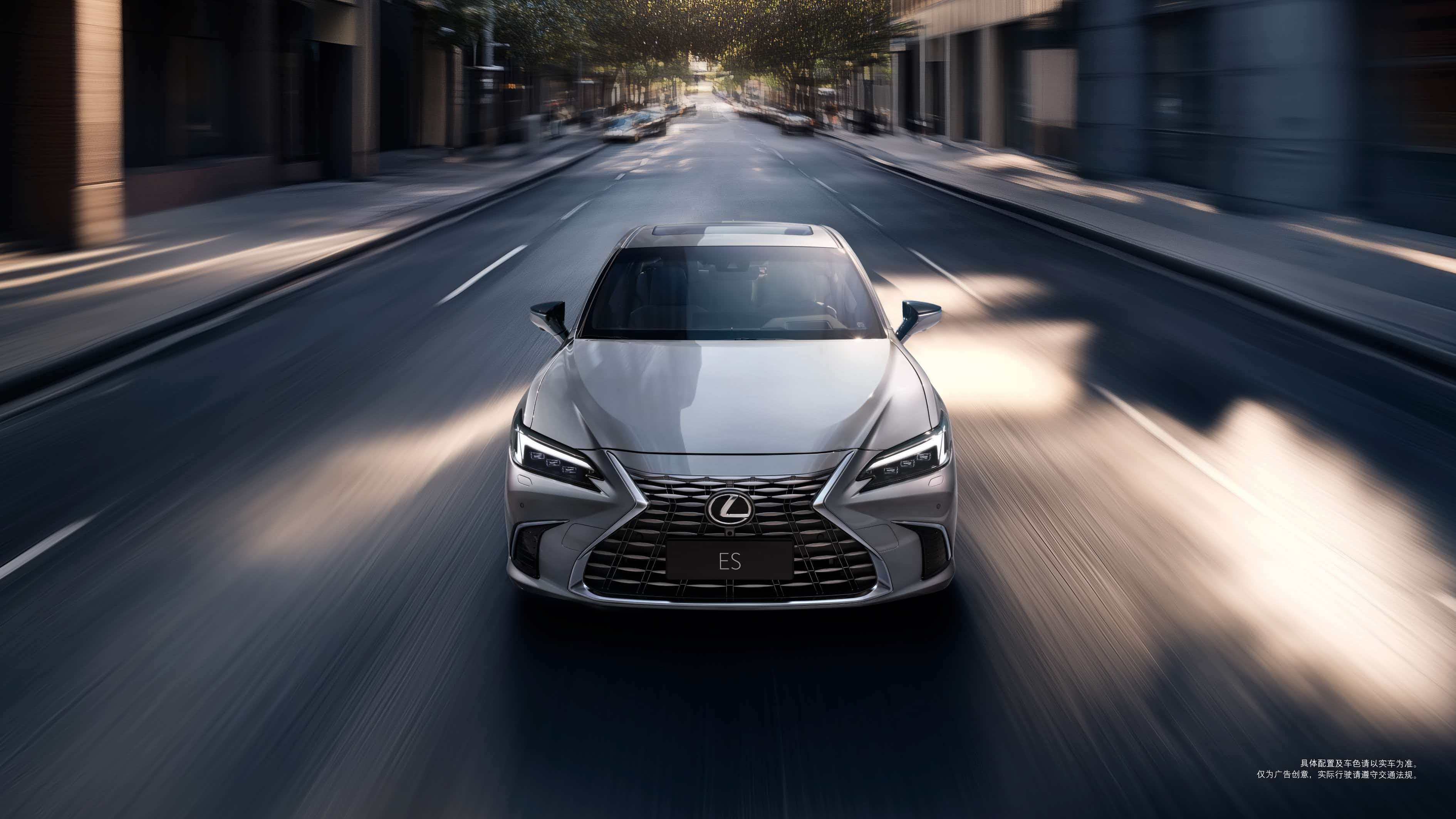
逆势上行:雷克萨斯何以成为豪华车市“唯一”的例外?
Jing Ji Guan Cha Wang· 2026-01-22 04:01
Core Insights - The luxury car market in China is facing significant challenges, with a projected decline in sales of imported vehicles by 15.8% in 2025, marking four consecutive years of negative growth [1] - Lexus stands out as the only luxury brand to achieve continuous positive growth in this challenging environment, maintaining its pricing strategy while others engage in aggressive discounting [1][2] Market Overview - The overall imported car market in China is expected to sell 543,000 units in 2025, reflecting a substantial contraction [1] - The luxury segment is experiencing a price war, with many brands resorting to promotions to attract customers [1] Lexus's Unique Position - Lexus has been able to maintain its growth through a focus on "value certainty" and product stability, rather than aggressive pricing strategies [2] - The Lexus ES model has achieved cumulative sales of over 1.1 million units in China, positioning it as a significant player in the luxury mid-to-large sedan market [5] Product Strategy - The ES model's success is attributed to its precise market positioning, offering a unique value proposition that fills a price gap between traditional mid-size and large luxury sedans [5] - Lexus emphasizes "Eastern luxury" aesthetics, appealing to consumers seeking understated luxury and comfort [5] Quality and Reliability - Lexus has been recognized for its reliability, winning the J.D. Power awards for vehicle reliability and new car quality in 2025 [6] - The brand's hybrid strategy, offering both gasoline and hybrid options, caters to diverse consumer needs and positions Lexus as a pioneer in luxury hybrid technology [6] Broader Model Performance - Other Lexus models, including NX, RX, LX, and GX, are also performing well in their respective segments, contributing to the brand's overall growth [10] - Lexus maintains a commitment to providing the best products and services, avoiding participation in price wars and focusing on customer experience [10] New Luxury Standards - The luxury automotive market is undergoing a transformation, moving away from traditional metrics of luxury towards a user-centered, digital, and electrified approach [11] - Lexus is innovating in service and marketing to create deeper emotional connections with customers, exemplified by its "Omotenashi" service philosophy [11][12] Emotional Engagement - Lexus's approach to customer service includes personalized gestures that foster emotional bonds, enhancing brand loyalty [12] - The brand's marketing strategies target younger consumers by using relatable language and engaging experiences, moving away from traditional luxury marketing [12] Strategic Framework - Lexus's strategy combines product reliability, exceptional service, and innovative marketing to build a loyal customer base [13] - The brand is also focusing on electric vehicle transition as a strategic investment for future competitiveness in the evolving automotive landscape [13] Conclusion - Lexus's ability to maintain positive growth amidst market challenges demonstrates the effectiveness of adhering to core values and prioritizing long-term customer interests [14] - The brand's unique approach offers insights into sustainable existence for luxury brands in an uncertain market [14]

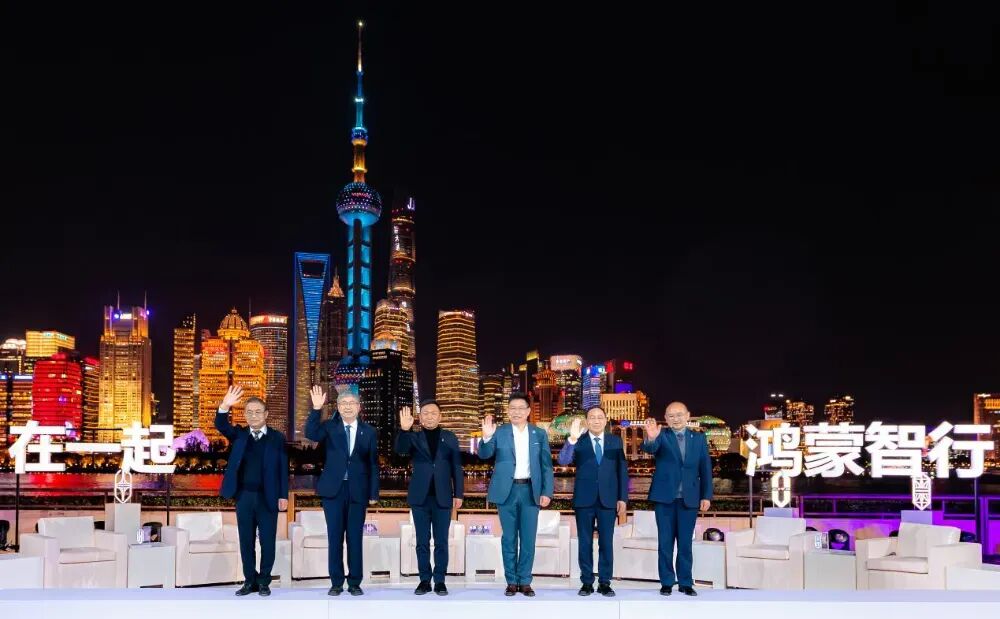
“在一起”的力量:从零到百万交付,鸿蒙智行如何打造中国新豪华
Xin Jing Bao· 2025-12-24 13:42
Core Insights - In 2025, Hongmeng Zhixing achieved significant milestones, including a monthly delivery exceeding 80,000 vehicles and surpassing one million cumulative deliveries in 43 months, entering the "million club" [1] - The high-end market saw the AITO M9 consistently ranking as the top seller in the 500,000 yuan and above category, while the AITO S800 led luxury sedan sales above 700,000 yuan for three consecutive months [1] - The "Five Realms" product matrix has been fully established, marking a systematic breakthrough in the industry [1] Group 1: Industry Collaboration and Strategy - During a live broadcast, leaders from various automotive companies, including Seres, BAIC, Chery, JAC, and SAIC, discussed the future of the industry alongside Huawei's executive Yu Chengdong, emphasizing collaborative growth [1][3] - The phrase "Hongmeng Zhixing, together" was highlighted, indicating a collective effort to enhance high-end experiences and drive the upgrade of China's smart electric vehicle industry [1][3] - The collaboration aims to create a standardized service system covering the entire user lifecycle, breaking brand boundaries for resource integration and experience closure [4] Group 2: Technological Innovation and Market Impact - Huawei's approach is characterized by a "full-process leading" model, integrating ICT technology and high-end consumer brand capabilities into its partners, which is not merely about technology licensing [3] - The AITO S9, initially underestimated, became a market success due to its unique features tailored for travel, achieving monthly sales equivalent to a year's total for other travel vehicles [3] - The AITO S800's innovative "6-in-1" platform enhances vehicle safety and comfort through integrated systems, achieving significant market recognition with over 18,000 pre-orders in just 175 days [6] Group 3: Future Product Plans and Market Positioning - In 2026, Hongmeng Zhixing plans to launch multiple new models, including at least two from the Shangjie brand and a high-end MPV, aiming for another million deliveries [9] - The company is set to enter the "L3+" era, allowing users to relax in the vehicle with advanced driver assistance systems [9] - The unified service system built by the "Five Realms" is crucial for supporting the scale of one million vehicles, enhancing vehicle quality and user experience through standardized solutions [11] Group 4: Redefining Luxury and User Experience - Hongmeng Zhixing redefines luxury by focusing on a full-stack innovation experience, emphasizing technological breakthroughs that prioritize user experience [5] - The brand's commitment to high safety and quality standards is evident in its products, with the AITO M9's satellite communication system successfully rescuing stranded drivers in remote areas [7] - The evolving definition of luxury in the automotive sector is shifting towards smarter, safer, and more user-centric mobile living spaces, reflecting a systemic transformation in travel experiences [7][13]

豪华车「四分天下」格局初显,中国品牌凭何跻身核心阵营?
36氪· 2025-12-17 11:45
Core Viewpoint - The luxury car market in China is undergoing a transformation where traditional brand prestige is being replaced by a focus on intelligent experiences and user value, marking a shift from "symbolic consumption" to "meaningful consumption" [5][8][10]. Group 1: Market Dynamics - The luxury car market is now characterized by a competition driven by technological advancements, with traditional luxury brands struggling to keep up as consumers prioritize smart features over brand heritage [3][4][10]. - The sales performance of domestic brands, particularly the Xiangjie S9 and S9T, indicates a significant shift in consumer preferences, as these models topped the sales charts for mid-to-large electric vehicles priced above 300,000 yuan [4][15]. - The emergence of intelligent driving capabilities and advanced user experiences is redefining what constitutes "new luxury" in the automotive sector [18][20]. Group 2: Consumer Behavior - Consumers are increasingly unwilling to compromise on experience for brand prestige, leading to a reevaluation of luxury car value propositions [10][20]. - A significant portion of Xiangjie S9's user base consists of individuals transitioning from traditional luxury brands, highlighting a demand for enhanced experiences and emotional connections [20][33]. - The shift towards a lifestyle brand approach, where vehicles are seen as "life partners" rather than mere transportation, reflects changing consumer expectations [21][33]. Group 3: Competitive Strategy - Xiangjie has adopted a comprehensive strategy that emphasizes technological superiority, user experience, and emotional engagement, moving beyond mere product features [15][33]. - The establishment of a dedicated sales and service network, primarily composed of former dealers from traditional luxury brands, indicates a strategic shift in market positioning [25][26]. - The collaboration between Xiangjie and Huawei aims to leverage advanced technology and manufacturing expertise, enhancing the brand's competitive edge in the luxury segment [27][29][32]. Group 4: Future Outlook - The luxury car market is transitioning towards a model where competition is based on the entire ecosystem, including technology, user relationships, and service experiences [33][34]. - The successful market penetration of Xiangjie signifies a broader trend where Chinese brands are becoming key players in defining new luxury standards, moving from followers to leaders in the automotive industry [33].