鸿蒙智行

Search documents
【新能源周报】新能源汽车行业信息周报(2026年3月23日-3月29日)
乘联分会· 2026-03-31 08:21
Industry Information - Chinese automakers have achieved the highest global sales, surpassing Japan for the first time in 25 years, with total sales nearing 27 million units, a year-on-year increase of approximately 10% [9] - The Ministry of Industry and Information Technology is conducting research on the recycling and utilization system for used power batteries from new energy vehicles [9] - Wuxi Runbei Technology has invested 560 million yuan in a new energy vehicle parts project, expected to generate annual revenue of 500 million yuan upon reaching full production [11] - The export of finished vehicles through the Horgos port has seen a historical high, with a year-on-year increase of 13.9% in the first two months of the year [12] - CATL has established a new technology company in Nanning with a registered capital of 10 million yuan [13] - The price of lithium carbonate has continued to rise, with battery-grade lithium carbonate increasing by 7.1% month-on-month [13] - Chongqing Jiangjin has signed multiple hydrogen energy and new energy vehicle parts projects, including a 1 billion yuan investment in a hydrogen fuel cell production base [13] - Huawei's HarmonyOS is expected to have over 2,459 sales outlets and 1,459 service outlets by the end of the year [12] Policy Information - The Guangdong province is planning to build 810 charging piles in public institution parking lots, with a total investment of approximately 720 million yuan [24] - The Inner Mongolia Tongliao development plan emphasizes the construction of parking spaces and charging piles to enhance urban mobility [25] - The Tianjin Municipal Development and Reform Commission has issued a plan to increase the service capacity of electric vehicle charging facilities, aiming to build over 500,000 charging facilities by the end of 2027 [28] Company Information - Xiaomi's automotive business revenue has exceeded 1 billion yuan for the first time in 2025, marking a year-on-year growth of 223.8% [36] - Li Auto has announced a stock repurchase plan of up to 1 billion USD, reflecting confidence in its strategic roadmap [37] - BYD is accelerating its entry into the Canadian market, planning to open about 20 stores in its first year [36] - XPeng Motors has established a Robotaxi division, planning to launch passenger demonstration operations in the second half of the year [33] - A new battery platform has been launched by Huawei, focusing on enhancing safety and efficiency in new energy vehicles [17]






中国新四大豪华势力出炉
汽车商业评论· 2026-03-25 23:07
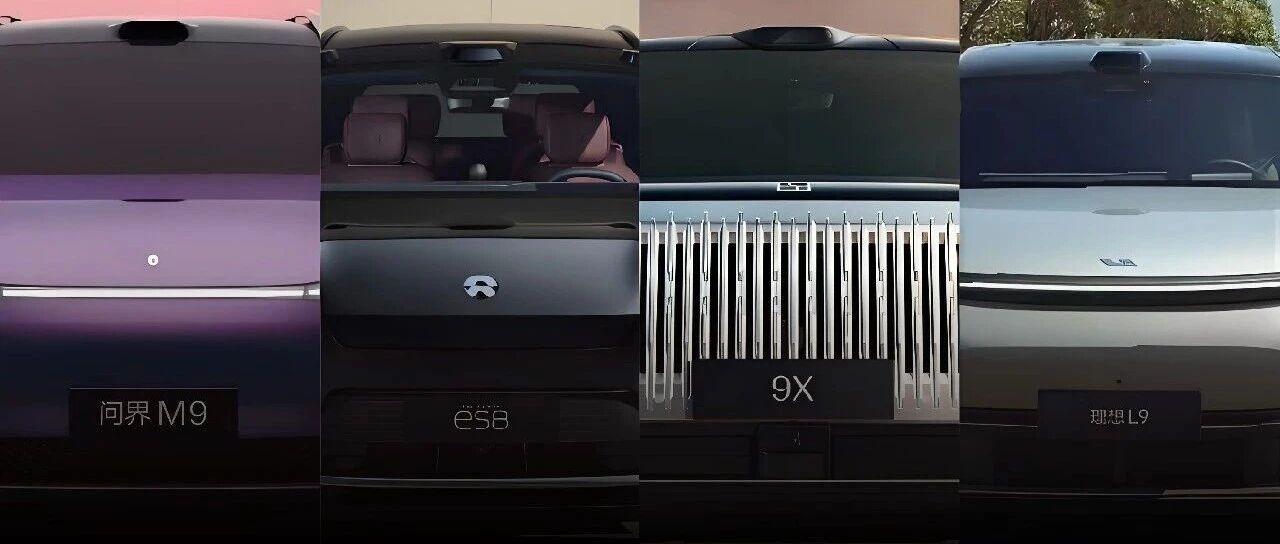
Core Viewpoint - The article discusses the emergence of a new luxury automotive segment in China, represented by companies like Huawei, NIO, Li Auto, and Zeekr, which are challenging traditional luxury brands such as BMW, Mercedes-Benz, Audi, and Porsche in the electric vehicle market [3][5][12]. Traditional Luxury Brands - In 2025, traditional luxury brands in China are projected to have the following sales: BMW 62.55 million units (down 12.5%), Mercedes-Benz 57.5 million units (down 19%), Audi 61.75 million units (down 5%), and Porsche 4.19 million units (down 26.3%) [4][5]. - The total sales for these brands will be approximately 185.99 million units, a decrease of about 260,000 units compared to 2024, returning to levels seen in 2017 [5]. New Luxury Brands - The new luxury brands, including Huawei's HarmonyOS, Li Auto, NIO, and Zeekr, are expected to achieve total sales of 154.55 million units in 2025, with NIO at 32.6 million units (up 46.9%), Li Auto at 40.63 million units (down 18.8%), and Zeekr at 22.41 million units (up 0.9%) [5][12]. - The new luxury segment is gaining traction, with Huawei's HarmonyOS leading the way with 58.91 million units sold [4][5]. Price Wars - In early 2026, traditional luxury brands initiated a price war, with BMW reducing prices on 31 models by over 10%, including a significant drop of 30.1 million yuan for its flagship model [7][9]. - Mercedes-Benz and Audi followed suit with substantial discounts on various models, indicating a shift in pricing strategies due to sales pressures [9][10]. Changing Consumer Preferences - The average age of luxury car consumers in China is significantly lower at 35 years, with 62% of luxury car purchases made by individuals under 35, who prioritize technology and experience over brand heritage [15][16]. - Young consumers are redefining luxury, focusing on smart features, comfort, and performance rather than traditional brand prestige [16]. Competitive Landscape - Traditional luxury brands are adapting by collaborating with Chinese tech companies to enhance their smart vehicle offerings, indicating a shift in strategy to compete with new entrants [18][20]. - Despite the challenges posed by new luxury brands, traditional players still hold advantages in mechanical reliability and global supply chain management [20][22]. Financial Performance - New luxury brands are beginning to achieve profitability, with NIO and Zeekr reporting quarterly profits in late 2025, while Li Auto faced a loss during its transition to pure electric vehicles [20][22]. - The financial sustainability of new luxury brands remains a concern, as they navigate the challenges of a rapidly evolving market [22].



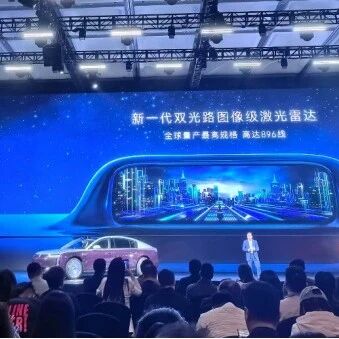
AWE盛宴启幕,鸿蒙智行技术赋能智慧出行新图景
第一财经· 2026-03-18 08:51
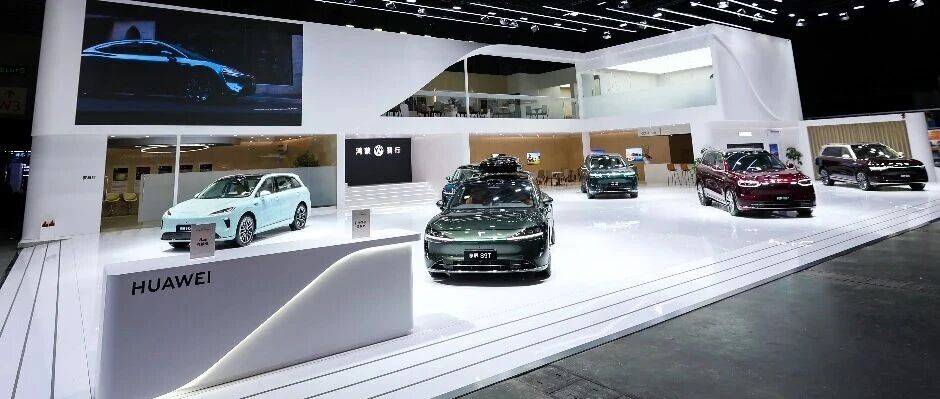
Core Viewpoint - The article highlights Huawei's full-scenario strategy showcased at the 2026 AWE exhibition, emphasizing the launch of the HarmonyOS Intelligent Driving (鸿蒙智行) and its five vehicle models, which have become the focal point of the event [1][5][17]. Group 1: Technological Advancements - Huawei's HarmonyOS Intelligent Driving demonstrates its comprehensive technological capabilities through hardware upgrades like laser radar and software iterations in the ADS system, solidifying its leadership in the smart mobility sector [3][6]. - The ADS system has undergone significant enhancements, achieving a 30% reduction in system latency and a 50% decrease in heavy braking rates, improving traffic efficiency by 20% [7]. - The new 896-line laser radar, which is four times the resolution of mainstream 192-line radars, enhances obstacle detection capabilities, allowing for stable identification of low-lying obstacles from 120 meters away [9]. Group 2: User Experience and Interaction - The immersive and interactive experience at the Huawei exhibition allows attendees to tangibly feel the technological advancements of HarmonyOS Intelligent Driving, moving beyond mere product displays [6][10]. - The intelligent cockpit, built on the HarmonyOS, enables seamless integration with Huawei's smart devices, enhancing user experience through natural language interaction and proactive service [10]. Group 3: Ecosystem Integration - HarmonyOS Intelligent Driving serves as a pivotal component in Huawei's full-scenario ecosystem, breaking down barriers between vehicles and home environments, thus transforming cars into extensions of smart living [12][14]. - The integration with over 3200 brands and 400 product categories within the HarmonyOS ecosystem allows for a cohesive smart experience, positioning HarmonyOS Intelligent Driving as a central hub in the smart mobility landscape [14][15]. - The article emphasizes that the competition in the smart automotive industry is shifting from isolated functionalities to a comprehensive ecosystem approach, with HarmonyOS Intelligent Driving leading this transformation [14][16]. Group 4: Future Directions - Huawei aims to continue leveraging its full-stack technology to drive breakthroughs in smart driving and cockpit technologies while deepening integration with the Harmony ecosystem [16][17]. - The article concludes that the future of smart mobility lies in the deep integration of travel and lifestyle, with HarmonyOS Intelligent Driving poised to lead this evolution [17].
从“人控设备”到“空间懂人”,华为鸿蒙智家解码智慧全生态时代的跃迁之路
财联社· 2026-03-16 14:27
Core Viewpoint - The article highlights Huawei's significant presence at the 2026 AWE, showcasing its HarmonyOS-based smart home solutions that integrate people, vehicles, and homes into a seamless smart living experience, reflecting the market's strong demand for such solutions [1][3]. Group 1: Market Demand and Challenges - The popularity of Huawei's exhibition indicates a high market interest in integrated smart living solutions, addressing the long-standing issue of fragmented ecosystems in the smart home industry [3]. - Huawei aims to overcome the challenge of weak scene collaboration in the smart home sector by leveraging its HarmonyOS to create a more cohesive user experience [3][4]. Group 2: Technological Advancements - Huawei's HarmonyOS enables a unified ecosystem where different devices and scenarios can interact seamlessly, enhancing user experience through consistent service delivery [4]. - The number of devices running HarmonyOS 5 and above has surpassed 47 million and continues to grow rapidly, indicating a shift from "usable" to "user-friendly" in the Harmony ecosystem [6]. Group 3: AI Integration and User Experience - Huawei's HarmonyOS integrates AI capabilities into daily life, exemplified by the launch of the upgraded Xiaoyi Butler 6.0, which enhances user interaction through deep semantic understanding and personalized scene creation [12][15]. - The AI-driven features allow for proactive service and precise execution of user commands, significantly improving the smart home experience [13][15]. Group 4: Ecosystem Development and Market Position - Huawei is fostering an open ecosystem through collaboration with industry partners, aiming to elevate the smart home experience and drive market growth [16][19]. - As of January to October 2025, Huawei's HarmonyOS smart home solutions achieved a market share of 38.9% in the domestic smart home sector, surpassing the combined share of the next nine competitors [19]. Group 5: Future Directions - Huawei plans to enhance its smart home offerings by focusing on high-end design and advanced user experiences, aligning with the growing consumer demand for aesthetically pleasing and emotionally resonant technology [20]. - The smart home industry is positioned as a key growth driver in China's appliance sector, with smart appliances accounting for 24% of the global market by 2021, and continuing to grow despite market pressures [22].
AWE专题:从生态协同到跨界融合
Huafu Securities· 2026-03-14 13:19
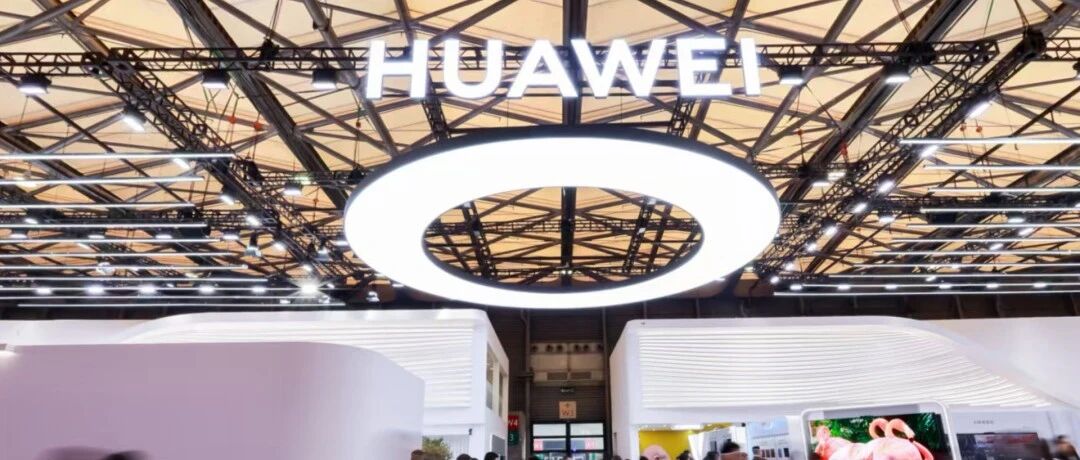
Investment Rating - The industry rating is "Outperform the Market" [5][55] Core Insights - The 2026 AWE highlights a significant shift in the consumer electronics and home appliance industry, moving from linear upgrades of individual product features to systemic competition centered around spatial experience and ecological collaboration [2][3][12] - The competition is evolving into an "experience competition" phase, where brands that can create cohesive aesthetic experiences and intelligent interactivity are likely to build new competitive advantages and achieve higher brand premiums [3][13] - Cross-industry integration is accelerating, with the boundaries between consumer electronics, automotive, robotics, and energy becoming increasingly blurred, leading to the formation of a unified ecosystem of "people-vehicles-home-devices-robots" [3][20][24] Summary by Sections 1. Market Data - The home appliance sector saw a weekly increase of 0.6%, with specific segments like white goods, black goods, small appliances, and kitchen appliances rising by 1.2%, 0.7%, 0.7%, and 2.0% respectively [4][11] - Raw material prices showed a mixed trend, with LME copper decreasing by 0.4% and LME aluminum increasing by 4.0% [4][11] 2. 2026 AWE Highlights - The AWE 2026 event marks a clear transition in the industry focus from product display to spatial expression, emphasizing the creation of immersive living environments rather than merely showcasing individual products [12][13] - Brands are increasingly focusing on creating cohesive atmospheres in their displays, reflecting a shift in competitive logic from product-centric to experience-centric [13][15] 3. Cross-Industry Integration - The AWE 2026 showcased a trend of cross-industry integration, with consumer electronics expanding into areas such as smart mobility, embodied intelligence, and energy management [20][24] - Companies like Huawei and Tesla are demonstrating how automotive technology is being integrated into smart home ecosystems, indicating a shift in narrative from product sales to ecosystem connectivity [20][24] 4. Emerging Technologies - Smart glasses are transitioning from niche hardware to becoming integral to the ecosystem, focusing on real-world applications such as navigation and lifestyle services [28][29] - The integration of AI and robotics into home appliances is transforming them from passive tools to active participants in household tasks, enhancing the overall user experience [20][24]
【策略】扰动或渐弱,行情仍可期——策略周专题(2026年3月第1期)(张宇生/王国兴)
光大证券研究· 2026-03-08 00:08
Market Overview - The A-share market experienced fluctuations this week, with a general decline in major indices due to decreased market risk appetite. The Shanghai Composite Index had the best performance with a drop of -0.9%, while the Sci-Tech Innovation 50 Index saw the worst performance with a decline of -4.9%. The overall valuation of the Wind All A Index is at the 94.8th percentile since 2010 [4][5]. Important Events - The National People's Congress (NPC) opened, with Premier Li Qiang delivering the government work report, reflecting a pragmatic and long-term policy direction [5]. - The February PMI data was released, showing a manufacturing PMI of 49.0% (previously 49.3%, expected 49.7%) and a non-manufacturing PMI of 49.5% (previously 49.4%). The data indicates a slowdown in production and investment activities due to the Spring Festival holiday, while the service sector saw a rebound due to increased consumption [5]. External Factors - External disturbances may gradually weaken, making market performance more promising. Although uncertainties remain regarding conflicts in the Middle East, the sentiment impact on the domestic market may have peaked. The NPC's overall stable tone is expected to lay a solid policy foundation for stock market growth [7]. - The upcoming month will see a concentration of data and policy validation, suggesting that opportunities in the equity market may outweigh risks [7]. Investment Focus - Short-term focus should be on the Middle East situation, while medium to long-term strategies should consider growth and cyclical trends. Growth sectors are expected to benefit from sustained industry enthusiasm and increased risk appetite during the spring market, with attention on humanoid robots and AI. Cyclical sectors may benefit from strong commodity prices and policy support, particularly in resource products and offline service-related areas [7][8]. Price Increase Themes - There is noticeable differentiation in the "price increase" theme this week, driven by ongoing geopolitical risk concerns and trends in energy transition and AI investment. Investors are advised to focus on chemical raw materials and agriculture, which have limited overall price increases and relatively low valuations. Attention should also be paid to whether oil prices remain high for an extended period, as this could strengthen the dollar and increase volatility across various asset classes [8].


策略周专题(2026年3月第1期):扰动或渐弱,行情仍可期
EBSCN· 2026-03-07 09:29
Group 1 - The A-share market experienced fluctuations this week, with the Shanghai Composite Index showing the best performance at -0.9% and the Sci-Tech 50 Index the worst at -4.9%. The overall valuation of the entire A-share market is at the 94.8 percentile since 2010 [1][11][13] - In terms of industry performance, sectors such as oil and petrochemicals, coal, and public utilities performed relatively well, with respective gains of 8.1%, 3.8%, and 3.4%. In contrast, industries like media, non-ferrous metals, and computers saw declines of -7.0%, -5.5%, and -5.3% [14][54] Group 2 - The government work report presented during the National People's Congress emphasizes a pragmatic and long-term policy approach, aiming to stabilize economic growth and promote domestic demand [21][22] - The February PMI data indicates a slowdown in manufacturing and construction activities due to the Spring Festival, with manufacturing PMI at 49.0% and non-manufacturing PMI at 49.5% [22][23] - The World Mobile Congress (MWC) 2026 opened in Barcelona, focusing on the integration of AI and communication technologies, with over 350 Chinese companies participating [23][24] Group 3 - External disturbances, particularly from the Middle East, are expected to diminish, allowing the market to regain its rhythm. The upcoming month will see a concentration of data and policy validations, which may support the equity market [4][28] - The report suggests focusing on growth and cyclical sectors in the medium to long term, with particular attention to industries benefiting from ongoing trends in energy transition and AI investments [38][39] - The "price increase" theme has shown notable differentiation, with energy and agricultural sectors performing well, while concerns over geopolitical risks remain [40]
全球大公司要闻 | 英伟达排除千亿美元投资OpenAI可能性
Wind万得· 2026-03-05 02:00
Group 1 - Nvidia's CEO Jensen Huang stated that the company's recent $30 billion investment in OpenAI may be its last before the company goes public, with an IPO expected by the end of the year [2] - Huang also mentioned that the $10 billion investment in Anthropic might be the final one, and the previously announced $100 billion investment opportunity may not be on track [2] Group 2 - Moderna agreed to pay up to $2.25 billion to resolve patent disputes related to its COVID-19 vaccine, concluding ongoing legal controversies [3] - Samsung Electronics raised its first-quarter DRAM contract price increase from 70% to 100%, and plans to negotiate with Tesla to boost AI6 chip production, with an additional monthly demand of 24,000 wafers [3] - Alibaba's Qwen model technology head Lin Junyang announced his resignation, raising questions about his future with the company, while CEO Wu Yongming emphasized Qwen as a top priority during a communication meeting [3] Group 3 - Huawei's ICT BG CEO Yang Chaobin announced the official start of 6G standardization work, with the first 3GPP standard version not expected to be frozen before March 2029 [5] - Xiaomi plans to launch a new smartphone processor chip annually, with founder Lei Jun submitting proposals related to "AI+" and new productive forces at the National People's Congress [5] - ByteDance announced the pricing for its Seedance 2.0 video generation service at $1 per second, furthering the commercialization of generative AI applications [5] Group 4 - Apple released a budget MacBook Neo featuring the A18 Pro chip, starting at $599, while iOS 18.7.6 was officially released [8] - Meta plans to develop its own AI training chips and establish a new AI engineering department to accelerate superintelligence research [8] - Microsoft assisted in dismantling a global hacker service platform and is expected to launch Windows 12 this year, integrating AI deeply [8] Group 5 - Tesla's procurement executives plan to visit Samsung Electronics to discuss significantly increasing AI6 chip production capacity, with additional demand reaching 24,000 wafers per month [9] - Morgan Stanley announced a layoff of about 3%, affecting 2,500 employees across various departments [10] - Ross Stores reported strong fourth-quarter results, with same-store sales growth of 9% exceeding expectations, and a record sales figure of $6.64 billion [10] Group 6 - Honda announced plans to import pure electric vehicles produced in China to Japan, marking the first instance of a Japanese automaker selling Chinese-made EVs domestically [12] - SK Hynix is advancing new HBM packaging technology to meet Nvidia's demands, competing with Samsung for high-end memory market share [12] - LG Electronics is set to maintain its position as the global leader in OLED TV market share for the 13th consecutive year in 2025 [12]





陆家嘴财经早餐2026年3月5日星期四
Wind万得· 2026-03-04 23:11
Group 1 - The 14th National People's Congress will open on March 5, with Premier Li Qiang delivering the Government Work Report, and the session will last for 8 days, including three plenary meetings [1] - The agenda includes reviewing the Government Work Report, examining the draft of the 15th Five-Year Plan, and discussing the 2026 economic and social development plan [1] - A press conference will be held on March 5 to interpret the Government Work Report and answer questions from journalists [2] Group 2 - The first press conference of the 14th National People's Congress was held on March 4, where the spokesperson emphasized the importance of expanding domestic demand and boosting consumption [4] - The spokesperson also addressed international issues, stating that China aims for mutual respect and cooperation with the US and Europe, and is concerned about the situation in Iran [4] - The US Defense Secretary indicated that the US-Iran conflict could last for eight weeks or longer, while Iran denied seeking negotiations with the US [4] Group 3 - The US Treasury Secretary confirmed that tariffs will soon return to levels prior to the Supreme Court's ruling against Trump's tariffs [5] - The South Korean stock market experienced its largest single-day drop in history, triggering a market halt, with the KOSDAQ index also falling significantly [6] - The Chinese manufacturing PMI for February was reported at 49.0%, indicating a decline, while the services PMI showed a slight increase [7] Group 4 - The Chinese government is promoting a rural energy revolution, focusing on enhancing rural power supply and expanding renewable energy utilization [12] - The China National Energy Administration emphasized the importance of rural wind and solar development to boost local economies [12] - The real estate market in China is expected to see steady growth in office demand, with a projected increase in net absorption in major cities [12]

余承东:鸿蒙智行最年轻的车来了!新一代激光雷达智驾系统亮相
券商中国· 2026-03-04 12:38
Core Viewpoint - Huawei's HarmonyOS Intelligent Driving has achieved significant milestones, including the delivery of 1.28 million vehicles and the introduction of innovative technologies, indicating a strong commitment to the smart automotive sector [2][4]. Group 1: Delivery and Market Performance - As of March 3, 2026, HarmonyOS Intelligent Driving has delivered a total of 1.28 million vehicles, with the premium model, the Zun Jie S800, achieving over 15,000 deliveries in just nine months, maintaining the top position in the domestic luxury car sales for five consecutive months [2][4][5]. - The product matrix of HarmonyOS Intelligent Driving includes five brands: AITO Wenjie, LUXEED, STELATO, MAEXTRO, and SAIC Shangjie, covering a wide range from mainstream to high-end electric vehicles [4]. Group 2: Technological Innovations - The latest release features a new generation of dual-light-path image-level lidar technology, which enhances imaging detail and safety capabilities for all driving scenarios, achieving a fourfold increase in resolution [8]. - Over 90% of HarmonyOS Intelligent Driving users utilize the assisted driving feature, with a total driving distance of 373 million kilometers, reflecting a 210% increase compared to the previous year [6]. Group 3: New Model Launches - The newly announced models, Shangjie Z7 and Z7T, are designed to appeal to younger consumers, featuring advanced aesthetics and customizable options, including a unique electric purple-pink color [3][10]. - The Shangjie Z7 is positioned as a stylish tech coupe, while the Z7T is a sporty shooting brake, catering to diverse outdoor usage scenarios for younger users [12][14].