
智能化体验

Search documents
“金标”难掩颓势 大众安徽2025年再度亏损
Zheng Quan Ri Bao Wang· 2026-01-26 10:27
Core Viewpoint - Jianghuai Automobile (600418) has announced a significant expected loss for 2025, primarily due to the operational losses of its joint venture, Volkswagen Anhui, which is projected to incur a total loss of approximately 4.32 billion yuan [1][2]. Group 1: Financial Performance - Jianghuai Automobile expects a net profit loss of about 1.68 billion yuan for 2025, with a substantial contribution to this loss coming from Volkswagen Anhui's investment loss of approximately 1.08 billion yuan [1]. - Volkswagen Anhui's cumulative losses from 2023 to 2025 are estimated to reach around 11.5 billion yuan, indicating a persistent financial struggle despite a reduction in losses in 2025 compared to the previous year [2]. Group 2: Market Position and Product Strategy - Volkswagen Anhui is positioned as a testbed for Volkswagen's strategy in China, focusing on new energy vehicles and new retail approaches, but has yet to achieve significant scale or market impact [2][3]. - The company currently has only one mass-produced model, the "Yuzhong 06," which has not gained traction in mainstream sales or public interest, with reports suggesting cumulative sales may be below 10,000 units [2]. Group 3: Competitive Challenges - The competitive landscape in the domestic new energy vehicle market is characterized by a new paradigm that includes smart cabins, assisted driving, and user engagement, which Volkswagen Anhui must navigate to avoid being seen as a "resource black hole" [3]. - The upcoming product launch in 2026, which includes three new models, is critical for Volkswagen Anhui to establish a complete product matrix and potentially reverse its financial trajectory [3][4]. Group 4: Future Outlook - The success of new models in the competitive market will depend on Volkswagen Anhui's ability to address shortcomings in intelligent experiences, cost structures, and channel efficiency [4]. - The market's focus has shifted from the narrative surrounding the brand to the urgency of identifying when and how a financial turnaround will occur [4].
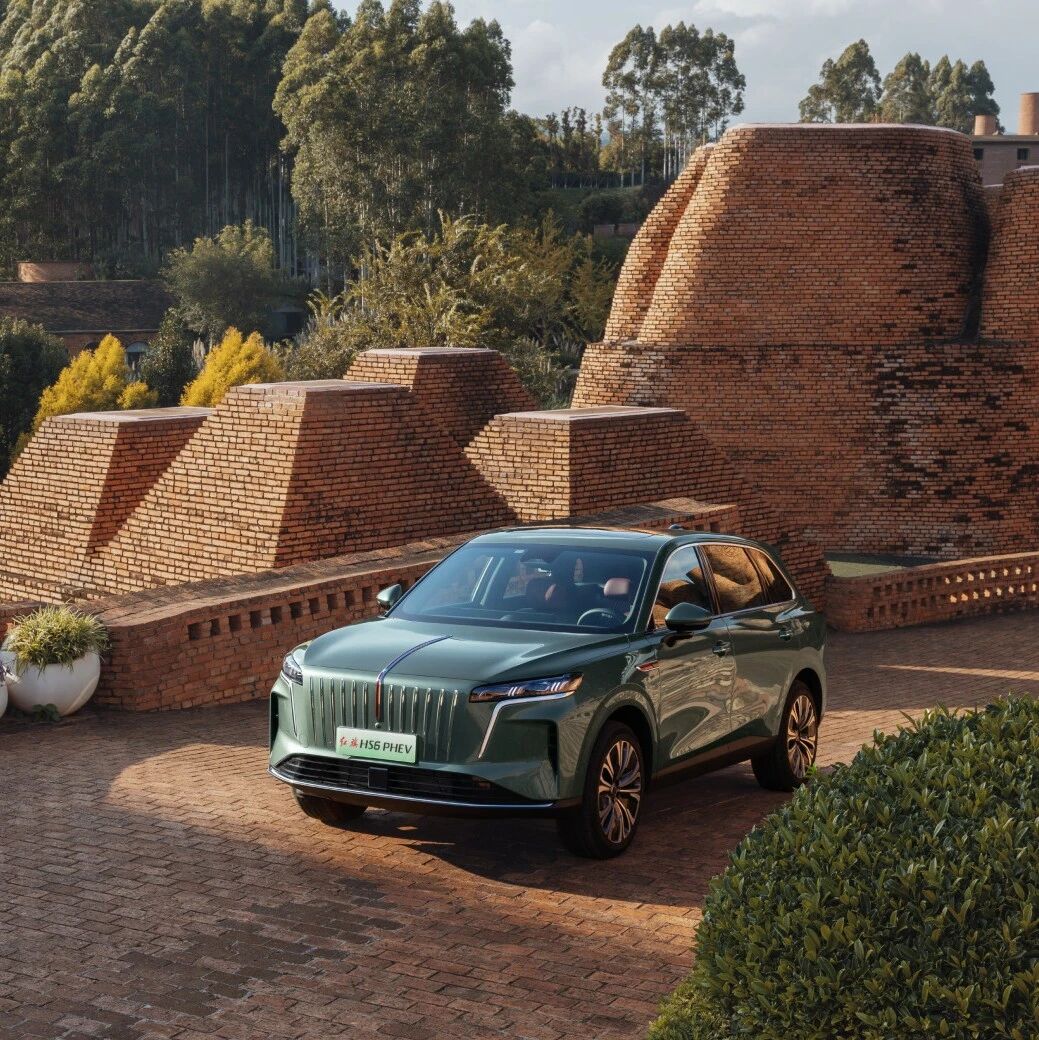
长续航、大空间与低能耗:红旗 HS6 PHEV 的平衡解法
晚点LatePost· 2025-12-24 13:41
Core Viewpoint - The launch of the Hongqi HS6 PHEV represents a strategic opportunity in the growing market of large five-seat SUVs, particularly in the plug-in hybrid segment, which has been relatively underserved compared to pure electric and range-extended models [4][6]. Group 1: Market Context and Product Positioning - The large five-seat SUV segment is one of the fastest-growing and most competitive areas in the new energy market, primarily targeting family users who demand range, space, and intelligent features [4]. - The Hongqi HS6 PHEV is priced between 178,800 to 228,800 yuan, with a pure electric range of 248 kilometers, making it the longest-range and lowest-priced large five-seat plug-in hybrid SUV currently available [4][6]. - The vehicle is built on the latest "Honghu" hybrid platform, which enhances electric range while maximizing performance and passenger space [4][6]. Group 2: Technical Specifications and Performance - The Hongqi HS6 PHEV features a maximum pure electric range of 248 kilometers and a total range of 1,650 kilometers with a 60L fuel tank, catering to both urban commuting and long-distance travel needs [6]. - The hybrid platform achieves a thermal efficiency of 45.21% with a self-developed 1.5T engine, resulting in a low energy consumption of 5.1L/100km for the two-wheel-drive version and a combined fuel consumption as low as 0.4L/100km [8]. - The vehicle has set a Guinness World Record for the longest measured range of 2,327.343 kilometers for a plug-in hybrid SUV [8]. Group 3: Design and User Experience - The Hongqi HS6 PHEV emphasizes spaciousness, with second-row legroom of 1,070mm and headroom of 1,034mm, ensuring comfort for taller passengers [7]. - The interior design includes 31 storage spaces for family travel essentials, a 6L onboard refrigerator, and features like zero-gravity front seats and heated rear seats [14]. - The vehicle incorporates advanced intelligent driving assistance systems, focusing on reliability and user safety rather than merely stacking features [14]. Group 4: Brand Evolution and Market Strategy - Hongqi is transitioning from a symbol of national pride to a brand that closely aligns with user needs, marking the beginning of a new product cycle with the HS6 PHEV as its first model [5][11]. - The brand has segmented its offerings into three sub-brands to cater to different user demographics, with the Hongqi sub-brand focusing on mainstream family users [11]. - The HS6 PHEV retains traditional design elements while integrating modern technology, aiming to provide a well-rounded option for family users seeking balance in space, range, and intelligent features [11][17].

豪华车「四分天下」格局初显,中国品牌凭何跻身核心阵营?
3 6 Ke· 2025-12-17 11:59
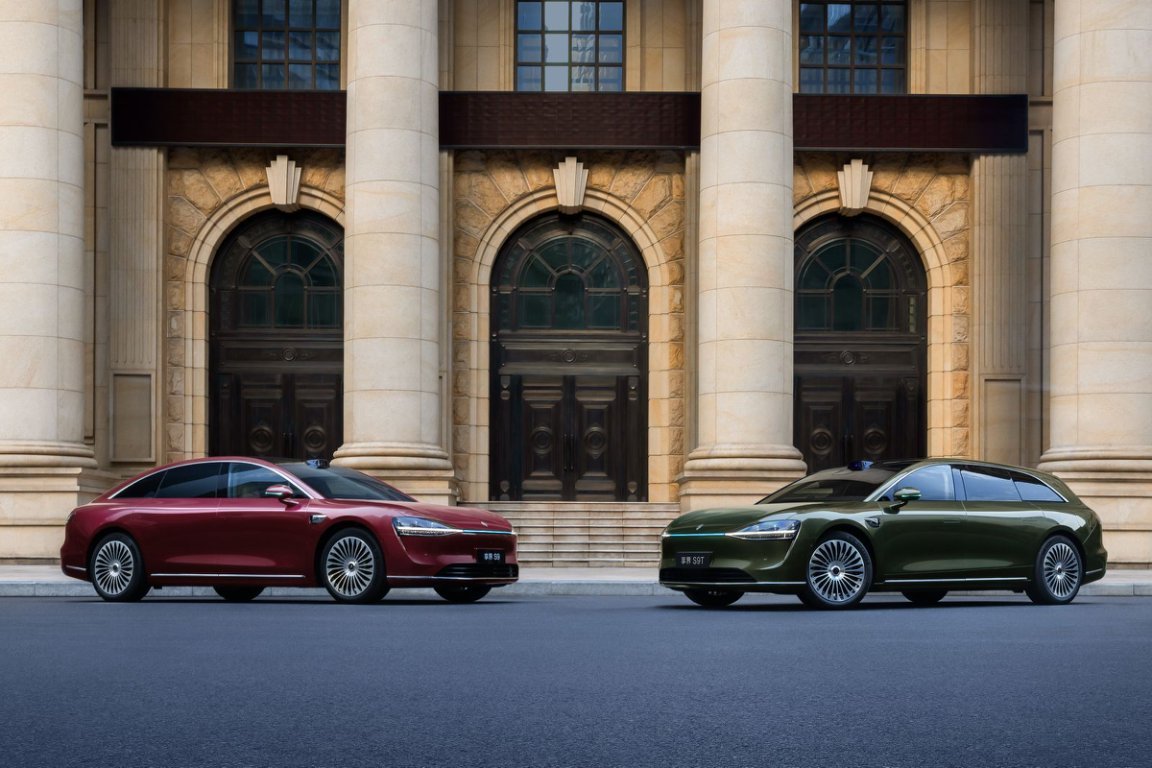
Core Insights - The luxury car market in China is undergoing a transformation where traditional brand prestige is being replaced by a focus on technology and user experience [1][6][23] - The emergence of domestic brands like Xiangjie is reshaping the definition of luxury, emphasizing value derived from advanced technology and user-centric features rather than historical brand loyalty [4][23] Industry Trends - The shift from mechanical performance to intelligent experience is evident, with entry-level cars already featuring advanced driver assistance systems, while some high-end luxury cars lag behind in technology [3][6] - The competition in the luxury electric vehicle market is intensifying, as consumers who previously owned luxury fuel vehicles are now more discerning and expect superior technology and experience [6][19] Company Performance - Xiangjie has achieved significant market success, with its S9 and S9T models topping the sales charts for mid-to-large electric vehicles priced above 300,000 yuan, indicating a shift in consumer preferences towards new luxury values [4][9] - The S9T model received over 30,000 orders within 66 days of its launch, demonstrating strong market acceptance and a departure from traditional luxury brand dominance [9][23] Technological Advancements - Xiangjie vehicles are equipped with Huawei's advanced driving assistance systems, showcasing a commitment to integrating cutting-edge technology into their offerings [13][20] - The collaboration between Xiangjie and Huawei aims to enhance the brand's technological capabilities, with plans to invest 20 billion yuan over three years to develop a comprehensive ecosystem [20][22] Consumer Insights - The new luxury consumer is less willing to pay a premium for brand heritage and more focused on authentic experiences and advanced features [4][15] - Research indicates that over 70% of Xiangjie S9 buyers are transitioning from traditional luxury brands, highlighting a significant shift in consumer behavior and expectations [15][23] Market Strategy - Xiangjie is establishing a dedicated sales and service network, with nearly 300 user centers and 600 authorized experience stores, to enhance customer engagement and service consistency [19][22] - The brand's strategy includes a focus on creating a lifestyle brand that resonates with luxury consumers, moving beyond just manufacturing vehicles to addressing broader lifestyle needs [15][23]
豪华车「四分天下」格局初显,中国品牌凭何跻身核心阵营?
36氪· 2025-12-17 11:45
Core Viewpoint - The luxury car market in China is undergoing a transformation where traditional brand prestige is being replaced by a focus on intelligent experiences and user value, marking a shift from "symbolic consumption" to "meaningful consumption" [5][8][10]. Group 1: Market Dynamics - The luxury car market is now characterized by a competition driven by technological advancements, with traditional luxury brands struggling to keep up as consumers prioritize smart features over brand heritage [3][4][10]. - The sales performance of domestic brands, particularly the Xiangjie S9 and S9T, indicates a significant shift in consumer preferences, as these models topped the sales charts for mid-to-large electric vehicles priced above 300,000 yuan [4][15]. - The emergence of intelligent driving capabilities and advanced user experiences is redefining what constitutes "new luxury" in the automotive sector [18][20]. Group 2: Consumer Behavior - Consumers are increasingly unwilling to compromise on experience for brand prestige, leading to a reevaluation of luxury car value propositions [10][20]. - A significant portion of Xiangjie S9's user base consists of individuals transitioning from traditional luxury brands, highlighting a demand for enhanced experiences and emotional connections [20][33]. - The shift towards a lifestyle brand approach, where vehicles are seen as "life partners" rather than mere transportation, reflects changing consumer expectations [21][33]. Group 3: Competitive Strategy - Xiangjie has adopted a comprehensive strategy that emphasizes technological superiority, user experience, and emotional engagement, moving beyond mere product features [15][33]. - The establishment of a dedicated sales and service network, primarily composed of former dealers from traditional luxury brands, indicates a strategic shift in market positioning [25][26]. - The collaboration between Xiangjie and Huawei aims to leverage advanced technology and manufacturing expertise, enhancing the brand's competitive edge in the luxury segment [27][29][32]. Group 4: Future Outlook - The luxury car market is transitioning towards a model where competition is based on the entire ecosystem, including technology, user relationships, and service experiences [33][34]. - The successful market penetration of Xiangjie signifies a broader trend where Chinese brands are becoming key players in defining new luxury standards, moving from followers to leaders in the automotive industry [33].
神仙打架,理想L6的对手来了,问界M6要复刻M8热度?
3 6 Ke· 2025-11-26 01:59
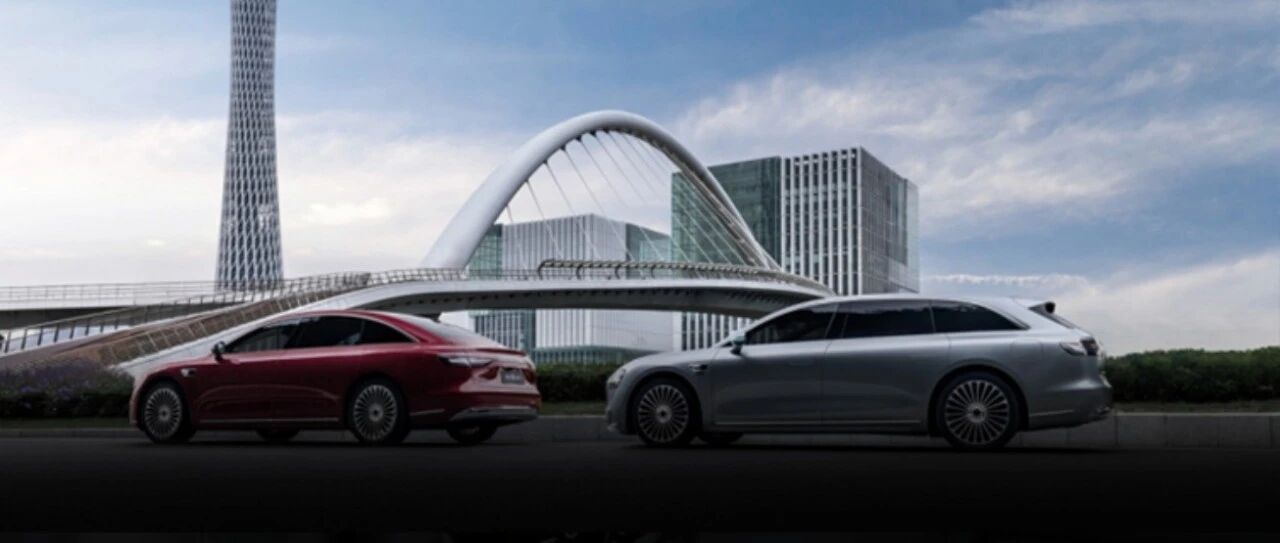
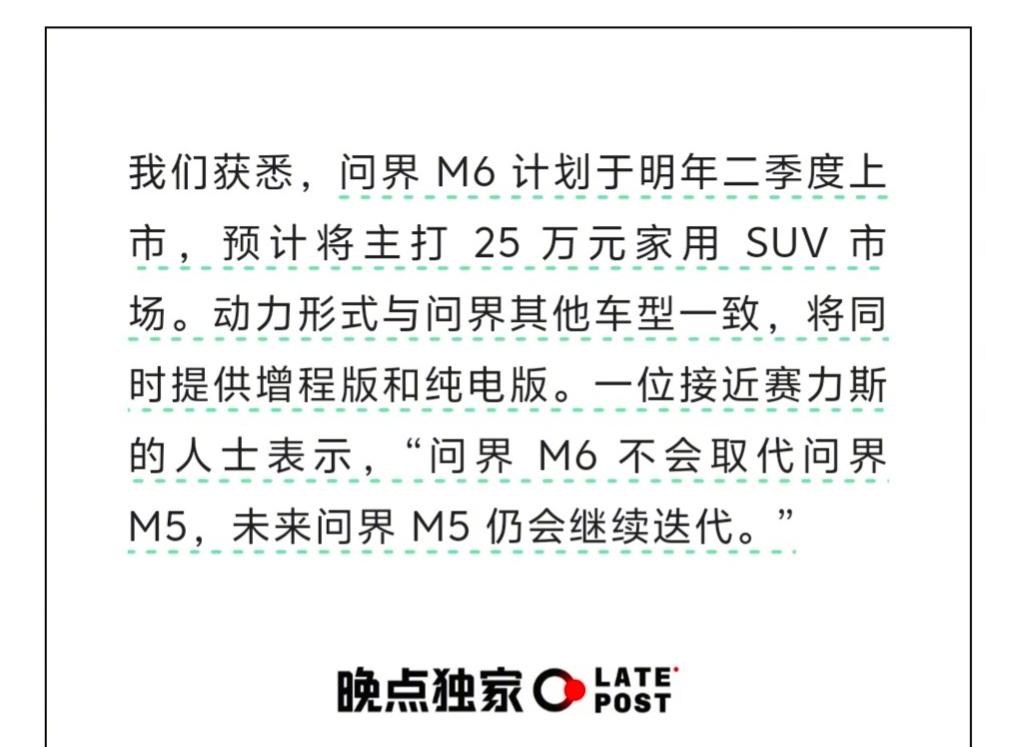
Core Insights - The article discusses the upcoming launch of the AITO M6 model by AITO Automotive, which aims to fill the market gap between the existing M5 and M7 models, with a focus on the 250,000 RMB family SUV segment [1][4][9] - The M6 is expected to be positioned as a competitor to the Li Auto L6, with a clear strategy to capture the family-oriented SUV market [9][10][14] - The competitive landscape is intensifying, with various brands, including Tesla and Xiaomi, also targeting the same market segment, making differentiation crucial for the M6's success [28] Product Strategy - AITO plans to launch the M6 in the second quarter of next year, alongside a facelift for the M9 and the introduction of the M9L [1][3] - The M6 will offer both extended-range and pure electric versions, equipped with Huawei's advanced automotive solutions and comfort features [9][24] - The pricing strategy has created a 50,000 RMB gap between the M5 and M7, allowing the M6 to target the 250,000 RMB market effectively [9][10] Market Positioning - The M6's entry into the market is seen as a strategic move to avoid internal competition with the M5 and M7, which have overlapping price ranges [4][11] - The M7 has been performing well in sales, slightly outperforming the Li L6, indicating a competitive edge that the M6 aims to leverage [11][13] - AITO's brand image, backed by Huawei technology, positions it as a "technology leader," appealing to both family users and tech-savvy consumers [14][16] Competitive Landscape - The competition in the 250,000 RMB SUV market is fierce, with brands like Li Auto, Tesla, and others also offering compelling products [28] - AITO's M6 will face challenges in maintaining a technological edge as more brands adopt Huawei's technology, diluting the perceived uniqueness of the M6 [17][21] - The focus on practical attributes, such as comfort and usability, will be critical for the M6 to attract discerning consumers in a crowded market [21][22] Future Outlook - AITO aims to replicate the success of the M8 in the compact SUV market, hoping the M6 will become a key player in driving brand visibility and sales [25][28] - The company’s robust supply chain and production capabilities are expected to support the M6's market entry, ensuring timely delivery and customer satisfaction [24][28] - The article concludes that AITO must adapt its strategy to meet evolving consumer demands and market conditions to ensure the M6's success [28]

中秋国庆租车市场创新高,现存租车相关企业超86.5万家
Qi Lu Wan Bao· 2025-10-09 03:25
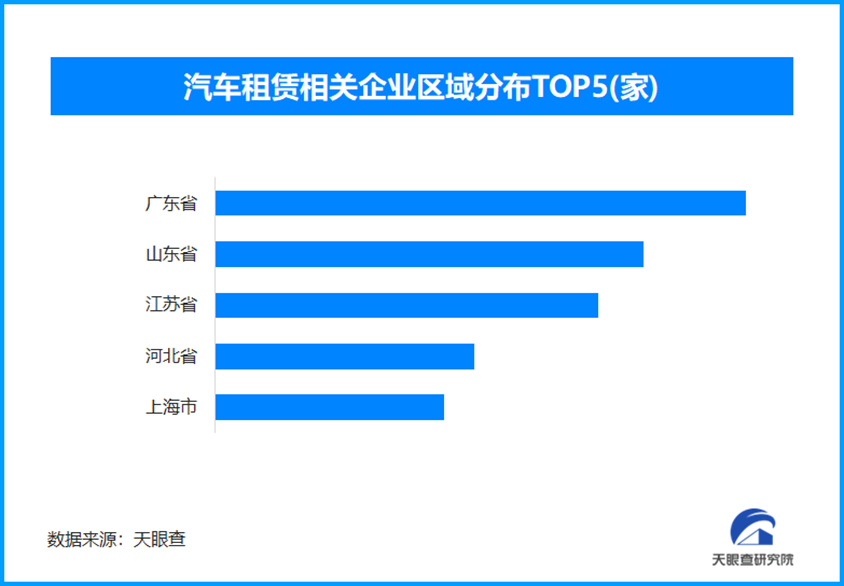
Group 1 - The core viewpoint of the article highlights the increasing trend in car rental bookings for the upcoming 2025 Mid-Autumn Festival and National Day, with over 40% of users securing their trips more than a month in advance, indicating a consensus on early planning [1] - The demand for travel is shifting from "short-distance local trips" to "in-depth intercity travel," with the average rental period extending to 5.2 days and long-term rentals (over 8 days) increasing by over 30% year-on-year [1] - Popular destinations include cities in the northwest and northeast, with routes like Xining-Dunhuang leading in booking volume [1] Group 2 - The rental market is showing a clear trend towards younger demographics, with users born after 2000 and 1990 accounting for over 50% of the market, favoring flexible routes and new energy vehicles [1] - There is a significant increase in orders for new energy vehicles, reflecting users' growing preference for green travel and intelligent experiences [1] - As of now, there are over 865,000 active car rental-related enterprises in China, with Guangdong, Shandong, and Jiangsu provinces leading in the number of companies, having over 93,000, 75,000, and 67,000 respectively [1]
电动困局,BBA折戟!电车沦为杂牌,差在哪儿?
Sou Hu Cai Jing· 2025-10-03 14:46
Core Insights - BBA (BMW, Benz, Audi) is facing significant challenges in the electric vehicle (EV) market, with drastic declines in sales and profits, particularly in China [1][2][4] - The perception of BBA brands as outdated and less appealing compared to new entrants like Tesla and NIO is contributing to their struggles [2][4] - Price reductions have not effectively boosted sales and have instead harmed brand value, leading consumers to consider domestic alternatives [2][4] Sales Performance - BMW's net profit plummeted by 83.8%, Mercedes-Benz by 55.8%, and Audi by 37.5% [1] - In China, BMW's sales dropped by 15.5%, Mercedes-Benz by 14%, and Audi by 10.2% [1] - Electric vehicle sales for Mercedes-Benz fell by 31%, and Audi by 23.5%, while BMW saw an 18.5% increase in electric sales, though this was not enough to offset overall declines [1] Brand Perception - Consumers still view BBA as leaders in traditional fuel vehicles, while their electric offerings are seen as makeshift [2] - New energy brands are perceived as more innovative and appealing, leading to a shift in consumer loyalty [2][4] Product Issues - BBA's electric vehicles are primarily based on modified internal combustion platforms, leading to inherent design flaws [4] - Features that are standard in domestic competitors, such as air suspension and advanced driver assistance systems, are often optional in BBA vehicles, making them less competitive [4] - Technical issues, such as poor wiring and frequent motor failures, have raised doubts about BBA's engineering quality [4] Strategic Responses - BBA is attempting to adapt by accelerating localization and collaborating with tech companies for smart driving solutions [6] - Mercedes-Benz has revised its electrification goals, aiming for a maximum of 50% of its models to be new energy vehicles [6] - Audi is partnering with Huawei to enhance its intelligent driving systems [6] Market Outlook - The penetration rate of new energy vehicles in China is expected to exceed 50% by 2025, intensifying competition [6] - New energy brands are focusing on user experience and technology, while BBA must innovate to avoid marginalization [6][7]

不足7个月,比亚迪唐DM-i再次升级配置
Guan Cha Zhe Wang· 2025-09-28 04:24
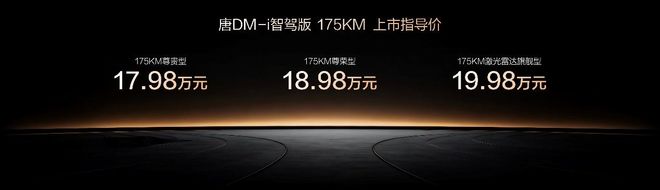
Core Viewpoint - BYD has upgraded the Tang DM-i model within seven months of its previous release, enhancing battery capacity and electric range while lowering the price of the top model, thereby increasing its competitiveness in the new energy SUV market [1][4]. Group 1: Product Upgrades - The new Tang DM-i model features three variants priced between 179,800 to 199,800 yuan [1]. - The battery capacity has increased from 21.5 kWh to 26.6 kWh, with energy density rising to 114.9 Wh/kg, resulting in an official CLTC electric range increase from 115 km to 175 km [1]. - Fast charging power has been upgraded from 40 kW to 53 kW, and the new battery pack has an IPX8 protection rating for enhanced safety [1]. Group 2: Intelligent Features - The new model includes the "Tian Shen Zhi Yan" driver assistance system, with different configurations for mid-range and high-end models, including features like parking assistance and highway navigation [4]. - The intelligent cockpit is equipped with DiLink 100, featuring a 6nm 5G chip for AI voice interaction and customizable scenario modes [4]. Group 3: Market Strategy - BYD's rapid product iteration and upgrades are aimed at solidifying its market share in the mid-to-high-end segment amid increasing competition in the new energy SUV sector [4]. - The inclusion of advanced safety technologies like the "TBC High-Speed Tire Blowout Stability System" as standard equipment reflects a strategic move to enhance value and safety for consumers [2][4].

神州租车预测中秋国庆租车市场再攀新高
Zheng Quan Ri Bao Wang· 2025-09-19 11:47
Core Insights - Shenzhou Car Rental has reported a significant increase in car rental bookings for the upcoming Mid-Autumn Festival and National Day, with over 40% of users booking their trips more than a month in advance, indicating a strong trend towards early planning [1][2] - The average rental period has extended to 5.2 days, with long-term rentals (over 8 days) increasing by over 30% compared to last year, reflecting a shift in user preferences towards deeper travel experiences [1][2] Booking Trends - The top ten cities for National Day car rentals include Chengdu, Urumqi, Xining, Beijing, Hohhot, Harbin, Guangzhou, Guiyang, Shenzhen, and Haikou, with a notable interest in destinations known for autumn scenery and road trips [2] - Cross-city self-driving trips have become the mainstream choice, with popular routes such as Xining-Dunhuang and Haikou-Sanya leading in bookings, highlighting the demand for flexible travel options [2] User Demographics - The rental market is seeing a younger demographic, with nearly 40% of early bookers being new users and over 50% of users from the post-2000 and 1990 generations, indicating a shift towards a more youthful customer base [2] - There is a notable preference for new energy vehicles among younger users, with top models including BYD Song Pro, BYD Qin PLUS, and others, reflecting a growing interest in green travel and smart experiences [2] Company Overview - Shenzhou Car Rental operates a fleet of over 190,000 vehicles and has approximately 180 million registered users, with service points strategically located at airports, high-speed rail stations, and key business districts [3] - The company offers convenient services such as credit-free deposits and 24-hour self-service pick-up and return, ensuring a smooth process from booking to vehicle return [3]
广汽集团(02238)发布中期业绩,股东应占亏损25.38亿元 同比盈转亏
智通财经网· 2025-08-29 11:55
Group 1: GAC Group Financial Performance - GAC Group reported a sales revenue of 42.611 billion yuan for the first half of 2025, a decrease of 7.88% year-on-year [1] - The company recorded a loss attributable to equity holders of 2.538 billion yuan, compared to a profit of 1.516 billion yuan in the same period last year [1] - The total vehicle production and sales were 801,700 units and 755,300 units respectively, representing a decline of 6.73% and 12.48% year-on-year [1] Group 2: New Energy Vehicle Sales - GAC Group's new energy vehicle sales reached 154,100 units, a decrease of 6.08% year-on-year, while energy-saving vehicle sales increased by 13.43% to 211,600 units [1] - The proportion of energy-saving and new energy vehicle sales increased to 48.43% during the reporting period [1] Group 3: GAC Trumpchi Developments - GAC Trumpchi launched the "Xiangwang" new energy vehicle series, including models like Xiangwang S7 and Xiangwang M8 Qiankun, focusing on smart and electric transformation [2] - The sales of energy-saving and new energy vehicles for GAC Trumpchi reached 35,000 units, an increase of 18% year-on-year [2] Group 4: GAC Toyota Performance - GAC Toyota achieved sales of 344,700 units in the first half of 2025, a growth of 2.58% year-on-year [3] - The company’s energy-saving and new energy vehicle sales reached 202,300 units, a significant increase of 30.55%, with a market share of 58.70% [3] - GAC Toyota's first jointly developed pure electric model, Platinum Smart 3X, became the best-selling joint venture electric vehicle for two consecutive months [3]
