腊鱼

Search documents
后备箱里是“父母攒了一整个冬天的心意”
Xin Lang Cai Jing· 2026-02-23 19:42
Group 1 - The article highlights the emotional significance of returning home during the Spring Festival, where individuals carry home-cooked food and local specialties as a symbol of parental love and care [4][5] - A specific example is provided through the story of Ms. Dai, who packed over 100 kilograms of homegrown vegetables and homemade delicacies in her SUV, illustrating the lengths parents go to ensure their children have a taste of home [4] - The social media phenomenon of sharing "trunk competitions" showcases various regional specialties, emphasizing the cultural importance of food in expressing familial bonds and nostalgia [5] Group 2 - The article captures the essence of parental affection through the act of packing food, with comments from netizens resonating with the theme of transporting not just goods, but also emotional connections and memories [5] - The narrative reflects a broader cultural practice in Hunan, where parents prepare and send off their children with an abundance of food, symbolizing care and concern for their well-being while away from home [4][5]


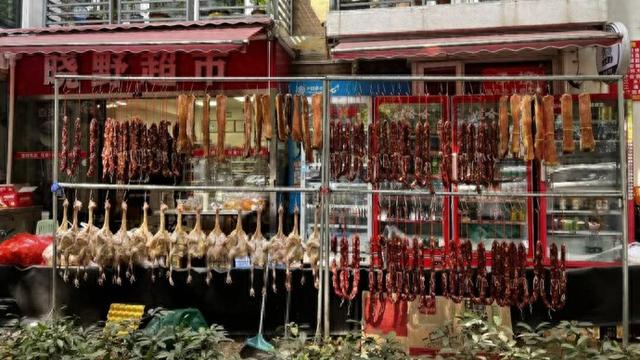
武汉的腊肉阵,热烈地奔向春节,奔赴春天
Xin Lang Cai Jing· 2026-02-19 08:40
Core Viewpoint - The article highlights the cultural significance and vibrant presence of cured meats, particularly in Wuhan, as a seasonal tradition that symbolizes warmth and community during winter and the lead-up to the Spring Festival [12]. Group 1: Cultural Significance - The cured meat display, referred to as "腊肉阵," is a prominent winter phenomenon in Wuhan, showcasing a variety of cured products such as sausages, fish, and meats, which are hung on balconies and public spaces [5][7]. - The tradition of curing meat has deep historical roots in Wuhan, with references dating back to ancient times, indicating its longstanding importance in local culture and cuisine [8][9]. Group 2: Community Engagement - The preparation and display of cured meats have become a community event, with many families participating in the process, reflecting a collective joy and anticipation for the upcoming Spring Festival [7][11]. - Local markets and small supermarkets are bustling with activity as residents purchase large quantities of cured meats, indicating a high demand and the cultural relevance of these products during the festive season [11]. Group 3: Economic Impact - The cured meat industry in Wuhan has evolved, with modern conveniences allowing for easier production, processing, and sales, contributing to the local economy [11]. - The article notes that local businesses are thriving due to the seasonal demand for cured meats, with some vendors reporting they are unable to keep up with the volume of orders [11].
腊八到,收好这份时令“食单”
Xin Hua She· 2026-01-25 04:17
Group 1 - The article discusses the traditional customs and health benefits associated with the Laba Festival, particularly focusing on Laba porridge and Laba garlic [1] - Laba porridge is made from a variety of ingredients, including grains and beans, and follows the traditional Chinese dietary principle of balanced nutrition [1] - It is recommended to consume Laba porridge hot and in moderation, with specific dietary suggestions based on individual health needs [1] Group 2 - The article highlights the popularity of Laba garlic, which is known for its sour and spicy flavor, and provides tips for its preparation and storage [1] - Experts caution that certain groups, such as those with gastrointestinal issues or symptoms of heat, should limit their intake of Laba garlic due to its acidity [1] - The article also mentions the preparation of cured meats during the cold and dry weather of the Laba month, advising caution due to potential harmful substances and high salt content in these foods [2]
展商风采|从楚源胜地到湾区餐桌:康润食品携保康特色农产闪耀农交会
Nan Fang Nong Cun Bao· 2025-12-06 08:02
Core Points - The article highlights the participation of Kangrun Food in the upcoming Greater Bay Area Agricultural Products Trade Fair, showcasing its unique agricultural products [2][5][6] - Kangrun Food, based in Hubei Province, specializes in the production and sale of cured meat products, leveraging over 30 years of experience in the industry [8][9][10] - The company emphasizes traditional craftsmanship combined with modern processing techniques to produce low-salt cured meat products [11][12][14] Company Overview - Kangrun Food Agricultural Development Co., Ltd. is located in Wangwan Village, Baokang County, Xiangyang City, Hubei Province, and was established in 2021 [10][11] - The company employs over 50 staff members and operates in a facility covering 2,000 square meters, equipped with advanced production equipment [11][12] - The founder has extensive experience in cured meat production, having previously worked in Chengdu and Zhongshan [9][10] Product Highlights - The product range includes various cured meats such as cured pork belly, cured ribs, and different types of sausages, all made from high-quality pork [12][13][14] - The company adheres to a philosophy of using carefully selected ingredients and traditional methods to ensure product quality [14][15] - Kangrun Food's products are marketed nationwide, with a focus on health-conscious consumers due to their low-salt processing [14][15] Production Techniques - The production process involves selecting premium farm-raised pork, using traditional recipes, and employing modern drying techniques to enhance flavor [19][20][21] - The company avoids additives like starch and colorants, ensuring that its products are safe for all age groups [25][26] - Various cooking methods are recommended for the products, including steaming, stir-frying, and braising, making them versatile for different culinary applications [27][35][36]

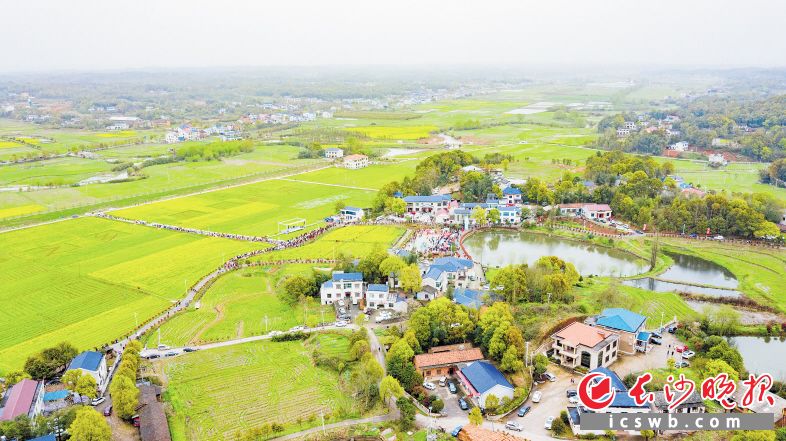
宁乡首位乡村CEO孟金华:把村庄当“宝藏店铺”来运营|乡村CEO创业记
Chang Sha Wan Bao· 2025-10-08 23:32
Core Viewpoint - The article highlights the transformation of Meng Jinhua from a shoe brand agent to the first rural CEO of Chenjiqiao Village, focusing on her efforts to revitalize the village by leveraging its natural beauty and agricultural resources for economic development [1][4]. Group 1: Background and Personal Journey - Meng Jinhua, an 80s-born woman, started her career as a factory worker in Shenzhen, earning a monthly salary of 500 to 600 yuan, which she partially sent home to support her siblings [3]. - After returning to Ningxiang to care for her sick father, she ventured into various businesses, including insurance and shoe retail, eventually earning her first significant income by becoming a brand agent for several shoe brands [3][4]. Group 2: Transition to Rural CEO - In 2024, after her child entered university, Meng sought a meaningful career and accepted the position of rural CEO at Chenjiqiao Village, aiming to contribute to the community's development [4][5]. - Her role as a rural CEO involves not only managing the village's resources but also ensuring the economic growth and ecological sustainability of the area [5][12]. Group 3: Strategic Planning and Implementation - Meng views Chenjiqiao Village as a "treasure shop" and has developed a detailed five-year operational plan that includes extending the fruit industry chain and integrating cultural tourism projects [7][8]. - She initiated marketing campaigns, such as the "I have a tree in Chenjiqiao Village" activity, which allowed urban families to adopt peach trees, resulting in over 1,000 trees being claimed and generating significant revenue for the village [8][9]. Group 4: Community Engagement and Economic Development - Meng emphasizes the importance of community involvement, stating that her goal is to make villagers partners in the economic development process, ensuring that everyone benefits [12][15]. - The development of homestays has become a key focus, with over 30 households participating in the initiative, generating substantial income from tourism [12][13]. Group 5: Agricultural Innovation and Product Development - Meng has implemented a "minimum purchase + profit-sharing" model for the village's fruit production, ensuring that farmers have a reliable market for their products [13]. - She has also worked on developing processed fruit products, such as dried peaches and canned goods, to enhance the village's economic prospects [13].