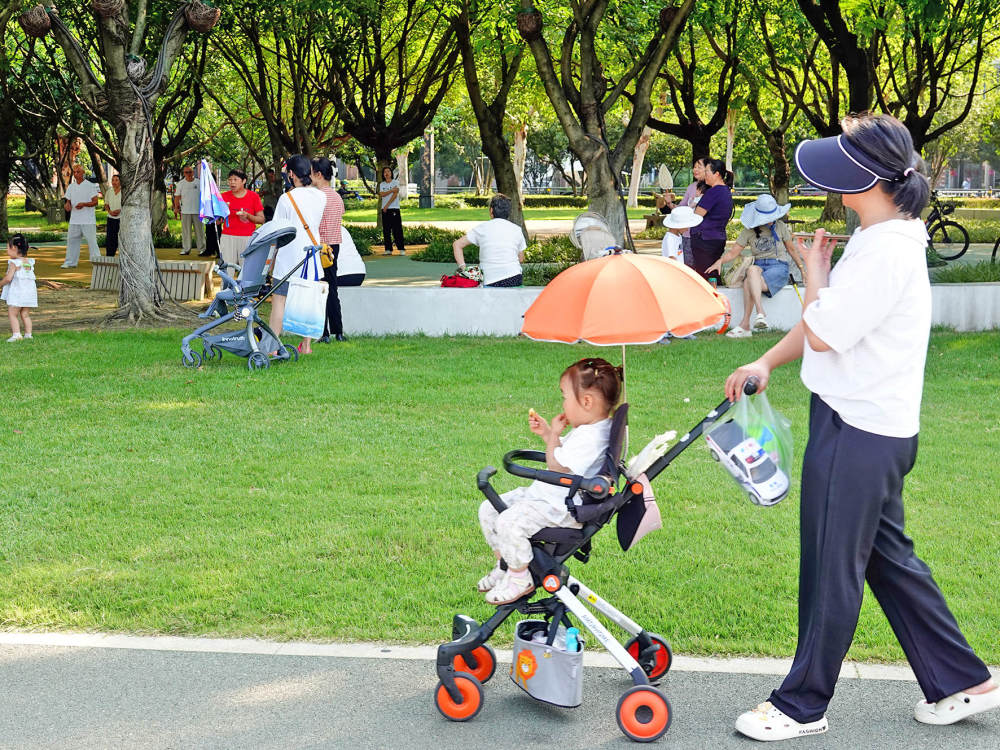
普惠托育

Search documents
国家卫健委:今年将新增普惠托位15万个 加大资金投入保障
Zhong Guo Jing Ying Bao· 2026-02-12 14:29
Core Viewpoint - The National Health Commission plans to increase the number of inclusive childcare spaces significantly by 2026, aiming to enhance family welfare and support population development [1][2]. Group 1: Inclusive Childcare Expansion - By 2025, an additional 890,000 inclusive childcare spaces will be created, followed by another 150,000 in 2026, supported by increased central budget investments [1]. - The focus on "inclusive" childcare is intended to meet public demand and improve service accessibility, allowing more families to benefit from affordable and standardized childcare services [1][2]. Group 2: Service Quality Improvement - The National Health Commission will implement actions to enhance the quality of childcare services, including strengthening the workforce and establishing fixed connections between healthcare institutions and childcare providers [2]. - A comprehensive regulatory mechanism will be developed to ensure the health and safety of infants and toddlers, thereby increasing parental confidence in childcare services [2]. Group 3: Broader Health Initiatives - The 2026 health service initiatives include the addition of 1,000 town health centers and community health service centers to provide pediatric care, as well as 350 centers offering dialysis services [3]. - Mental health services will be expanded to 110 counties, aiming for full coverage in densely populated areas by the end of 2026 [3]. - The government will also provide free HPV vaccinations for girls aged 13, with a focus on preventing cervical cancer [3][4]. Group 4: Maternal and Child Health Services - In 2026, early pregnancy care clinics will be promoted in 10,000 medical institutions, offering comprehensive support including nutrition and psychological counseling [5]. - The initiative will also include training for 3,200 healthcare professionals to enhance collaboration between Western and traditional Chinese medicine [5].
筑牢“幼有所育、幼有优育”之基
Xin Lang Cai Jing· 2026-02-11 01:13
Group 1 - The Ministry of Education has announced the list of counties (cities, districts) that will achieve universal and inclusive preschool education by 2025, with 19 counties from the province included, bringing the total to 35, ranking ninth in the country [1] - The importance of preschool education is emphasized as it is the starting point of lifelong education, impacting family happiness and the future of the nation [1] - The province is expanding quality educational resources and promoting inclusive preschool education as part of building a fertility-friendly society, which aims to reduce family rearing costs and alleviate parenting anxiety [2] Group 2 - Achieving universal and high-quality preschool education remains a significant challenge, with disparities in development between urban and rural areas, and the need for improved professional standards among educators [2] - The initiative to enhance preschool education is seen as a long-term investment in the future, with expectations for more counties to join the inclusive education list, reflecting a commitment to quality education for every child [3]
省两会代表委员热议政府工作报告中的“南京元素” 不断增强人民群众的获得感幸福感安全感
Nan Jing Ri Bao· 2026-02-06 03:01
Group 1: Core Perspectives - The government work report reflects a people-centered development approach, focusing on enhancing public welfare through employment, education, healthcare, and elderly care [1] - The emphasis is on implementing effective policies to address the urgent needs of the populace, thereby increasing their sense of happiness and security [1] Group 2: Talent Development - The report advocates for a dual approach of "attracting and retaining" talent, aiming to build a skilled workforce that is application-oriented, composite, and innovative [2] - Initiatives include a plan for urban and rural residents' income growth, job stability, and vocational skills enhancement, particularly targeting key employment groups like college graduates and migrant workers [2] Group 3: Local Implementation - Nanjing has introduced a 2.0 version of its talent policy, establishing 10 national and provincial excellence engineering colleges and 7 talent joint task forces, with a focus on creating a talent aggregation area [3] - The city has successfully created over 2,000 units of affordable rental housing, benefiting 116,000 talents [3] Group 4: Education Equity and Quality - The report outlines plans to adjust the distribution of educational resources, promote free preschool education, and enhance the quality of basic education [5] - Nanjing has been selected as a national pilot for comprehensive education reform, with initiatives like a three-year action plan for integrated preschool education benefiting 76,000 children [7] Group 5: Healthcare Services - The report emphasizes the construction of high-level hospitals and the establishment of national medical centers, alongside strengthening community healthcare systems [9] - Nanjing is advancing health initiatives by forming tight-knit medical groups and has been recognized as a model for public hospital reform [10] Group 6: Elderly and Child Services - The report highlights the need for improved support policies for child-rearing and the development of a comprehensive elderly care service network [13] - Nanjing has initiated pilot programs for elderly care vouchers and has provided child-rearing subsidies to over 158,000 individuals [14]
从“托得住”到“托得好”
Xin Hua Ri Bao· 2026-01-29 22:03
Group 1 - The core viewpoint of the article highlights the establishment and operation of the Jinhe Nursery in Wuxi, which is the first state-owned nursery in the city, aimed at providing affordable childcare services to alleviate family burdens [1][3] - The nursery offers a variety of flexible services including temporary care, hourly care, full-day care, and holiday care, with fees lower than market rates to support families [1] - Since its opening in February last year, the Jinhe Nursery has served approximately 200 infants and toddlers, reflecting a broader trend in Wuxi to enhance inclusive childcare supply [3] Group 2 - By the end of last year, Wuxi had renovated and upgraded 127 inclusive nurseries, with a total of 401 nurseries providing childcare services, increasing the number of available spots to 11,715, a year-on-year increase of 22% [3] - A total of 221 nurseries have established classes for children under three years old, enrolling 3,409 infants, which is an increase of over 1,300 compared to the previous year [3]
如何破题?
Xin Lang Cai Jing· 2026-01-27 16:54
Core Viewpoint - The demand for childcare services for children under three years old in Hainan is rapidly increasing due to the implementation of the three-child policy and the rising proportion of dual-income families. However, there are significant challenges such as insufficient supply of affordable childcare, poor layout adaptability, and a lack of qualified personnel in the sector [1][2][3]. Group 1: Challenges Faced by Parents - Dual-income families are facing a "triple dilemma" of being unable to afford, access, or trust childcare services, which is hindering their willingness to have more children [1][2]. - Many parents are forced to resign from their jobs or hire expensive nannies due to the lack of affordable childcare options, leading to increased family burdens [2]. - The distribution of affordable childcare facilities is heavily concentrated in urban core areas, leaving rural and remote communities underserved [2]. Group 2: Current Policy and Its Effectiveness - Although Hainan has introduced various policies to promote childcare services, such as financial subsidies and public-private partnerships, the benefits have not yet fully reached families [2][3]. - Parents express frustration over the lack of childcare facilities in newly developed residential areas, questioning when policies will effectively benefit their communities [2]. Group 3: Recommendations for Improvement - There is a call for expanding the supply of affordable childcare services and improving the layout of facilities to better serve communities and workplaces [3][6]. - Suggestions include establishing embedded childcare facilities within a 15-minute community service radius, ensuring new residential developments include childcare spaces, and promoting public-private partnerships to enhance service availability [6][7]. - Enhancing training for childcare personnel and improving their working conditions are also recommended to ensure a higher quality of care [7].
实惠又方便的普惠托育来了
Xin Lang Cai Jing· 2026-01-17 16:38
Group 1 - The core viewpoint of the articles emphasizes the importance of childcare services in supporting family life and societal commitments to early childhood education [1] - The draft of the childcare service law, which is set to be reviewed by the National People's Congress, aims to promote inclusive childcare services, reduce family rearing costs, and establish a diverse, safe, high-quality, and reasonably priced public childcare service system [1] - There are approximately 30 million children under the age of three in China, with over 30% of families expressing a need for childcare services, indicating a significant demand that could enhance birth rates and support women's employment [1] Group 2 - The articles highlight the challenges of making childcare services accessible and affordable, addressing concerns such as high costs, distance, and trust in the services provided [2] - The narrative suggests that effective childcare services should provide reassurance to families and ensure that children are treated with care and respect during their development [2]
发力普惠托育,来看“长沙样本”
Xin Lang Cai Jing· 2026-01-17 16:38
Core Viewpoint - The draft of the childcare service law emphasizes the government's role in leading the development of affordable childcare services, aiming to reduce family rearing costs and establish a diverse, safe, high-quality, reasonably priced, and accessible public childcare service system [9]. Group 1: Policy Development - The draft childcare service law was presented for review by the National People's Congress on December 22, 2025, highlighting the importance of integrating affordable childcare services into basic public services [9]. - The Changsha government has initiated the "High-Quality Affordable Childcare Service System Construction Implementation Plan" in 2025, accelerating the establishment of a comprehensive childcare service system [3]. Group 2: Implementation and Infrastructure - Changsha is integrating childcare services into community public service systems, utilizing community resources to build embedded childcare points and encouraging various organizations to provide childcare services [3][4]. - The Changsha Comprehensive Childcare Service Center has been established, offering a range of classes for different age groups, including a special class for children with autism [4]. Group 3: Financial Support and Incentives - Financial support measures include subsidies for new childcare institutions, with a maximum of 10,000 yuan per childcare spot, and monthly subsidies for different age groups [3]. - The government is also implementing tax reductions and utility cost adjustments for childcare institutions, along with subsidies for comprehensive insurance [3]. Group 4: Industry Standards and Quality Assurance - The establishment of the Infant and Young Child Care Service Guidance Center aims to promote standardized and high-quality development in the childcare industry across Hunan province [7]. - Six standards for childcare institutions have been initiated, focusing on responsive care for infants and young children, ensuring their emotional and nutritional needs are met [7]. Group 5: Future Outlook - The childcare service sector is expected to be government-led, with a focus on reducing family rearing costs and increasing the supply of affordable childcare services [8][9]. - The draft law encourages various forms of childcare institutions and emphasizes the need for a structured approach to planning and resource allocation in urban and rural areas [10].

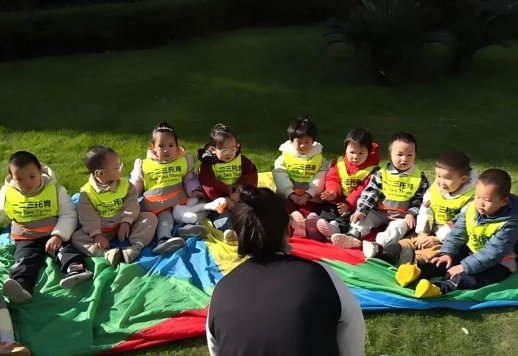
“宝宝屋”“AI仿真”“育婴室”来了 更多幼儿家庭享受看得见、用得上特色托育服务
Yang Shi Wang· 2026-01-15 07:12
Core Viewpoint - The article highlights the urgent need for childcare services in families with young children, emphasizing the government's support for integrating childcare and early education to alleviate the challenges of parenting [1]. Group 1: Policy and Support - Various policies have been implemented at both central and local levels to encourage kindergartens to establish classes for children aged 2-3, promoting "integrated childcare and education" [1]. - In Zhengzhou, nearly 40,000 childcare spots have been created, significantly increasing the availability of affordable childcare services [10]. - The Beijing Chaoyang District has implemented operational subsidies and rent reductions to make childcare services more affordable, with over 90% of the 6,500 available spots being in kindergartens [12]. Group 2: Implementation and Development - Zhengzhou has trained over 850 kindergarten teachers to enhance the professional level of childcare services, ensuring that all teachers in childcare classes hold both teaching and childcare qualifications [10]. - The article mentions that by 2025, over 890,000 new affordable childcare spots are expected to be created nationwide, with kindergarten classes becoming a key channel for providing these services [17]. - The "Childcare Service Law" draft aims to systematically include affordable childcare services into basic public services, promoting a diverse, safe, high-quality, and reasonably priced childcare system [18]. Group 3: Innovative Models - The article discusses various innovative childcare models, such as the "medical-education integration" model in Taizhou, which combines health management and early education [21]. - In Shanghai, the establishment of "baby houses" aims to create a "15-minute childcare service circle," providing convenient temporary childcare options for families [23][26]. - The article also highlights the transformation of "mother-baby rooms" into "parenting rooms" in Dalian, allowing both parents to participate in childcare activities [32][41]. Group 4: Talent Development - There is a growing emphasis on developing a multi-level talent training system for childcare services, with over 600 vocational colleges offering related programs [31]. - The article notes that partnerships between educational institutions and childcare facilities are being formed to cultivate high-quality, versatile childcare professionals [28]. - The establishment of a national alliance for the cultivation of childcare service talents aims to fill the gaps in research and education for early childhood development and health management [31].
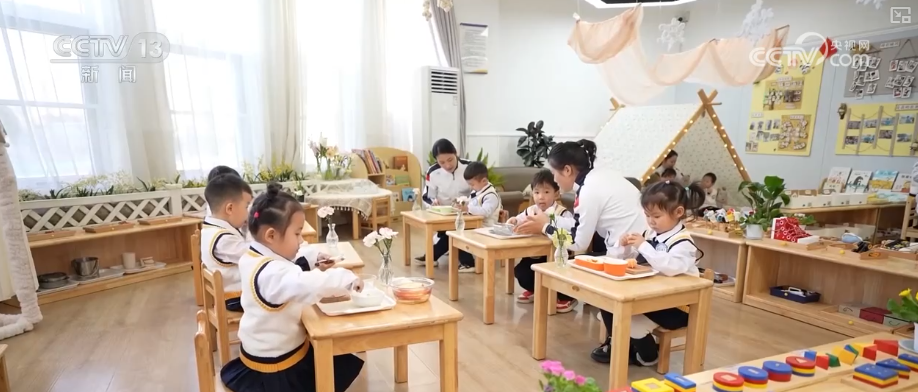
多地2026年育儿补贴申领全面开放
21世纪经济报道· 2026-01-14 13:48
Core Viewpoint - The article discusses the launch and optimization of the 2026 childcare subsidy program across various regions in China, highlighting the increasing accessibility and support for families with young children [1][4][10]. Group 1: 2026 Childcare Subsidy Launch - The 2026 childcare subsidy application process has officially opened in multiple regions, including Jiangsu and Chongqing, with a focus on improving application convenience and coverage [1][4]. - As of January 12, 2026, Suqian City has received a total of 63,663 applications for the childcare subsidy [1]. - The national basic standard for the childcare subsidy is set at 3,600 yuan per child per year [4]. Group 2: Application Process and Experience - The application for the 2026 childcare subsidy can be completed both online and offline, with platforms like Alipay and WeChat available for online submissions [6]. - Many parents have reported that the 2025 childcare subsidy has already been received, with some stating that the application process was efficient and did not require extensive in-person visits [6][7]. - The 2026 subsidy program introduces a "one-click renewal" feature for families who have previously applied, streamlining the process for those whose information has not changed [7]. Group 3: Broader Support Policies - The article notes that various regions are implementing additional supportive measures to enhance the childcare system, including the construction of more affordable childcare facilities [2][11]. - Local governments are encouraged to tailor their policies to meet specific community needs, with examples from Yunnan and Guizhou highlighting the importance of localized measures [12][14]. - The demand for affordable and quality childcare services remains high, with parents expressing the need for more accessible options and support systems [14].
速看!养娃压力再降!2026年育儿补贴开放申领
2 1 Shi Ji Jing Ji Bao Dao· 2026-01-14 10:48
Core Viewpoint - The article discusses the ongoing implementation and optimization of child-rearing subsidies across various regions in China, highlighting the increasing accessibility and efficiency of the application process for these subsidies in 2026. Group 1: Child-Rearing Subsidy Implementation - The 2026 child-rearing subsidy application process has officially opened in cities like Suqian, with 63,663 applications received by January 12 [1] - The national basic standard for child-rearing subsidies is set at 3,600 yuan per child per year, with various regions like Guangdong, Zhejiang, and Sichuan also announcing the opening of applications for 2026 [5] - The application process for the 2026 subsidy will continue to utilize both online and offline methods, enhancing convenience for applicants [5] Group 2: Current Status of 2025 Subsidies - As of January 2026, many parents have already received their 2025 child-rearing subsidies, with reports indicating that 16.87 million people in Changsha received a total of 542 million yuan [6] - In Zhangye, Gansu Province, 25,973 individuals received a total of 82.97 million yuan in subsidies, achieving a disbursement rate of 81.51% [6] - Yuxi City reported that 58,545 individuals applied for the 2025 subsidy, with 57,802 approved, totaling 162 million yuan disbursed [7] Group 3: Policy Optimization and Support Systems - The 2026 subsidy policy in Chongqing will focus on improving application convenience and expanding coverage, indicating a trend towards optimizing existing measures [1] - Experts emphasize the need for child-rearing subsidies to work in conjunction with other policies related to childcare, employment, and housing to create a comprehensive support system [8] - Local governments are encouraged to tailor their policies to meet specific regional needs, as seen in Yunnan and Guizhou, which have introduced measures to enhance support for childbirth and childcare [10] Group 4: Community and Institutional Support - The construction of inclusive childcare services is accelerating, with the national target of 4.73 childcare spots per 1,000 children being met ahead of schedule [2] - Various regions are developing community-based childcare solutions, such as Jiangsu's "1+1+N" model and Sichuan's "15-minute childcare service circle" [11] - The demand for affordable, high-quality childcare services remains high, with current supply not fully meeting community needs [12]