
服务消费与养老再贷款

Search documents
统筹推动财政货币政策协同发力|政策与监管
清华金融评论· 2026-03-18 09:15
Group 1 - The core viewpoint of the article emphasizes the importance of coordinating monetary and fiscal policies to ensure a strong start for China's 14th Five-Year Plan [1] - The macroeconomic regulation during the 14th Five-Year Plan period faces a complex landscape of multiple goals and constraints, essentially seeking optimal solutions under various constraints [3] - The central bank needs to smooth short-term fluctuations while strengthening medium- to long-term support for liquidity, as commercial banks hold approximately 68% of national debt and 75% of local government debt [4] Group 2 - On the pricing aspect, the central bank can lower the 7-day reverse repurchase rate to guide down the yield on government bonds, which helps reduce government financing costs and alleviate fiscal interest burdens [5] - In a low-interest-rate environment, the elasticity of consumption and investment to interest rate changes is relatively limited, leading to pressure on banks' net interest margins and profitability [5] - Compared to interest rate cuts, reserve requirement ratio reductions are more effective in providing medium- to long-term liquidity and supporting bond issuance and trading [5] Group 3 - Fiscal and monetary policies demonstrate strong consistency and matching in terms of policy tools, implementation timing, and rhythm [7] - In the field of technological innovation, the central bank has introduced re-loans for technological innovation at preferential rates, while the Ministry of Finance has launched loan interest subsidy policies to reduce financing costs for enterprises [8] - To boost consumption, the central bank has established re-loans for service consumption and elderly care, while fiscal policies include direct cash flow improvements through subsidies and consumption vouchers [8] Group 4 - Monetary policy structural tools, such as various re-loans, essentially provide preferential loans to commercial banks, guiding them to allocate funds to specific sectors [9] - Fiscal policy tools are more equity-like, providing long-term capital to the economy or financial institutions, which can directly bear risks and losses, aligning with long-term structural adjustment needs [9] - Overall, monetary policy through medium- to long-term liquidity provision and policy interest rate adjustments works in tandem with fiscal policy to ensure smooth government bond issuance and stabilize financing costs, thereby expanding total demand [9]

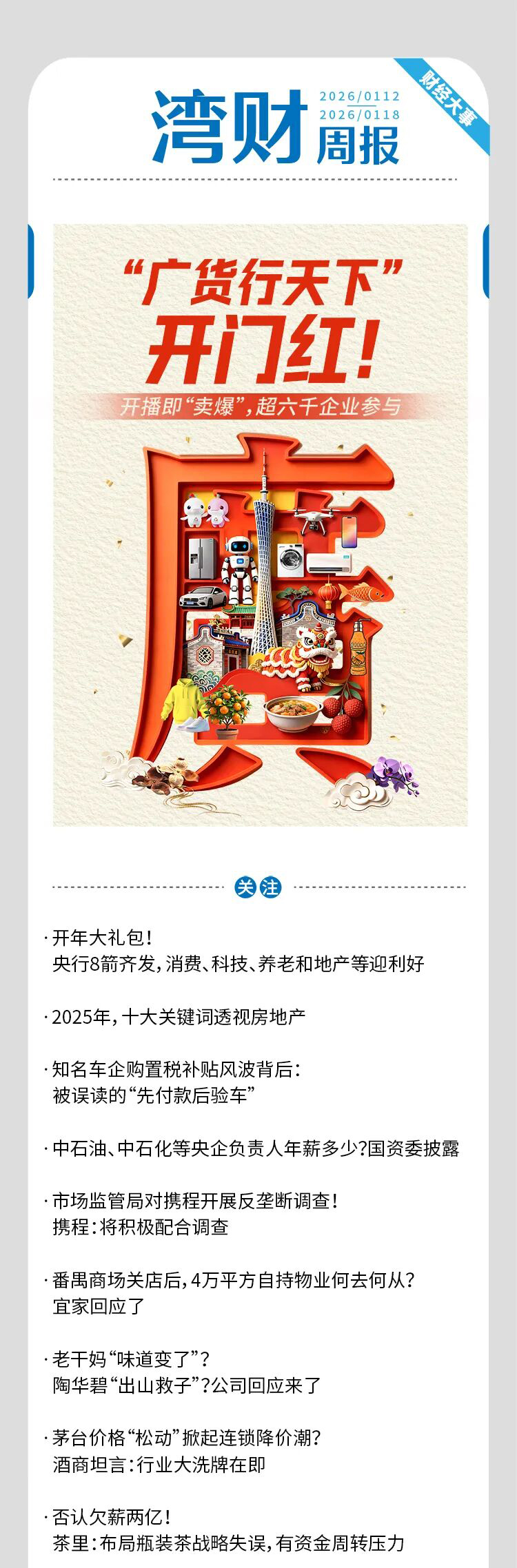
湾财周报 | 大事记 “广货行天下”开门红;央行发大礼包;携程被立案调查
Nan Fang Du Shi Bao· 2026-01-18 15:11
Group 1 - The "Guanghuo Hang Tianxia" spring campaign launched in Guangdong, with over 1,300 local appliance companies participating, aiming to boost sales through online and offline promotions [5] - The campaign will feature 12 synchronized promotional events throughout the first quarter, targeting over 6,000 enterprises to enhance online sales of quality products [5] Group 2 - The People's Bank of China announced eight major policy measures to support economic transformation, including a 0.25 percentage point reduction in various structural monetary policy tool rates and a special relending quota of 1 trillion yuan for private enterprises [6] - The measures also include increasing relending quotas for technological innovation to 1.2 trillion yuan and lowering the minimum down payment for commercial housing to 30% [6] Group 3 - In 2025, the national real estate market continued to adjust, with new residential sales area declining by 4.9% year-on-year to approximately 390 million square meters, and sales value dropping by 10% to around 5.4 trillion yuan [7] - The total transaction volume of new and second-hand residential properties reached 839 million square meters, indicating stable demand from residents [7] Group 4 - Zeekr Automotive clarified its cross-year vehicle purchase tax subsidy policy, stating that it has covered the tax subsidy for 8,125 users who placed orders in 2025 and received their vehicles in January 2026 [9] - The confusion arose from the overlap of two policies, leading to misinterpretations regarding payment and vehicle delivery [10] Group 5 - The State-owned Assets Supervision and Administration Commission disclosed the 2024 salary information for over 80 central enterprise leaders, showing a stable salary range without extreme high salaries [11] - The top earners are primarily from telecommunications and energy sectors, with China Mobile's former chairman leading at a pre-tax salary of 1.2582 million yuan [11] Group 6 - The State Administration for Market Regulation has initiated an antitrust investigation into Trip.com Group for suspected monopolistic behavior [12] - Trip.com has committed to cooperating with the investigation and ensuring normal business operations [12] Group 7 - IKEA announced the closure of its Guangzhou Panyu store, raising questions about the future of its 40,000 square meters of self-owned property [13] - IKEA is currently evaluating arrangements for the asset and will comply with relevant laws and regulations [13] Group 8 - CHALI Tea clarified rumors regarding a 200 million yuan salary debt, admitting to cash flow pressures due to strategic missteps in bottled tea, while assuring that its core bagged tea business remains operational [16] - The company is addressing salary issues for departing employees in batches, although some employees have expressed ongoing concerns about unpaid wages [16] Group 9 - The white wine market is experiencing a price decline, influenced by the price adjustments of flagship products like Moutai, leading to a broader price reduction across various brands [15] - The industry is facing inventory pressures, prompting some distributors to lower prices to stimulate sales, indicating a shift towards a "price for volume" strategy [15]
下调!央行重磅发布!
Sou Hu Cai Jing· 2026-01-15 11:38
Core Viewpoint - The People's Bank of China (PBOC) is implementing two main policy measures to support the economy, including lowering interest rates on structural monetary policy tools and enhancing support for economic structural transformation [1] Group 1: Monetary Policy Adjustments - The PBOC will lower the interest rates on various structural monetary policy tools by 0.25 percentage points, with the one-year re-lending rate decreasing from 1.5% to 1.25% [1] - The PBOC will merge the quotas for agricultural and small enterprise re-lending and re-discounting, increasing the agricultural and small enterprise re-lending quota by 500 billion yuan, with a separate quota of 1 trillion yuan designated for private enterprises [1] - The quota for re-lending aimed at technological innovation and technological transformation will be increased from 800 billion yuan to 1.2 trillion yuan, expanding support to private small and medium-sized enterprises with high R&D investment levels [1] Group 2: Support for Specific Sectors - The PBOC will establish a combined risk-sharing tool for bonds related to technological innovation and private enterprises, providing a total re-lending quota of 200 billion yuan [1] - The support areas for carbon reduction tools will be expanded to include energy-saving renovations and green upgrades, guiding banks to support comprehensive green transformation [2] - The PBOC will expand the support areas for service consumption and elderly care re-lending, incorporating the health industry into these sectors [2] Group 3: Real Estate and Financial Services - The minimum down payment ratio for commercial property loans will be reduced to 30% in collaboration with the financial regulatory authority, aimed at promoting inventory reduction in the commercial real estate market [2] - Financial institutions are encouraged to enhance their foreign exchange risk management services, providing enterprises with cost-effective and flexible tools for managing exchange rate risks [2]
央行将适时把健康产业纳入服务消费与养老再贷款支持领域
Xin Lang Cai Jing· 2026-01-15 10:10
Group 1 - The central bank of China will continue to implement a moderately loose monetary policy to boost consumption and expand domestic demand, creating a suitable monetary and financial environment [1][4] - The monetary policy will focus on enhancing the structural guidance of monetary credit policies to improve the adaptability and effectiveness of financial support for consumption [1][4] Group 2 - Specific measures include enhancing financial support efficiency in key service consumption areas, promoting residents' consumption capacity, supporting genuine consumption financing needs, and optimizing basic services for consumer finance [4] - The central bank plans to include the health industry in the support areas for service consumption and elderly care refinancing once relevant industry authorities clarify the recognition standards [4] - The central bank will encourage financial institutions to increase credit supply in the consumption sector by offering preferential interest rates on refinancing, particularly in sectors closely related to people's livelihoods such as accommodation, catering, cultural tourism, sports entertainment, elderly care, and domestic services [4]
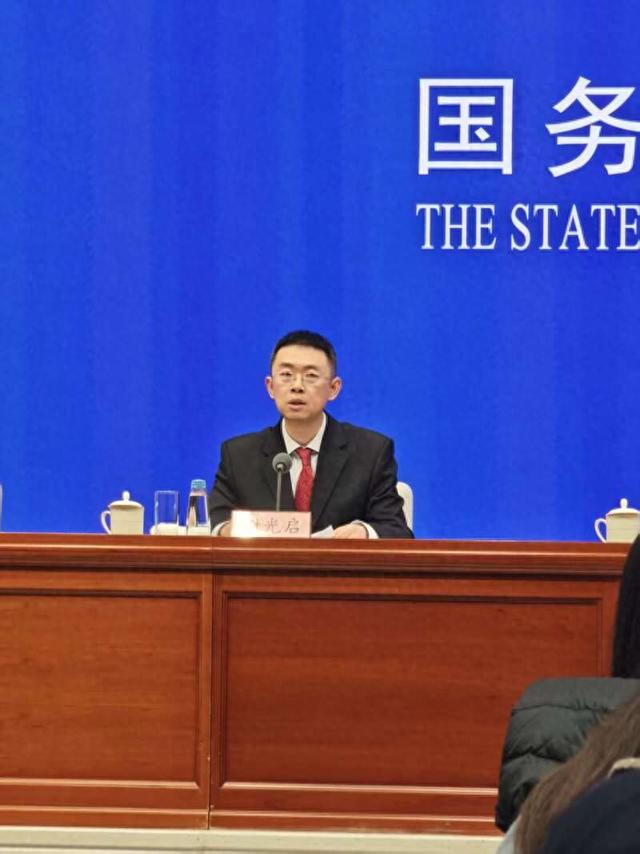
谈降准降息、人民币汇率、物价水平……央行、外汇局发布会,信息量满满
证券时报· 2026-01-15 09:41
Core Viewpoint - The People's Bank of China (PBOC) is committed to supporting the high-quality development of the real economy through monetary policy adjustments, including a 0.25 percentage point reduction in various structural monetary policy tool rates, indicating that there is still room for further rate cuts and reserve requirement ratio (RRR) reductions [2][6]. Group 1: Monetary Policy Adjustments - The PBOC has lowered the rates of various structural monetary policy tools by 0.25 percentage points [2]. - There is still potential for further RRR and interest rate cuts [2]. - The PBOC emphasizes the importance of maintaining a stable RMB exchange rate, which is influenced by multiple factors including economic growth and geopolitical risks [2][3]. Group 2: Foreign Exchange Market Outlook - The State Administration of Foreign Exchange (SAFE) anticipates a stable operation of the foreign exchange market in 2026, with cross-border capital flows remaining orderly [4]. - The trading volume in China's foreign exchange market has reached historical highs, indicating a resilient market capable of absorbing external changes [4]. - The proportion of trade settled in RMB has increased to nearly 30%, reflecting a growing trend towards using RMB in international trade [4][9]. Group 3: Economic Indicators and Support Measures - Recent positive changes in China's price levels are noted, with the PBOC focusing on aligning monetary policy to support stable economic growth and reasonable price recovery [5][6]. - The PBOC plans to include medium-sized private enterprises in the re-lending support program, allocating a total of 1 trillion yuan for this purpose [7]. - The PBOC will also expand support for the health industry under the service consumption and elderly care re-lending program [8]. Group 4: Financial Market Developments - By the end of 2025, the total assets of asset management products are expected to reach 119.9 trillion yuan, with a year-on-year growth of 13.1% [12]. - The increase in funding for asset management products from households and non-financial enterprises is significant, with an additional 4 trillion yuan and 1 trillion yuan respectively compared to 2024 [13]. - Approximately 60% of import and export trade is minimally affected by exchange rate fluctuations, with ongoing improvements in financial services expected to enhance this resilience [9].
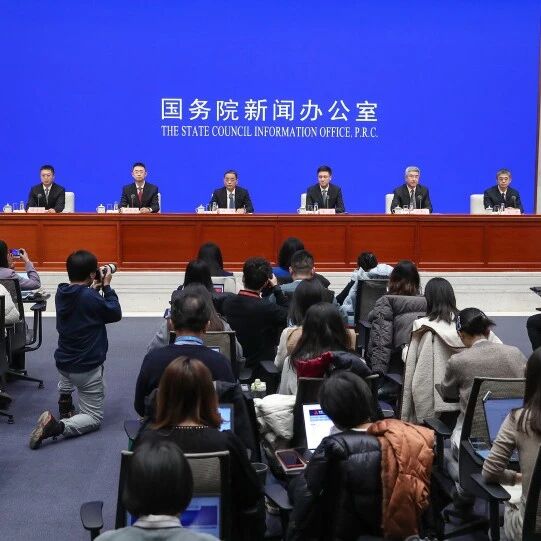
央行:适时把健康产业纳入服务消费与养老再贷款的支持领域
Bei Ke Cai Jing· 2026-01-15 08:13
Core Viewpoint - The People's Bank of China (PBOC) plans to expand the support areas for service consumption and pension re-lending, with a focus on including the health industry once relevant standards are established [1] Group 1 - The PBOC's monetary policy department head, Xie Guangqi, announced the intention to broaden the scope of support for service consumption and pension re-lending [1] - The inclusion of the health industry in these support areas is contingent upon the clarification of recognition standards by relevant industry authorities [1]
恒生银行(中国)董事长任职资格获核准
Sou Hu Cai Jing· 2026-01-07 15:23
Regulatory - The People's Bank of China (PBOC) has set its work priorities for 2026, emphasizing the need to clarify the comprehensive financing costs of personal loans and to enhance credit support for consumer services and elderly care through targeted refinancing policies [2] - The PBOC also plans to implement a one-time personal credit repair policy and enforce strict regulatory measures on payment institutions and their business functions [2] Banking - The qualification of LIM HUI HUNG LUANNE as the chairman of Hang Seng Bank (China) has been approved by the Shanghai Financial Regulatory Bureau [3] - Zhuhai China Resources Bank and its related branches have been fined 5.5 million yuan due to non-compliance with related party transaction regulations, inaccurate loan classifications, and insufficient provisions for non-performing loans related to debt committees [4] Large Companies - CITIC Financial Asset has announced that Zhang Jian has received approval from the National Financial Regulatory Administration to officially serve as the company's vice president [5]


安徽:用足5000亿服务消费与养老再贷款释放内需潜能
Xin Hua Cai Jing· 2025-10-28 16:39
Core Insights - The People's Bank of China (PBOC) Anhui Branch has implemented a 500 billion yuan initiative to support consumption and elderly care loans, aiming to stimulate domestic demand through diverse financial products tailored to residents' key consumption needs [1][2] Group 1: Financial Initiatives - Anhui financial institutions have developed innovative loan products such as "Hui Shang Loan," "Hui Yi Loan," "Intangible Cultural Heritage Loan," and "Xin Lv Loan" to meet the unique financing needs of local businesses [2] - Since the implementation of the policy, financial institutions in Anhui have issued 181 billion yuan in loans for service consumption and elderly care, with 159 billion yuan specifically allocated to the service consumption sector [1] Group 2: Coordination and Support Mechanisms - A financing connection mechanism has been established in key consumption areas, with the PBOC Anhui Branch collaborating with various industry departments to create a regular coordination framework, identifying financing needs from over 1,000 businesses [1] - The PBOC Anhui Branch has actively participated in local consumer events, such as the Anhui Cultural Tourism Consumption Season, to promote policies and financial products directly to consumers [2]
加大消费信贷投放 金融支持服务消费扩面提质
Jing Ji Ri Bao· 2025-09-24 23:59
Core Viewpoint - The recent policies issued by the Ministry of Commerce and the People's Bank of China aim to stimulate service consumption through financial and fiscal measures, enhancing the quality of service consumption and promoting economic growth [1][2]. Policy Synergy Effect - Service consumption is a crucial driver of economic growth, especially amid increasing external uncertainties and domestic economic adjustments [2]. - The People's Bank of China has implemented various financial support policies to boost service consumption supply and meet residents' service consumption needs [2]. - A specific initiative includes the establishment of a 500 billion yuan service consumption and elderly re-loan program, which has already seen nearly 60 billion yuan in applications from around 4,000 businesses [2]. Financial Support and Credit Expansion - The People's Bank of China has also set up a 500 billion yuan technology innovation and transformation re-loan program, which has expanded to 800 billion yuan in 2024, supporting projects in key service sectors [3]. - In the first half of the year, this program supported nearly 100 projects in hospitality, education, and tourism, with loan contracts totaling approximately 11.9 billion yuan [3]. - Financial institutions are focusing on enhancing credit supply in key consumption areas, with a reported loan balance of 2.79 trillion yuan in service consumption sectors, reflecting a year-on-year growth of 5.3% [5]. Innovation in Consumption Scenarios - The policies encourage financial institutions to support diverse service consumption scenarios and key project developments, aiming to transform traditional consumption [6][7]. - The integration of financial resources into various consumption scenarios, such as rural e-commerce and cultural tourism, is emphasized to enhance service supply capabilities [7]. Deepening in Niche Markets - Financial institutions are increasing support for niche markets like cultural tourism and sports, which enhances service consumption willingness and capacity [8]. - The "silver economy" is highlighted as a growing sector, with initiatives aimed at promoting elderly care services and related industries [8]. Future Outlook - As income levels rise, the shift from goods consumption to service consumption is expected to create more opportunities for financial institutions [9]. - Continuous policy reinforcement is suggested to guide funding towards essential sectors like elderly care and digital consumption, ensuring high-quality service supply [9].
中国人民银行:设立5000亿元服务消费与养老再贷款
Xin Hua Wang· 2025-09-17 09:16
Core Insights - The Chinese government is implementing policies to expand service consumption, focusing on key sectors such as accommodation, dining, entertainment, education, resident services, and tourism [1] - The People's Bank of China has established a 500 billion yuan (approximately 70 billion USD) special loan for service consumption and elderly care, aimed at encouraging financial institutions to increase credit supply in these areas [1] Summary by Categories Policy Measures - The government is promoting service consumption through specific financial measures, including a special loan program [1] - The focus is on enhancing credit availability for sectors that are crucial for service consumption and elderly care [1] Financial Institutions - Financial institutions have reported applications for nearly 60 billion yuan (approximately 8.4 billion USD) in loans under the service consumption and elderly care program [1] - The loans involve around 4,000 business entities and over 5,700 individual loan transactions [1]