
多极格局

Search documents
美国现在彻底没希望了,因为已经遇到了,世界上最强大的大国崛起
Sou Hu Cai Jing· 2026-02-09 16:22
Group 1 - The article highlights that despite the U.S. attempts to use trade measures to suppress China, China's economy has not only remained resilient but has also achieved record export highs, with a projected trade surplus of over $1.2 trillion by 2025 [1][3] - China's industrial chain is now highly complete, capable of producing everything from small components to high-tech products, which has allowed it to overcome U.S. restrictions on chip exports and achieve breakthroughs in technology such as 7nm processing [3][5] - The U.S. manufacturing sector has declined from 12% to 10% of its economy, with significant factory closures and rising national debt, which is projected to reach $38 trillion [3][9] Group 2 - China leads globally in several technological sectors, including quantum computing, 5G infrastructure, and electric vehicles, holding a 60% share of the global market for electric vehicles [5][7] - The article notes that U.S. companies are facing increased costs due to trade disputes, with companies like Apple relocating supply chains to Vietnam while still relying heavily on Chinese components [7][9] - The article emphasizes that the U.S. is experiencing internal issues such as widening wealth gaps and infrastructure decay, which are undermining its competitiveness against China [9][11] Group 3 - The article discusses the shift in global trade dynamics, with European countries increasing trade with China, and Japan and South Korea remaining cautious due to their reliance on China as a major trading partner [5][11] - It mentions that China's export volume continues to grow despite a decrease in the share of exports to the U.S., as China redirects its exports to Southeast Asia and Africa [3][5] - The article concludes that the U.S. has missed opportunities for collaboration with China, and the global landscape is shifting towards a multipolar world where China's influence is increasing [5][11]


欧洲领导人排队访华,英国期望和中国一起干事儿
Xin Lang Cai Jing· 2026-01-28 23:31
Core Viewpoint - European leaders are actively seeking to strengthen ties with China amid global uncertainties, with the UK Prime Minister's visit marking a significant diplomatic engagement after eight years [1][2]. Group 1: Diplomatic Engagements - The UK Prime Minister, Rishi Sunak, is scheduled to visit China from January 28 to 31, 2024, marking the first visit by a UK Prime Minister in eight years [1][2]. - Prior to Sunak's visit, leaders from Spain, France, Ireland, and Finland have also made official visits to China, indicating a trend of European nations engaging with China [1][2]. Group 2: Strategic Objectives - European countries are approaching China to seek stable cooperation opportunities and to redefine their positions in a new multipolar world, aiming for win-win outcomes that benefit their citizens [1][2]. - The UK Ambassador to China, Peter Wilson, emphasized the desire to promote bilateral relations through "stability, establishing mechanisms, and pragmatic actions," aiming to create a structured dialogue and achieve tangible business results [1][2].
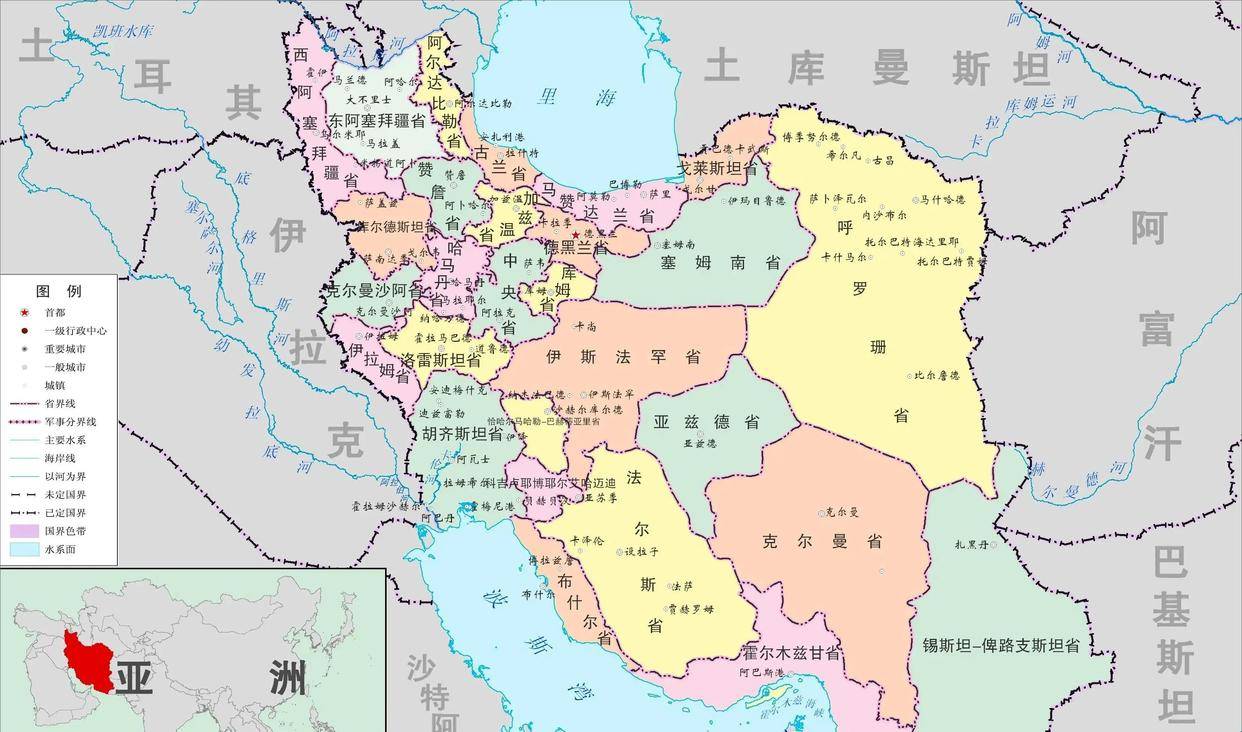
吃中俄食品观美欧局势,中东雄狮伊朗缘何走到现在
Sou Hu Cai Jing· 2026-01-10 22:20
Core Viewpoint - The recent UN Security Council vote highlighted Iran's diplomatic isolation, with only four votes in favor of a resolution against sanctions, reflecting the consequences of its inconsistent foreign policy and strategic missteps [1]. Group 1: Iran's Diplomatic Challenges - Iran's attempts to balance relationships with both Western and Eastern powers have led to a lack of coherent strategy, resulting in missed opportunities for collaboration, particularly with China [1][3]. - The historical pride stemming from the Persian Empire has created a paradox where Iran seeks Western integration while simultaneously dismissing Eastern allies, leading to a sense of betrayal when Western agreements falter [3][11]. - The internal political structure complicates Iran's foreign relations, as the ruling clerical elite fears rising nationalism and prioritizes regime stability over genuine diplomatic engagement [5][7]. Group 2: Economic and Social Implications - The re-imposition of sanctions has severely impacted Iran's economy, with oil exports plummeting to 400,000 barrels per day and inflation soaring to 60%, leading to a depreciating currency and a volatile black market [13][14]. - A significant portion of the population, particularly the youth, is disillusioned with the current regime and seeks better opportunities, as evidenced by widespread protests and a desire for freedom and dignity [13][14]. - The internal economic landscape is hindered by powerful interest groups, such as the Revolutionary Guard, which complicates the implementation of international agreements, including the 25-year cooperation deal with China [9][14]. Group 3: Future Directions - Iran faces three potential paths: fully aligning with Eastern powers, capitulating to Western demands, or maintaining its current precarious stance, all of which present significant challenges [14]. - The energy transition away from oil diminishes Iran's leverage, and the patience of the younger generation is waning, raising questions about the country's future direction [14].
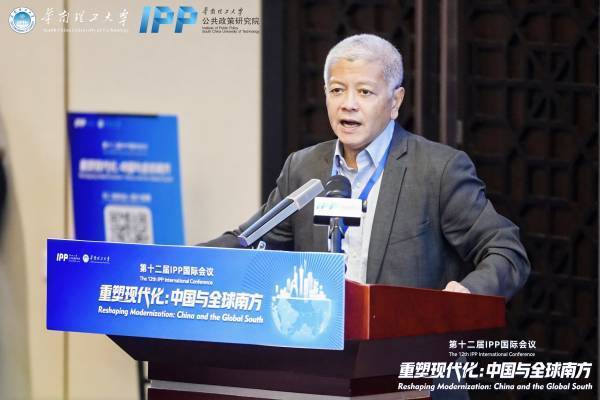
柯成兴:没有“全球北方”,世界还能发展吗?
Sou Hu Cai Jing· 2025-08-31 07:05
Core Insights - The conference at South China University of Technology focused on the theme "Reconstructing Modernization: China and the Global South," discussing the future development of global southern countries through interdisciplinary dialogue [1][3] - Professor Danny Quah emphasized the need for a new adaptive multilateralism that does not require the participation of any specific country, advocating for voluntary alliances and rule reconstruction to achieve "cooperation without malice" [1][4][5] Group 1: Multilateralism and Global Cooperation - The traditional binary thinking of cooperation versus conflict, or North versus South, should be replaced with a more nuanced understanding of international relations [4][5] - An effective international system can function without the necessity of the United States, welcoming any country that wishes to join, including China [5][6] - The concept of a "-1" international system suggests that cooperation can occur even in the absence of major powers, allowing for continued collaboration based on friendly relations [6][9] Group 2: Economic Impacts and Challenges - The "China Shock" refers to the supply-side impact of affordable Chinese products affecting global markets, while the "American Shock" represents the demand-side impact of the U.S. limiting foreign goods [7][14] - The accumulation of unresolved global issues can hinder economic growth, necessitating a focus on development and cooperation to address these challenges [10][11] - The past reliance on developed countries (Global North) as a demand source for products is shifting, leading to concerns about overcapacity and job losses in the U.S. and other countries [14][15] Group 3: New International Order - A new international order should allow for cooperation even amidst tensions between nations, focusing on mutual interests rather than requiring friendly relations [10][16] - The establishment of a new multilateral system is essential to recalibrate and balance the global economic landscape, addressing overcapacity and market competition [15][17] - The potential for a simplified global platform similar to the WTO's MPIA mechanism exists, allowing countries willing to adhere to rules to collaborate effectively [17]
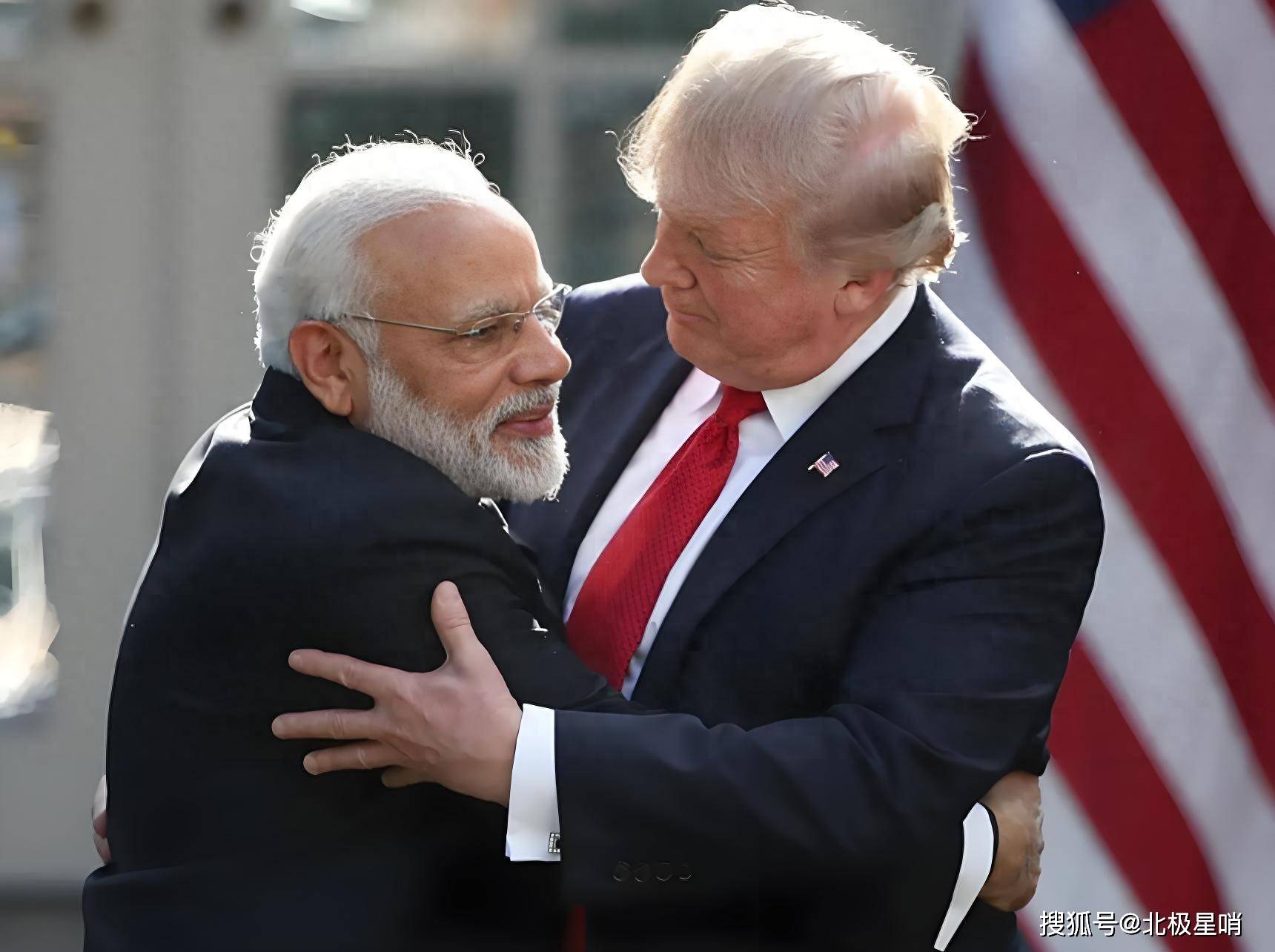
出乎特朗普的意料,美印撕破脸皮!外媒:中国外长定下印度行程
Sou Hu Cai Jing· 2025-08-16 13:26
Group 1 - The trade conflict between the US and India has escalated rapidly, leading to significant diplomatic tensions and economic repercussions [3][12] - Trump's decision to increase tariffs on Indian goods from 25% to 50% is the highest globally, severely impacting India's exports to the US, particularly in jewelry, textiles, and pharmaceuticals [4][6] - India's response includes halting military purchases from the US, imposing retaliatory tariffs on American products, and seeking closer ties with China, indicating a strategic pivot away from reliance on the US [7][9][12] Group 2 - The US military-industrial complex is feeling the impact of India's military purchase cancellations, with companies like Boeing and Lockheed Martin experiencing stock price declines [9] - India's retaliatory measures include a 150% tariff on bourbon whiskey, which is a significant product from Trump's electoral base, causing domestic unrest among American farmers [9][12] - The geopolitical landscape is shifting, with India moving towards a multipolar world and reducing dependence on US hegemony, as evidenced by its engagement with BRICS nations and the potential for improved relations with China [12][13]
王毅谈中欧建交50年重要启示
Xin Hua Wang· 2025-07-04 00:11
Core Points - The year marks the 50th anniversary of China-Europe diplomatic relations, emphasizing the importance of cooperation and partnership between the two regions [1] - China maintains a stable and continuous policy towards Europe, supporting European integration and strategic autonomy, regardless of the international situation [2] - China contributes approximately 30% to global economic growth annually, highlighting its role as a stabilizing force in the world [2] Group 1 - The trade volume between China and Europe now equals the total trade volume of previous years, indicating significant growth in their economic relationship [1] - The relationship is characterized by a commitment to partnership, cooperation, autonomy, and mutual benefits, aiming for a more resilient and mature future [1] - There are attempts to undermine China-Europe relations, but the overall trajectory is towards continued progress and stability [2] Group 2 - China positions itself as a key stabilizing force in the current chaotic international landscape, advocating for dialogue and political solutions to disputes [2] - The country emphasizes its commitment to non-interference in internal affairs and the protection of the rights of developing countries [2] - China expresses a willingness to collaborate with European nations to share opportunities and address global challenges together [3]