海铁联运

Search documents
粤港澳大湾区开行新年首趟冷链海铁联运班列
Xin Lang Cai Jing· 2026-02-26 11:28
Core Viewpoint - The launch of the first cold chain sea-rail intermodal train from the Guangdong-Hong Kong-Macao Greater Bay Area to Jiangxi marks a significant development in cold chain logistics, enhancing connectivity and efficiency in the region [1] Group 1: Logistics Development - A cold chain train loaded with imported juice from Brazil departed from Nansha Port South Station in Guangzhou on February 26 at 15:30 [1] - The train is expected to arrive at Jiangxi Ganzhou International Port within one day, indicating a swift logistics operation [1] - This initiative establishes a new "road-to-rail" cold chain logistics channel between the Greater Bay Area and Jiangxi, improving supply chain efficiency [1]
春节假期宁波舟山港海铁联运出货忙
Xin Hua Wang· 2026-02-20 03:08
Core Insights - The article highlights the efficient logistics and export processes from Yiwu to Ningbo Zhoushan Port, emphasizing the significance of the "Yiwu-Ningbo Zhoushan Port" sea-rail intermodal transport line in facilitating international trade [1][4]. Group 1: Logistics and Export Efficiency - The "集拼仓" model allows for faster shipping, enabling smaller orders to be shipped without waiting for a full container, thus improving efficiency by nearly 30% and reducing costs by 10% [2]. - The integration of digital systems has streamlined operations, allowing for quicker processing of customs and shipping documents, significantly enhancing the speed of logistics [2][3]. - The sea-rail intermodal transport system has increased capacity, with trains capable of carrying 52 containers, matching road transport times while improving overall logistics efficiency [3]. Group 2: Economic Impact - The Yiwu-Ningbo Zhoushan Port intermodal line is projected to surpass 1 million standard containers by March 2025, marking it as the first domestic sea-rail intermodal line to achieve this milestone [4]. - The overall export value from Zhejiang is expected to contribute significantly to the province's economy, with each container representing a portion of the multi-trillion yuan export figure [4].
【流动的中国・春运第一现场】青岛黄岛站上演海铁联运“接力赛”
Xin Lang Cai Jing· 2026-02-04 20:31
Core Insights - The article highlights the efficient operations of the railway and port logistics in Qingdao, particularly during the Spring Festival, emphasizing the importance of timely delivery for international orders [1][2] Group 1: Railway Operations - The X9531 train, loaded with electric vehicles and electromechanical equipment from Henan, traveled for 14 hours and had to arrive at the unloading point within 3 hours to meet shipping deadlines [1] - The railway dispatch system is directly connected to the port platform, allowing real-time sharing of information regarding trains, ships, and cargo [2] Group 2: Port Operations - The unloading process at the port is highly efficient, with 50 containers unloaded and transferred to the port in just 60 minutes [2] - The Qingdao Port has maintained the highest sea-rail intermodal transport volume in China for 11 consecutive years, with a goal to exceed 100,000 standard containers by 2025 [2]
上海港2026年1月集装箱吞吐量突破506万标准箱 再创历史新高
Xin Hua She· 2026-02-03 12:56
Core Insights - In January 2026, Shanghai Port achieved a record monthly container throughput of 5.063 million TEUs, reinforcing its position as a leading international hub [1] - The international transshipment container volume increased by over 3% year-on-year, further solidifying Shanghai Port's global standing [1] - Yangshan Port reported a historic high of 834 vessel calls in January 2026, with a monthly container throughput of 2.615 million TEUs [1] Container Volume Growth - Shanghai Port's automated terminal, Yangshan Phase IV, saw a year-on-year increase of 6.5% in container throughput for January [1] - The cross-border e-commerce business at Shanghai Port achieved significant growth, with over 5,100 TEUs exported via sea in January [1] - The efficient and stable maritime new channel is facilitating more Chinese brands to reach global markets [1] Intermodal Transport Development - Shanghai Port's sea-rail intermodal transport surpassed 100,000 TEUs for the first time in January, with a year-on-year growth rate exceeding 22% [1] - More than 1,200 trains were operated, setting a new historical record for the port [1] - The frequency of sea-rail intermodal trains is gradually increasing, with new routes and services launched to support foreign trade enterprises in reducing logistics costs and promoting green, low-carbon development [1]

一批交通建设项目铿锵突进 “物畅其流”为流动的中国增添澎湃活力
Yang Shi Wang· 2026-02-01 03:22
Core Viewpoint - The article highlights significant progress in transportation infrastructure projects across various regions in China, which is expected to enhance public welfare, facilitate travel during the Spring Festival, and promote regional development [1][4][6]. Group 1: Transportation Developments - In Guangxi, the first West Land-Sea New Corridor freight train carrying imported goods departed from Qinzhou Port, aimed at delivering products to the Chengdu and Chongqing markets [4]. - In Jiangxi, three highways have been expanded from four lanes to eight lanes, increasing traffic capacity by over 70%, thereby improving transportation efficiency during the Spring Festival [6][9]. - In Fujian, the completion of the Lingtou Township Tunnel marks a significant milestone for the Fuzhou Port's railway project, enhancing the logistics network and facilitating seamless sea-rail intermodal transport [13]. Group 2: Operational Improvements - A communication mechanism has been established to streamline the turnover of the New Year goods train, implementing a one-stop customs service to expedite the process, allowing consumers to access fresh products earlier [6]. - The expansion of highway infrastructure in Jiangxi contributes to the formation of a major highway network, enhancing connectivity and travel efficiency during peak seasons [9]. - The Fuzhou Port railway project, being the first independently constructed freight railway in Fujian, is expected to significantly improve the transportation system and logistics capabilities in the region [13].

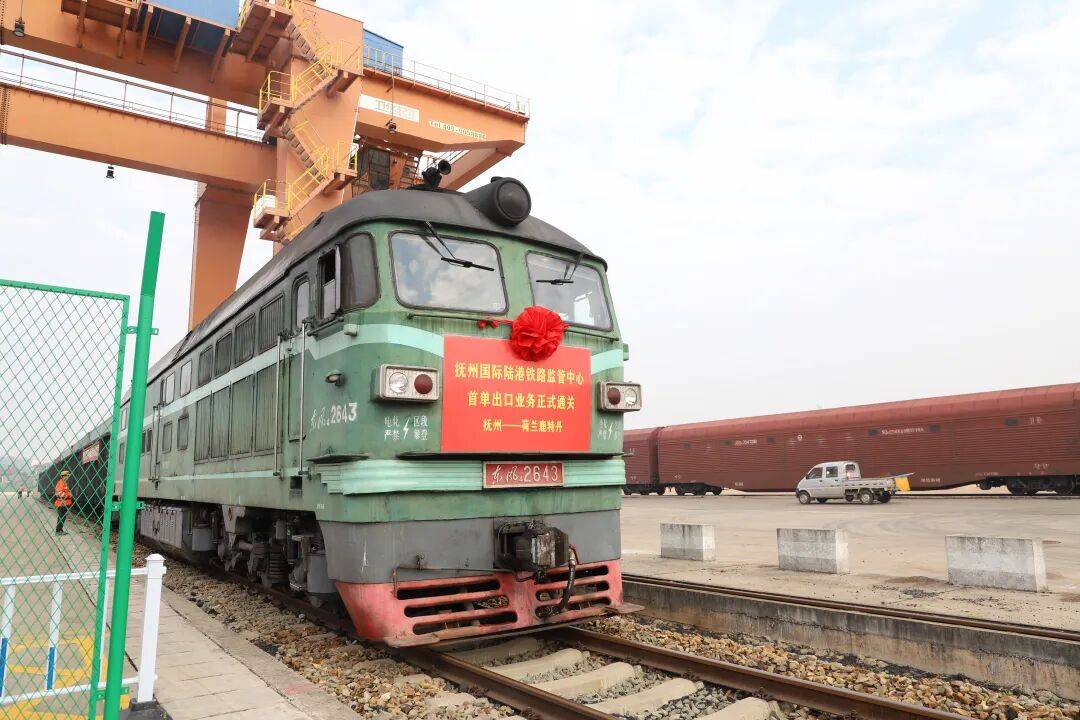
抚州国际陆港铁路监管中心正式封关运行
Sou Hu Cai Jing· 2026-01-25 20:51
Group 1 - The operation of the Fuzhou International Land Port Customs Supervision Center marks a significant step in enhancing international logistics channels and cross-border trade services in the region [1][5] - The customs supervision facility leverages the transportation advantages of the Xiang-Pu Railway and Xingquan Railway, enabling seamless connections with coastal ports like Quanzhou and Ningbo, thus establishing a one-stop foreign trade service system [3][5] - The new customs center addresses the logistical bottlenecks faced by Fuzhou, which lacks direct foreign ports, and allows local foreign trade enterprises to complete customs procedures locally, enhancing the region's open economy [5][6] Group 2 - The new logistics model allows for a significant reduction in logistics costs, estimated to decrease by approximately 30%, by enabling direct customs processing and sea-rail intermodal transport [6] - The implementation of this system provides a more efficient customs process, offering "one declaration, one inspection, and one release," which greatly improves foreign trade logistics efficiency [3][6]
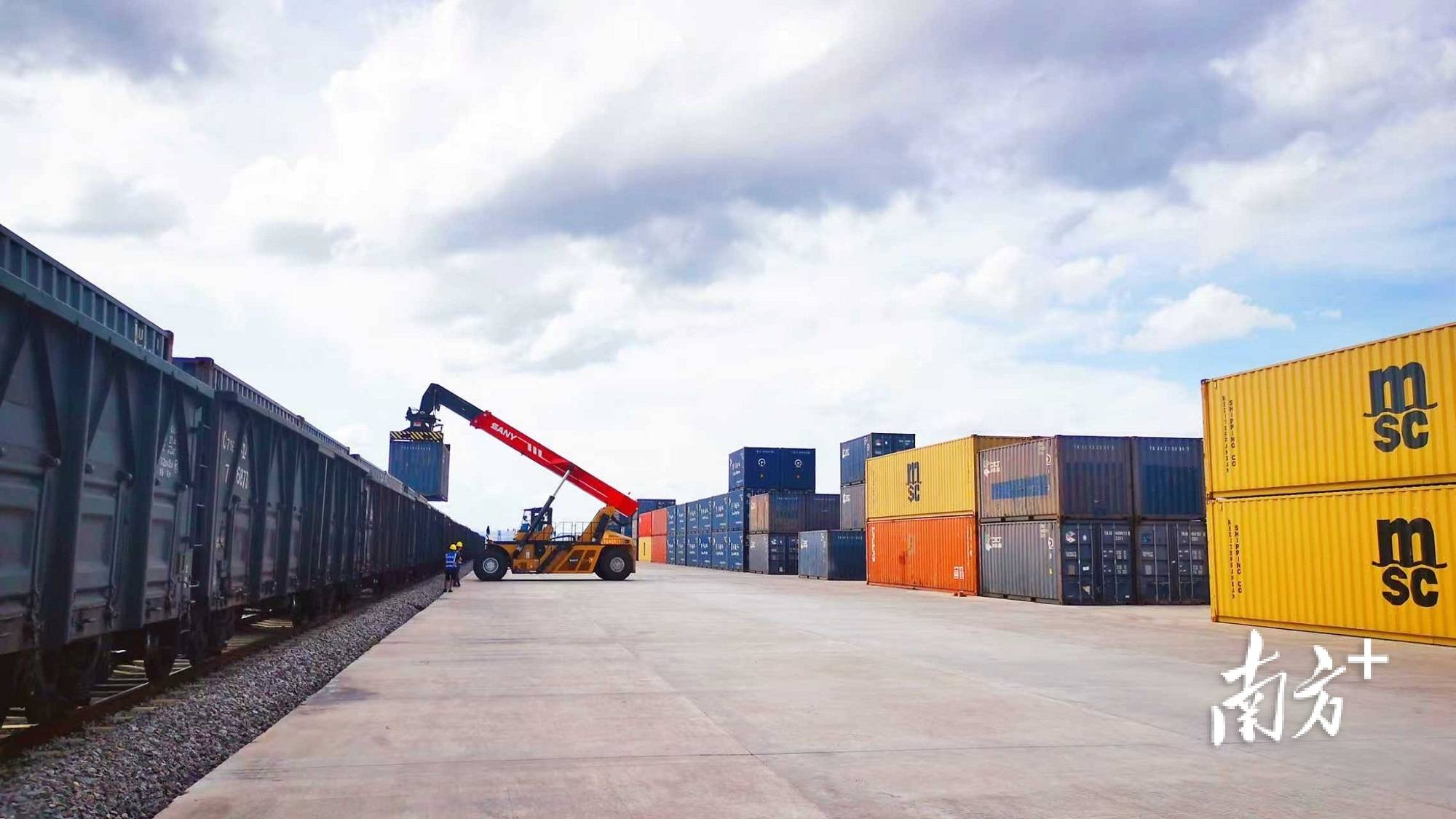
“临沂-青岛港”轻装设备海铁联运专列开通
Da Zhong Ri Bao· 2026-01-19 09:23
Core Viewpoint - Shandong Port has launched a new sea-rail intermodal service connecting Linyi and Qingdao Port, establishing a logistics company to enhance regional manufacturing export capabilities [1] Group 1: Company Overview - Shandong Port has established the Shandong Port Haihe (Linyi) International Logistics Co., Ltd. in collaboration with Linyi Urban Development Group [1] - The new logistics company aims to integrate port, railway, and trade logistics resources to create a regional sea-rail intermodal hub [1] Group 2: Strategic Initiatives - The partnership will provide tailored solutions for local manufacturing enterprises, promoting Linyi's logistics advantages to connect globally [1] - The initiative is expected to advance the integration of port and city, supporting Linyi's goal of becoming a provincial sub-center and accelerating its development towards a trillion-yuan city [1]

11月增速居全省首位 梅州外贸增长点在哪
Sou Hu Cai Jing· 2026-01-15 04:14
Core Insights - In 2025, Meizhou's import and export reached 9.68 billion yuan, a year-on-year increase of 10.9%, ranking fourth in the province, with exports at 6.71 billion yuan (up 0.8%) and imports at 2.97 billion yuan (up 43.2%) [1] - The growth in November was particularly notable, with a total of 1.35 billion yuan in imports and exports, marking a 79.4% increase and the highest growth rate in the province [1] - Key highlights include rapid growth in both imports and exports, significant increases in bonded logistics, high participation of private enterprises, and strong performance in the export of electromechanical products and computer components [1] Trade and Economic Development - Meizhou has implemented a series of measures to enhance foreign trade, focusing on upgrading consumer spending, promoting local agricultural products, and modernizing traditional manufacturing [1] - The establishment of the Meizhou International Land Port has strengthened logistics and trade connections, facilitating a "port + hinterland" development model [12][13] Cross-Border E-Commerce - The cross-border e-commerce sector in Meizhou has shown remarkable growth, with the establishment of a bonded maintenance project for Xiaomi products, expected to generate an import and export value of approximately 1 billion yuan over three years [6][7] - The Meizhou Customs has enhanced safety regulations for cross-border e-commerce goods, improving transparency and traceability for consumers [5] Agricultural Exports - Meizhou's pomelo exports have significantly contributed to rural revitalization, with over 800 tons exported in 2025 to countries like New Zealand and the Middle East [9][11] - The local customs have implemented measures to facilitate the export of agricultural products, including a "green channel" for quick inspections [11] Logistics and Infrastructure - The Meizhou International Land Port has opened eight sea-rail intermodal transport routes, achieving a total transport value of over 1.6 billion yuan [15][17] - The collaboration with Shantou Port enhances logistics efficiency and reduces costs for local enterprises, supporting the export of Meizhou's products [14][17] Industry Recognition - The operational model of Meizhou International Land Port has been recognized as an excellent case in intermodal transport development, highlighting its role in regional logistics and trade [16][17]
成都都市圈再添一个海关监管中心
Xin Lang Cai Jing· 2026-01-14 18:39
Core Viewpoint - The establishment of the Deyang International Railway Logistics Port Customs Supervision Center enhances the customs infrastructure in the Chengdu metropolitan area, facilitating better services for foreign trade and promoting regional economic development [1]. Group 1: Customs Supervision Center - The Deyang International Railway Logistics Port Customs Supervision Center is the first railway transport customs supervision facility in Deyang, officially operational as of January 14 [1]. - This new center enables the implementation of a model for import and export trade that includes "port advance, local customs clearance, sea-rail intermodal transport, and seamless connection" [1]. Group 2: Operational Efficiency - The center's operation allows local enterprises to complete the entire customs clearance process, including declaration and inspection, on-site, significantly reducing clearance time [1]. - The customs clearance process will be expedited, with a target to achieve "same-day application submission, next-day inspection, and approval within the week" by December 2025 [1]. Group 3: Economic Impact - The new customs facility is expected to lower costs, speed up processes, and enhance efficiency for enterprises engaged in import and export activities [1]. - By facilitating direct access to customs for goods through rail-sea and rail-rail intermodal transport, the center helps avoid delays associated with off-site processing [1].
全球首个14亿吨大港,在中国诞生!
Sou Hu Cai Jing· 2026-01-07 02:53
Core Insights - Ningbo-Zhoushan Port achieved a cargo throughput of over 1.4 billion tons in 2025, becoming the world's first port to reach this milestone and is expected to maintain its position as the global leader for 17 consecutive years [2] - The port's container throughput exceeded 43 million TEUs in 2025, securing its position as the third largest globally [2] - The port ranked seventh in the global international shipping center cities according to the 2025 Baltic International Shipping Center Development Index Report [2] Group 1: Infrastructure and Capacity - The navigation capacity of Ningbo-Zhoushan Port saw a significant breakthrough in 2025, with the completion of the 300,000-ton expansion project of the Zhaojimen Channel, enhancing the passage capacity for ultra-large vessels by over 50% [4] - By the end of 2025, the port had 309 container shipping routes connecting over 700 ports in more than 200 countries and regions, with nearly 300 vessels arriving and departing daily, maintaining the second position globally in port connectivity index [4] - The port's sea-rail intermodal transport lines exceeded 110, covering 69 cities across 16 provinces, with over 2 million TEUs handled [4] Group 2: Operational Developments - Multiple berths at the Chuan Mountain Port Area and Meishan Port Area were opened in 2025, with 11 container berths at Chuan Mountain achieving full accessibility, significantly facilitating international vessel docking [6] - The overseas business of Ningbo-Zhoushan Port made progress in 2025, with logistics networks centered around warehouses in Germany and Dubai, and new offices established in Singapore and Japan, accelerating the formation of a global operational network [6] - The "Ningbo-Zhoushan Port - William Port" China-Europe express route entered regular operation in 2025, shortening the journey by over 10 days, and established a dual fast logistics model combining sea-rail intermodal transport and the express route [6]