
消费心理

Search documents
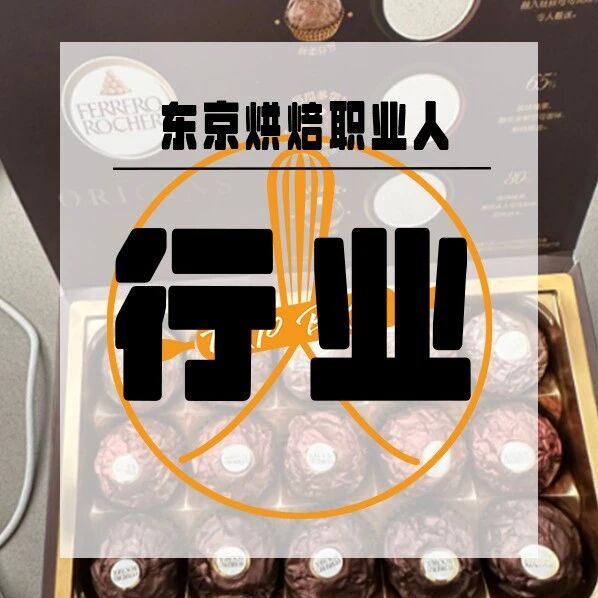
硬控中国人几十年,3元一颗的巧克力一年捞走上千亿?
东京烘焙职业人· 2026-03-09 08:33
Core Viewpoint - Ferrero has established itself as a dominant player in the high-end chocolate market in China, generating over 150 billion in annual revenue globally, second only to Mars and Mondelez [6][8]. Group 1: Market Position and Cultural Impact - Ferrero is the only family-owned company in the global candy industry that competes with major giants without being publicly listed [3][7]. - The brand has become synonymous with festive occasions in Guangdong, where it significantly influences local GDP and consumer behavior during holidays [6][10]. - Ferrero's market share in China is 28%, making it the second-largest player in the offline chocolate market, just behind Mars [6][8]. Group 2: Product Strategy and Consumer Behavior - The success of Ferrero's chocolate ball, known as "金莎" (Golden Ferrero), is attributed to its luxurious packaging and cultural resonance with Chinese consumers who value prestige and face [9][10]. - Ferrero's pricing strategy is unconventional; larger packages are priced higher per piece, catering to the gifting culture where consumers are willing to spend more for presentation [14][15]. - The brand's reliance on gifting occasions has resulted in lower penetration in everyday consumption compared to competitors, highlighting a potential area for growth [16]. Group 3: Innovative Products - Ferrero's Kinder Surprise, launched in the 1970s, has become a significant product in the children's market, selling 3.5 billion units annually in China [17][19]. - The Kinder Surprise has been described as a pioneer in the blind box toy market, appealing to both children and adults, and contributing to a 14% increase in the group's pre-tax profits [19].

请回答「Knock Knock 世界」NO. 260111
声动活泼· 2026-01-11 10:04
Group 1 - The article discusses the rising popularity of running shoes among youth, highlighting that many individuals purchase them not out of necessity but due to trends and peer influence [5] - It raises questions about the motivations behind the purchase of expensive running shoes, suggesting that emotional factors play a significant role beyond mere competition and following trends [5] - The article also touches on the environmental impact of overproduction in the clothing industry, indicating that unsold clothes often lead to waste and are not handled in an environmentally friendly manner [7] Group 2 - The podcast "Knock Knock World" is introduced, which aims to engage young audiences with global events and diverse perspectives, releasing episodes three times a week [10][12] - The first season of the podcast is available for purchase at a price of 365 yuan, with episodes accessible on various audio platforms [10][13] - The podcast is a collaboration between "Sound and Vibrancy" and "One-Tenth," focusing on unlocking fresh insights for youth [10][14]

为何电商平台大量飞天茅台酒没有人要,问题不止在假货疑云,更深埋于消费心理和市场规则的崩裂
Sou Hu Cai Jing· 2026-01-04 13:39
Core Viewpoint - The article discusses the persistent issue of counterfeit products affecting the reputation of the Moutai brand, highlighting the challenges in consumer trust and the dynamics of supply and demand in the market [2][3][5]. Group 1: Counterfeit Concerns - The Moutai brand has faced significant trust issues due to past counterfeit incidents, leading to a lack of consumer confidence despite claims of authenticity from e-commerce platforms [2]. - The presence of counterfeit products creates a psychological barrier for consumers, making them hesitant to purchase Moutai from platforms that offer lower prices, as it raises suspicions about authenticity [3]. Group 2: Market Dynamics - The i Moutai platform has become a symbol of scarcity and trust, as it is perceived to offer a lower probability of counterfeit products due to its official direct sales model [2]. - The pricing dynamics on e-commerce platforms, where Moutai is often sold at or below official prices, paradoxically signals potential issues with authenticity, further complicating consumer perceptions [3]. Group 3: Solutions and Recommendations - A call for a more transparent verification system is necessary, moving beyond self-declaration to a comprehensive traceability mechanism that utilizes technology such as blockchain to ensure product authenticity [4]. - The article suggests that the logic of scarcity surrounding Moutai should be reassessed, advocating for the establishment of official flagship stores on major e-commerce platforms to align pricing and accountability [4]. - A long-term strategy is needed to rebuild consumer trust, involving collaboration across the entire industry, including manufacturers, sales platforms, and technology firms, to create a more reliable purchasing experience [4][5].


2025消费复盘,你的工资去哪了?| 调研
第一财经· 2025-12-04 07:40
Group 1 - The article discusses various interesting consumer phenomena that occurred throughout the year, such as the rise of LABUBU and Laopu Gold at the beginning of the year, and the competitive landscape of food delivery and instant retail in the middle of the year [1][2]. - It highlights a shift in consumer psychology, questioning what motivates spending and what consumers are no longer willing to pay for [2]. - The article mentions a survey initiated by DT Business Observation to explore consumer spending habits and psychological changes as the year comes to a close, with results expected in one month [2][3].
从“心”激活消费新动能
Sou Hu Cai Jing· 2025-11-05 09:38
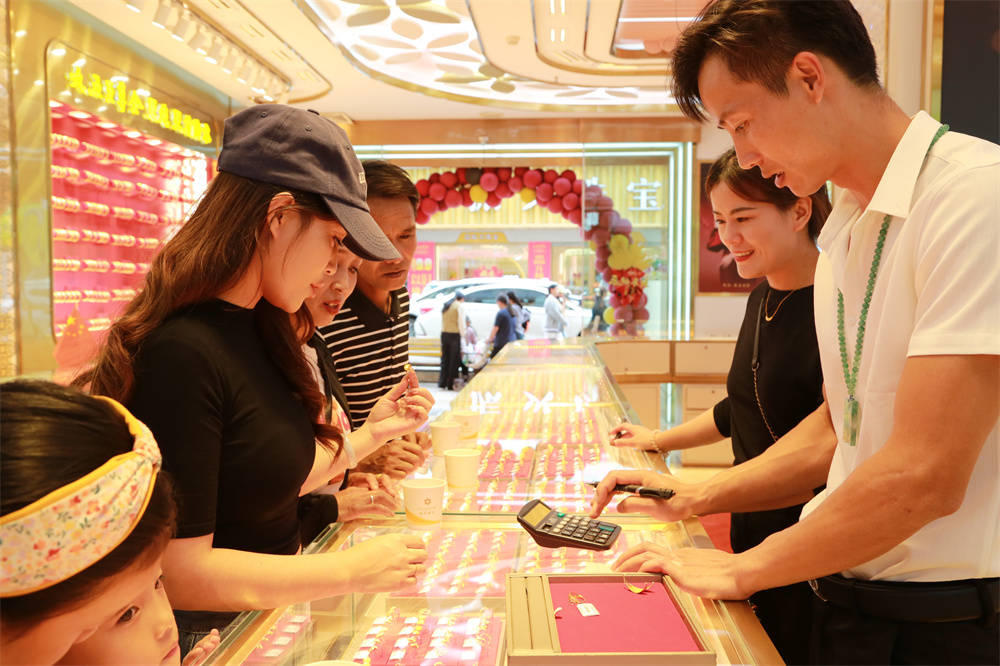
Group 1: Economic Contribution of Domestic Demand - In 2024, domestic demand is expected to contribute 69.7% to economic growth, with final consumption expenditure accounting for 44.5% [1] - By the first half of 2025, domestic demand's contribution to GDP growth is projected to reach 68.8%, becoming the main driver of GDP growth [1] Group 2: Consumer Psychology and Pricing - Consumer behavior is significantly influenced by psychological factors such as price trends, income expectations, and the consumption environment [1] - Price is a powerful market signal that affects consumer and producer behavior; rising prices typically lead to decreased demand, while falling prices can stimulate consumption [2] - The "Veblen Effect" suggests that higher prices can attract consumers by signaling higher quality and status, while the "Giffen Paradox" indicates that demand for certain goods may increase as their prices rise due to perceived necessity [2][3] Group 3: Income Distribution and Consumer Capacity - Consumer capacity is directly related to income levels, with income inequality and instability being long-term issues affecting consumption in China [7] - In 2024, China's Gini coefficient is reported at 0.462, indicating significant income disparity [7] - The average disposable income for urban residents is 54,188 yuan, while for rural residents it is 23,119 yuan, with an urban-rural income ratio of 2.34:1 [7] Group 4: Policy Recommendations for Consumption - Recommendations include optimizing consumption policies to stabilize consumer price expectations and ensure reasonable profit margins above costs [4] - The government is advised to enhance income distribution reforms and explore various channels to increase the income of low- and middle-income groups [8] - It is suggested to improve the social security system and enhance public services to alleviate concerns regarding pensions and healthcare [8] Group 5: Consumer Environment and Trust - A safe and reliable consumption environment is crucial for enhancing consumer experience and willingness to spend [9] - Despite improvements, there are still significant issues in consumer rights protection and various market challenges that affect consumer sentiment [10] - In 2024, consumer complaints increased by 32.62%, highlighting ongoing issues in service quality and product safety [10] Group 6: Regulatory and Monitoring Measures - It is recommended to strengthen regulatory measures to prevent unfair competition and ensure compliance with pricing standards [4][11] - Establishing a smart regulatory system and enhancing consumer rights protection mechanisms are essential for fostering a trustworthy market environment [11] - The government should promote transparency and accountability among businesses to improve consumer confidence [11] Group 7: Economic Context and Future Outlook - The current international economic landscape emphasizes the urgency of expanding domestic demand and boosting consumption [12] - Optimizing consumption policies based on consumer psychology is vital for unlocking consumption potential and driving economic growth [12]
鸡翅凭啥比整鸡贵?三大因素揭开价格密码
Sou Hu Cai Jing· 2025-10-07 01:48
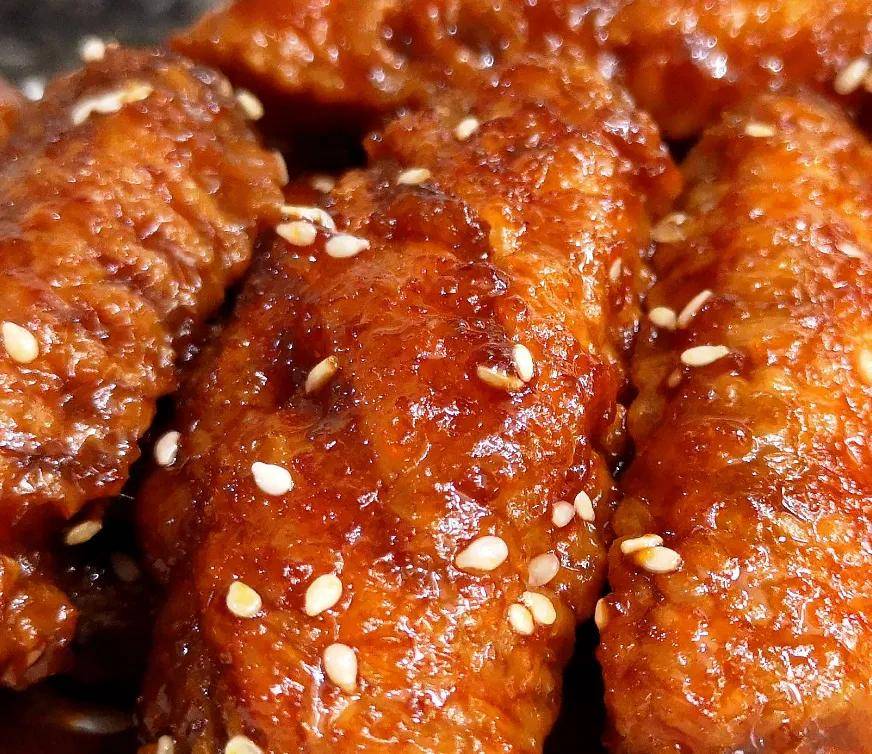
Group 1 - The core viewpoint highlights a significant imbalance in the supply and demand of frozen chicken wings, with a market size projected to reach 7.5 billion yuan by 2025, yet a supply gap persists [1] - In the East China region, over 30% of chicken wings are imported, as domestic farms prefer selling whole chickens, contributing to the supply shortage [1] - Demand for chicken wing dishes is increasing, with takeaway platforms reporting a 25% annual growth in sales of meals containing chicken wings, which directly drives up prices [1] Group 2 - The added value of chicken wings is increasing, with regular chicken wings selling for 25 yuan per kilogram in supermarkets, while processed versions can sell for 40 yuan per kilogram due to additional costs from deboning, marinating, and sterilization [3] - In the restaurant sector, a popular grilled wing dish has a raw material cost of 5 yuan but is sold for 28 yuan, indicating significant brand premium and experiential value [3] Group 3 - Consumer psychology shows a trend where higher prices lead to increased purchases, as serving chicken wings is perceived as more prestigious than serving whole chickens [3] - In the gift market, sales of packaged chicken wings exceed 1.5 billion yuan annually, with packaging costs accounting for 30% of the selling price, yet consumers continue to buy [3]
普通中产家庭,别培养道德感很强的孩子
3 6 Ke· 2025-07-14 13:22
Core Viewpoint - The article emphasizes the importance of teaching children to be pragmatic and resilient in a competitive society rather than overly focusing on moral education, which may leave them unprepared for real-world challenges [2][10][20]. Group 1: Education Philosophy - Traditional Chinese education often emphasizes protection and moral values, which may not equip children for the harsh realities of life [3][4][6]. - Parents may overestimate their ability to provide lifelong support, leading to a disconnect when children face societal challenges [4][7][10]. - Moral education is often more feasible for wealthy families who can afford to practice their values, while ordinary families may inadvertently harm their children by overemphasizing morality without practical skills [8][10]. Group 2: Real-World Preparedness - Children raised with a strong moral compass may struggle in a competitive environment where such values are not reciprocated [11][14][18]. - The article argues that teaching children to prioritize their own survival and financial independence is crucial, especially for middle-class families [20][24]. - Practical life skills and understanding market dynamics should be integrated into children's education to prepare them for future challenges [21][22][23]. Group 3: Parental Responsibility - Parents should focus on developing their own understanding of the world before imparting lessons to their children, ensuring that they provide coherent and practical guidance [26][27]. - The article suggests that merely enrolling children in various classes does not equate to effective education; parents must engage actively in teaching survival skills [25][24].
消费者行为杂谈
Hu Xiu· 2025-06-23 03:23
Group 1 - The article discusses consumer behavior and preferences, highlighting how regional differences influence food choices, such as rice in the south and wheat in the north of China [2][3] - It emphasizes the difficulty of changing established taste preferences, as seen in the author's experience with northern workers in Guangdong who preferred their hometown cuisine over local dishes [2][3] - The article uses Coca-Cola as an example of a product with universal appeal, noting its low price point of 2.5 yuan per can and the company's strong brand presence that allows it to maintain market dominance [3][4] Group 2 - The article introduces See's Candies as a differentiated company in the candy industry, which has historically struggled with profitability [5][6] - It highlights that 80% of See's sales come from gift-giving occasions, particularly during holidays, indicating a unique market positioning [5][6] - The brand's strong reputation in California allows it to command higher prices, as consumers associate it with quality, making it a preferred gift choice [6][7] Group 3 - The article points out that See's Candies has not expanded beyond California despite its strong local brand recognition, illustrating the challenges of replicating brand loyalty in new markets [7][8] - It discusses the concept of weak demand for candy as a product category, emphasizing that without a strong local brand presence, consumers may not consider candy a suitable gift [8][9] - The article concludes that understanding consumer psychology and behavior is crucial for analyzing and appreciating the strength of a consumer brand [9][10]

