电商信任危机

Search documents
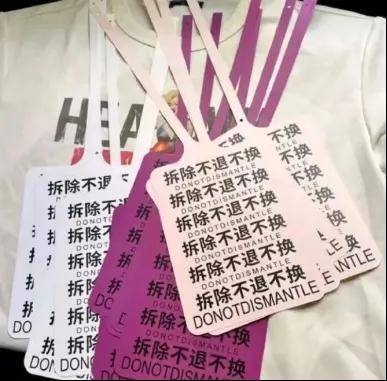
比脸还大的“巨型吊牌” 实际是电商信任的“巨型危机”
Sou Hu Cai Jing· 2026-02-05 07:15
Group 1 - The emergence of oversized anti-theft tags on online clothing reflects merchants' response to the abuse of the "seven-day no-reason return" policy, which has led to increased operational costs due to returned items that are often worn or stained [1][3] - The return rate for women's clothing in e-commerce is as high as 50%-60%, indicating a distorted consumer mentality where purchasing is perceived as renting, undermining the trust foundation of the online shopping environment [3][4] - The oversized tags serve as a physical deterrent to discourage opportunistic consumers who exploit return policies, highlighting the imbalance in platform rules that favor consumer protection over merchant interests [3][4] Group 2 - The concept of "trust cost" in e-commerce is rising, as merchants bear the financial burden of a few dishonest consumers, which may ultimately be passed on to all consumers [4][5] - While oversized tags may temporarily reduce return rates, they are a stopgap measure; a comprehensive credit system is essential for long-term resolution [5][6] - Rebuilding trust requires collective efforts from consumers, merchants, and platforms to foster a fair shopping environment, emphasizing the importance of integrity and responsibility in online transactions [5][6]

卖家AI美图,买家AI索赔:电商平台AI攻防战
3 6 Ke· 2026-01-19 11:24
Core Insights - The rise of AI technology is leading to a significant increase in fraudulent activities on e-commerce platforms, undermining trust between merchants and consumers [1][2] - A mature fraud chain has emerged, where "wool party" users generate fake defect images using AI tools to request refunds without returning products, exploiting low-cost and low-skill barriers [2][3] - Merchants are also using AI for deceptive practices, such as enhancing product images and using virtual models, which mislead consumers about the actual quality of products [5][6] Group 1: Fraudulent Activities - The "wool party" users create fake defect images using AI tools like Nano Banana and Midjourney, allowing them to claim refunds while keeping the products [2] - The low entry barrier for AI-generated images contrasts with traditional photo editing, making it easier for fraudsters to operate [2][3] - Fraudulent activities have evolved from individual cases to organized, professional operations, with clear divisions of labor among fraudsters [4] Group 2: Merchant Responses - Larger companies have legal teams and strategies to combat fraud, while smaller merchants often lack resources and choose to compromise due to high legal costs [3][4] - Many small merchants report that the cost of legal action exceeds the losses incurred, leading to a lack of effective recourse [3][4] - Merchants are increasingly facing challenges as fraud becomes more organized and sophisticated, making it difficult to protect their interests [3][4] Group 3: Legal and Regulatory Framework - Current legal frameworks provide avenues for victims to seek redress, but enforcement is often weak, and cases rarely lead to significant penalties for fraudsters [9][11] - There is a call for improved legal standards and unified judicial interpretations to address AI-related fraud effectively [11] - Recommendations include the establishment of timestamp services and AI image verification to aid in evidence collection and reduce the burden on victims [11]
最脏的一幕,出现了!
商业洞察· 2025-11-22 09:23
Core Viewpoint - The article discusses the rise of AI-generated fake images used for fraudulent refund claims in the e-commerce sector, highlighting the negative impact on trust and the operational challenges faced by merchants [4][5][24]. Group 1: AI Fraud in E-commerce - E-commerce businesses are facing a surge in fraudulent refund requests, where individuals use AI-generated images to falsely claim product defects [6][21]. - Merchants report that these fake images are often obvious, with some even containing AI watermarks, yet they still lead to successful refund claims [7][11]. - The food sector is particularly vulnerable, with AI-generated images making it difficult to discern real product quality issues [13][14]. Group 2: Impact on Merchants - The "only refund" policy, initially designed to simplify returns, has become a burden for merchants as they now have to scrutinize refund requests more closely [21][22]. - Merchants are increasingly forced to raise prices to offset losses from fraudulent refunds, which ultimately affects consumers [27][29]. - Small businesses, especially those in lower-tier cities, are significantly impacted by these fraudulent activities, threatening their daily operations and livelihoods [28][30]. Group 3: Legal and Platform Responses - The government has begun implementing measures to combat AI misuse, including regulations against the malicious use of AI-generated content [33][34]. - E-commerce platforms are enhancing their verification systems to protect merchants' rights and prevent fraudulent activities [34]. - The article emphasizes the need for a collective effort from legal frameworks, platforms, and a culture of integrity to restore trust in the e-commerce ecosystem [32][34]. Group 4: Trust and Ethical Considerations - The article argues that the misuse of AI for fraud represents a significant breach of trust, which is essential for the functioning of e-commerce [39][42]. - It calls for a return to basic ethical principles in transactions, emphasizing honesty and transparency between buyers and sellers [43][44].

6·18的“七年之痒”:从狂欢到集体麻木了?
Sou Hu Cai Jing· 2025-06-17 11:50
Core Insights - The annual "6·18" shopping festival, initially a celebration for JD.com, has evolved into a significant mid-year promotional event for the Chinese e-commerce industry, but it is now showing signs of fatigue and a trust crisis among consumers [2][3] Group 1: Sales Performance - In 2024, the total sales during the "6·18" event reached 742.8 billion yuan, marking a nearly 7% decline year-on-year, the first drop since 2018 [3][11] - Major e-commerce platforms have collectively stopped disclosing GMV (Gross Merchandise Volume) data, instead focusing on vague metrics like user engagement and order volume, reflecting their acknowledgment of growth challenges [3][8] Group 2: Consumer Attitudes - Consumer sentiment towards "6·18" has shifted significantly, with fewer social media posts celebrating purchases and a growing number of complaints about issues like product quality and return difficulties [4][11] - The Chinese Consumers Association reported a change in consumer complaints from traditional issues to new pain points such as "substandard goods" and "difficulties in returns," indicating a deeper change in the relationship between consumers and the shopping festival [4][10] Group 3: Marketing Strategies - Over-marketing has become a major turn-off for consumers, with platforms bombarding users with promotional ads, leading to increased resistance rather than purchase motivation [6][7] - The use of deceptive discount practices, such as artificially inflating prices before discounts, has eroded consumer trust, as many consumers find advertised "lowest prices" do not hold up under scrutiny [7][10] Group 4: Changing Consumer Behavior - The economic environment post-pandemic has led to a more rational consumer mindset, with a focus on value for money rather than impulsive buying, as evidenced by the decline in sales during "6·18" [11][12] - The rise of second-hand markets reflects a shift towards more sustainable consumption, challenging traditional e-commerce promotional models [12][13] Group 5: Generational Differences - Younger consumers (Gen Z) show a growing interest in low-cost options but exhibit low brand loyalty, indicating a need for e-commerce platforms to adopt more nuanced marketing strategies [12][13] - Mature consumers are becoming more cautious and resistant to traditional marketing tactics, necessitating a shift towards more refined operational strategies by e-commerce platforms [13]