
网购服装

Search documents
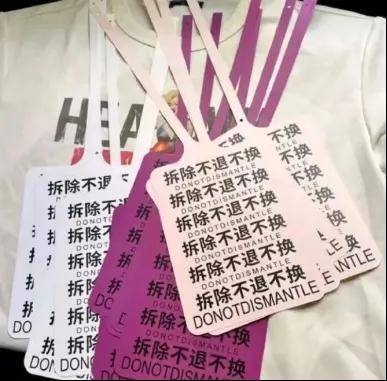
比脸还大的“巨型吊牌” 实际是电商信任的“巨型危机”
Sou Hu Cai Jing· 2026-02-05 07:15
Group 1 - The emergence of oversized anti-theft tags on online clothing reflects merchants' response to the abuse of the "seven-day no-reason return" policy, which has led to increased operational costs due to returned items that are often worn or stained [1][3] - The return rate for women's clothing in e-commerce is as high as 50%-60%, indicating a distorted consumer mentality where purchasing is perceived as renting, undermining the trust foundation of the online shopping environment [3][4] - The oversized tags serve as a physical deterrent to discourage opportunistic consumers who exploit return policies, highlighting the imbalance in platform rules that favor consumer protection over merchant interests [3][4] Group 2 - The concept of "trust cost" in e-commerce is rising, as merchants bear the financial burden of a few dishonest consumers, which may ultimately be passed on to all consumers [4][5] - While oversized tags may temporarily reduce return rates, they are a stopgap measure; a comprehensive credit system is essential for long-term resolution [5][6] - Rebuilding trust requires collective efforts from consumers, merchants, and platforms to foster a fair shopping environment, emphasizing the importance of integrity and responsibility in online transactions [5][6]

网购衣服总踩雷?下单前先来这里查查投诉记录
Xin Lang Cai Jing· 2025-12-18 06:29
Core Viewpoint - Online clothing shopping has become a daily habit for many, but it also comes with significant consumer pain points such as discrepancies between images and actual products, material quality issues, sizing inconsistencies, complicated return processes, and even vendor disappearances [1][2]. Group 1: Reasons for High Complaint Rates in Online Clothing Shopping - Online clothing shopping is characterized by high frequency, low prices, and quick decision-making, which can obscure various issues [6]. - Severe information asymmetry exists, making it difficult for consumers to assess the actual color, texture, and fit of products based on model and scene photos [6]. - Quality standards vary widely, with some brands lacking adequate quality control, leading to subpar materials and craftsmanship [6]. - High barriers to after-sales service often result in disputes over returns, with merchants frequently rejecting returns based on various excuses [6]. - The fast fashion model can lead to neglect of quality and after-sales service, with some shops closing down abruptly, leaving consumers with no recourse [6]. Group 2: Channels for Querying Merchant Complaint Records - The National 12315 platform is the primary official channel for consumer complaints, allowing users to check if a business has been complained about, the number of complaints, and the specific issues and resolutions [9]. - The China Consumers Association and local consumer associations regularly publish consumer warnings and complaint analysis reports, highlighting common risks in the online clothing shopping sector [9]. - Third-party public complaint platforms, such as the Black Cat Complaint platform, aggregate consumer complaints and provide a dynamic "merchant reputation archive" [9]. Group 3: Targeted Strategies for Avoiding Pitfalls - Consumers should focus on specific complaint types related to online clothing shopping, such as quality issues, false advertising, after-sales service, and vendor disappearances [10]. - Developing a habit of checking complaint records before making purchases can significantly reduce the likelihood of encountering problems [10]. - Utilizing platforms like 12315, consumer association information, and Black Cat Complaint can help consumers make informed decisions based on historical performance of merchants [10].
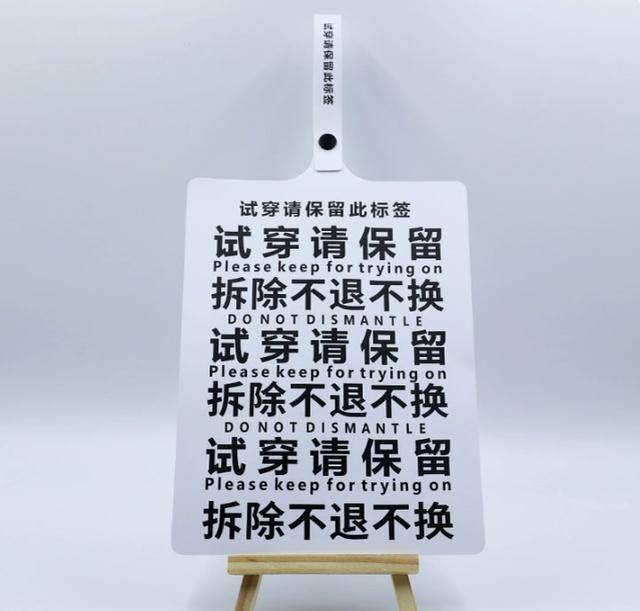
锐评|解决信任危机不能光靠“巨型吊牌”
Sou Hu Cai Jing· 2025-11-24 20:12
Core Viewpoint - The emergence of oversized anti-tampering tags in online clothing shopping reflects the high "trust cost" in the e-commerce sector, driven by rampant "wear and return" practices that burden retailers [2][3]. Group 1: Industry Challenges - The fashion industry is facing significant pressures from high inventory and rapid turnover, exacerbated by the increasing prevalence of "wear and return" incidents [2]. - Public data indicates that the return rate for women's clothing in e-commerce is as high as 50% to 60%, with live-streaming returns exceeding 80% [2]. Group 2: Consumer Behavior - Reports highlight that some consumers purchase clothing for one-time events, such as weddings or trips, and return them after use, contributing to increased operational costs for retailers [2]. - Student groups have been known to collectively purchase clothing for events and exploit platform rules for returns, often returning items that are wrinkled, stained, or visibly worn [2]. Group 3: Retailer Responses - Retailers are resorting to physical measures like oversized tags to deter opportunistic consumers who intend to "rent" clothing for free, as traditional methods of counteraction are ineffective under current platform rules [2][3]. - The oversized tags, while seemingly absurd, serve to protect the integrity of the consumption ecosystem by making it more difficult for dishonest consumers to exploit return policies [3]. Group 4: Future Considerations - There is a need for the establishment of more reasonable return policies and a transparent credit system to prevent exacerbating competition and "involution" in the market [3][4]. - A sustainable trading ecosystem requires collaboration between retailers and consumers, emphasizing the importance of mutual trust rather than reliance on physical deterrents [4].
网购食品存短板 酒店涨价引不满 “五一”期间镇江消费投诉总体平稳
Yang Zi Wan Bao Wang· 2025-05-08 04:55
Group 1 - The core viewpoint of the articles highlights the significant increase in consumer complaints during the "May Day" holiday period, with a total of 535 complaints received, marking a year-on-year increase of 53.74% [1] - The main categories of complaints include food-related issues, dining, and accommodation services, with food complaints accounting for 30.08% of total product-related complaints [1] - The rise in complaints is attributed to various factors, including false advertising by online food sellers, difficulties in refunding accommodation bookings, and price hikes by hotels during peak times [1][2] Group 2 - Specific issues in the food category include misleading claims about food benefits, discrepancies between food images and actual products, and short weight in deliveries [1] - Accommodation complaints primarily revolve around difficult refund policies, sudden price increases, and expired toiletries provided by hotels [1] - Online shopping complaints focus on delayed shipments, incorrect prescription glasses, and counterfeit brand products [2]