硅碳共治

Search documents
Cobo 的内部 AI 转型:从孵化尝试到“硅碳共治”
Xin Lang Cai Jing· 2026-02-25 09:41
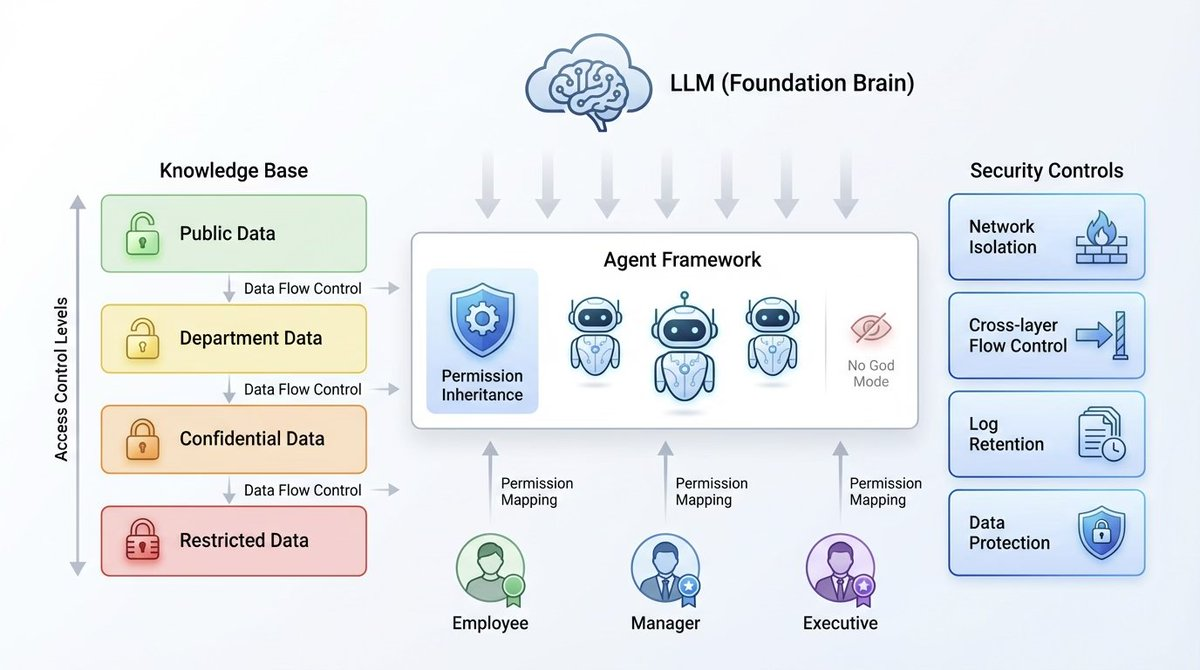
Core Insights - Cobo is exploring the integration of AI and blockchain, aiming to create a standardized skill potential through its MCP application store, although initial attempts faced challenges due to high technical barriers and costs [1][2] - The company has shifted focus from external client transformation to internal improvements, emphasizing data security and the development of an internal knowledge base and agent framework [2][4] - Cobo has implemented a top-down approach to encourage AI adoption within the organization, starting with the OKR Agent to enhance management processes and accountability [6][8] Internal Transformation - The company established a structured internal knowledge base that assigns data access based on employee permissions, ensuring security and preventing data leaks [4][5] - Initial resistance to AI from frontline employees was addressed by integrating AI into performance metrics, making it essential for employees to engage with the technology [8][12] - Over 100 specialized agents have been developed across various departments, promoting a culture of collaboration between humans and AI systems [10][12] Strategic Insights - Cobo emphasizes the importance of healthy cash flow to support the transition towards AI integration, viewing AI as a long-term structural upgrade rather than a cost-saving tool [14][15] - A strong push from management is deemed necessary for successful organizational change, as spontaneous transformation is unlikely [16][17] - Mandatory usage of AI tools is critical for achieving meaningful process changes, rather than mere encouragement [19][20] Future Outlook - The company is transitioning from a human-driven process to a goal-driven system, indicating a significant shift in operational dynamics [23] - Cobo has launched the Cobo WaaS Skill, designed for AI Coding Agents, which enhances the integration and operational capabilities of agents, reducing development cycles [24][25] - The ongoing transformation reflects a broader understanding of needs in the AI era, positioning Cobo as a more advanced entity compared to its state in 2024 [26]

定义「弹性硅基雇佣」时代,百融云创的RaaS模式探索与引领
3 6 Ke· 2026-02-18 07:04
Core Insights - The article discusses the emergence of "silicon-based assistants" as a solution to the labor shortage faced by traditional industries during the long Chinese New Year holiday [3][4] - It highlights the shift from traditional SaaS (Software as a Service) models to RaaS (Results as a Service) models, emphasizing the flexibility and efficiency of AI-driven solutions [8][14] Group 1: Silicon-Based Assistants - Silicon-based assistants are defined as AI agents capable of perceiving their environment and taking actions to achieve specific goals, thus streamlining daily tasks for employees [5] - Baifeng Zhang, CEO of BaiRong Cloud, implemented a silicon-based assistant to manage daily operations, allowing executives to focus on core business activities [4][6] - The silicon-carbon ratio within BaiRong indicates that one carbon-based employee can manage approximately 150 silicon-based employees, showcasing the scalability of this model [6] Group 2: Transition from SaaS to RaaS - The RaaS model charges clients based on the results achieved through silicon-based employees, contrasting with the rigid fee structure of SaaS based on the number of human employees [8][14] - The article cites a16z's report indicating a fundamental shift in the SaaS industry, where AI agents are expected to replace human labor in various tasks, leading to a new operational paradigm [8][10] - BaiRong's Results Cloud platform is designed to align business outcomes with AI capabilities, effectively transforming traditional labor dynamics into a more flexible and efficient model [10][12] Group 3: Performance Metrics and Impact - BaiRong's Results Cloud has shown significant performance improvements, with flagship silicon-based roles achieving remarkable results, such as a 217% increase in conversion rates for sales [12] - The revenue growth of BaiRong Cloud reached 22% in the first half of 2025, with a stable gross margin of 73%, indicating the financial viability of the RaaS model [14] - The article emphasizes the importance of private data in training AI agents, which enhances their performance and strengthens the relationship between the platform and its clients [14][15]
定义「弹性硅基雇佣」时代,百融云创的RaaS模式探索与引领
36氪· 2026-02-18 04:08
Core Viewpoint - The article discusses the emergence of "silicon-based assistants" as a solution to the "human resource vacuum" faced by traditional industries, particularly during peak periods like the Spring Festival holiday in China. This innovation is positioned as a transformative shift in productivity paradigms, moving from rigid human resource constraints to flexible productivity guarantees through AI-driven solutions [2][3][10]. Group 1: Silicon-Based Assistants - Silicon-based assistants, defined as AI agents capable of perceiving environments and taking actions to achieve specific goals, are being utilized to alleviate workload for both executives and frontline employees. These assistants can manage tasks such as scheduling and data processing through simple text or voice commands [6][7]. - The implementation of silicon-based assistants has led to a significant increase in productivity, with a silicon-to-carbon employee ratio of 1:150, indicating that one carbon-based employee can manage approximately 150 silicon-based assistants [7]. Group 2: RaaS Model - The article highlights the transition from the Software as a Service (SaaS) model to the Results as a Service (RaaS) model, which charges based on business outcomes rather than the number of employees. This shift is seen as a challenge to the traditional SaaS model, which has become increasingly rigid and less effective in addressing the "human resource vacuum" [10][11]. - RaaS is characterized by its flexibility in pricing based on results, including performance-based metrics, which contrasts with the fixed costs associated with SaaS. This model is gaining traction as it aligns more closely with the evolving needs of businesses in the AI era [16]. Group 3: Impact on Business Operations - The introduction of silicon-based assistants and the RaaS model is reshaping business operations, allowing companies to rapidly scale their workforce in response to fluctuating demands. This capability is essential for maintaining operational efficiency and addressing sudden increases in workload [13]. - The article notes that companies like McKinsey have significantly increased their use of AI agents, with a reported rise from thousands to 25,000 AI agents in just 18 months, indicating a broader industry trend towards integrating AI into workforce management [11]. Group 4: Performance Metrics - The performance of silicon-based assistants is evidenced by substantial improvements in key business metrics, such as a 217% increase in consultation conversion rates and a reduction in recruitment cycles from 28 days to just 2 days. These metrics demonstrate the effectiveness of AI in enhancing operational efficiency [14]. - The article emphasizes that the RaaS model not only benefits the platform provider but also leads to tangible growth for clients, with reported revenue growth of 22% for the company in the first half of 2025 [16]. Group 5: Future of AI in Business - The year 2025 is anticipated to be a pivotal moment for AI agents, with ongoing efforts to establish evaluation standards for their application in enterprises. This shift is expected to redefine industry norms and practices surrounding AI integration [17]. - The article concludes that the advancements in AI technology and the adoption of the RaaS model represent a revolutionary change in productivity paradigms, liberating carbon-based employees from repetitive tasks and allowing them to focus on more creative endeavors [18].
百融云-W尾盘涨近6% 公司在业界率先推出AI员工体系 有望重塑行业商业模式
Zhi Tong Cai Jing· 2026-01-06 08:00
Core Viewpoint - The company Baifengyun-W (06608) has launched a significant AI strategy, introducing "Silicon-based Employees" and an Agent ecosystem, marking a paradigm shift in AI from a tool to a productivity driver [1] Group 1: Company Developments - Baifengyun-W's stock rose nearly 6% at the close, with a current price of HKD 12.55 and a trading volume of HKD 45.48 million [1] - The company held the Silicon-based Productivity Conference on December 18, where it unveiled its enterprise-level AI Agent strategy [1] - The introduction of the Results as a Service (RaaS) business model and the launch of the Results Cloud platform signify a new commercial form of AI application [1] Group 2: Industry Implications - Haitong International views the launch of the AI employee system as a major strategic milestone for the industry [1] - The transition from selling model services to renting AI employees could lead to a disruptive change in the B2B AI and software industry [1] - If the AI employees can effectively address B2B client pain points and achieve large-scale commercial use, the company's business structure is expected to undergo significant changes, expanding beyond the financial sector to empower various industries [1]
港股异动 | 百融云-W(06608)尾盘涨近6% 公司在业界率先推出AI员工体系 有望重塑行业商业模式
智通财经网· 2026-01-06 07:59
Core Viewpoint - The company Baifeng Cloud-W (06608) has launched a significant AI strategy, introducing "Silicon-based Employees" and a results-as-a-service (RaaS) business model, which could transform its business structure and expand its market reach beyond the financial sector [1][1][1] Group 1 - Baifeng Cloud-W's stock rose nearly 6% to HKD 12.55, with a trading volume of HKD 45.49 million [1][1] - The company held a Silicon-based Productivity Conference on December 18, where it unveiled its enterprise-level AI Agent strategy [1][1] - The launch of the Results Cloud platform and a product system for enterprise-level Agents aims to shift AI from a "tool" to a "productivity" paradigm [1][1] Group 2 - Haitong International views the introduction of the AI employee system as a major strategic move for the company [1][1] - The transition from selling model services to renting AI employees could lead to a disruptive change in the B2B AI and software industry [1][1] - If the AI employees can effectively address B2B client pain points, the company's business structure will undergo significant changes, enabling it to empower various industries beyond finance [1][1]
传统To B的「双输」困境,会被RaaS终结吗?
雷峰网· 2025-12-21 03:05
Core Viewpoint - The article discusses the challenges and transformations in the To B (business-to-business) sector, emphasizing the need for a new partnership model between service providers (乙方) and clients (甲方) that focuses on shared risks and benefits, rather than traditional transactional relationships [2][6][28]. Group 1: Traditional To B Challenges - The To B sector has been characterized by a "double loss" situation where clients demand high-quality services at low costs, leading to dissatisfaction on both sides [4][5]. - The traditional procurement logic of clients is based on a bidding mentality, which pressures service providers to deliver under tight budgets, resulting in a cycle of dissatisfaction and inefficiency [5][6]. - The industry faces dilemmas such as the conflict between standardization and customization, where service providers often compromise on product standardization to meet individual client needs, leading to inefficiencies [5][6]. Group 2: New Business Model - RaaS - The article introduces the concept of "Results as a Service" (RaaS), which aims to align the income of service providers with the quantifiable business value they create for clients [6][12]. - 百融云创 has initiated the RaaS model, transitioning from traditional software sales to a partnership approach where both parties share risks and rewards [6][12]. - The RaaS model includes innovative pricing strategies, such as charging based on the roles of digital employees (硅基员工) rather than traditional software sales, allowing for a more flexible and performance-based payment structure [12][13]. Group 3: Engineering and Technological Support - The "Results Cloud" platform is introduced as the technological backbone supporting the RaaS model, enabling efficient management and operation of digital employees [15][16]. - The platform integrates various AI capabilities and models to ensure that digital employees can deliver reliable and measurable outcomes [16][20]. - Key engineering capabilities include a unified connection protocol, high-precision document parsing, and a robust DevOps system to ensure the quality and continuous improvement of AI agents [19][21][22]. Group 4: Collaboration Between Human and Digital Employees - The article highlights the potential for collaboration between human employees (碳基员工) and digital employees, suggesting a model where both can coexist and complement each other rather than one replacing the other [24][25]. - The focus is on redefining workflows to optimize efficiency and quality around shared business outcomes, moving away from traditional cost-cutting negotiations [27][28]. - The ultimate goal is to create a new production relationship that allows for fair distribution of the benefits of technological advancements among creators, users, and enablers [29][30].

百融云创发布RaaS战略及“结果云”平台 定义AI硅基智能新范式
Zheng Quan Shi Bao Wang· 2025-12-19 12:11
Core Insights - Baidu Cloud Innovation (stock code: 6608.HK) has launched an enterprise-level AI Agent strategy, introducing the RaaS (Result as a Service) business model and the Results Cloud product system aimed at various business roles [1] - The company aims to build a "silicon-based productivity ecosystem" in collaboration with industry partners, accelerating the deployment of "silicon-based employees" in high-value positions such as marketing, customer service, human resources, and legal [1] - The CEO emphasizes that the next phase of enterprise-level AI is not just about communication but about delivering results, transforming AI into a productivity tool [1] Industry Context - Over the past decade, the software industry has attempted three main models: project-based delivery, tool sales, and SaaS subscriptions, each facing challenges such as high customization costs, tool commoditization, and weak value perception [2] - The emergence of Agentic AI represents a paradigm shift in productivity, moving away from traditional software models to focus on delivering tangible results [2] - Strategic partnerships have been formed to establish the RaaS ecosystem, including the release of a white paper on enterprise-level AI agents in collaboration with the China Academy of Information and Communications Technology, aiming to define technical frameworks and standards [2]
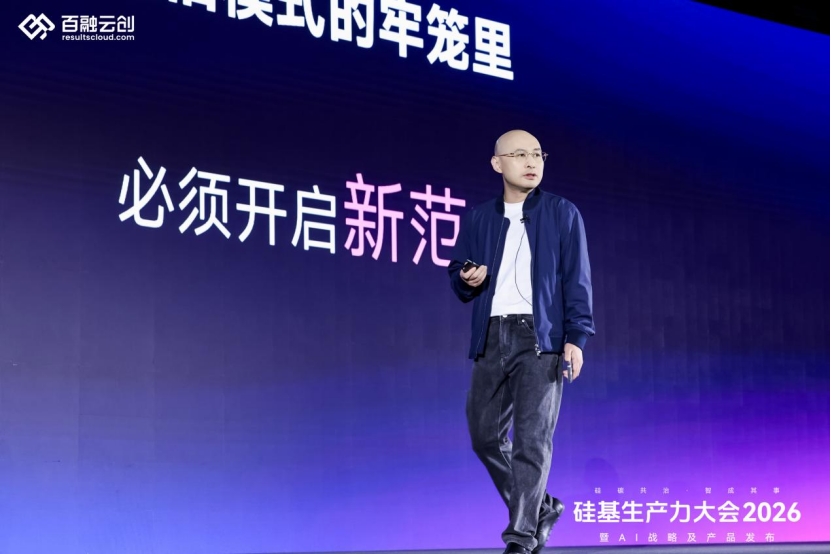
百融云创发布RaaS战略及“结果云”平台 开启硅碳共治新范式
Cai Jing Wang· 2025-12-19 07:28
Core Insights - The core message of the news is the launch of the enterprise-level AI Agent strategy by the company, emphasizing the RaaS (Result as a Service) business model and the introduction of the Results Cloud platform, which aims to transform AI from a tool supply model to a results delivery model [1][2]. Group 1: RaaS Strategy and Results Cloud Platform - The Results Cloud platform is the core of the RaaS strategy, featuring a three-layer architecture: "百基" for computational infrastructure and AI models, "百工" as the operating system for enterprise-level intelligent agents, and "百汇" as the Agent Store [2]. - The platform significantly reduces the deployment cycle of intelligent agents from 2 months to 2 weeks, allowing for scalable management of "silicon-based employees" [2]. - The company's self-developed BR-Proactive LLM shows a return on investment (ROI) twice that of general large models, while the BR-Voice model improves response speed by four times [2]. Group 2: Application Scenarios and Business Impact - The company focuses on two main lines for scaling silicon-based employees: EX (internal efficiency) and CX (external revenue generation), targeting areas like intelligent marketing and customer service [3]. - Four flagship silicon-based employee models were introduced, achieving significant improvements in metrics such as reducing turnover rates from over 70% to 0% and shortening recruitment cycles from 28 days to 2 days [3]. - The company collaborates with authoritative institutions to publish white papers and establish research labs, aiming to build a robust RaaS ecosystem [3]. Group 3: AI Agent Value and Employment Impact - The company asserts that AI agents can perform atomic-level tasks, leading to significant efficiency gains compared to traditional software [4]. - The business model promotes a shared value approach, reducing upfront costs for clients and fostering a collaborative environment [4]. - The impact of AI on employment is highlighted, with examples of silicon-based employees replacing traditional roles while creating new job opportunities in areas like training and evaluation [5]. Group 4: Technological Innovation and Market Expansion - The company focuses on practical application scenarios rather than merely developing foundational models, addressing specific technical challenges through collaboration and community feedback [6]. - The results-based payment model has been successfully implemented in various scenarios, including recruitment projects with large supermarkets and services for new energy vehicle companies [6]. - The launch of the RaaS strategy and Results Cloud platform marks the beginning of a new era for the company, aiming to elevate AI from a tool to a productive force in collaboration with industry partners [6].
向RaaS进击!百融云创发布“硅基员工”与Agent生态,开启硅碳共治新时代
Jin Rong Jie Zi Xun· 2025-12-18 08:50
Core Insights - The core message of the news is that Baifeng Cloud Innovation has launched an enterprise-level AI Agent strategy, emphasizing a new business model called RaaS (Result as a Service), which focuses on delivering measurable results rather than just functionalities [1][2][5]. Group 1: RaaS Strategy and Results Cloud - Baifeng Cloud Innovation introduced the Results Cloud platform, which serves as the core of its RaaS strategy, allowing companies to deploy and manage "silicon-based employees" at scale [1][6]. - The Results Cloud platform is structured in three layers: "Baiji" (AI Infra), "Baigong" (Agent OS), and "Baihui" (Agent Store), providing a comprehensive framework for enterprise-level AI productivity [6][8]. - The platform's design philosophy aims to ensure that AI can be managed like human employees, focusing on measurable outcomes and accountability [8][11]. Group 2: Key Features of Results Cloud - The platform includes five core capabilities that enhance its commitment to delivering measurable results, transforming AI from a tool to a productivity driver [8][11]. - Features such as "one-click optimization and release" and "online self-iteration" allow for rapid deployment and continuous improvement of AI agents, significantly reducing development cycles from months to weeks [9][10]. - The platform incorporates a built-in pricing and revenue-sharing mechanism, enabling clients to manage their silicon-based workforce flexibly and effectively [10][11]. Group 3: Silicon-Based Employees and Their Roles - Baifeng Cloud Innovation categorizes silicon-based employees into two main types: EX (Employee Experience) and CX (Customer Experience), focusing on internal efficiency and external revenue generation, respectively [14][15][17]. - Specific roles such as "sales service integration" and "intelligent recruitment" demonstrate the effectiveness of silicon-based employees in enhancing operational efficiency and customer engagement [18][19]. Group 4: Ecosystem and Standards - The company aims to build a comprehensive ecosystem for RaaS by collaborating with industry partners to establish standards and frameworks for AI agents [20][21]. - Baifeng Cloud Innovation has formed strategic partnerships to enhance its technological capabilities and ensure compatibility across the industry, thereby solidifying its position as a leader in the AI space [20][21]. Group 5: Future Vision - The launch event marks the beginning of a new era in the Agentic AI landscape, with Baifeng Cloud Innovation inviting partners and clients to join in the journey of "silicon-carbon governance" [22][24]. - The company envisions that every enterprise can easily build and manage its own "silicon army," effectively translating AI potential into business growth and competitive advantages [22][24].